What Items Are Tax-Free in Texas?
It’s easy to feel utterly lost when it comes to sales tax, especially in a sprawling state like Texas where rules can seem to shift not just from city to city, but also depending on what you're buying. One minute you're ringing up a purchase, and the next you're wondering why a similar item didn't have tax last week. This guide is here to untangle the mystery, giving you a clear picture of what items are generally tax-free in Texas, and how to make the most of those beloved sales tax holidays.
General Sales Tax Exemptions in Texas: Beyond the Holidays
While sales tax holidays get all the fanfare, there are many items and services that are simply not subject to Texas sales tax all year round. Understanding these fundamental exemptions can save you money and headaches on a regular basis, not just once or twice a year. It’s not about finding a loophole; it's about knowing the established rules.
Food and Groceries: The Prepared vs. Unprepared Divide
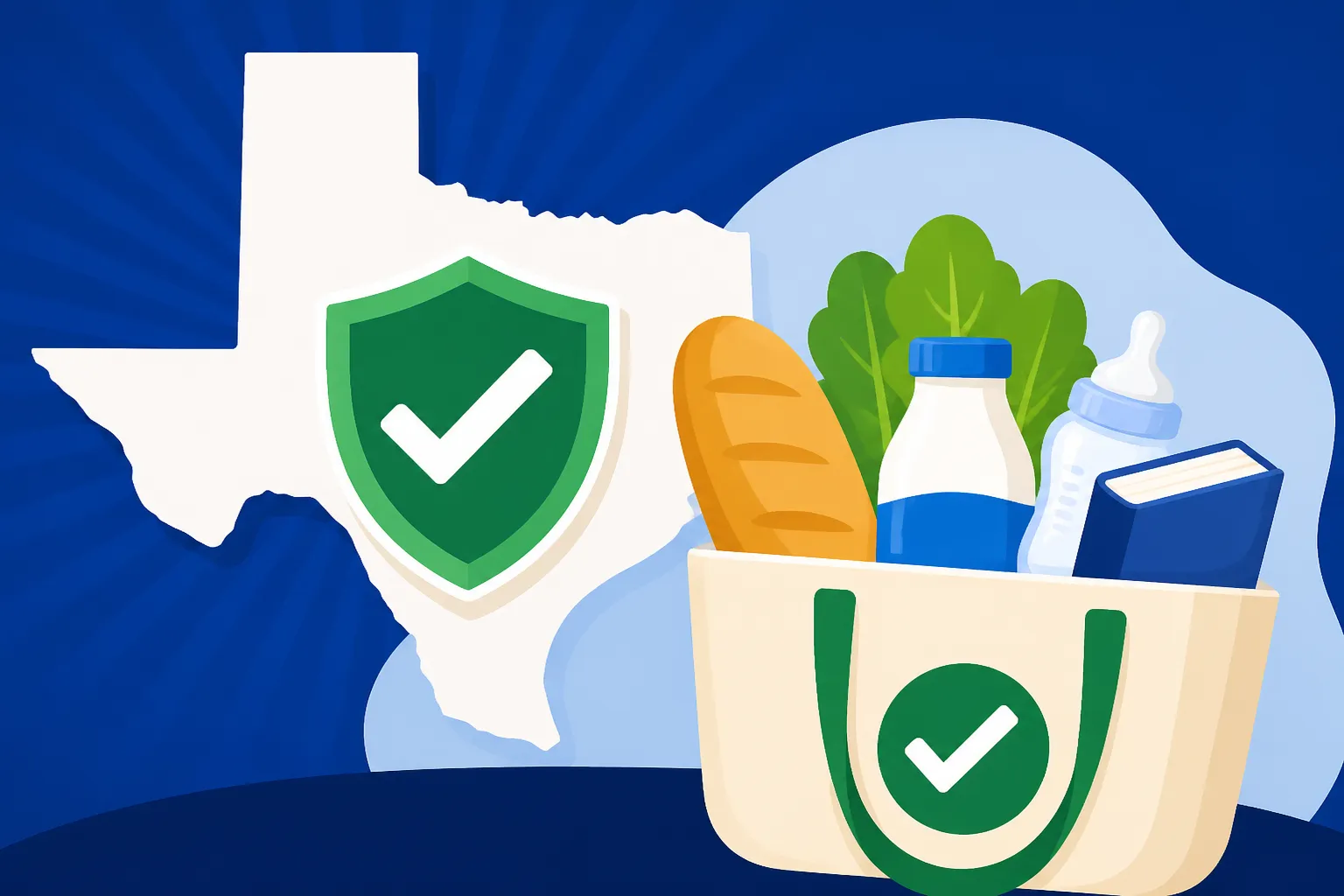
One of the most common and significant exemptions in Texas is for most food products. This means when you head to your local H-E-B, Kroger, or Walmart, you're likely not paying sales tax on the vast majority of items in your grocery cart. This includes things like fresh produce, meats, dairy, canned goods, boxed cereals, and even baked goods sold at a grocery store for off-premises consumption. Basically, if it's considered an ingredient for a meal you'll prepare at home, it's usually tax-exempt.
However, here's where it gets a little tricky, and this is where many people get tripped up. The exemption largely applies to unprepared food. If that food has been cooked, heated, or served with utensils for on-premises consumption, or if it's a specific type of "prepared food," it generally becomes taxable. Think about it: a bag of oranges is tax-free, but a freshly squeezed orange juice from a restaurant is not. A loaf of bread is tax-free, but a sandwich made at the deli counter to eat right away is typically taxable. We dive deeper into this distinction in our guide on Sales Tax on Groceries & Food by State and Prepared Food Sales Tax Explained. It’s a nuanced area designed to differentiate between basic necessities for home cooking and ready-to-eat convenience items or restaurant meals.
Prescription Medicine, Medical Devices, and Durable Medical Equipment
When it comes to health and well-being, Texas offers a broad exemption for most prescription drugs and a wide array of medical products. This is a huge relief for anyone managing chronic conditions or dealing with unexpected health issues. This includes all prescription medicines, whether dispensed by a pharmacy or a physician. It also covers over-the-counter (OTC) medicines when prescribed by a doctor.
Beyond medication, many medical devices and durable medical equipment are also tax-free. This can range from crutches, wheelchairs, and oxygen equipment to prosthetic devices and even certain types of diagnostic equipment for home use. The key here is typically that the item is prescribed by a licensed practitioner or is generally recognized as a medical device for treating an illness or injury. For instance, a blood pressure monitor recommended by your doctor will likely be exempt, but a general fitness tracker might not be. This ensures that essential health items aren't burdened with additional taxes.
Services: Often Exempt, But Not Always
Unlike many tangible goods, the majority of services in Texas are not subject to sales tax. This is a common characteristic across many states, but it's particularly noticeable in Texas. So, if you're getting your hair cut, hiring a plumber to fix a leaky faucet, paying for legal advice, or having your car repaired (labor portion, not parts), you generally won't see sales tax added to the bill. This can be a pleasant surprise for consumers, as it keeps the cost of essential services more affordable.
However, and there's always a "however" with sales tax, certain specific services are taxable in Texas. These are typically services that are tied to or enhance a tangible product, or are specifically enumerated by law. For example, if you pay for a data processing service, a security service, or even certain types of pest control, these might be taxable. The general rule of thumb is: if it's not explicitly listed as taxable, it's likely exempt. But always double-check, especially for business-related services, or if the service involves installing or repairing a tangible item, where the materials portion might be taxable even if the labor isn't.
Business-to-Business Exemptions: Resale and Manufacturing
While these exemptions don't directly impact the average consumer's daily purchases, they are crucial for businesses in Texas. When a business purchases an item solely for the purpose of reselling it, that purchase is generally exempt from sales tax. This prevents "tax on tax" throughout the supply chain. For instance, if a clothing boutique buys a shirt from a wholesaler, they use a Resale Certificate by State: Complete Guide to avoid paying sales tax on that wholesale purchase. The sales tax is then only collected from the end consumer when they buy the shirt from the boutique.
Similarly, Texas offers exemptions for manufacturing equipment and materials. If a manufacturer buys raw materials that will become a component part of a finished product, those raw materials are tax-exempt. The same often applies to machinery and equipment used directly in the manufacturing process. These exemptions are designed to encourage manufacturing and economic growth within the state by reducing the operational costs for businesses.
Texas Sales Tax Holidays: A Seasonal Saver
The Lone Star State is famous for its sales tax holidays, which offer consumers a chance to save a bit of money on specific categories of items during designated periods. These aren't just minor events; they're eagerly anticipated by families and shoppers looking to stretch their budgets further.
Back-to-School Tax-Free Weekend: Apparel, Footwear, and School Supplies
The most widely known and celebrated sales tax holiday in Texas is the annual "back-to-school" weekend. Typically held in early August, just before students head back to classrooms, this holiday allows shoppers to purchase most clothing, footwear, and school supplies tax-free. This is an enormous help for families gearing up for a new academic year, often facing significant expenses.
To qualify for the exemption, items must generally be priced under $100. This means you can stock up on new jeans, T-shirts, socks, sneakers, boots, and even backpacks without paying the state's 6.25% sales tax, plus any local taxes that might apply (which can push the total up to 8.25% in many areas, as detailed in our article on Texas Sales Tax Rate (6.25% + Local 8.25% Max)). It's not just basic clothing either; most apparel worn on the body, including many accessories, falls under this umbrella, provided it meets the price cap. For school supplies, the list is quite extensive, covering everything from pens, pencils, notebooks, and binders to calculators and art supplies. However, be mindful that items like computers, textbooks, and certain sporting goods are usually not included. You can find out more about the specific dates and qualifying items in our detailed guides, Texas Tax-Free Weekend 2026 (Aug 7-9) and What's Included in Texas Tax-Free Weekend?.
Energy Star and Water-Efficient Products Tax Holiday
Beyond back-to-school savings, Texas also offers a tax holiday for certain energy-efficient and water-efficient products. This initiative encourages Texans to invest in appliances and fixtures that can help conserve resources and reduce utility bills in the long run. It's a win-win: save money upfront on sales tax, and then continue saving on energy and water usage over time.
During this specific holiday, you can typically purchase Energy Star-labeled appliances like refrigerators (under $2,000), washing machines, air conditioners (under $6,000), dishwashers, and even programmable thermostats, all without paying sales tax. The list for water-efficient products is also robust, including items such as certain toilets, showerheads, and even landscape irrigation controls that meet specific efficiency standards. This holiday is particularly popular for homeowners looking to upgrade their homes and embrace more sustainable living. The exact dates for this holiday vary, so it's wise to check the Texas Comptroller's website annually.
Emergency Preparation Supplies Tax Holiday
Living in Texas means understanding the importance of being prepared for severe weather, whether it's hurricanes along the coast or intense thunderstorms and tornadoes inland. To help residents stock up on crucial supplies, Texas offers an Emergency Preparation Supplies Sales Tax Holiday. This is a critical time for families to ensure they have what they need for potential emergencies without the added cost of sales tax.
During this holiday, essential items like batteries, portable generators (up to a certain value, often $3,000), emergency ladders, first aid kits, fuel containers, and even tarps and tie-down kits are exempt from sales tax. There are usually specific price caps for individual items (e.g., flashlights under $75, radios under $75, certain types of generators under $3,000), so it’s not an carte blanche exemption for all preparedness items. But for the core necessities, it provides substantial relief. This holiday usually occurs in late April or early May, perfectly timed before peak hurricane and storm season, making it easier for every household to build their emergency kit.
Understanding the Nuances: What Gets Tricky?
Even with clear exemptions and exciting tax holidays, sales tax can still be a minefield of "what ifs." Texas, like many states, has specific rules for certain categories that can sometimes defy common sense. Knowing these finer points can prevent surprises at the register or, for businesses, ensure proper compliance. Staying on top of these details can be a challenge, and that's where solutions like Avalara come into play, offering automated sales tax calculations that account for these nuances.
Prepared Food vs. Groceries: A Deeper Dive
We touched on this earlier, but it's worth reiterating the often-confusing line between prepared food (taxable) and groceries (exempt). The state wants to tax food that's ready for immediate consumption or has been enhanced for convenience, similar to a restaurant meal.
Consider these scenarios:
- A rotisserie chicken from the grocery store: Taxable, because it's cooked and ready to eat.
- A cold, uncooked chicken: Exempt.
- A pre-made salad in a container from the grocery deli: Taxable, especially if it includes a fork or is clearly intended for immediate consumption.
- A bag of salad mix, separate dressing, and croutons: All exempt, as they are components you assemble.
- A fountain drink or coffee from a convenience store: Taxable.
- A gallon of milk: Exempt.
The intent of consumption and the degree of preparation are key. If you're running a business that sells both, managing these distinctions correctly is crucial for accurate tax collection, and this complexity is why many businesses turn to sophisticated sales tax software.
Clothing and Accessories: Beyond the Tax Holiday
Outside of the glorious back-to-school tax holiday, clothing and accessories are generally taxable in Texas. This means if you buy a new pair of jeans in March or a fancy dress in October, you'll be paying sales tax on it, just like most other tangible goods.
However, there can be very specific exemptions, though these are rare for general clothing. For instance, certain items required for medical purposes might be exempt if prescribed by a doctor. But for your everyday wardrobe, assume tax applies. This is different from states like Pennsylvania or New Jersey, where most clothing is always exempt, as you can see in our guide on Is Clothing Taxable? Sales Tax on Apparel by State. It highlights how critical it is to know the specific rules for Texas, rather than assuming nationwide consistency.
Digital Goods and Services: The Evolving Landscape
The world of digital goods and services is constantly expanding, and sales tax laws are still catching up in many areas. In Texas, the taxability of digital products can be a bit of a gray area, but generally, if a digital product functions like a tangible one, it might be taxable.
For example, digital movies, music downloads, e-books, and even certain software downloads are generally considered taxable in Texas. If you purchase a software-as-a-service (SaaS) subscription, it often falls into the category of "data processing services" or "information services," which are indeed taxable in Texas. This is a stark contrast to some other states where digital products or SaaS might be entirely exempt. This is a complex area, and it's worth reviewing specific guidance or consulting with a tax professional if you're selling or buying these types of products. Our article on Is SaaS Taxable? Software-as-a-Service by State provides a broader overview of how different states handle this.
It's also important to remember that shipping charges in Texas are often taxable if the item being shipped is taxable. If you're buying a digital good, there's no physical shipping, but if you're buying a physical product online, the shipping might add to your taxable total, as discussed in Is Shipping Taxable in Texas?. This further complicates the online shopping experience for both consumers and businesses. For businesses navigating these complex rules across various product types, particularly those selling online, leveraging an automated sales tax solution can be a game-changer. Companies like Avalara specialize in keeping up with these ever-changing regulations, ensuring businesses collect and remit the correct amount of tax. Without such tools, the risk of miscalculations and potential penalties is significant.
Handy Guide to Texas Sales Tax Status
To give you a quick overview, here's a table summarizing the general sales tax status of common items in Texas:
| Item Category | General Sales Tax Status (Outside Holidays) | Sales Tax Holiday Status | Notes |
|---|---|---|---|
| Unprepared Groceries | Exempt | N/A | Examples: fresh produce, raw meat, milk. |
| Prepared Food | Taxable | N/A | Examples: restaurant meals, hot deli items, fountain drinks. |
| Prescription Medicine | Exempt | N/A | Includes prescribed OTC medicines. |
| Medical Devices | Exempt | N/A | Must be prescribed or generally recognized medical device. |
| Clothing & Footwear | Taxable | Exempt (Back-to-School) | Exempt under $100 during holiday. |
| School Supplies | Taxable | Exempt (Back-to-School) | Specific list of qualifying items. |
| Energy Star Appliances | Taxable | Exempt (Specific Holiday) | Refrigerators, washers, AC units (price limits apply). |
| Water-Efficient Products | Taxable | Exempt (Specific Holiday) | Toilets, showerheads, irrigation controls. |
| Emergency Prep Supplies | Taxable | Exempt (Specific Holiday) | Batteries, generators, first aid kits (price limits apply). |
| Digital Goods (e.g., e-books, music) | Taxable | N/A | Generally treated like tangible personal property. |
| SaaS / Cloud Software | Taxable | N/A | Often classified as data processing/information services. |
| Most Services (e.g., haircuts, plumbing) | Exempt | N/A | Specific enumerated services are taxable. |
Understanding the sales tax landscape in Texas can feel like a full-time job for businesses, especially with the intricate rules around goods and services, and the various sales tax holidays. For consumers, knowing what's generally tax-free year-round and how to strategically plan purchases during sales tax holidays can lead to considerable savings. Whether you're a shopper or a seller, being informed is your best defense against sales tax surprises. To ensure compliance for businesses or to get precise calculations as a consumer, tools like a Sales Tax Calculator: How to Calculate Sales Tax can be incredibly helpful.
Disclaimer
Please remember that sales tax laws can be complex and are subject to change. This guide provides general information and should not be considered legal or tax advice. For specific questions regarding your tax obligations or exemptions, it is always recommended to consult with a qualified tax professional or refer to the official resources provided by the Texas Comptroller of Public Accounts.