Is There Tax on Groceries in Texas?
The question of whether groceries are taxed in Texas is a common one, and honestly, it can be a real headache trying to figure out which items on your shopping list will ding you with extra sales tax. As someone who’s navigated the aisles of many Texas grocery stores and helped countless small business owners understand these rules, I know firsthand the confusion it causes. This guide is here to clear up the mystery, explaining exactly what you can expect to be taxed on when it comes to food in the Lone Star State.
The General Rule: Groceries Are Exempt in Texas
Let's get straight to the good news for your budget: most grocery food products in Texas are exempt from sales tax. This means that when you're stocking up on essentials for your pantry and fridge, you generally won't pay that extra percentage. It’s a huge relief for families and individuals trying to make ends meet, ensuring that basic sustenance isn't made more expensive by state levies.
What "Groceries" Actually Mean
In Texas, the definition of "grocery food products" eligible for the sales tax exemption is pretty straightforward: it generally includes food items intended for home consumption. Think about everything you'd typically buy to cook meals, pack lunches, or snack on at home. This covers a wide array of goods, from your fresh fruits and vegetables, meats, and dairy products to packaged staples like pasta, rice, bread, cereals, and canned goods. If you’re buying ingredients to prepare a meal in your own kitchen, it almost certainly falls under this exemption.
For example, if you're planning a big Sunday dinner, your roast, potatoes, green beans, and even that apple pie you grab from the bakery section (as long as it's not a single slice meant for immediate consumption, but a whole pie to take home) will likely be sales tax-free. The core idea here is that these items are raw ingredients or basic packaged foods that you'll consume at home. It’s a deliberate policy choice to make food a little more affordable, a welcome thought when you're watching your budget. This exemption also applies to most non-alcoholic beverages like milk, juices, and unflavored bottled water.
Why This Exemption Matters for Your Wallet
The exemption on groceries is more than just a minor convenience; it represents significant savings for Texans, especially those on tight budgets or large families. Imagine adding an extra 6.25% state sales tax, plus potentially up to 2% in local sales tax, to your entire grocery bill every week. That would add up fast! For a family spending $200 on groceries each week, that could be an additional $12.50 to $16.50 that goes to taxes instead of other necessities. Over a year, that's hundreds of dollars staying in your pocket.
When you look at the bigger picture, knowing that your essential food purchases are not subject to sales tax helps you plan your household budget more effectively. It’s a stark contrast to states that do levy sales tax on groceries, either at the full rate or a reduced rate. For instance, while Texas's base sales tax rate is 6.25% and local rates can bring it up to 8.25% in many areas, this doesn't apply to most of your grocery basket. This makes grocery shopping in Texas a bit more economical compared to places where you might pay tax on everything from apples to zucchini. If you're curious about how Texas's tax rates compare overall, you might find our comprehensive guide on Sales Tax Rates by State 2026: All 50 States insightful.
When Your Food Purchase Does Get Taxed in Texas
While the general rule for groceries is a relief, there are specific situations where food items do become taxable in Texas. This is where the lines can get a little blurry, causing confusion for both shoppers and business owners. Understanding these distinctions is crucial to avoiding surprises at the checkout counter.
Prepared Foods and Restaurant Meals
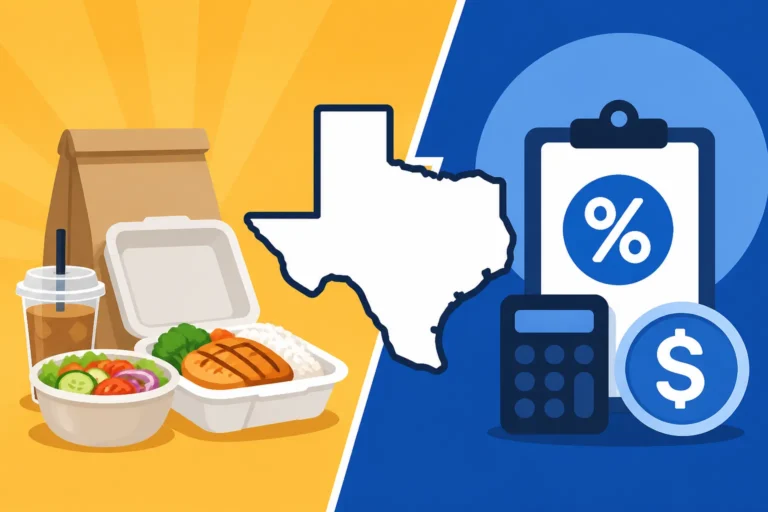
The biggest exception to the grocery sales tax exemption in Texas is "prepared food." Essentially, if the food is ready for immediate consumption, whether it’s hot, served with utensils, or requires minimal preparation, it’s likely taxable. Think of it this way: if you're not going home to cook it, it's probably prepared food. This covers everything from your morning coffee and breakfast taco to a full sit-down meal at a restaurant.
Let's break down some examples. That piping hot rotisserie chicken from the grocery store deli? Taxable. A sandwich made to order at the deli counter? Taxable. Any items from a buffet, salad bar, or hot food bar inside a supermarket? Taxable. Even pre-made salads or sushi if they come with disposable forks or chopsticks, signaling they’re meant to be eaten on the spot or very soon after purchase, will typically incur sales tax. This also extends to all meals purchased at restaurants, cafes, food trucks, or any establishment primarily in the business of serving food for immediate consumption. Understanding Is Prepared Food Sales Tax Explained can help clarify these nuances even further. Businesses, especially those operating delis or prepared food sections within larger grocery stores, need robust systems, often leveraging solutions from companies like Avalara, to accurately distinguish between taxable prepared foods and exempt grocery items.
Candy, Soft Drinks, and Other "Non-Grocery" Items
Beyond prepared foods, there’s a category of items often found in grocery stores that are not considered exempt food products. This includes candy, soft drinks, and certain other beverages. Texas defines these items specifically to be taxable, regardless of whether they are for home consumption or not.
When it comes to candy, Texas often applies a variation of what's affectionately known as the "flour test." If a product contains flour or requires refrigeration, it’s generally considered a food item and exempt. However, if it’s a sweet treat like a chocolate bar, gummy bears, or hard candies that don't contain flour as a primary ingredient, it's typically taxed. So, that bag of M&M's? Taxable. A chocolate chip cookie from the bakery that contains flour? Exempt (unless it’s considered prepared food, as discussed above). For more details, our guide on Candy & Soda Sales Tax (The Flour Test) delves into this quirky distinction.
Soft drinks are another clear example. Carbonated beverages, sports drinks, energy drinks, and other sweetened beverages are all subject to sales tax in Texas. This is because they are generally considered luxury items rather than essential food products. However, things like unflavored bottled water, milk, and 100% fruit or vegetable juices typically remain exempt. These distinctions require careful attention from retailers, who must ensure their point-of-sale systems are correctly configured to apply tax to these specific items. It’s a complex dance that can easily lead to errors if not managed correctly, highlighting why tools from compliance providers like Avalara are so valuable.
Dining-In vs. Take-Out Implications
The setting of consumption also plays a role, especially for food establishments that offer both dine-in and take-out options, or grocery stores with integrated dining areas. Generally, if food is purchased and consumed on the premises of the seller, it's more likely to be considered prepared food and thus taxable.
Consider a grocery store with a small café section. If you buy a coffee and a pastry and sit down at one of their tables to enjoy it, that's typically a taxable transaction. However, if you buy that same coffee and pastry, but take it to go, the pastry (if it contains flour and isn't a single-serving "prepared" item like a heated croissant) might be exempt, while the coffee (a prepared beverage) would still be taxable. The key is how the vendor presents the item and whether it’s intended for immediate on-site consumption. While the state's primary sales tax is 6.25%, local taxes can push this higher; for example, you can learn more about the overall Texas Sales Tax Rate (6.25% + Local 8.25% Max) here. For businesses, keeping track of these nuances is vital for accurate tax collection and remittance, and this is where robust compliance software truly shines, ensuring you're collecting the correct amount whether customers are dining in or taking out.
Navigating the Nuances as a Shopper and a Business Owner
Understanding these sales tax rules can feel like deciphering a secret code, whether you're just trying to save a few bucks on your weekly shopping trip or you're a business owner trying to stay compliant. The complexity arises from the seemingly small differences in how food items are prepared, packaged, or presented.
Practical Tips for Shoppers
For shoppers, the best defense against sales tax surprises is awareness. Here are a few practical tips to help you navigate the grocery aisles and checkout lines:
- Check Your Receipts: Make it a habit to quickly scan your grocery receipts, especially when you've bought a mix of standard groceries and items from the deli or bakery's "prepared food" section. If something looks off, don't hesitate to ask a store associate for clarification. You'd be surprised how often a simple question can clear up a misunderstanding or even correct an error.
- Know the Hot vs. Cold Rule: Remember that hot food is almost always taxable. If it's warm from the oven or heated, expect to pay tax. Cold items, especially pre-packaged ones like a tub of potato salad, may be exempt if they're considered a bulk food for home consumption and not a single-serving prepared meal.
- Be Mindful of Beverages: While milk and juice are typically exempt, soft drinks and most sweetened or carbonated beverages are taxable. If you're stocking up on soda for a party, factor in the sales tax. Similarly, our article on How to Calculate Sales Tax (Step by Step) can give you more general insights into calculating sales tax on various purchases.
- Consider the "Utensil Test": If the store provides a fork, spoon, or other eating utensil with your food item, it’s a strong indicator that it's considered prepared food for immediate consumption and thus taxable. This is particularly relevant in grocery stores with integrated cafes or hot food bars.
These small habits can help you become a more informed consumer, ensuring you're not overpaying on items that should be tax-exempt.
What This Means for Businesses Selling Food in Texas
For businesses, the stakes are much higher. Getting sales tax wrong can lead to penalties, audits, and a whole lot of stress. Whether you run a full-service restaurant, a convenience store, or a large supermarket with a deli and bakery, accurate sales tax collection and remittance are critical.
The primary challenge for businesses in Texas is accurately categorizing every single food item they sell. This requires sophisticated point-of-sale (POS) systems that can correctly apply the sales tax rules based on item type, preparation, and intended use. For instance, a grocery store might sell flour (exempt), cookies made with flour (exempt if not "prepared"), and a hot meal from the deli (taxable). Each needs to be classified correctly in the system. Many businesses find that manual tracking and classification quickly become overwhelming, especially as their inventory grows or rules change.
This is where specialized sales tax compliance software becomes an invaluable asset. Solutions like Avalara or others in the market are designed to automate the sales tax calculation process, ensuring that the correct tax is applied to each item based on current state and local regulations. They help businesses:
- Accurately Classify Products: These systems have databases of taxability rules for thousands of product types, which they apply to your inventory.
- Calculate Correct Rates: They factor in the specific Combined State + Local Sales Tax Rates Explained based on the sales location.
- Maintain Compliance: They stay updated with 2026 Sales Tax Rate Changes by State and taxability rule changes, reducing the risk of non-compliance.
- Streamline Filing: Many also assist with preparing and filing sales tax returns, a process detailed further in our guide on How to File a Sales Tax Return: Step by Step.
Without such tools, businesses face the constant headache of manual updates and the risk of costly errors. Imagine a small grocery store owner in Dallas trying to keep up with every nuanced rule for candy, soda, prepared meals, and fresh produce across potentially thousands of SKUs. It's practically impossible to do manually without mistakes. That's why investing in robust sales tax automation, like that offered by Avalara, isn't just a convenience; it's a necessity for maintaining compliance and peace of mind. For a deeper dive into available solutions, you might want to check out our analysis of the Best Sales Tax Compliance Software 2027.
In summary, while your everyday groceries remain blissfully tax-free in Texas, be mindful of those prepared foods, candy, and soft drinks. A little knowledge goes a long way, whether you're just shopping or running a business.
Texas Food Sales Tax Status Overview
To help make sense of it all, here's a quick reference table outlining the typical sales tax status for various food items in Texas. Keep in mind that specific interpretations can sometimes vary slightly based on context, but this covers the general rules.
| Item Category | Examples | Sales Tax Status in Texas |
|---|---|---|
| Grocery Food Products | Fresh fruits, vegetables, meat, dairy, bread, eggs, pasta, canned goods, whole pies, unflavored bottled water, milk, 100% juice | EXEMPT |
| Prepared Foods | Hot rotisserie chicken, deli sandwiches, salad bar items, buffet food, hot coffee, restaurant meals, hot pizza slices, ready-to-eat sushi with utensils | TAXABLE |
| Candy | Chocolate bars (without flour), gummy candies, hard candies, most individually wrapped treats that don't pass the "flour test" | TAXABLE |
| Soft Drinks | Carbonated beverages, sports drinks, energy drinks, sweetened iced tea | TAXABLE |
| Dietary Supplements | Vitamins, protein powders, meal replacement bars (often considered non-food items) | TAXABLE |
| Bakery Items (General) | Whole cakes, loaves of bread, donuts (not individually heated/prepared for immediate consumption) | EXEMPT |
Disclaimer
Please note that sales tax laws are subject to change, and interpretations can vary. This information is provided for general guidance and informational purposes only, and does not constitute professional tax advice. Always consult with a qualified tax professional or refer to the official Texas Comptroller of Public Accounts resources for the most current and accurate information regarding your specific situation.