Does Montana Have Sales Tax?
For anyone looking to make a big purchase, thinking of relocating, or running an online store, the question of sales tax can be a real headache. It's especially confusing when you're dealing with states that deviate from the norm. If you've been scratching your head wondering if you need to factor in sales tax for purchases made in or shipped to Montana, you're not alone. This comprehensive guide will clear up all that confusion and help you understand Montana's unique tax landscape.
The Straight Answer: No Statewide Sales Tax in Montana
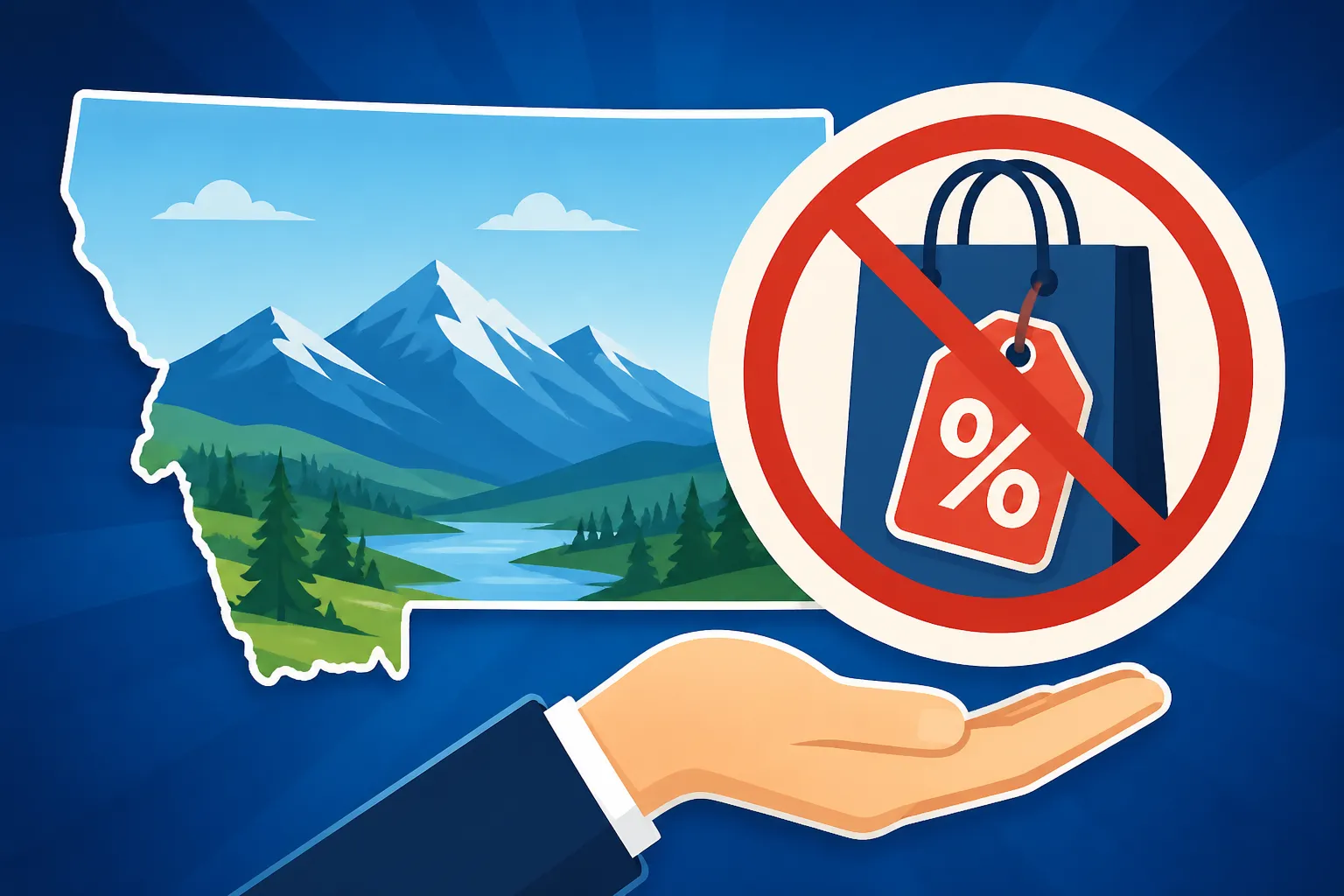
Let's cut right to the chase because this is probably why you're here: No, Montana does not have a statewide sales tax. This isn't a trick, and it's not a temporary holiday; it's a fundamental part of the state's tax policy. For residents and visitors alike, this means that when you buy most tangible goods—whether it's groceries, clothes, electronics, or a new car—you pay only the listed price, without an additional percentage tacked on for sales tax.
The "Big Sky Country" Sales Tax Exemption
Montana is one of a handful of states in the U.S. that chooses not to impose a general sales tax. This stands in stark contrast to the vast majority of states where sales tax is an almost unavoidable part of everyday transactions. The exemption means that sellers in Montana, whether they're brick-and-mortar stores in Missoula or small online shops based out of Billings, don't have to collect and remit sales tax on most goods and services sold within the state.
Think about it: no more fumbling for extra change at the register, no more complicated calculations when you're trying to budget for a large item. This lack of sales tax is often a draw for tourists, especially those coming from states with high combined sales tax rates, who see Montana as a place where their dollar goes a little further on purchases. This is also why Montana is often mentioned in discussions about States With No Sales Tax (NOMAD Explained).
Historical Context and Political Will
The absence of a sales tax in Montana isn't an accident; it's a deliberate policy choice rooted in the state's history and its political landscape. Montana has traditionally relied on other forms of taxation to fund its state and local services, primarily property taxes, individual income taxes, and various excise taxes. Over the years, there have been numerous attempts and debates to introduce a sales tax, usually driven by proponents seeking to diversify revenue streams or reduce reliance on property taxes. However, these proposals have consistently faced strong opposition and have never garnered enough support to pass.
The sentiment among many Montanans and their legislators has been to avoid a sales tax, often viewing it as a regressive tax that disproportionately affects lower-income individuals. This enduring political will has kept the "Big Sky Country" sales tax-free, making it a unique player in the national tax arena. While the landscape of sales tax rates across the country can be quite complex, as explored in guides like Sales Tax Rates by State 2026: All 50 States, Montana remains a clear outlier.
What Taxes Do You Pay in Montana Instead?
Just because Montana doesn't have a sales tax doesn't mean it's a tax haven. The state still needs to fund its infrastructure, schools, public safety, and other essential services. Instead of a sales tax, Montana relies heavily on other revenue streams, which can sometimes come as a surprise to newcomers or businesses not familiar with its specific tax structure.
Property, Income, and Other State-Level Taxes
The two primary workhorses of Montana's tax system are property taxes and individual income taxes. If you own property in Montana, whether it's residential or commercial, you'll be paying property taxes to your local county and other taxing jurisdictions. These taxes are a significant source of funding for local governments and school districts.
For individuals, Montana has a progressive income tax system, meaning higher earners pay a higher percentage of their income in taxes. This is a common structure in many states and helps to offset the lack of a sales tax. Businesses operating in Montana are also subject to various corporate income taxes, payroll taxes, and other specific industry taxes, such as those on natural resources.
Unique Local and Tourism-Related Fees
While there's no general sales tax, certain specific transactions and tourist-heavy areas in Montana do have their own local fees or taxes. These are often targeted at particular services or activities and are typically much narrower in scope than a broad sales tax.
For example, if you're staying in a hotel or other lodging establishment, you'll likely encounter a statewide lodging facility use tax. This tax helps fund tourism promotion and parks. Similarly, if you rent a car, you'll pay a rental vehicle sales tax. In some resort areas, like Big Sky, there are resort area taxes or "resort fees" that are levied on certain retail sales and services within a defined district. These are crucial to funding local services and infrastructure in these high-traffic areas, distinct from a general sales tax. It’s important to remember these are localized and specific, not a broad statewide sales tax.
Here's a quick look at how Montana compares to some of its neighbors regarding sales tax:
| State | Statewide Sales Tax Rate | Local Sales Tax Allowed? | Average Combined Rate (approx.) |
|---|---|---|---|
| Montana | 0% | No | 0% (excluding specific fees) |
| Idaho | 6% | Yes | 6% |
| Wyoming | 4% | Yes | 5.22% |
| North Dakota | 5% | Yes | 6.96% |
| South Dakota | 4.5% | Yes | 6.40% |
As you can see, Montana truly stands out with its 0% sales tax, making it an attractive destination for shoppers seeking tax-free purchases on most goods.
How Montana's No Sales Tax Affects Businesses and Consumers
The absence of a sales tax in Montana creates a unique economic environment with specific advantages and considerations for both the people living in the state and the businesses operating there. Understanding these nuances is key to navigating the economic landscape effectively.
Advantages for Shoppers and Residents
For consumers, the most obvious and celebrated advantage is the immediate savings on purchases. Whether you're buying a new couch in Bozeman, filling up your grocery cart in Kalispell, or getting new ski gear in Whitefish, the price you see is generally the price you pay (plus any applicable federal excise taxes, of course). This can make big-ticket items like furniture, appliances, or even general retail shopping feel more affordable compared to states where a significant sales tax percentage is added. It essentially boosts the purchasing power of every dollar earned and spent within the state.
This also translates to simpler budgeting. You don't have to estimate an extra 5-10% on top of every item's sticker price. For residents, especially those on fixed incomes or tight budgets, this direct saving can be substantial over the course of a year. It's a clear financial benefit that Montana proudly offers to its citizens.
Considerations for Businesses Operating Within Montana
For businesses that primarily serve customers within Montana, the lack of a sales tax simplifies their operations considerably. They don't have to register for a sales tax permit, calculate varying local sales tax rates, collect the tax from customers, or remit it to the state. This significantly reduces the administrative burden and compliance costs associated with sales tax management. Imagine the time and resources saved by not having to grapple with the complexities of sales tax filings, as detailed in guides like How to File a Sales Tax Return: Step by Step.
However, these businesses still have other tax obligations, such as property taxes, income taxes, and potentially those specific local resort or lodging fees mentioned earlier. So, while one major compliance hurdle is absent, others remain. Businesses still need robust accounting practices to manage these other tax responsibilities.
What Out-of-State Online Sellers Need to Know
This is where things can get a little tricky, especially for online sellers who might assume "no sales tax in Montana" means they have nothing to worry about. While Montana sellers don't collect sales tax from their customers, out-of-state online retailers still need to consider their nexus obligations. If an online business located in, say, California, sells to a customer in Montana, that seller typically doesn't need to collect sales tax because Montana doesn't have one.
However, the bigger picture for online sellers isn't just about Montana. It's about their entire footprint across the U.S. The Wayfair decision fundamentally changed sales tax for online sellers, establishing economic nexus. This means that if an online seller meets certain sales thresholds (either in revenue or number of transactions) in other states, they are required to register for a sales tax permit and collect sales tax in those other states, even if they don't have a physical presence there.
So, while Montana purchases might be sales tax-free for their customers, online sellers still need to monitor their sales into states other than Montana to ensure they are compliant. Tools like Avalara specialize in helping businesses track these thresholds and manage sales tax obligations across multiple jurisdictions. Ignoring these rules for other states can lead to significant penalties. Understanding concepts like Economic Nexus by State 2026: Thresholds Guide is paramount for any online business operating nationwide.
Navigating Sales Tax for Out-of-State Businesses
Even though Montana doesn't have a general sales tax, businesses located outside of Montana still need to understand how their sales to Montana customers fit into their broader sales tax compliance strategy. It's a common misconception that if a state has no sales tax, you can simply ignore it when it comes to compliance. This isn't entirely true for all aspects of sales tax, especially for businesses with a multistate presence.
The Impact of Economic Nexus on Montana Sales (or Lack Thereof)
For an out-of-state seller, if you sell goods or services into Montana, you generally won't be required to collect sales tax on those transactions because, as we’ve established, Montana doesn’t have one. This is a blessing for many e-commerce businesses that might otherwise find themselves tracking sales tax in 45 different states, plus Washington D.C. However, the concept of economic nexus still matters for your business because those sales into Montana often count towards the economic nexus thresholds in other states.
Let's say you're an online retailer based in Washington State, which does have sales tax, and you sell products to customers across the country. Your sales into Montana, while not subject to Montana sales tax, will still count towards your total sales volume when determining if you've met the economic nexus threshold in, say, Colorado or Texas. Many states define their economic nexus thresholds based on gross sales or number of transactions into their state, regardless of where the seller is located or if the destination state has a sales tax. It's a crucial distinction, and one that often trips up growing businesses. For more on this, you might want to review Sales Tax Nexus Explained (Physical vs Economic).
Streamlining Compliance with Tax Software
Managing sales tax across 45 different states can be a monumental task, even with Montana being an exception. Each state has its own rates, rules for what's taxable, filing frequencies, and due dates. Manually tracking all this, especially as your business grows and crosses economic nexus thresholds in new states, is prone to errors and takes valuable time away from your core business activities.
This is where sales tax compliance software, like Avalara, truly shines. While it won't magically create a sales tax for Montana, it can integrate with your e-commerce platform or accounting system to:
- Track Nexus: Automatically monitor your sales activity against the economic nexus thresholds of every state.
- Determine Taxability: Accurately calculate sales tax for your sales in the states where you do have nexus, based on the customer's location and the specific taxability rules of the product or service.
- Prepare and File Returns: Automate the preparation and filing of your sales tax returns in the states where you're registered.
Even for businesses that only have nexus in a few states, understanding Sales Tax for Online Sellers: Complete Guide is essential. The sales you make into Montana, though tax-free for the customer, still contribute to your overall sales data that determines your compliance burden elsewhere. So, while Montana offers a simpler transaction experience, the wider world of sales tax still demands your attention.
Disclaimer
The information provided in this article is for general informational purposes only and does not constitute tax, legal, or accounting advice. Sales tax laws are complex and subject to change. Always consult with a qualified tax professional or legal advisor for advice tailored to your specific situation.