Why Am I Charged Sales Tax on Online Orders?
Sales tax on online purchases stems from physical presence nexus, economic thresholds, and marketplace facilitator laws.
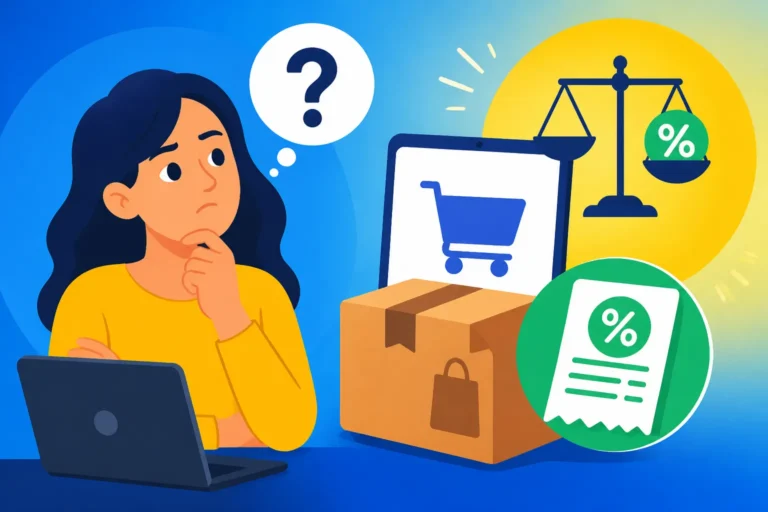
Sales tax on online purchases stems from physical presence nexus, economic thresholds, and marketplace facilitator laws.
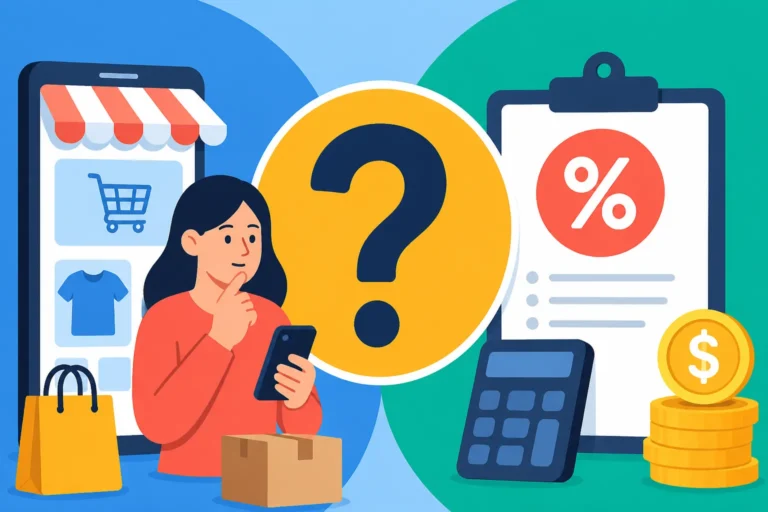
Online sales tax requirements and economic nexus rules explain why internet purchases now include extra fees based on shipping addresses.

Chicago, Illinois, and Seattle, Washington, feature a 10.25 percent combined sales tax rate driven by state, county, city, and transit taxes.
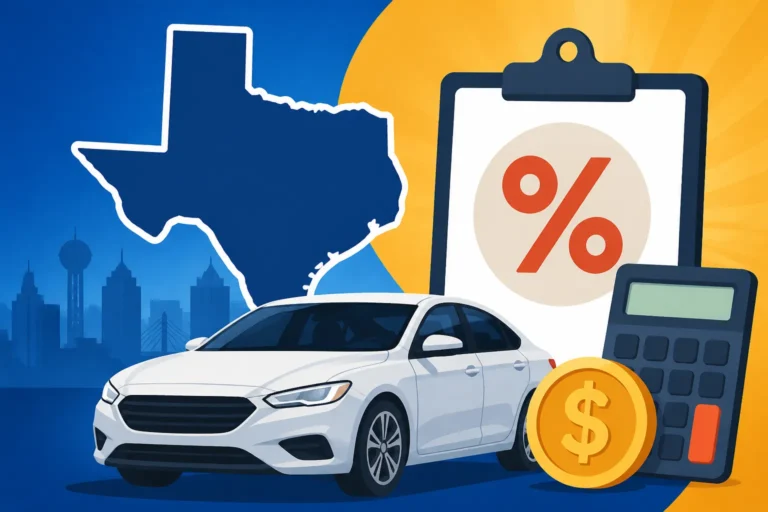
Texas motor vehicle sales tax costs 6.25 percent of the purchase price or Standard Presumptive Value, alongside registration fees and trade-in credits.
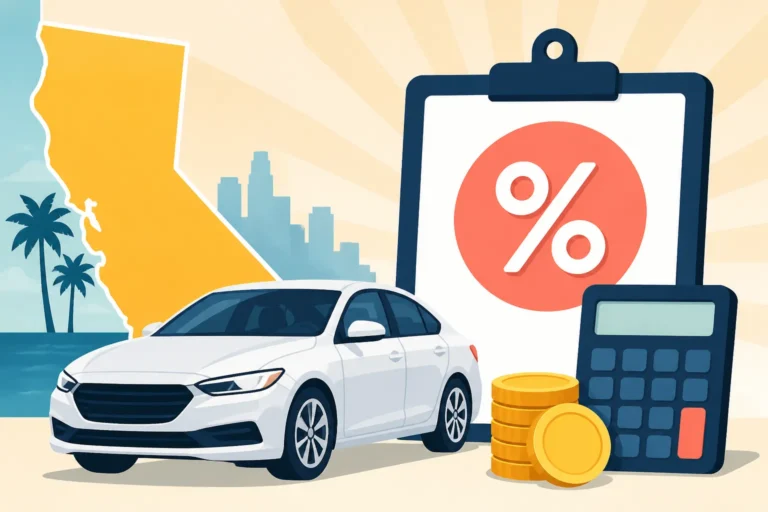
California vehicle sales tax combines a 7.25 percent base rate with local district taxes, resulting in total rates reaching up to 10 percent.
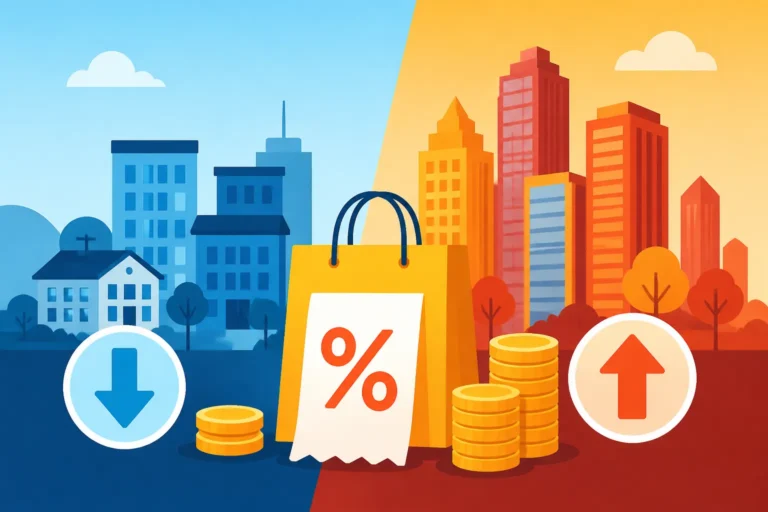
Statewide sales tax, county add-ons, city levies, and special districts explain why sales tax rates vary across different cities.
Sales tax rate by address lookup allows online businesses to determine precise local rates using customer shipping addresses instead of ZIP codes.
Local sales tax rates explain how state, county, and city charges apply to purchases using lookup tools and government resources.
Local sales tax rates vary because states, counties, cities, and special districts add layers of taxes to purchases, requiring precise address data.
Sales tax calculation methods and formulas explain how consumers and businesses determine total purchase costs using combined state and local rates.