Are Groceries Taxable in New York?
Figuring out what's taxable and what's not at the grocery store can feel like a never-ending puzzle, especially in a place as diverse as New York. One minute you're breezing through the produce aisle, completely tax-free, and the next you're scratching your head at the deli counter wondering why your pre-made sandwich just rang up with sales tax. This guide is here to untangle the complexities of sales tax on groceries in New York, helping both shoppers and businesses understand the rules.
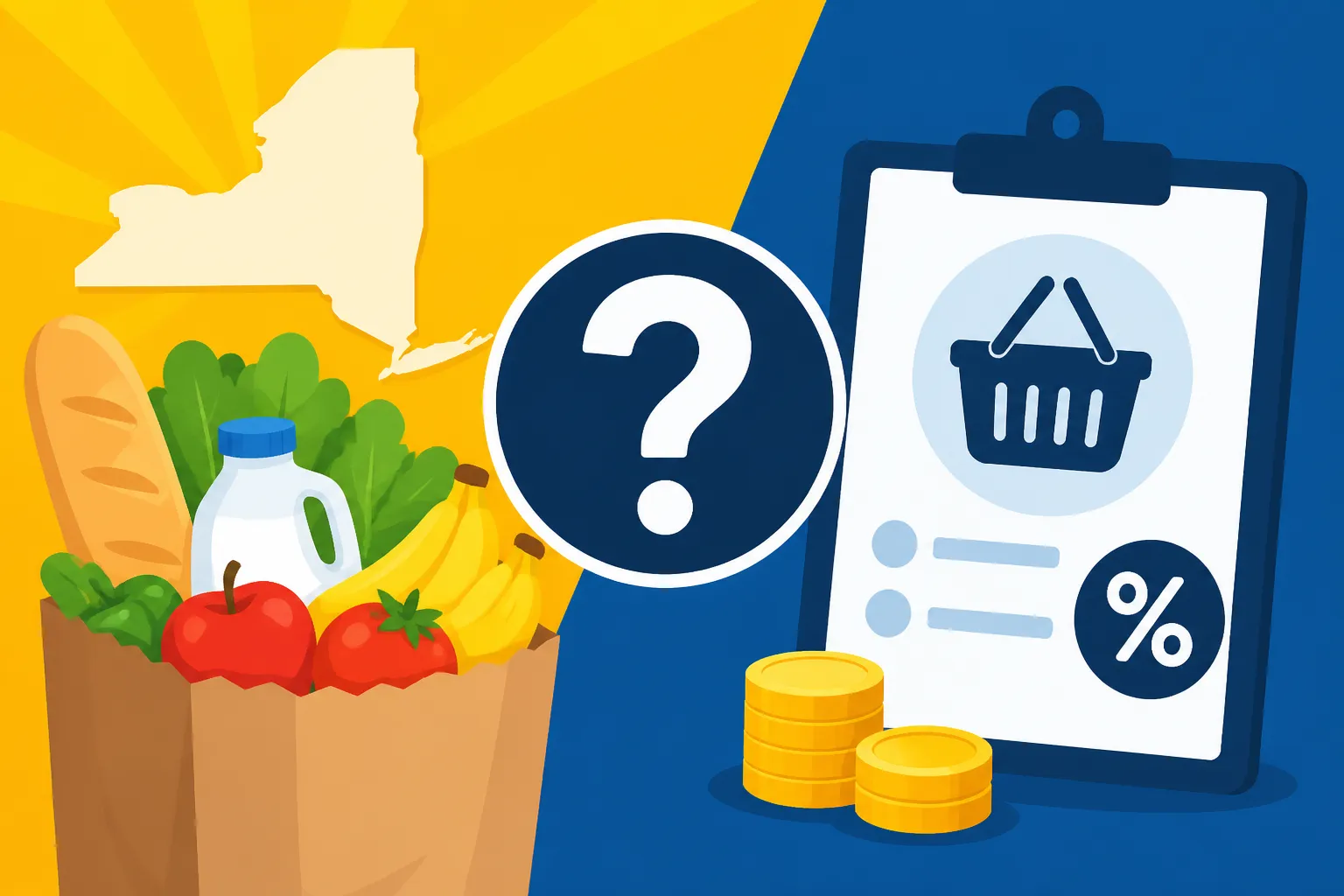
The Core Question: Are Groceries Taxable in New York?
Let's cut right to it, because this is often where the confusion begins and ends for most people. New York State has a pretty clear stance on groceries: most of your essential food items are generally exempt from sales tax. This is a common policy across many states, designed to keep basic necessities affordable for everyone. However, like a delicious cake with a secret ingredient, there are always layers of exceptions that make things interesting.
The General Rule: Most Unprepared Groceries are Exempt
When you head to your local supermarket in New York, whether it's a big chain like Wegmans or a smaller independent grocer, the vast majority of your purchases from the shelves are going to be sales tax-free. Think about the staples: fresh fruits and vegetables, raw meats, poultry, and fish, eggs, milk, bread, pasta, canned goods, frozen vegetables, and cereals. These are all considered "food products for home consumption" and are typically exempt from New York sales tax.
The key here is "unprepared" and "for home consumption." This means you're buying ingredients that you'll take home and cook or prepare yourself. For example, a gallon of milk to pour over your cereal, a bag of apples for snacks, a package of ground beef for tacos, or a loaf of artisan bread to slice for dinner – these are all considered non-taxable grocery items. The state aims to ensure that families can afford to put food on the table without an added tax burden. This exemption is a huge relief for household budgets, as it applies to everything from your morning coffee beans (not the prepared cup, mind you!) to the spices you use for cooking.
Where the Tax Kicks In: New York's Definition of "Prepared Food"
Now, this is where it gets tricky, and where many a shopper has been caught off guard. While most raw groceries are exempt, New York draws a very distinct line when it comes to "prepared foods" or items meant for "immediate consumption." These categories are generally subject to sales tax, just like any other tangible personal property.
Here's how New York defines items that usually are subject to sales tax:
- Hot or Heated Food Products: If the food is sold hot or is heated by the vendor for your purchase, it's taxable. Think about that rotisserie chicken sizzling under the heat lamp, a hot cup of coffee, or a bowl of soup from the deli. Even if you're taking it home, the fact that it was sold hot makes it taxable.
- Food Sold for On-Premises Consumption: Any food or drink purchased to be eaten in the establishment where it's sold is taxable. This includes restaurants, cafes, food courts, and even grocery stores that have a designated eating area. If you grab a salad and sit down at a table in the grocery store cafe to eat it, that salad is taxed. This is similar to how sales tax works for restaurant meals, where the entire bill is usually subject to sales tax.
- Food Sold with Eating Utensils: This is a big one that often surprises people. If a vendor provides you with eating utensils – like a fork, spoon, knife, or even a napkin – along with your food item, it typically becomes taxable. This implies the food is meant for immediate consumption, even if it's cold. A pre-packaged salad kit that includes a fork, or a sandwich wrapped with a napkin, can fall into this category.
- Sandwiches, Salads, and Specific Ready-to-Eat Items: Even if cold and without separate utensils, items like pre-made sandwiches, salads from a salad bar, and platters are generally taxable, especially when sold by establishments that primarily sell prepared foods.
- Certain Beverages: While milk and plain water are usually exempt, carbonated beverages, sodas, and juice drinks containing less than 70% natural fruit juice are typically taxable. Flavored bottled waters also often fall into the taxable category. This can be a real head-scratcher when you're comparing a bottle of plain spring water (exempt) to a sparkling raspberry-flavored water (taxable).
- Candy and Confectionary Items: New York generally considers candy, gum, and other confectionaries to be taxable items. This differs from some states that try to apply a "flour test" to determine if a candy bar has enough flour to be considered a "food" item. In New York, it's usually simpler: if it's candy, it's taxed.
Understanding these distinctions is crucial, whether you're a shopper trying to budget or a business owner trying to ensure your POS system correctly applies sales tax. The difference between buying a whole roast chicken (taxable if hot) and an uncooked whole chicken (exempt) might seem small, but it's a critical distinction in the eyes of New York's tax laws. For more details on what other items might be taxable, you might find our guide on Is Candy Taxable? The Flour Test Explained helpful, even though New York's approach is often more direct.
Navigating the Nuances: Common Scenarios and Confusing Items
The general rules are a good starting point, but the real world throws a lot of curveballs. Let's delve into some common scenarios that tend to trip up both consumers and businesses. It's often these gray areas that lead to frustration and confusion at the checkout.
The "Candy and Soda" Distinction
This is a classic source of confusion nationwide, and New York is no exception. While most basic groceries are exempt, items that are often perceived as snacks or indulgences rather than nutritional staples typically face sales tax.
- Candy: In New York, almost all candy and confectionery items are subject to sales tax. This means your chocolate bars, gummy bears, hard candies, and even many types of granola bars or snack cakes will have tax added to their price. The state doesn't generally get into the intricate "flour test" that some other states use to classify candy versus food. If it looks like candy and tastes like candy, it's probably taxed as candy. This can be a bit surprising when a plain cookie might be exempt if sold in a multi-pack from the bakery aisle, but a single candy bar is taxed.
- Soda and Sugary Drinks: Most carbonated beverages and fruit drinks that contain less than 70% natural fruit juice are also taxable in New York. This includes your favorite colas, lemon-lime sodas, and many sweetened iced teas or sports drinks. The reasoning here is similar to candy – these are seen as non-essential items. Conversely, a pure fruit juice with 70% or more natural juice, milk, or unsweetened coffee/tea (sold cold in a carton) would typically be exempt. It’s a very fine line, and often depends on the ingredient list and how the product is marketed. Our article on Is Soda Taxable? Soft Drink Sales Tax goes into more detail on how these products are treated.
Imagine you're grabbing a quick lunch. A bottle of plain water and a bag of chips might be exempt, but swap that water for a soda, and suddenly you're paying tax. It’s these small, everyday choices that often reveal the intricacies of sales tax laws.
Prepared Foods vs. Components: The Deli Counter Dilemma
The deli counter is a prime example of where the "prepared food" rules truly shine, or perhaps, confound. It's a place where you can get both exempt ingredients and taxable ready-to-eat meals, sometimes within inches of each other.
- Exempt Components: If you're buying sliced deli meat, cheese, or even a whole roasted chicken that has cooled down and isn't sold with utensils, these could be exempt. You're essentially buying ingredients that you'll use to make a sandwich or meal at home. For instance, a pound of sliced turkey breast or a block of cheddar cheese from the deli counter is typically not taxed.
- Taxable Prepared Items: However, if you order a custom-made sandwich, a hot slice of pizza, a prepared salad from the salad bar, or that same roasted chicken while it's still hot under the lamp and intended for immediate consumption, it's generally taxable. The act of preparing it for you, selling it hot, or indicating it's ready-to-eat with utensils transforms it from an "exempt grocery" into a "taxable prepared food."
Consider a hypothetical: You buy a container of pasta salad from the cold section of a grocery store. If it's just a bulk item, no utensils, intended to be portioned at home, it might be exempt. But if it's a single-serving container with a fork tucked into the lid, or sold from a deli bar designed for grab-and-go lunches, it's almost certainly taxable. This distinction is vital for businesses to get right on their point-of-sale systems, as a misclassification can lead to headaches during an audit.
Restaurant Meals and Takeout: Always Taxable
This one is usually less confusing, but it's important to reaffirm. Anytime you're eating at an establishment primarily focused on serving prepared meals, whether you dine in, take it to go, or have it delivered, the entire bill for the food and beverages is subject to sales tax.
This applies to:
- Traditional Restaurants: From fine dining establishments to casual diners, your meal will always be taxed.
- Fast Food Chains: Burgers, fries, chicken nuggets, and the drinks that go with them are all taxable.
- Cafes and Coffee Shops: Your morning latte, pastry, or breakfast sandwich is subject to sales tax. Even if you just get a black coffee, because it's prepared and consumed on-premises or for immediate takeaway, it's taxed.
- Food Trucks and Stalls: Any prepared food sold from these vendors will also include sales tax.
Essentially, if the primary purpose of the establishment is to sell you something ready to eat and consume, it's going to be taxed. This is different from a grocery store where the primary purpose is to sell raw ingredients for home preparation. The sales tax rate applied will be the New York Sales Tax Rate (4% + Local) for that specific location, which can vary widely. For example, the NYC Sales Tax Rate (8.875%) Explained shows how local taxes add to the state rate.
Exceptions and Special Cases in New York
Just when you think you have a handle on it, there are always a few specific scenarios or items that fall outside the main categories. These exceptions are often in place for very specific policy reasons, like supporting low-income families or distinguishing between different product types.
Food Stamps and WIC: Exempt from Sales Tax
One of the most significant and universal exemptions related to food purchases nationwide, including in New York, involves government assistance programs. Purchases made with benefits from the Supplemental Nutrition Assistance Program (SNAP), commonly known as food stamps, or the Special Supplemental Nutrition Program for Women, Infants, and Children (WIC), are entirely exempt from sales tax.
This means that if an individual uses their SNAP EBT card to buy groceries, even if an item would ordinarily be subject to sales tax (like a candy bar or a taxable beverage), it becomes tax-free at the point of sale. This is a critical provision designed to maximize the purchasing power of these benefits for low-income individuals and families, ensuring they can acquire essential food items without an additional financial burden. Retailers' point-of-sale systems are typically programmed to automatically recognize and apply this exemption when an EBT card is used for payment.
Dietary Supplements and Over-the-Counter Drugs
This category often confuses consumers because some items seem "food-like" but are regulated differently. In New York, the distinction between food, medicine, and supplements can impact sales tax.
- Dietary Supplements: Generally, dietary supplements, such as vitamins, protein powders, and herbal supplements, are subject to sales tax in New York. They are not typically classified as "food products for home consumption" or as "prescription medicines" for sales tax purposes. So, if you're picking up a bottle of multivitamins or a container of whey protein, expect to pay sales tax on it. This is a common treatment across many states, viewing these items as distinct from groceries.
- Over-the-Counter Drugs: Similarly, most over-the-counter (OTC) medications, like pain relievers, cold and flu medicines, or antacids, are also subject to sales tax. To be exempt, a drug generally needs to be dispensed by prescription. Therefore, while you might find a pain reliever in the same store as your groceries, its tax treatment is different. Our guide on Are Dietary Supplements & OTC Drugs Taxable? provides a broader perspective on this complex area.
It's a subtle but important difference: even if you consume supplements orally, they aren't treated the same as a carton of milk or a loaf of bread in the eyes of New York's tax authority.
Practical Tips for Shoppers and Businesses in New York
Navigating the ins and outs of sales tax on groceries in New York can be a bit like playing detective. For shoppers, it means being vigilant; for businesses, it demands precision and careful implementation.
For Shoppers: How to Spot the Tax
As a consumer, being aware of these distinctions can save you a few cents here and there, and more importantly, help you understand your receipt.
- Scrutinize Your Receipts: Always glance at your grocery receipt. You'll often see distinct line items for taxable goods versus non-taxable goods. If something looks off, don't hesitate to ask a cashier or customer service representative for clarification. Sometimes, an item might be miscategorized in the system.
- Understand Store Layouts: Often, stores group taxable prepared foods together. The deli counter, hot food bar, and coffee station are usually separate from the aisles with shelf-stable groceries for a reason. Learning these common divisions can give you a clue about what to expect regarding tax.
- Watch for "Meal Deals" and Bundles: If a grocery store offers a "meal deal" that combines a taxable item (like a hot sandwich) with an otherwise exempt item (like a bag of chips and a non-taxable drink), the entire bundle might become taxable, or at least the taxable component will be clearly delineated.
- Self-Checkout Savvy: While convenient, self-checkout can sometimes lead to mistakes if items aren't correctly scanned or identified. If you accidentally ring up a hot rotisserie chicken as a cold, uncooked one, the sales tax might not be applied. While this might seem like a "win" in the moment, it's technically incorrect, and the store is on the hook for under-collecting.
Ultimately, the best approach for shoppers is awareness. Knowing the rules empowers you to make informed decisions and ensures you're paying what's legally required, no more, no less.
For Businesses: Ensuring Compliance
For grocery store owners, deli managers, or even small corner stores, sales tax compliance for food items in New York is a significant operational challenge. Getting it wrong can lead to serious headaches, including penalties and audits from the New York State Department of Taxation and Finance.
- Point-of-Sale (POS) System Configuration: This is absolutely critical. Your POS system must be accurately programmed to distinguish between taxable and non-taxable food items based on New York's specific definitions. This includes identifying hot foods, prepared meals, certain beverages, and candy. Regular updates to product codes and tax rules are essential, especially since How Do Sales Tax Rate Changes Take Effect? often involves new categories or interpretations.
- Staff Training: Cashiers and deli staff are on the front lines. They need comprehensive training to understand the nuances of what's taxable. They should know, for example, that a fresh-baked, unsliced loaf of bread is exempt, but a hot bagel with cream cheese is taxable. Consistency is key across all employees.
- Clear Signage: While not legally required for every item, clear signage can help both customers and staff. Indicating which items are subject to sales tax, especially in areas like the deli or hot bar, can reduce customer confusion and streamline the checkout process.
- Leveraging Technology: Given the complexity, many businesses, especially those with high transaction volumes and diverse product offerings, turn to automated sales tax solutions. Platforms like Avalara specialize in keeping up with the ever-changing sales tax rates and rules across different jurisdictions, including the granular distinctions for food items in New York. Integrating such a system can reduce manual errors, automate calculations, and simplify the filing process. For multi-state sellers, using a robust Best Sales Tax Compliance Software 2027 is almost a necessity.
- Regular Audits and Review: Even with the best systems, periodic internal audits of product coding and tax collection practices are smart. States like New York are vigilant about sales tax, and proactive compliance is always better than reactive damage control after an audit. Remember, businesses are responsible for collecting and remitting sales tax to the state, and any under-collection can come out of their pocket. Our guide on How to File a Sales Tax Return: Step by Step offers a deeper dive into the filing process.
| Category | Example Items | New York Sales Tax? | Notes |
|---|---|---|---|
| Exempt Groceries | Fresh fruits & vegetables, raw meat, poultry, fish, eggs, milk, bread, pasta, canned goods, frozen meals. | No | Unprepared food products for home consumption. Basic staples. |
| Prepared Foods | Hot rotisserie chicken, deli sandwiches, salads from a bar (especially with utensils), hot coffee, soup. | Yes | Food sold hot, for immediate consumption, or with eating utensils. |
| Specific Beverages | Soda, carbonated drinks, juice drinks with <70% natural fruit juice, flavored bottled water. | Yes | Exceptions: plain bottled water, milk, 100% juice, unsweetened coffee/tea (cold, in cartons) are generally exempt. |
| Candy/Confections | Chocolate bars, gum, gummy candies, most snack cakes. | Yes | Generally considered non-essential and taxable, regardless of ingredients. |
| Restaurant/Takeout | Any meal from a restaurant, fast food, cafe, food truck (dine-in, takeout, delivery). | Yes | Entire bill is typically taxable. |
| Special Exemptions | Groceries purchased with SNAP (Food Stamps) or WIC benefits. | No | Federal programs override state sales tax on eligible food purchases. |
| Non-Food Items | Dietary supplements (vitamins, protein powder), over-the-counter drugs (pain relievers, cold medicine). | Yes | Not classified as food or prescription medicine for tax purposes. |
Getting groceries taxed right in New York is definitely a nuanced business. But with a bit of knowledge and the right tools (especially for businesses), it's a manageable challenge.
Disclaimer
Please remember that sales tax laws are subject to change, and specific interpretations can vary. This guide provides general information based on current New York State tax regulations. For precise advice tailored to your individual situation or business, it's always recommended to consult with a qualified tax professional or refer to the official New York State Department of Taxation and Finance resources.