What Items Are Exempt From Sales Tax?
It’s a tale as old as time, or at least as old as sales tax itself: you’re checking out, see the total, and then notice that sometimes sales tax gets added, and sometimes… it just doesn’t. Why is that? The patchwork of state and local sales tax rules can be incredibly confusing, leaving many business owners and consumers scratching their heads. This guide will walk you through the most common items and situations where sales tax exemptions apply, helping you understand the "whys" behind these often-mystifying differences.
The Big Picture: Why Some Items Are Sales Tax Exempt
It might seem arbitrary at first glance, but there's often a method to the madness of sales tax exemptions. States and local jurisdictions don't just randomly decide what to tax and what not to. These decisions are usually driven by specific policy goals, ranging from social welfare to economic development. Understanding these underlying reasons can help demystify the rules a bit.
Easing the Burden on Essentials
One of the most common reasons you'll find certain items exempt from sales tax is a desire to reduce the financial burden on everyday consumers, especially when it comes to necessities. Imagine trying to feed a family on a tight budget if every single grocery item had a sales tax tacked on. It adds up quickly!
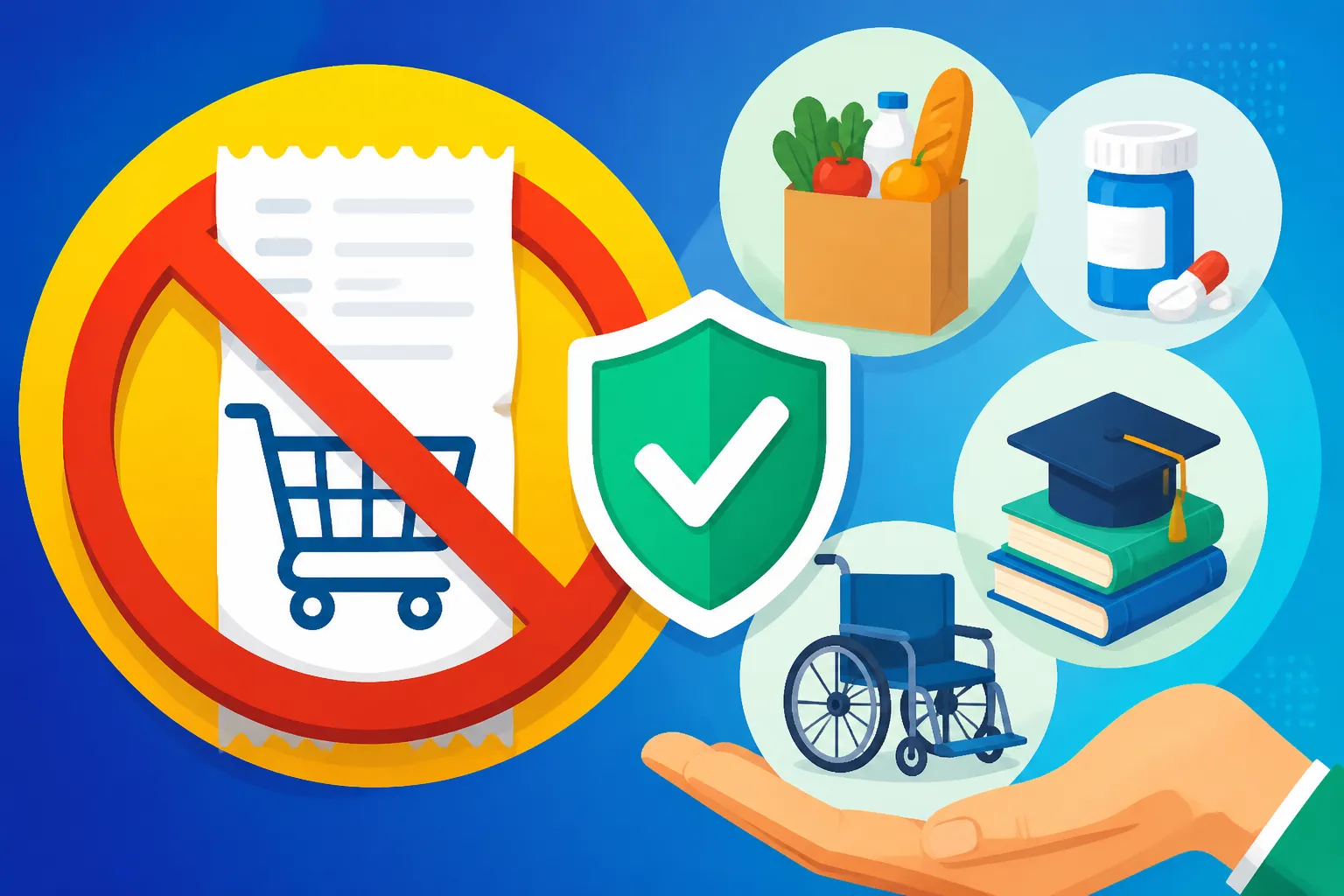
Many states choose to exempt basic food items, for example, to make them more affordable for everyone, particularly low-income families. The idea is that these are things people need to survive, not luxuries. Similarly, prescription medicines and certain medical devices are often exempt because access to healthcare shouldn't be made more expensive by taxation. These exemptions reflect a social policy choice: governments want to ensure that fundamental goods and services remain as accessible as possible without additional financial hurdles, even if it means foregoing a portion of potential tax revenue.
Promoting Specific Industries or Activities
Beyond helping consumers, sales tax exemptions are also frequently used as economic tools to encourage growth in particular sectors. States want thriving businesses that create jobs, and one way to incentivize that is through tax breaks on certain purchases. For instance, many states offer sales tax exemptions on manufacturing equipment. The logic here is that if a manufacturer can purchase machinery or raw materials without incurring sales tax, they have more capital to invest in expansion, hire more employees, and increase production, which ultimately benefits the state's economy.
The same often applies to the agricultural sector. Farmers are the backbone of many communities, and states frequently provide exemptions for farm equipment, seeds, feed, and other agricultural inputs. This support aims to keep farming operations viable and productive, ensuring a stable food supply and a healthy rural economy. These kinds of exemptions are a strategic way for states to nurture vital industries and ensure their long-term sustainability.
Avoiding Double Taxation and Supporting Resellers
One of the fundamental principles of sales tax is that it's meant to be applied only once, at the point of the final retail sale to the end consumer. If a business bought an item, paid sales tax on it, and then sold it to a customer who also paid sales tax, that would be double taxation, which isn't fair and complicates commerce.
This is where the concept of a "resale exemption" comes into play. If you're a business buying goods with the intent to resell them – whether you're a retailer stocking your shelves or a wholesaler selling to other businesses – you shouldn't pay sales tax on those purchases. Instead, you'll typically provide a resale certificate to your supplier. This certificate tells the supplier that you're buying the items for resale, and thus, they don't need to charge you sales tax. The sales tax will only be collected when you, the reseller, sell the item to its final consumer. It's a critical mechanism to keep the flow of goods efficient and prevent unnecessary tax burdens on the supply chain.
Common Categories of Sales Tax Exempt Items and the Nuances!
When we talk about sales tax exemptions, it's never as simple as a blanket statement. Every category has its own quirks and often significant state-by-state variations. What's exempt in one state might be fully taxable in its neighbor!
Groceries and Food Items
This is probably one of the most widely discussed and frequently misunderstood areas of sales tax exemptions. Most states recognize that basic groceries are essential, and as a result, many offer full or partial exemptions for them. However, the definition of "groceries" can get incredibly detailed.
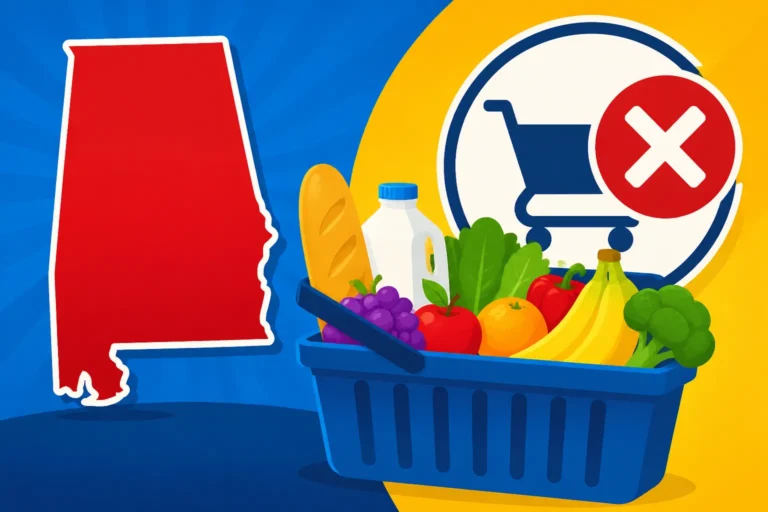
The general rule of thumb is that unprepared food items sold in grocery stores are often exempt. Think fresh produce, uncooked meat, pantry staples like flour and sugar, and dairy products. But once food becomes "prepared" for immediate consumption, it usually becomes taxable. For example, a hot rotisserie chicken from the grocery store deli, a salad from the salad bar, or a sandwich made to order would typically be taxed, whereas a bag of raw chicken, a head of lettuce, or a loaf of bread would not. The line blurs further with items like baked goods or grab-and-go meals. Some states might tax a donut if it's sold in a restaurant or bakery, but exempt it if it's pre-packaged and sold on a grocery store shelf. For a deeper dive into these distinctions, you can check out our guide on Sales Tax on Groceries & Food by State. It highlights how nuanced this can be, especially when you consider that a handful of states, like Mississippi and Alabama, still tax groceries at the full state sales tax rate.
Another common point of confusion is the "candy" and "soda" debate. Many states have specific definitions for these, often employing what's known as the "flour test." If a product contains flour (like a cookie), it's often considered a food item and exempt. If it doesn't (like a chocolate bar), it might be classified as candy and become taxable. The same goes for soda; most states tax it, distinguishing it from "food." Understanding these granular differences, often detailed in our The Candy Flour Test Explained article, is crucial for businesses selling a wide range of food products.
Prescription Medications and Certain Over-the-Counter Products
Generally speaking, prescription drugs are exempt from sales tax across all states. This is a pretty consistent exemption, rooted in the policy goal of making necessary medical treatments affordable. When you pick up your medications at a CVS or Walgreens, you won't typically see sales tax applied to your prescription items.
However, the world of over-the-counter (OTC) medications and other health-related products can be a minefield. While prescription drugs are universally exempt, OTC medicines are often taxable, much like any other retail good. But there are exceptions! Some states might exempt certain OTC items, especially if they are deemed "medical" in nature, such as bandages, crutches, or diabetic supplies, even if they don't require a prescription. The rules for dietary supplements are also varied; some states treat them as food and exempt them, while others consider them taxable. It really depends on the specific state's definition of "medicine" or "food." Our guide on Are Dietary Supplements & OTC Drugs Taxable? provides more insight into these tricky classifications.
Clothing and Apparel
When it comes to clothing, this is where state-specific variations become extremely noticeable. Many states tax clothing just like any other tangible personal property. However, a significant number of states offer full or partial exemptions.
For example, states like Pennsylvania, New Jersey, and Minnesota generally exempt most clothing items from sales tax altogether. This means whether you're buying a t-shirt or a winter coat, you won't pay sales tax on it. Other states have specific rules or thresholds. New York, for instance, exempts clothing and footwear priced under $110 per item. So, if you buy a pair of jeans for $100, it's tax-free, but if you buy a designer dress for $150, the entire amount is taxed. Massachusetts has a similar rule, exempting clothing items under $175. These thresholds can make things quite complicated for retailers, especially if a customer buys multiple items that individually fall below the limit but collectively exceed it. It’s always best to consult our comprehensive guide on Is Clothing Taxable? Sales Tax on Apparel by State or more specific articles like Is Clothing Taxable in New York? ($110 Rule) and Is Clothing Taxable in Pennsylvania? (Exempt) to understand the exact rules for your state.
Services
The taxability of services is another area that varies wildly across the country, but generally, most states distinguish between tangible goods and services. The default in many states is that services are not taxable unless specifically enumerated by state law. This is often a relief for service-based businesses, as it simplifies their tax obligations somewhat.
However, this isn't always the case. Some states do tax specific types of services. For instance, services related to taxable goods, like repair labor for an appliance, might be taxable in some jurisdictions, especially if the labor isn't separately stated from the parts. Professional services, such as legal or accounting fees, are typically exempt, but things like landscaping services, tanning salon visits, or car wash services might be taxed in certain states. It’s a complex area, and what's taxable can change, so knowing the specifics for your particular state is paramount. Our resource on Sales Tax on Services: What's Taxable by State is a great starting point for understanding these differences.
Digital Products and Software
This is perhaps the fastest-evolving category in sales tax. In the age of digital downloads, streaming, and Software-as-a-Service (SaaS), states are constantly trying to adapt their old sales tax laws, which were written for tangible goods, to fit new technologies. The result is a highly inconsistent landscape.
Many states now consider certain digital products taxable, especially if they are transferred electronically and would be taxable if sold in a tangible format. This can include e-books, music downloads, movies, or even digital photographs. For businesses offering SaaS, the rules are even more convoluted. Some states, like Texas, have a "true object" or "80% rule" for software, while others like New York and Washington specifically tax SaaS. Still, others consider SaaS a service and thus exempt it. It's truly a state-by-state, and sometimes even product-by-product, determination. Businesses dealing with digital products and software need to be incredibly diligent in tracking these ever-changing laws. For more detailed information, exploring articles like Digital Products Sales Tax by State or Is SaaS Taxable? Software-as-a-Service by State is highly recommended.
Understanding Exemptions for Businesses and Special Groups
Beyond consumer-facing exemptions on everyday items, there are significant sales tax exemptions designed to help businesses and specific organizations operate more effectively. These are often conditional and require proper documentation to utilize.
Resale Certificates and Wholesalers
If you're a business that buys goods to resell them, you generally don't pay sales tax on those purchases. This is handled through the use of a resale certificate (sometimes called a reseller permit, seller's permit, or certificate of authority, depending on the state). When you provide a valid resale certificate to your vendor, it signals that you are buying the items for the purpose of reselling them to an end consumer, who will then pay the sales tax. This prevents "tax on tax" in the supply chain.
For instance, if you own a boutique and buy clothing wholesale from a distributor, you'll present your resale certificate. The distributor won't charge you sales tax. When you then sell that clothing to your customers, you'll collect sales tax from them. It's crucial for businesses to properly obtain, manage, and provide these certificates to ensure they are not unnecessarily paying sales tax on their inventory. Each state has its own specific form and requirements for resale certificates. Our Resale Certificate by State: Complete Guide provides an excellent overview, and for California businesses, specifically, our How to Use a Resale Certificate (Form CDTFA-230) article offers targeted advice.
Nonprofit Organizations and Government Entities
Many states provide sales tax exemptions for qualified nonprofit organizations and government entities. This is a way for states to support organizations that serve the public good, whether through charitable work, educational initiatives, or essential public services.
For a nonprofit to be sales tax exempt, they typically need to apply to the state's tax department and receive an exemption certificate or a specific tax ID number. This certificate then allows them to make purchases free of sales tax, provided the purchases are made for the organization's exempt purposes. Similarly, federal, state, and local government agencies are generally exempt from paying sales tax on their purchases. This means when a school district buys new textbooks or a municipal department purchases office supplies, they usually don't have to pay sales tax. These exemptions reduce the operational costs for these vital organizations, allowing them to allocate more resources directly to their missions. Our guide on Nonprofit & Government Sales Tax Exemptions can provide more specific details on how these exemptions work.
Manufacturing and Agricultural Exemptions
To foster economic growth and support critical industries, many states offer specific sales tax exemptions for manufacturers and agricultural businesses. These exemptions typically apply to items directly used in the production process or agricultural activities.
For manufacturers, this often means that machinery, equipment, raw materials, and even utilities (like electricity or natural gas) consumed directly in the manufacturing process can be purchased sales tax-free. The idea is to make it cheaper for manufacturers to invest in their facilities, innovate, and create jobs. For example, a company producing plastic bottles might not pay sales tax on the plastic pellets, the molding machines, or the electricity used to run those machines. Our Manufacturing Sales Tax Exemption by State resource explains the nuances. Similarly, agricultural exemptions typically cover items like tractors, irrigation systems, seeds, fertilizers, livestock feed, and certain chemicals used in farming. These exemptions are designed to reduce the overhead for farmers, helping to ensure the profitability and sustainability of agricultural operations. You can learn more about these specific exemptions in our Agricultural Sales Tax Exemption by State guide.
Navigating the Complexities of Sales Tax Exemptions
Given the sheer volume of rules and the constant changes, dealing with sales tax exemptions can feel like trying to hit a moving target while blindfolded. It's a significant compliance challenge for businesses, and even consumers can get caught unaware.
State-by-State Variations Are Key
Perhaps the most frustrating aspect of sales tax exemptions is the lack of uniformity across the United States. There isn't a single, universal list of exempt items that applies everywhere. Each of the 45 states that imposes a statewide sales tax (plus Alaska, which has local sales taxes but no state tax), along with countless local jurisdictions, sets its own rules. What's exempt in California might be fully taxable in Texas, and vice versa. Even within a state, local rules can add another layer of complexity.
For businesses operating in multiple states, this presents a monumental challenge. Tracking every single state's definition of "food," "clothing," "software," or "service," not to mention the specific thresholds and documentation requirements for exemptions, can consume an enormous amount of time and resources. This is why having up-to-date information, like that found in Sales Tax Rates by State 2026: All 50 States, is critical. Trying to manually keep tabs on all these regulations is nearly impossible for even medium-sized businesses, highlighting the need for robust solutions.
Sales Tax Holidays: Temporary Exemptions
To provide temporary relief to consumers and boost retail sales, many states periodically offer "sales tax holidays." These are specific periods, usually a weekend or a week, during which certain items can be purchased free of sales tax. The most common sales tax holidays are "Back-to-School" events, where items like clothing, footwear, school supplies, and sometimes even computers are exempt up to a certain price limit. For example, Texas has a popular back-to-school tax-free weekend, and Florida often extends its holiday throughout August for school supplies and emergency preparedness items.
Some states also offer exemptions for specific categories like energy-efficient appliances or severe weather preparedness items at different times of the year. These holidays can offer significant savings for shoppers, but they also require retailers to adjust their point-of-sale systems to correctly apply the exemptions only during the specified dates and for qualifying items and price points. Keeping track of these can be another moving part in the sales tax puzzle. Our Sales Tax Holidays by State 2026: Full Calendar and Tax-Free Weekend Back-to-School Guide 2026 provide comprehensive calendars and details.
How Technology Helps Identify Exemptions
Given the mind-boggling complexity of sales tax rules and exemptions, especially for businesses selling across state lines or a wide variety of products, relying on manual processes is simply not sustainable. This is where modern sales tax compliance software truly shines. These platforms are designed to automate the process of calculating sales tax, applying the correct rates, and, critically, identifying applicable exemptions in real-time.
Companies like Avalara offer solutions that integrate directly with your e-commerce platform, accounting software, or ERP system. When a customer makes a purchase, the software analyzes the product type, the shipping and billing addresses, and the specific rules of the relevant state and local jurisdictions. It then automatically determines if an item is exempt from sales tax – for example, a food item in a state that exempts groceries, or a clothing item below a certain threshold in New York. If a business customer provides an exemption certificate (like a resale certificate), these systems can often manage and validate those as well, ensuring that the correct tax status is applied. This automation drastically reduces the risk of errors, saves countless hours, and helps businesses stay compliant without having to become sales tax experts themselves.
Common Sales Tax Exemptions at a Glance
To give you a quick overview, here's a table summarizing some of the most common categories of sales tax exemptions and where they often apply:
| Exemption Category | Typical Scope | State Variability | Examples of States with Exemptions/Specific Rules |
|---|---|---|---|
| Groceries/Food | Unprepared food for home consumption | High | Most states exempt; AL, MS, SD, ID tax at full rate; IL eliminating grocery tax in 2026 |
| Prescription Drugs | All prescription medications | Low (almost universal) | All states with sales tax |
| OTC Medicine | Limited to certain medical supplies, specific OTC drugs | Moderate | Some states exempt certain medical devices or specific OTCs |
| Clothing | Depends on item type or price thresholds | High | PA, NJ, MN (generally exempt); NY (under $110); MA (under $175) |
| Services | Typically exempt unless specifically enumerated | Very High | Most states exempt general services; some tax specific services (e.g., landscaping) |
| Digital Products | E-books, music downloads, streaming; varies widely | Very High | Some states tax; some consider exempt (e.g., WA taxes, CA often exempts) |
| SaaS | Software-as-a-Service | Very High | TX (80% rule); NY, WA (taxable); many others exempt |
| Resale Purchases | Goods purchased by businesses for resale | Low (universal via certificates) | All states (requires valid resale certificate) |
| Nonprofit Purchases | Purchases by qualifying nonprofit organizations for exempt purposes | Moderate | Most states offer exemptions upon application |
| Government Purchases | Purchases by federal, state, and local government entities | Low (mostly universal) | All states |
| Manufacturing | Machinery, equipment, raw materials used in production | High | Most states offer some form of exemption to incentivize industry |
| Agriculture | Farm equipment, seeds, feed, fertilizers | High | Most agricultural states offer exemptions to support farmers |
| Sales Tax Holidays | Specific items (clothing, school supplies) during designated periods | Moderate | TX, FL, TN, SC, MA (seasonal events) |
Disclaimer
The information provided in this guide is for general informational purposes only and does not constitute tax advice. Sales tax laws are complex, constantly changing, and vary significantly by state and local jurisdiction. You should consult with a qualified tax professional or the appropriate state tax authority to determine your specific sales tax obligations and exemptions.