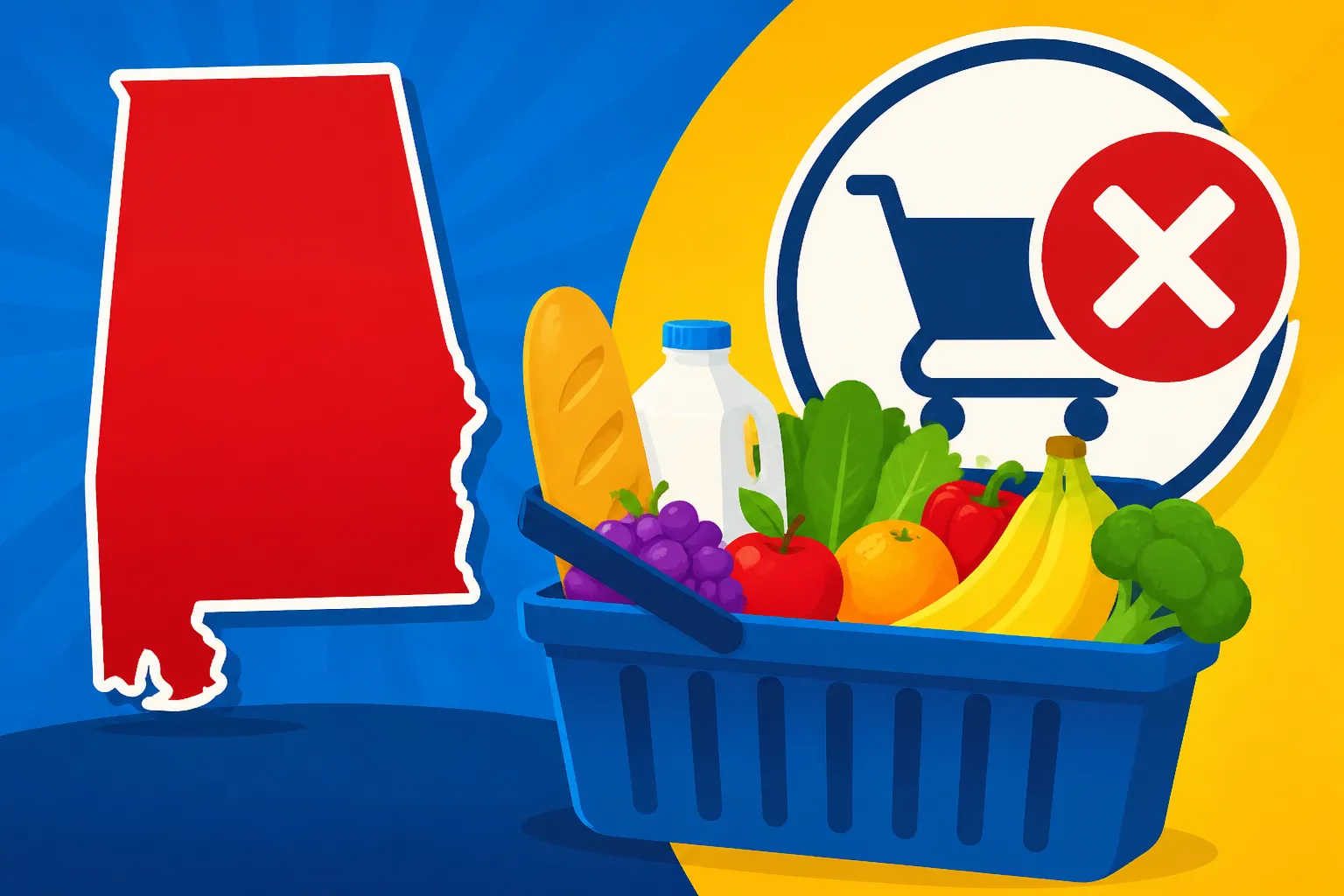
Sales Tax on Groceries in Alabama
Trying to figure out how sales tax applies to your grocery bill in Alabama can feel like navigating a maze blindfolded. Just when you think you have a handle on it, something shifts, leaving you wondering if you're paying too much or if your local store is charging correctly. It's a common headache for shoppers and an even bigger challenge for businesses. This comprehensive guide will walk you through the nuances of sales tax on groceries in the Yellowhammer State, breaking down the state's recent changes and explaining how local rates still play a significant role.
Alabama's Evolving Approach to Grocery Sales Tax
For years, Alabama was one of the few states that charged the full state sales tax rate on groceries, alongside most other tangible goods. This often hit lower-income families harder, as food is a necessity, not a luxury. The frustration was palpable among residents, and there was a consistent call for change. Thankfully, the state legislature listened, and recent years have brought about a much-anticipated shift, though not without its own set of complexities.
The "Lowering the Sales Tax on Food Act"
In 2023, Alabama finally passed the "Lowering the Sales Tax on Food Act" (Act 2023-278), a landmark piece of legislation aimed at easing the burden on consumers. This act didn't eliminate sales tax on food entirely, but it set a clear path for reducing the state portion of the sales tax rate on certain food items. It was a significant step, signaling a recognition from the state government that groceries should be treated differently than, say, a new pair of shoes or a television. This change has been welcomed, but understanding the phase-out schedule is crucial.
The act outlined a gradual reduction of the state's 4% sales tax rate on food. The initial reduction took effect on September 1, 2023, lowering the state rate on food from 4% to 3%. A further reduction to 2% is contingent upon revenue growth thresholds being met in future fiscal years. It's not a complete exemption, like you'd find in States With No Sales Tax (NOMAD Explained), but it's a move in the right direction. For businesses, this means adjusting point-of-sale systems and staying vigilant about future announcements regarding further rate decreases.
Why Not a Full Exemption?
Many states, like Florida or Pennsylvania, have long exempted most groceries from state sales tax entirely. So, why did Alabama opt for a phased reduction instead of a full exemption? The primary reason often boils down to state revenue. Sales tax is a massive contributor to Alabama's general fund, funding essential services like education, infrastructure, and public safety. Completely eliminating the tax on groceries would create a substantial hole in the budget, potentially leading to cuts in these critical areas or necessitating new taxes elsewhere. The phased approach allows the state to mitigate the financial impact while still providing relief to its citizens, albeit at a slower pace than some might desire.
This nuanced approach highlights the delicate balance states must strike between generating revenue and ensuring tax fairness for their residents. The conversation around Sales Tax on Groceries & Food by State is always complex, with each state trying to find its own equilibrium.
Defining "Food" for Sales Tax Purposes
When we talk about "groceries," what exactly are we referring to in the eyes of Alabama sales tax law? It's not always as straightforward as you might think. The state generally aligns with the federal food stamp program's definition, but there are important distinctions, especially when it comes to prepared meals or items commonly found in grocery stores that aren't considered food.
Staple Groceries vs. Prepared Foods
The reduced state sales tax rate in Alabama applies primarily to what are often called "staple groceries." Think of the items you'd buy to prepare a meal at home: fresh produce, raw meat, dairy products, bread, canned goods, pasta, and ingredients for cooking. These are the items that were historically subject to the full 4% state rate and are now benefiting from the reduction.
However, the definition gets tricky with prepared foods. Items sold hot or ready-to-eat from a grocery store's deli, bakery, or prepared foods section are generally still subject to the full, standard state sales tax rate, plus any applicable local taxes. For example, a whole rotisserie chicken purchased hot and ready to eat would likely be taxed at the full rate, while a raw chicken you take home to cook would qualify for the reduced rate. Similarly, a sandwich made fresh at the deli counter is usually taxed at the higher rate, but a loaf of bread and a package of deli meat purchased separately would qualify for the reduced rate. This distinction is vital for both consumers checking their receipts and businesses configuring their POS systems.
Non-Food Items Purchased at Grocery Stores
It's easy to forget that grocery stores sell more than just food. Think about paper towels, cleaning supplies, toiletries, pet food, magazines, and over-the-counter medications. These items, even when purchased within a grocery store, are not considered "food" under the sales tax laws. Therefore, they remain subject to the full state sales tax rate (currently 4%) and all applicable local sales taxes.
This means a single shopping trip to your local Publix or Piggly Wiggly could involve items taxed at three different rates: the reduced state rate for staple groceries, the full state rate for prepared foods, and the full state rate for non-food items, all layered with varying local taxes. It’s no wonder people find this so confusing, and it truly emphasizes the importance of accurate classification at the point of sale.
The Lingering Impact of Local Sales Taxes
While the state of Alabama has made commendable efforts to reduce its sales tax on food, it's crucial to remember that local sales taxes are a separate beast entirely. This is where Alabama's sales tax structure gets particularly complicated, even for those accustomed to dealing with Combined State + Local Sales Tax Rates Explained.
Local Rates Remain Unchanged
The "Lowering the Sales Tax on Food Act" specifically targeted only the state portion of the sales tax on groceries. This means that county and city sales tax rates, which can be substantial in Alabama, still apply in full to all taxable items, including staple groceries. Many Alabama localities have sales tax rates that easily outstrip the state's 4% rate, making the local component a significant part of the overall tax burden. For instance, you might see a county with a 2% sales tax and a city with a 3% sales tax. These local rates are added on top of the state rate, and unlike the state rate, they are not reduced for groceries.
This is a key point of confusion for many. A shopper might hear about the reduced state grocery tax and assume their entire grocery bill will see a substantial tax cut. However, if they live in a place like Birmingham, where the combined local rate is high, the overall reduction might feel less impactful than expected. It's a clear example of why understanding Alabama Local Sales Tax (200+ Jurisdictions) is so critical.
Variation Across Jurisdictions
Alabama is notorious for its highly fragmented and complex local sales tax landscape. There are hundreds of taxing jurisdictions, including counties, cities, and special districts, each with the power to levy its own sales tax. This means that the total combined sales tax rate on groceries can vary dramatically from one town to the next, or even between adjacent neighborhoods if they fall under different city or county lines.
For example, a shopper in Vestavia Hills, a suburb of Birmingham, might pay a different total sales tax rate on their groceries than someone just a few miles away in downtown Birmingham, even though both are in Jefferson County. These local rates can fluctuate between 0% and up to 7.5% or more, resulting in some of the Which States Have the Highest Local Sales Tax? burdens in the country. This fragmented system creates a significant challenge for businesses operating across multiple Alabama locations or shipping products into the state. Calculating Sales Tax by ZIP Code (and Why ZIP Isn't Enough) often doesn't cut it when jurisdictions are so granular.
Here's a simplified look at how local rates can impact the total sales tax on staple groceries in Alabama:
| Jurisdiction Example | State Sales Tax on Groceries (2026 target) | County Sales Tax Rate | City Sales Tax Rate | Total Sales Tax on Groceries |
|---|---|---|---|---|
| State-only scenario | 2% (if fully phased) | 0% | 0% | 2% |
| Hypothetical City A | 2% (if fully phased) | 2% | 3% | 7% |
| Hypothetical City B | 2% (if fully phased) | 1% | 1% | 4% |
Note: The 2% state rate is an assumed target if revenue thresholds are met, current state rate is 3% as of late 2023. Local rates are illustrative and vary widely.
This table starkly illustrates that even with the state's reduced rate, the local component can make up the lion's share of the tax on groceries.
Practical Impact for Consumers and Businesses
The shifting and varied sales tax rates on groceries in Alabama have significant practical implications for both the people buying food and the businesses selling it. It's not just a matter of percentages on a spreadsheet; it affects daily life and operational costs.
Impact on Household Budgets
For consumers, the reduction in the state sales tax on groceries provides some relief, which is especially important for families struggling with rising food costs. Every percentage point saved on essential items like bread, milk, and fresh vegetables can add up over the course of a month, freeing up funds for other necessities. For a family spending $500 a month on staple groceries, a 1% reduction (from 4% to 3%) means saving $5 a month, or $60 a year. While it might not seem astronomical, for many, every dollar counts.
However, the continued application of full local sales tax rates means that the overall "tax break" isn't as dramatic as a full exemption would be. Shoppers still need to factor in their local rates when budgeting, and understanding their specific Alabama Sales Tax Rate 2026 is key. The burden is still heavier than in states with full grocery exemptions, but it’s a meaningful step towards fairness.
Challenges for Grocery Stores and Point-of-Sale Systems
For grocery store owners and operators, these changes and complexities present a substantial administrative burden. They must ensure their point-of-sale (POS) systems are accurately programmed to apply the correct state rate to eligible food items, the full state rate to prepared foods and non-food items, and the correct full local rates across all categories, all while continuously monitoring for potential future state rate changes.
Imagine a large grocery chain with dozens of locations across Alabama, each potentially in a different combination of county and city jurisdictions. Each store's POS system needs to be meticulously configured and updated. Misclassifying an item or applying an incorrect rate can lead to under-collection (meaning the business has to cover the difference to the state) or over-collection (leading to customer dissatisfaction and potential audits). This level of granular control and constant updates can be a logistical nightmare, underscoring why many businesses seek out specialized solutions.
Navigating the Complexities with Technology
Given the intricate web of state and local sales tax rates, especially when dealing with specific product categories like groceries, businesses in Alabama can find themselves overwhelmed. Manual calculations are prone to error and can consume valuable time and resources. This is where modern sales tax compliance software truly shines.
The Role of Sales Tax Automation Software
Sales tax automation software, like solutions offered by Avalara, is designed to handle these complexities with precision and efficiency. These systems integrate directly with a business's e-commerce platform, accounting software, or POS system to automatically calculate the correct sales tax at the time of transaction. They account for state, county, city, and even special district taxes, applying the appropriate rates based on the precise location of the sale and the taxability of the specific product being sold.
For Alabama businesses, this means the software can differentiate between staple groceries (applying the reduced state rate + full local rates), prepared foods (applying the full state rate + full local rates), and non-food items (full state + full local). This level of automation reduces the risk of human error, ensures compliance with ever-changing tax laws, and frees up staff to focus on other aspects of the business. Trying to manually keep track of the nuances of How to Calculate Sales Tax (Step by Step) for every single item and every single jurisdiction in Alabama is simply not feasible for most businesses.
Benefits Beyond Calculation
Beyond accurate real-time calculation, sales tax software offers a suite of other benefits that are particularly valuable in a state like Alabama. These include:
- Rate Monitoring: The software automatically tracks changes to state and local sales tax rates, ensuring your business is always applying the most current rates. This is especially important for Alabama, with its phased reduction on groceries and potential for future changes. This means businesses can stay on top of 2026 Sales Tax Rate Changes by State without constant manual research.
- Nexus Tracking: While not directly related to grocery taxability, many businesses struggle with understanding where they have sales tax nexus. Software can help track economic nexus thresholds, ensuring businesses register for permits only where legally required.
- Reporting and Filing: Once sales tax is collected, it needs to be remitted to the correct taxing authorities. Sales tax software can generate detailed reports and often automate the filing process, breaking down collections by jurisdiction and simplifying the entire return process. This makes the job of filing accurate returns much less stressful.
- Audit Trail: Should your business ever be audited, these solutions provide a comprehensive audit trail, demonstrating due diligence in sales tax collection and remittance.
For any business selling goods in Alabama, especially groceries, investing in reliable sales tax software is quickly becoming less of a luxury and more of a necessity for maintaining compliance and operational efficiency. Choosing the Best Sales Tax Compliance Software 2027 can make a world of difference.
Understanding Your Specific Local Rates
Since local rates play such a huge role in the final sales tax on groceries in Alabama, knowing your specific jurisdiction's rates is paramount. Relying solely on the state's general information won't give you the full picture.
Why Local Rates Matter So Much
As discussed, while the state rate on groceries has been reduced, local county and city rates still apply in full. This means that if your county has a 2% sales tax and your city has a 3% sales tax, that combined 5% is still added to the reduced state rate (currently 3%, moving to 2% if targets are met) on your staple groceries. This makes a huge difference on your total bill. In some areas, the combined local rate can be as high as 7.5%, meaning a total rate of around 10.5% (state 3% + local 7.5%) on groceries is possible, which is still quite significant.
This highly localized nature of sales tax in Alabama can be bewildering. A purchase made at a grocery store directly within the city limits of Montgomery will have a different combined rate than a store located just outside those limits in the broader Montgomery County area. It's not enough to know the state rate or even just the county rate; the specific city or district also matters immensely.
Finding Accurate Local Information
So, how do you find the precise rates for your location?
- State Department of Revenue: The Alabama Department of Revenue website is the official source for state sales tax information and generally provides resources or links to local rates. However, navigating the hundreds of local jurisdictions can still be challenging.
- Local Government Websites: Many county and city government websites will publish their current sales tax rates.
- Sales Tax Rate Lookup Tools: Several third-party platforms offer sales tax lookup tools, allowing you to enter an address or ZIP code to find the combined state and local rates. Be cautious and always verify with official sources, as these tools can sometimes be outdated in rapidly changing environments. Tools that provide specific street-level data are often more accurate than just ZIP codes, given Alabama's complex local jurisdictions. Companies like Avalara are known for their robust databases that keep track of these hyper-local variations, ensuring accuracy down to the street address.
Remember, the goal is to get the full picture, from the state level down to the most granular local district taxes that apply to your specific purchases. This attention to detail is what separates a knowledgeable consumer or a compliant business from one that’s constantly guessing.
Disclaimer
Please note that sales tax laws are subject to change, and specific interpretations can vary. This guide provides general information and should not be considered legal or tax advice. For personalized guidance, consult with a qualified tax professional or refer to the official resources provided by the Alabama Department of Revenue.