Is Soda Taxable in California?
Ever stood at the checkout line with a cold can of soda, only to pause and wonder if you’re about to be charged sales tax on it? It's a surprisingly common moment of hesitation, especially here in California, where the rules surrounding sales tax on food and beverages can feel incredibly inconsistent and, frankly, a bit baffling. This guide is dedicated to clearing up that confusion, offering a comprehensive look into whether your beloved soda is indeed subject to sales tax in the Golden State, and why those rules exist in the first place.
The Straight Scoop: Is Soda Taxable in California?
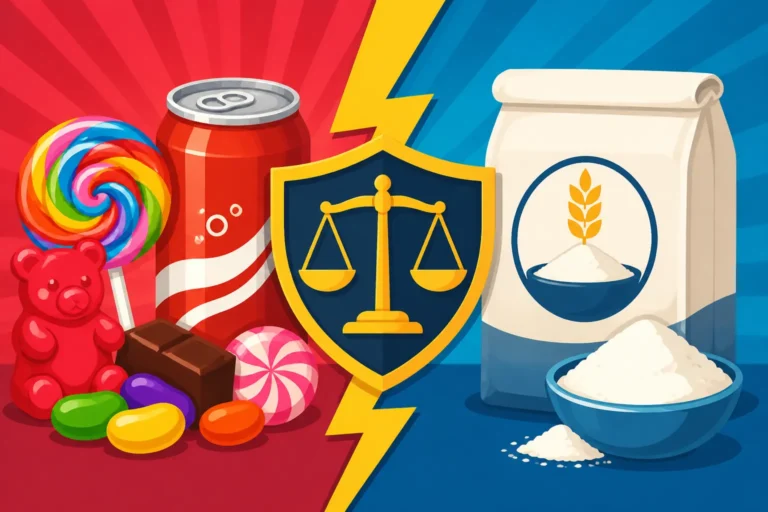
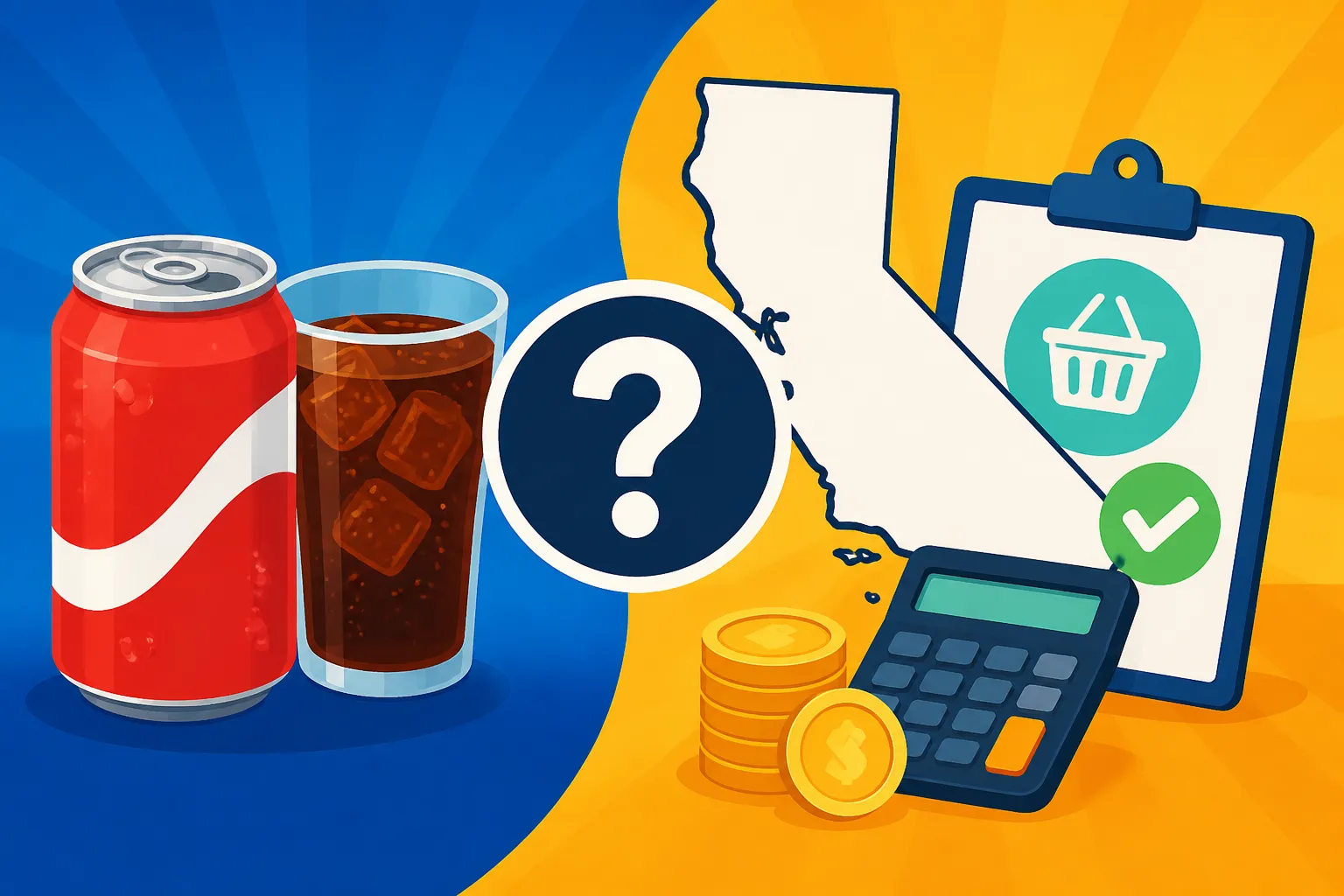
Let's get right to the heart of the matter because no one likes ambiguity when it comes to their spending. In California, the general rule is that most carbonated soft drinks, including sodas, are subject to sales tax. This often comes as a surprise to people who assume all food items are tax-exempt, but it boils down to how California's tax laws distinguish between different types of consumables.
Understanding California's Sales Tax Basics on Food and Beverages
California's sales tax regulations generally exempt "food products for home consumption" from sales tax. This exemption is designed to make essential groceries more affordable. Think about your everyday milk, bread, fresh produce, and uncooked meats – these are typically tax-free when you buy them at a grocery store to take home and prepare. The state sees these as fundamental necessities.
However, the definition of "food products for home consumption" has some very specific carve-outs, and that's where beverages like soda come into play. When the legislature crafted these rules, they drew lines based on various factors, including the type of product, how it's prepared or packaged, and where it's sold. For most soft drinks, the state considers them prepared beverages rather than an essential, raw ingredient for home cooking. This is why you'll often see sales tax applied to a single soda purchased from a convenience store or even a multi-pack from the grocery aisle. It’s a classic example of how the same item can be viewed differently based on its perceived category under tax law, contrasting sharply with items that are clearly Is Groceries Taxable in California?.
The Legal Precedent for Soda Taxation
The reason sodas are taxable isn't due to a specific "soda tax" in California (we'll dive more into that distinction later), but rather how they fit into the existing sales tax framework. Carbonated beverages are generally not classified as "food products for home consumption" under California Revenue and Taxation Code Section 6359. Instead, they are treated like other "tangible personal property" that is not specifically exempt. This means that if an item is considered a "food product" but falls outside the narrow definition of "food products for home consumption," it can become taxable.
Consider the history of sales tax: it's typically levied on the sale of most tangible goods. Over the years, states have created exemptions for what they deem essential. While milk, unflavored water, and 100% fruit juices might slip through the exemption net as "food products for home consumption," the highly processed, sugary, and carbonated nature of sodas generally places them outside this protective category. There haven't been any major legal battles specifically overturning this interpretation for regular sales tax on soda; it's a long-standing application of the law. This consistent application can be a challenge for businesses trying to keep up with every taxable item, which is why solutions like Avalara can be so helpful in automating these nuanced distinctions.
Navigating the Nuances: When Does a Drink Become "Taxable" (or Not)?
The world of sales tax is rarely black and white, and beverages are no exception. While soda generally falls into the taxable category, there are still situations and distinctions that can make things seem more complicated. Understanding these nuances is crucial for both consumers and business owners to ensure sales tax is applied correctly.
The "Prepared Food" Distinction and Beverages
One of the biggest distinctions in California sales tax is between "food products for home consumption" and "prepared food." As we discussed, the former is usually exempt, but "prepared food" is almost always taxable. This distinction becomes especially relevant for beverages.
For instance, if you grab a six-pack of soda from the cooler at a grocery store, that's typically a straightforward taxable transaction. The soda is seen as a processed beverage that doesn't qualify for the "food for home consumption" exemption. However, the scenario gets more nuanced when you consider fountain drinks or beverages served with a meal. If you buy a soda from a restaurant or a fast-food establishment, it's considered part of a "prepared food" transaction, making it taxable, just like the burger and fries you might order. The state views these items as being consumed on-premises or prepared for immediate consumption, rather than as groceries to be taken home and cooked.
Even seemingly small additions can change the tax status. If a drink like coffee or tea (which might otherwise be exempt in certain forms) is served with ice, milk, or sugar and offered as a "prepared drink," it becomes taxable. The key is whether the vendor has "prepared" it in some way or if it's meant for immediate consumption, rather than being an unadulterated product for further preparation at home. This can lead to confusion, as a bottle of water is typically exempt, but an iced tea prepared at a coffee shop is taxable. It's a tricky area, and sometimes businesses struggle with applying these rules consistently, especially if they have a wide variety of offerings.
Other Beverages: A Quick Comparison
To further illustrate the complexities, let's look at how other common beverages fare under California's sales tax laws compared to soda. This comparison highlights the often arbitrary-feeling lines drawn by tax regulations.
| Beverage Type | General California Sales Tax Status | Explanation |
|---|---|---|
| Soda / Carbonated Soft Drinks | Taxable | Generally considered a processed beverage, not a "food product for home consumption." |
| Bottled Water | Exempt | Seen as an essential "food product for home consumption," unless sold as a "prepared" item (e.g., sparkling water with added flavorings or a specialty drink). Is Bottled Water Taxed? is a common query. |
| 100% Fruit Juice | Exempt | If it's pure, unadulterated 100% fruit juice, it's usually exempt. The moment other ingredients (like significant added sugar, artificial flavors) are introduced, it may become taxable. |
| Milk & Dairy Alternatives | Exempt | Considered essential "food products for home consumption." |
| Coffee (Beans/Grounds) | Exempt | Raw ingredients for home consumption. |
| Prepared Coffee (Hot/Iced) | Taxable | Considered a "prepared food" item, even if made with otherwise exempt ingredients. The act of preparing and serving makes it taxable. |
| Tea (Bags/Loose Leaf) | Exempt | Raw ingredients for home consumption. |
| Prepared Tea (Hot/Iced) | Taxable | Similar to prepared coffee, the act of preparation and serving makes it taxable. |
| Alcoholic Beverages | Taxable | Subject to sales tax in addition to any specific excise taxes. |
As you can see, the presence of carbonation, added sugars beyond what's naturally occurring in 100% juice, and the "prepared" nature of a drink significantly influence its tax status. It's a fine line that can sometimes perplex consumers and even seasoned business owners. For those interested in the broader picture, understanding Sales Tax on Groceries & Food by State can highlight how California compares to other states with differing food tax rules.
What This Means for Consumers and Businesses in California
Understanding California's sales tax rules on soda and other beverages isn't just an academic exercise; it has real-world implications for your wallet and your business operations. Navigating these rules successfully requires a bit of awareness and, for businesses, robust compliance strategies.
For Consumers: Expecting Sales Tax on Your Soft Drinks
For the average consumer in California, the takeaway is clear: expect to pay sales tax on most sodas and carbonated soft drinks. Whether you're grabbing a single can from a corner store, a 12-pack from a grocery store, or a fountain drink with your meal, that sales tax will likely be added to your total. This applies across the board, from major retailers like Safeway and Target to your local convenience store or restaurant.
It's a common misunderstanding that all food and beverage items are tax-free in a grocery store setting, but the California rules make a distinct exception for carbonated drinks. So, the next time you're at the register, don't be surprised to see that extra line item on your receipt for that fizzy beverage. While the state sales tax rate is 7.25%, the actual rate you pay will vary considerably depending on your exact location, as California Sales Tax Rate (7.25% Base + Districts) illustrates, with various local, city, and county district taxes adding to the base rate. For example, if you're in Los Angeles County, the combined rate will be significantly higher than the base state rate. Knowing How Much Is Sales Tax on a $100 Purchase by State can put this into perspective for various shopping scenarios.
For Businesses: Ensuring Correct Sales Tax Collection
For businesses operating in California, accurately collecting sales tax on beverages is a critical compliance task. Misclassifying items can lead to under-collection, which can result in penalties, interest, and audits from the California Department of Tax and Fee Administration (CDTFA). This is especially true given the varying local sales tax rates across the state. A business in San Diego will have a different combined sales tax rate than one in San Francisco, even for the same taxable item.
Retailers, grocers, and restaurants must train their staff and configure their point-of-sale (POS) systems to correctly apply sales tax to sodas and other taxable beverages while exempting qualifying "food products for home consumption." This can be a complex undertaking, especially for businesses with extensive inventory or multiple locations across different tax jurisdictions. Imagine a deli that sells both pre-packaged sodas and fresh-squeezed orange juice, alongside deli meats and cheeses. Each item needs to be accurately classified for sales tax purposes.
This is where sales tax compliance software truly shines. Tools like Avalara and TaxJar are designed to handle these intricate calculations, automatically applying the correct state, county, city, and special district sales tax rates to each transaction based on the customer's location. This automation not only helps businesses stay compliant but also saves countless hours that would otherwise be spent manually researching and updating rates. Implementing such a system ensures that when you're selling a soda in Anaheim or a sparkling water in Oakland, the correct tax is collected. For a deeper dive into managing these complexities, explore resources like Best Sales Tax Compliance Software 2027.
Broader Context: California's Approach to Food and Beverage Taxation
Beyond the specific question of soda tax, it's helpful to understand California's overall philosophy and history regarding taxing food and beverages. This broader context helps explain why certain items are treated one way and others another.
No Statewide "Soda Tax" Surcharge (for now)
It's important to clarify a common misconception: while sodas are subject to general sales tax in California, there is currently no statewide special "soda tax" or "sugary drink tax" surcharge that specifically targets sodas due to their sugar content. This is a crucial distinction. When people talk about a "soda tax," they often refer to an excise tax or a specific health-related levy aimed at reducing consumption of sugary beverages. California has debated such taxes at the state level, but none have been enacted statewide to date.
However, some individual cities and counties in California have implemented their own local sugary drink taxes. For example, cities like Berkeley, Oakland, San Francisco, and Albany in the Bay Area, as well as Santa Cruz, have passed local excise taxes on sugary beverages. These taxes are typically levied at the distributor level (e.g., one or two cents per ounce) and are separate from the sales tax consumers see at the register. While these local taxes might influence the retail price of soda, they are not sales tax. It's the standard Sales Tax Rates by State 2026: All 50 States and local add-ons that make soda taxable statewide.
Impact of Local District Taxes
Even though the state rule is clear that sodas are generally taxable, the actual sales tax rate you pay will vary significantly depending on where you purchase it within California. This is due to the state's intricate system of local district taxes. On top of the statewide 7.25% sales tax rate, counties, cities, and special districts can impose their own additional sales taxes. These can fund local services, transportation projects, or other initiatives.
This means that a soda purchased in one city might have a different combined sales tax rate than the exact same soda purchased just a few miles down the road in another city or county. For example, the combined sales tax rate in a major metropolis like Los Angeles Sales Tax Rate Explained will be higher than in a smaller, unincorporated area without many district taxes. Businesses, therefore, must track and apply these highly localized rates correctly, which requires an accurate Sales Tax by ZIP Code (and Why ZIP Isn't Enough) lookup or a sophisticated sales tax solution. The complexity of these varying rates, and how they combine, is detailed further in guides like Combined State + Local Sales Tax Rates Explained and California District Taxes Explained. It truly shows how critical it is for sellers to have a robust system in place to ensure compliance and avoid penalties.
Disclaimer
The information provided in this article is for general informational purposes only and does not constitute professional tax advice. Sales tax laws are complex and subject to change. Always consult with a qualified tax professional or the appropriate state tax authority for advice specific to your situation.