Is Software Taxable in Major States?
Oh, the joy of trying to figure out sales tax on software! It's enough to make even the most seasoned business owner pull their hair out. In a world where everything is moving to the cloud and digital products are the norm, state tax laws often feel like they're stuck in the 1980s, trying to fit a square peg into a round hole. This comprehensive guide is here to shed some light on the incredibly complex and often frustrating landscape of software sales tax across several major U.S. states, helping you understand when and how to collect it.
The Ever-Changing Landscape of Software Sales Tax
It really feels like tax authorities are constantly playing catch-up, doesn't it? For decades, sales tax was simple: you bought a physical item, you paid tax on it. But then the internet happened, and with it, a whole new frontier of products and services that exist purely in the digital realm. Software, especially, has been at the forefront of this revolution, moving from floppy disks and CDs to downloads and now, predominantly, cloud-based subscriptions.
Why Software Taxability is So Confusing
The primary reason software taxability is such a head-scratcher stems from its intangible nature. Historically, sales tax was levied on tangible personal property – things you could touch, feel, and physically take possession of. Software, especially when delivered electronically, doesn't neatly fit into that box. States, rather than creating entirely new tax frameworks, have often tried to stretch existing definitions to include digital goods. This leads to a patchwork of interpretations: some states view software as a service, others as a form of tangible personal property even when intangible, and still others create entirely new categories for digital products. It’s like trying to explain a smartphone to someone from the 1950s – the concepts just don’t translate directly.
The Impact of Cloud Computing and SaaS
The advent of cloud computing and Software-as-a-Service (SaaS) models has only intensified this confusion. Remember when you used to buy a software license, install it on your computer, and own it forever? Those days are largely gone for many popular applications. Now, you often subscribe to a service that gives you access to software hosted on a vendor's servers. You don't "own" the software; you're simply paying for the right to use it over a period, often accessing it through a web browser. This shift from ownership to a subscription access model blurs the lines significantly. Is it a service? Is it a rental of software? Is it still considered tangible personal property? States grapple with these questions daily, leading to wildly different rules from one jurisdiction to the next. If you're looking for more details on how states treat these modern models, our guide on Is SaaS Taxable? Software-as-a-Service by State delves deeper into these specific nuances.
Key Factors Determining Software Taxability
Before we dive into state-specific rules, it’s crucial to understand the foundational elements that states often consider when deciding if software is taxable. These distinctions are critical because they can flip a software sale from exempt to fully taxable in the blink of an eye.
Canned vs. Custom Software
One of the oldest and most persistent distinctions in software sales tax is between "canned" and "custom" software.
-
Canned Software: Think of this as off-the-shelf software – mass-produced programs like Microsoft Word, Adobe Photoshop, or QuickBooks. This type of software is generally designed for a broad market, sold as-is, and not modified for individual customer needs. Because it's a standardized product, many states tend to treat canned software similarly to other tangible goods, making it taxable, regardless of how it's delivered. The reasoning is that you're acquiring a pre-made item, even if it's digital.
-
Custom Software: This refers to software specifically designed and developed for a particular customer to meet their unique business requirements. Imagine a company hiring a developer to build a bespoke inventory management system that integrates perfectly with their existing, highly specialized machinery. Because this software is unique, often involves extensive consulting, and is tailored for one-off use, many states historically viewed it as a service rather than a product. As a result, custom software has often enjoyed sales tax exemptions in states that primarily tax tangible personal property. However, this isn't a universal rule, and some states are starting to chip away at this exemption, especially if the custom software is merely an adaptation of existing canned software. The more original the development work, the stronger the argument for a service exemption.
Delivery Method Matters: Download vs. Tangible Media
The way a customer receives the software can also be a deciding factor, though this is becoming less relevant as physical media fades.
-
Tangible Media Delivery: If software is delivered on a physical medium like a CD-ROM, DVD, or USB drive, it is almost universally considered tangible personal property and, therefore, taxable. This aligns perfectly with traditional sales tax concepts. Even if the content on the disk is identical to a digital download, the physical container makes all the difference in these older interpretations.
-
Electronic Delivery/Digital Download: This is where things get tricky. When software is downloaded directly over the internet, there's no physical item changing hands. Many states have specifically legislated or issued guidance to address this. Some states still consider electronically delivered software to be taxable, either by redefining "tangible personal property" to include digital transfers or by creating new categories for "digital products" or "specified digital products." Other states maintain that without a physical medium, it remains an untaxable service or intangible. This area is a huge source of confusion for businesses selling software online. Our guide on Is Digital Products Sales Tax by State provides more context on how different states approach the taxation of all kinds of digital goods, including software.
The 'True Object' Test and Dominant Purpose
When a transaction involves both a product and a service, or multiple components that could be treated differently for tax purposes, many states apply what's known as the "true object" or "dominant purpose" test. This test attempts to discern what the customer is primarily acquiring in the transaction.
For example, if a company buys a software package that comes with a year of mandatory support and maintenance, is the true object the software itself, or is it a bundled offering where the service is integral? Or consider custom software: is the customer primarily buying the finished software (a product), or the development work and intellectual property that went into creating it (a service)? If the dominant purpose is the intellectual effort and personalized service, it might be exempt. If it’s merely to acquire a functional product, it might be taxable. This test often requires a deep understanding of the transaction's specifics and can be a point of contention during audits, as the interpretation can be subjective.
Sales Tax on Software in Major States: A Deep Dive
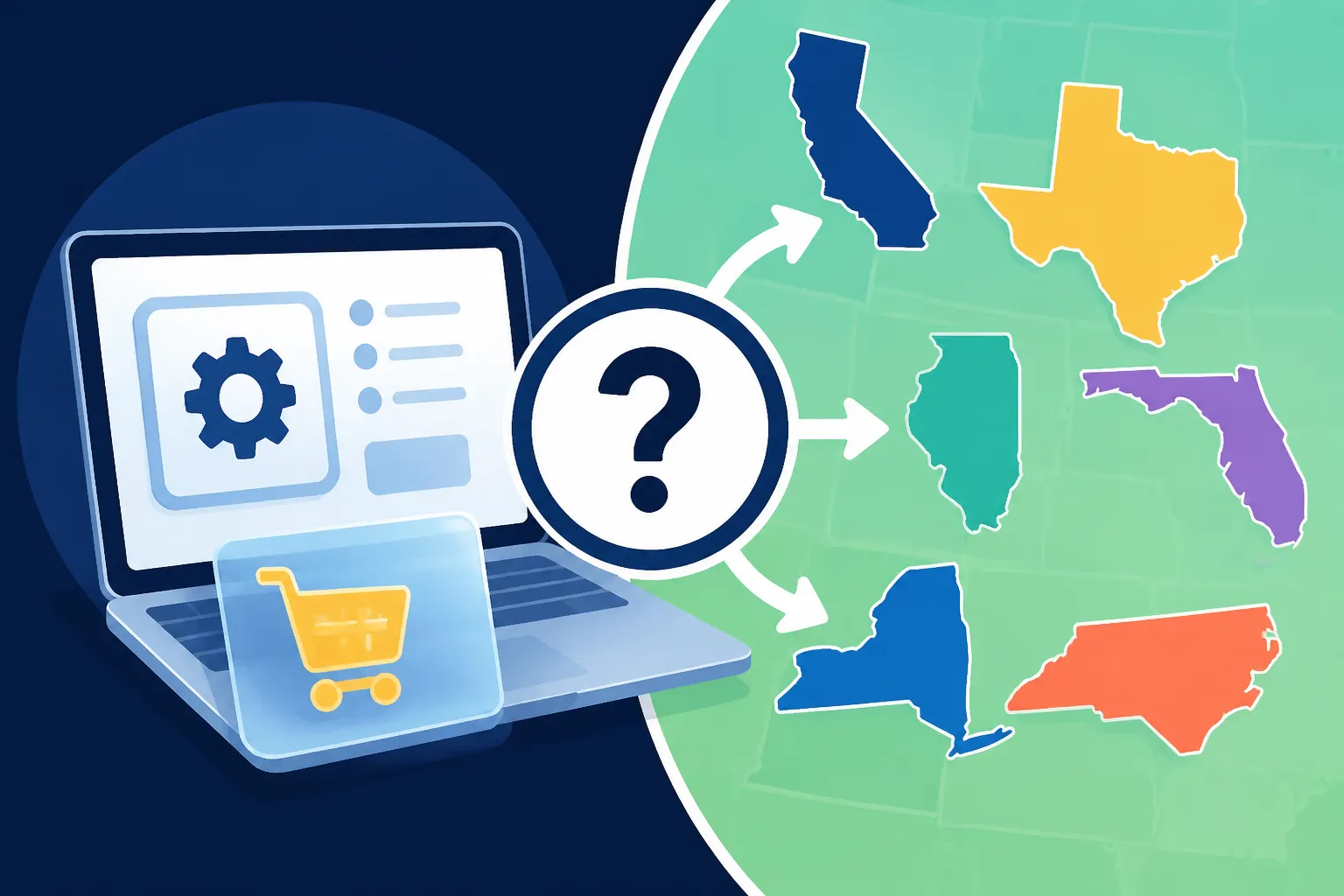
Now that we've covered the general principles, let's explore how some major states handle sales tax on software, which will give you a clearer picture of the sheer diversity in rules across the country. Remember, these rules are constantly evolving, so always verify the latest information for your specific situation.
California Sales Tax on Software
California, with its massive tech industry, has some intricate rules. Generally, the Golden State taxes the sale of tangible personal property.
- Canned Software: If you purchase prewritten (canned) software delivered on a tangible medium like a CD, it's generally subject to California sales tax. However, here's a crucial distinction: if that same prewritten software is delivered electronically (via download or cloud access), it's generally exempt from sales tax. This is a significant point of relief for many modern software vendors. The state views electronic delivery as a transfer of an intangible, which is not taxable tangible personal property.
- Custom Software: Custom software, whether delivered electronically or on tangible media, is also generally exempt from sales tax in California. The state considers the true object of such a transaction to be the services performed to create the software, not the finished product itself.
- SaaS: Generally, pure SaaS offerings, where customers only access and use the software remotely without taking possession of it, are also considered non-taxable services in California. The caveat is always "pure" SaaS – if there's significant software downloading or tangible components involved, it could change. Understanding the specific regulations for the state can be crucial, as explored in our Is Software Taxable in California? article.
Texas Sales Tax on Software
Texas takes a very different approach and is known for its broad taxation of software-related services.
- Canned Software: Both electronically delivered and physically delivered canned software are generally taxable in Texas. The state considers electronically delivered software to be tangible personal property for sales tax purposes.
- Custom Software: Texas generally taxes custom software, considering it a taxable processing service if it involves the modification or development of computer software.
- SaaS and Data Processing Services: This is where Texas really stands out. The state broadly taxes "data processing services" which include the use of computer equipment for the purpose of processing data, creating new data, or storing data. Many SaaS offerings fall under this umbrella. Specifically, Texas taxes 80% of the charge for data processing services, including access to and use of software over the internet. So, if you're offering SaaS to Texas customers, assume 80% of your charge is taxable. This makes Texas one of the more challenging states for SaaS providers. You can find more comprehensive details about this in our specific guide on Is SaaS Taxable in Texas? (80% Rule).
New York Sales Tax on Software
New York’s rules are complex and can be a bit of a maze, especially with its varying local rates across cities like New York City.
- Canned Software: Both physically delivered and electronically delivered prewritten (canned) software are generally taxable in New York. The state classifies such software as tangible personal property, even when transferred electronically.
- Custom Software: New York generally considers the sale of custom software to be a non-taxable service. This includes services for designing, developing, modifying, or enhancing software that is exclusively for the client. However, modifications to prewritten software are taxable if the charges are not separately stated or if the modifications aren't deemed substantial enough to create "custom" software.
- SaaS: New York's stance on SaaS has evolved. Historically, it was often exempt if it was a pure "service" and the customer didn't gain possession of the software. However, recent guidance indicates that many SaaS offerings are taxable if they provide the customer with the right to use or access software, often categorizing this as a taxable "information service" or "data processing service," similar to how it taxes subscriptions to databases or online services. This area is particularly nuanced, and our resource on Is SaaS Taxable in New York? can offer deeper insights.
Florida Sales Tax on Software
Florida generally sticks to the tangible personal property rule, which offers some clarity but still has its specific nuances.
- Canned Software: If canned software is delivered on a tangible medium (like a CD-ROM), it is taxable in Florida. However, if the canned software is delivered electronically (via download or remote access like SaaS), it is generally exempt from Florida sales tax. This is a significant distinction that many online businesses appreciate. The state interprets "tangible personal property" literally, meaning if you can't touch it, it's not taxable under the general rule.
- Custom Software: Custom software, whether delivered on tangible media or electronically, is generally considered a professional service and is exempt from sales tax in Florida. This aligns with the state's focus on taxing tangible goods.
- SaaS: Consistent with its electronic delivery exemption for canned software, pure SaaS offerings, where the software is accessed remotely and no physical transfer occurs, are generally exempt from sales tax in Florida. As with all things tax, however, make sure your specific SaaS offering doesn't involve any incidental transfer of taxable tangible personal property or services.
Illinois Sales Tax on Software
Illinois has its own set of rules, often taxing prewritten software while providing exemptions for custom solutions.
- Canned Software: Prewritten (canned) software, regardless of whether it’s delivered on a tangible medium or electronically downloaded, is generally taxable in Illinois. The state treats electronically delivered software as tangible personal property subject to sales tax.
- Custom Software: Charges for custom software are generally exempt from sales tax in Illinois. This exemption applies when the software is developed for the exclusive use of a specific customer. Services for modifying or adapting existing prewritten software to create a custom program can also be exempt if the charges are separately stated and the modifications are substantial enough.
- SaaS: The taxability of SaaS in Illinois can be a bit more complex. If the customer is merely accessing and using software remotely, and not taking possession of the software itself, it might be considered a non-taxable service. However, if the SaaS involves specific "computer service" charges that result in the delivery of tangible personal property or the transfer of software that gives the customer a permanent right of use, it could be taxable. This area often requires a careful review of the exact nature of the service. For those navigating the complexities of their state's rules, platforms like Avalara offer robust solutions to help manage these diverse regulations. More details can be found in our guide specifically for Is Software Taxable in Illinois?.
Washington Sales Tax on Software
Washington state is another jurisdiction with a broad tax base that includes many digital and service-related transactions, making software taxation fairly common.
- Canned Software: Both physically and electronically delivered canned software are generally subject to sales tax in Washington. The state considers electronically delivered software to be a "digital good" which is a taxable retail sale.
- Custom Software: The sale of custom software development services is generally considered a service and is not subject to sales tax in Washington. However, if the custom software is later delivered on a tangible medium, that specific medium might be subject to tax. The key distinction here is taxing the service of creation rather than the end product, unless that product is packaged.
- SaaS: Washington is one of the states that explicitly taxes SaaS. The state views the provision of access to and use of software over the internet as a taxable "digital automated service" or "software as a service." This means that most SaaS subscriptions sold to customers in Washington will be subject to the state's sales tax. This comprehensive approach to taxing digital services means businesses need to be particularly vigilant in their compliance. Our article on Is SaaS Taxable in Washington? offers more in-depth coverage.
The Growing Complexity of Software-as-a-Service (SaaS) Taxation
SaaS is the dominant model for software delivery today, and it presents the most significant compliance challenges. As you can see from the state-by-state breakdown, there's no single, consistent rule, which makes life incredibly difficult for businesses operating across state lines.
When SaaS is Treated Like a Service
Some states, like California and Florida for pure SaaS, choose to treat SaaS offerings as non-taxable services. Their reasoning often goes back to the core definition of sales tax: it applies to the sale of tangible personal property. Since SaaS involves accessing software remotely, with the vendor maintaining ownership and control, and the customer never taking "possession" of a physical or even downloaded copy, these states argue it's a service—much like paying for access to a gym or a streaming video service. In these jurisdictions, the arguments against taxing SaaS often hinge on the lack of transfer of ownership, the temporary nature of access, and the fact that the customer is essentially paying for the ability to use the vendor's resources (servers, software, infrastructure) rather than owning the software itself.
When SaaS is Treated Like Software/Tangible Property
On the flip side, states like Texas, New York, and Washington have explicitly legislated or interpreted their laws to make SaaS taxable. They often do this by:
- Redefining "Tangible Personal Property": Some states expand the definition to include "digital goods," "digital products," or "electronic access to software."
- Creating New Categories: Others create specific taxable categories for "information services," "data processing services," or "digital automated services" that encompass SaaS.
- Focusing on "Right to Use": These states emphasize that even if you don't own the software, the "right to use" it is a taxable privilege.
For example, when Louisiana Now Taxes SaaS (Jan 2025), it's a clear signal that more states are moving towards taxing these digital access models, recognizing the significant revenue potential. This trend means that what was once a relatively straightforward (and often exempt) business model is becoming increasingly burdened with sales tax obligations.
The Hybrid and "True Object" Challenge for SaaS
Many modern SaaS offerings aren't just pure software access; they're bundled with various services, such as consulting, data storage, integration, or custom development. This creates a "hybrid" scenario where the "true object" test becomes incredibly important.
Imagine a company selling a project management SaaS platform. The basic subscription is access to the software. But they also offer add-ons like dedicated implementation services, custom reporting module development, and premium technical support. Each of these components might be treated differently for sales tax. Some states require "sourcing" or "unbundling" the services, meaning you'd have to figure out the value of each component and apply the appropriate tax rule. If you don't separately state the charges for taxable and non-taxable components on an invoice, some states will assume the entire bundled transaction is taxable. This adds another layer of complexity for SaaS providers trying to maintain compliance across multiple states.
Navigating Multi-State Software Sales Tax Compliance
The varying and evolving rules for software sales tax across states mean that navigating compliance is a significant challenge for any business selling software, especially online. It's not just about knowing the rules; it's about keeping up with them.
Understanding Your Nexus Obligations
Before you even worry about what's taxable, you need to know where you're required to collect sales tax. This concept is called "nexus." Historically, nexus meant having a physical presence (like an office, warehouse, or employees) in a state. However, the 2018 Supreme Court ruling in South Dakota v. Wayfair introduced "economic nexus."
Now, states can require out-of-state businesses to collect sales tax if they meet certain sales volume or transaction thresholds, even if they have no physical presence. For example, a state might require you to collect if you have over $100,000 in sales or 200 separate transactions into that state in a calendar year. These thresholds vary wildly by state, and they apply to software sales just as they do to physical goods. Failing to understand your nexus obligations can lead to significant penalties down the road. Our guide on Economic Nexus by State 2026: Thresholds Guide is an essential read to understand these critical requirements.
Tools and Strategies for Software Vendors
Given the labyrinthine nature of software sales tax, relying on manual processes or spreadsheets is a recipe for disaster, especially as your business grows. The sheer number of states, individual taxability rules, local district taxes, and constantly changing rates make it nearly impossible to manage manually. Imagine trying to keep track of every sales tax rate by ZIP code for every software transaction you make; it’s a nightmare.
This is where specialized sales tax automation software becomes invaluable. Solutions like Avalara are designed specifically to tackle this complexity. They integrate with your e-commerce platform or ERP system to automatically:
- Determine Taxability: Accurately assess whether a specific software product (canned, custom, SaaS) is taxable in the customer's jurisdiction based on the latest state laws.
- Calculate Rates: Apply the correct combined state and local sales tax rate, considering the customer's precise location (which can be down to a specific street address, not just a ZIP code, as highlighted in Sales Tax by ZIP Code (and Why ZIP Isn't Enough)).
- Manage Exemptions: Help you store and validate resale certificates or other exemption documents, ensuring you don't overcharge tax to exempt customers.
- Prepare Returns: Generate accurate reports and pre-populate sales tax returns, making the filing process much smoother.
While Avalara is a leading player, there are other Sales Tax Rate Lookup Tools Compared that can help you find rates, but truly automated compliance requires a more robust solution. Businesses selling software across multiple states should seriously consider integrating Best Sales Tax Compliance Software 2027 to stay on top of their obligations.
The Importance of Documentation and Audits
Regardless of whether you use automated software or manage things manually, meticulous record-keeping is non-negotiable. During a sales tax audit, tax authorities will scrutinize your records to ensure you've collected and remitted the correct amount of tax. This includes:
- Sales Records: Detailed invoices showing what software was sold, how it was delivered, and the tax charged (or reason for exemption).
- Exemption Certificates: If you didn't charge tax because a customer provided an exemption certificate (e.g., for resale), you must have a valid, signed certificate on file. Without it, you could be liable for the uncollected tax, plus penalties and interest.
- Nexus Tracking: Documentation proving how and when you established nexus in each state where you collect tax.
- Filing Records: Copies of all sales tax returns filed and proof of payment.
The tax landscape for software and digital products is not getting simpler. If anything, states are becoming more aggressive in their efforts to tax these transactions to shore up revenue. Staying informed and utilizing the right tools are key to avoiding costly mistakes and ensuring long-term compliance.
Here’s a quick overview of how some major states generally tax different software types:
| State | Canned Software (Tangible Delivery) | Canned Software (Electronic Delivery) | Custom Software | SaaS (Software as a Service) | Key Nuance/Rule |
|---|---|---|---|---|---|
| California | Taxable | Exempt | Exempt | Exempt | Electronically delivered software is generally considered intangible. |
| Texas | Taxable | Taxable | Taxable | Taxable (80% of charge) | Broady taxes "data processing services" including software access. |
| New York | Taxable | Taxable | Exempt | Taxable | Defines electronic software as tangible; many SaaS as taxable services. |
| Florida | Taxable | Exempt | Exempt | Exempt | Focuses on tangible property; electronic delivery & SaaS generally exempt. |
| Illinois | Taxable | Taxable | Exempt | Potentially Taxable | Electronically delivered software is taxable; SaaS can be complex. |
| Washington | Taxable | Taxable | Exempt (service) | Taxable | Digital goods and "digital automated services" (SaaS) are taxable. |
Remember that these are general guidelines. The exact taxability can depend on specific product features, bundling, and the latest interpretations from state tax departments. For more detailed insights into overall state rates, you can also check out our Sales Tax Rates by State 2026: All 50 States guide.
Disclaimer
The information provided in this guide is for general informational purposes only and does not constitute professional tax advice. Sales tax laws are complex and constantly changing. Businesses should consult with a qualified tax professional or refer to the specific tax laws and regulations of each state to ensure accurate compliance.