Economic Nexus in Florida: Threshold & Rules
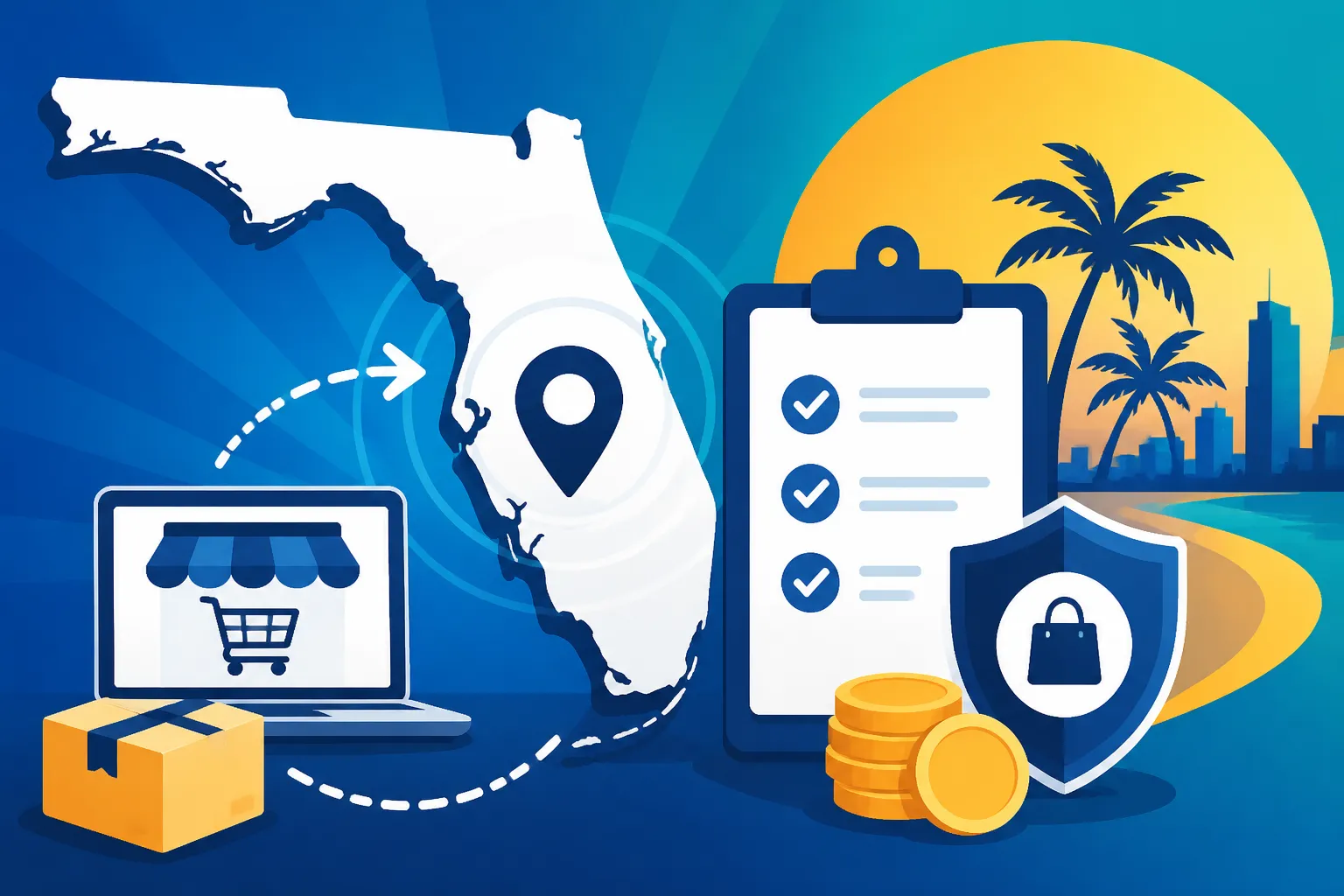
Navigating sales tax rules across different states can feel like trying to solve a Rubik's Cube blindfolded, and for online sellers, the concept of "economic nexus" in a state like Florida often adds another layer of complexity. It's a common struggle to figure out if your business, even without a physical brick-and-mortar store in the Sunshine State, has met a sales threshold that requires you to collect and remit sales tax. This comprehensive guide is designed to shed light on Florida's economic nexus threshold and its associated rules, helping you understand your obligations and stay compliant.
Understanding the Fundamentals of Economic Nexus
For years, the sales tax world was relatively straightforward: if you didn't have a physical presence in a state – a store, an office, employees – you generally didn't have to collect sales tax from customers in that state. Those were the good old days, weren't they? But then came the landmark 2018 Supreme Court case, South Dakota v. Wayfair, Inc., and everything changed. This decision flipped the script, introducing what we now know as economic nexus.
What is Economic Nexus Anyway?
At its core, economic nexus means that a business can establish a sales tax obligation in a state simply by having a significant economic presence there, regardless of whether they have a physical presence. Think about it: an online seller in Oregon might sell thousands of items to customers in Florida, generating substantial revenue from that state without ever stepping foot there. Before Wayfair, Oregon sellers wouldn't collect Florida sales tax. After Wayfair, states like Florida realized they were missing out on substantial tax revenue and quickly adopted economic nexus laws to capture those sales.
It's a massive shift, and it has undeniably created a lot of headaches for small and large businesses alike who are suddenly faced with potentially registering and filing in dozens of states. It's no longer enough to just know your home state's rules; you have to keep tabs on where your sales are going. This concept of Sales Tax Nexus Explained Physical vs Economic is now a fundamental part of doing business, especially for online merchants.
Why Florida Adopted Economic Nexus Rules
Florida, like many other states, saw the post-Wayfair landscape as an opportunity to modernize its tax system and ensure fairness for its local businesses. Brick-and-mortar stores in Florida always had to collect sales tax from their customers. It felt inherently unfair that an online retailer, selling the exact same products to the exact same Florida residents, could do so without collecting sales tax, effectively giving them a price advantage.
To level the playing field and boost state revenue, Florida officially enacted its economic nexus law, effective July 1, 2021. This meant that remote sellers, those without a physical presence in Florida, now had to evaluate their sales into the state and, if they met a certain threshold, register with the Florida Department of Revenue and begin collecting sales tax. It was a big moment for the state's coffers and a new challenge for businesses everywhere.
Florida's Specific Economic Nexus Threshold
Every state that has adopted economic nexus has set its own specific threshold. While many states align closely, some have unique nuances that can catch unprepared businesses off guard. Florida is no exception, and understanding its particular rules is crucial for compliance.
The Sales Revenue Threshold
For remote sellers, Florida's economic nexus threshold is met when you have more than $100,000 in taxable retail sales into the state during the previous calendar year. Let's break that down because every word in that sentence matters. First, it's more than $100,000, so if you hit exactly $100,000, you likely haven't crossed it yet. Second, it's taxable retail sales. This is a critical distinction because not all sales are taxable. For instance, if you sell a mix of taxable tangible goods and non-taxable services, only the taxable portion counts towards the threshold. Many sellers mistakenly count gross sales, which can lead to unnecessary registration and compliance burdens, or worse, undercounting and falling out of compliance later.
Imagine a small online boutique specializing in custom jewelry and also offering virtual styling consultations. If the jewelry sales (tangible goods) into Florida exceed $100,000 in the prior year, even if the styling consultations (often non-taxable services) push their total gross sales much higher, it's the taxable jewelry sales that trigger nexus. Keeping clear records of your sales, broken down by taxability, is paramount. This makes the Florida threshold one of the more straightforward ones when compared to states that also include transaction count in their criteria. For a broader overview of various state rules, you might find our guide on Economic Nexus by State 2026: Thresholds Guide helpful.
The Importance of the Look-Back Period
Florida's economic nexus law, like most states, uses a "look-back period" to determine if a seller has met the threshold. This means you don't evaluate your sales on a rolling basis or simply by your current year's performance. Instead, you look at your sales activity during the immediately preceding calendar year.
So, for example, if you're assessing your nexus obligations for the current year (say, 2026), you would review your taxable retail sales into Florida for the entire 2025 calendar year. If those sales surpassed $100,000, then you would have established economic nexus in Florida and would need to register and begin collecting sales tax as soon as practically possible in 2026. This also means that if your sales dip below the threshold in a subsequent year, you generally maintain nexus for the remainder of the current period and possibly the next, as states usually require you to collect for a full year once nexus is established, or until your sales consistently remain below the threshold for an extended period. It’s not a switch you can just turn off and on monthly.
What Happens When You Cross the Florida Threshold
Once you realize your business has met Florida's economic nexus threshold, it's natural to feel a bit overwhelmed. But don't fret! There's a clear path forward, starting with understanding your new obligations and leveraging available tools and resources.
Your New Sales Tax Obligations
The moment your taxable retail sales into Florida exceed that $100,000 mark in the previous calendar year, you officially have economic nexus. This means you are now legally required to:
- Register for a Sales Tax Permit: You cannot legally collect sales tax from customers without being registered with the Florida Department of Revenue and obtaining a sales tax permit (also sometimes called a Certificate of Registration). This is your official permission slip to collect taxes on behalf of the state. It's a non-negotiable first step. Getting this permit is crucial, and our detailed guide on How to Get a Sales Tax Permit by State can walk you through the general process, which is very similar for Florida.
- Collect Sales Tax: For every taxable sale made to a Florida customer after you've established nexus and registered, you must accurately calculate and collect the applicable sales tax. This includes the statewide rate and any local discretionary sales surtaxes, which we'll discuss further down.
- Remit Sales Tax: Regularly, usually monthly, quarterly, or annually depending on your sales volume, you'll need to file a sales tax return with the Florida Department of Revenue and remit all the sales tax you've collected. This entire process can be quite intricate, especially if you suddenly find yourself with nexus in multiple states. Many businesses find that the challenge of Registering for Sales Tax in Multiple States is best handled with a strategic approach.
For instance, say you're a Georgia-based online candle maker. In 2025, your taxable sales to Florida customers reached $120,000. Come January 1, 2026, you've established nexus. You'd need to register with Florida, then from that point forward, start collecting Florida sales tax on all taxable sales to Florida customers.
The Role of Marketplace Facilitators in Florida
Here's where things can get a little less complicated for some online sellers. Florida is one of many states that have enacted "marketplace facilitator" laws. What does this mean? If you sell exclusively through a marketplace facilitator like Amazon, Etsy, or eBay, these platforms are generally responsible for calculating, collecting, and remitting sales tax on your sales to Florida customers. This is a huge relief for many small businesses, as it offloads a significant compliance burden.
However, it's crucial to understand a few things:
- Nexus Still Applies to You: Even if the marketplace collects for you, you still have economic nexus in Florida if your sales through all channels (including the marketplace) exceed the threshold. This might seem academic, but it's important for understanding your overall tax footprint.
- Direct Sales are Your Responsibility: If you also sell through your own website (e.g., Shopify store) directly to Florida customers, the marketplace facilitator laws do not cover those sales. You are responsible for collecting and remitting sales tax on any direct sales made after you've met the economic nexus threshold.
- Filing Requirements: Depending on your setup, you might still have filing requirements in Florida, even if it's to report zero sales tax collected on marketplace transactions. This confirms to the state that you're aware of your obligations and that the tax is being handled.
Tools like Avalara can integrate with your e-commerce platforms and help differentiate between marketplace-facilitated sales and your direct sales, ensuring you only collect where you're truly responsible. Understanding Marketplace Facilitator Laws by State is vital for any online seller, as these laws vary from state to state and can significantly impact your day-to-day operations.
Navigating Florida's Sales Tax Rules Beyond Nexus
Establishing economic nexus is just the first step. To ensure full compliance, you'll need to dive into the specifics of what's taxable in Florida and how the local rates factor into your calculations. It's not just about the state rate; it's about the full picture.
Understanding Florida's Taxable Goods and Services
Florida generally imposes sales tax on the retail sale, lease, or rental of most tangible personal property. This includes things you can touch, see, and move – like clothing, electronics, furniture, and most merchandise you'd find in a store or online. The statewide sales tax rate in Florida is 6%. But that's just the base. Our article on the Florida Sales Tax Rate (6% + County Surtax) delves deeper into this.
However, when it comes to services, Florida can be a bit more nuanced. While many services are exempt from sales tax, some are explicitly taxable. For example, certain services related to real property improvements, commercial rental income, and specific business services might be subject to tax. It's not as extensive as some other states, but it's definitely something to be aware of. If you provide any kind of service to Florida customers, even remotely, it's worth checking the specific taxability rules for your particular service. We explore this topic more broadly in Is Services Taxable? Sales Tax on Services: What's Taxable by State, which provides insights that can be applied to Florida's specific regulations.
Local Discretionary Sales Surtaxes
This is where sales tax calculations can get tricky in Florida. In addition to the statewide 6% sales tax, many Florida counties impose a "discretionary sales surtax," often referred to as a county sales tax. These surtaxes are added on top of the state sales tax, and they vary by county. They can range from 0.5% to as high as 2.5%, meaning the combined sales tax rate a customer pays can be significantly higher than just the state rate.
For example, while the state rate is 6%, if your customer is in Hillsborough County (Tampa area), they'd pay an additional 2.5% surtax, making the total combined rate 8.5%. If they're in Collier County (Naples area), the surtax is 1.5%, bringing the total to 7.5%. These local rates are typically capped at a certain dollar amount per transaction, depending on the county. For instance, a surtax might only apply to the first $5,000 of a sale.
This means that simply applying a flat 6% to all your Florida sales won't cut it. You need to identify the specific county where your customer is located (usually based on their shipping address) and apply the correct combined rate for that county, taking any surtax caps into account. This is precisely why relying on robust sales tax software, such as Avalara, becomes invaluable. These systems are designed to handle the complexities of Combined State + Local Sales Tax Rates Explained instantly and accurately, saving businesses from manual calculation errors and potential penalties.
Practical Steps for Compliance and Staying Updated
Once you've determined that you have economic nexus in Florida and understand the basics of what's taxable, it's time to put a solid plan into action. Compliance isn't a one-time task; it's an ongoing process that requires attention to detail and staying informed.
Registering for a Florida Sales Tax Permit
The very first practical step is to register with the Florida Department of Revenue (FDOR) to obtain your Certificate of Registration, which is their term for a sales tax permit. It's relatively straightforward to do online through the FDOR's website. Here's a general idea of what you'll need and the steps involved:
- Gather Your Information: Before you start, have your business's legal name, federal Employer Identification Number (EIN), business address, contact information, and details about your business activities (e.g., what you sell, when you started making sales into Florida).
- Visit the FDOR Website: Navigate to the Florida Department of Revenue's official website and look for their online registration portal for new businesses.
- Complete the Application: Fill out the application form with all the required business and ownership details. You'll specify the type of tax you're registering for (sales and use tax) and your business start date in Florida.
- Receive Your Permit: Once approved, the FDOR will issue you a Certificate of Registration, which includes your sales tax number. This document is proof that you are authorized to collect sales tax.
This process is generally free, though some third-party services may charge a fee to assist. Remember, you should complete this step before you start collecting sales tax. For a more detailed walkthrough tailored to the Sunshine State, our article on Sales Tax Registration Guide for Florida offers valuable insights.
Ongoing Collection, Reporting, and Remittance
Once you have your permit, the real work begins: collecting, reporting, and remitting sales tax. This is where many businesses, especially those without a dedicated accounting department, can feel overwhelmed.
- Accurate Collection: As discussed, you need to apply the correct combined state and local sales tax rate to each taxable sale based on the customer's shipping address. This requires a reliable system, whether it's built into your e-commerce platform or a dedicated sales tax software.
- Record Keeping: You must meticulously keep records of all sales, sales tax collected, and any exemptions or deductions claimed. These records are vital for accurate filing and in case of an audit.
- Filing Frequency: The Florida Department of Revenue will assign you a filing frequency—typically monthly, quarterly, or annually—based on your estimated sales volume. High-volume sellers usually file monthly, while smaller businesses might file quarterly or annually. It's critical to know and adhere to your assigned frequency. We cover the general rules of Sales Tax Filing Frequency Explained in another post.
- Due Dates: Each filing frequency comes with specific due dates. In Florida, sales tax returns are generally due on the 1st day of the month following the reporting period, and late on the 20th of that same month. Missing these deadlines can result in penalties and interest. To avoid any late filing issues, check out the specific dates outlined in our Florida Sales Tax Due Dates 2026 guide.
- Remittance: Along with your return, you'll remit the collected sales tax to the FDOR, usually electronically.
For many businesses, managing this manually, especially with varying local rates and potentially multiple state obligations, becomes a nightmare. This is where sales tax automation software truly shines. Solutions like Avalara seamlessly integrate with most e-commerce platforms and accounting systems, automatically calculating sales tax at the point of sale, tracking nexus, and even filing returns on your behalf. This dramatically reduces the risk of errors and ensures timely compliance. For a broader understanding of the filing process, consider our guide on How to File a Sales Tax Return: Step by Step.
The Importance of Staying Informed on Rate Changes
Sales tax rates are not static. While the Florida state sales tax rate of 6% has been stable for some time, local discretionary sales surtaxes can and do change. Counties might vote to increase or decrease their surtax, often tied to specific local initiatives like infrastructure projects or school funding. These changes, when they occur, usually take effect on specific dates, most commonly January 1st or July 1st.
As a seller, it's your responsibility to stay current on these changes and update your sales tax collection system accordingly. A miscalculation, even if unintentional, can lead to under-collection and leave you on the hook for the difference, plus penalties. Subscribing to updates from the Florida Department of Revenue or utilizing an automated sales tax solution that automatically updates rates, like Avalara, is crucial. This proactive approach ensures you're always collecting the correct amount, protecting your business from future liabilities. Keeping an eye on 2026 Sales Tax Rate Changes by State is an essential practice for any remote seller.
Florida Economic Nexus Threshold Summary
For quick reference, here's a summary of Florida's economic nexus rules:
| Aspect | Florida Economic Nexus Rule |
|---|---|
| Sales Threshold | More than $100,000 in taxable retail sales |
| Look-Back Period | During the previous calendar year |
| Effective Date | July 1, 2021 (for sales meeting the threshold in the prior year) |
| Taxable Items | Primarily tangible personal property; some services; subject to state and local discretionary sales surtaxes |
| Marketplace Facilitator | Yes, marketplaces generally collect and remit on behalf of sellers for sales made through their platform |
| Registration Required | Yes, upon meeting threshold and making direct sales |
Disclaimer
Please remember that this article provides general information about Florida's economic nexus rules and sales tax obligations. Sales tax laws are complex and constantly evolving. This content is not intended as legal or tax advice. You should always consult with a qualified tax professional or the Florida Department of Revenue for advice specific to your business situation.