How to Register for Sales Tax in Multiple States
Registering for sales tax in one state is often confusing enough, but when your business grows and starts selling to customers across state lines, the thought of registering in multiple jurisdictions can feel downright overwhelming. It's a maze of different rules, thresholds, and forms that can leave even seasoned business owners scratching their heads. This guide is here to demystify the process, walking you through how to navigate the complex world of multi-state sales tax registration with confidence.
Understanding Your Sales Tax Nexus Obligations
Before you even think about registering, the absolute first step is to figure out where you actually need to collect and remit sales tax. This isn't just a suggestion; it's a legal obligation. You only need to register in states where you have "nexus," which is a fancy legal term for a significant presence. What constitutes "presence" has changed dramatically over the past few years, making this initial assessment critical.
The Post-Wayfair Landscape and Economic Nexus
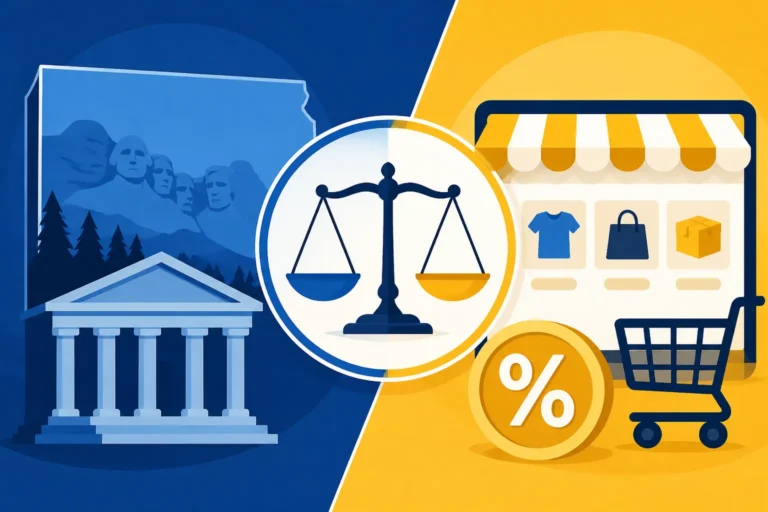
For decades, the rule was fairly straightforward: if you didn't have a physical presence in a state (like an office, warehouse, or employee), you didn't have to collect sales tax there. Then came the landmark 2018 Supreme Court decision in South Dakota v. Wayfair. This ruling completely upended the sales tax world, introducing the concept of "economic nexus." Suddenly, simply having enough sales activity into a state could create a sales tax obligation, even if you never set foot there.
This change meant that online sellers, particularly, had to re-evaluate their entire sales tax strategy. No longer could you rely on a lack of brick-and-mortar presence to avoid sales tax in other states. Now, if your sales into a state exceed a certain monetary threshold (like $100,000 in sales) or a transaction threshold (like 200 separate transactions, though many states are moving away from this one), you likely have economic nexus and a legal requirement to register. It's crucial to understand these nuances, which you can dive into further with our guide on South Dakota v. Wayfair: What It Means for Sellers.
Physical Presence vs Economic Presence
While economic nexus gets a lot of attention these days, the traditional "physical presence" nexus still absolutely applies. If you have any of the following in a state, you've established physical nexus:
- A physical location: This could be an office, a retail store, a warehouse, or even a temporary pop-up shop.
- Employees or agents: If you have employees, independent contractors, or sales representatives working on your behalf in a state, that creates nexus.
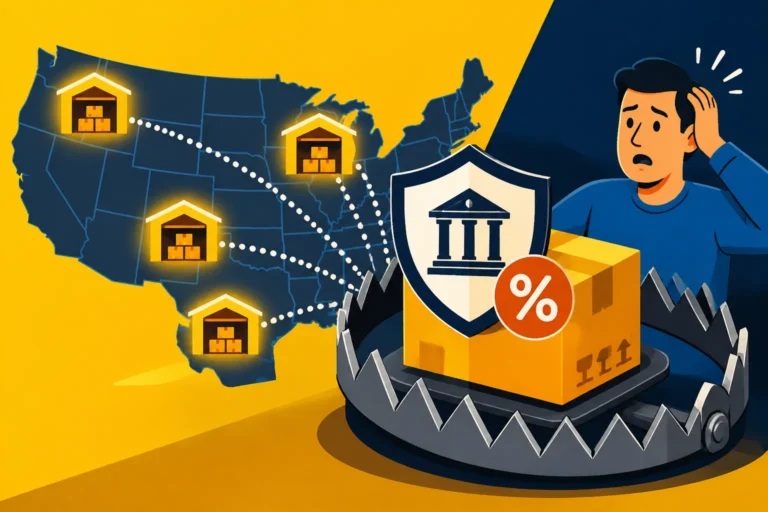
- Inventory: Storing inventory in a state, even through a third-party logistics (3PL) provider or an Amazon FBA warehouse, typically creates physical nexus. This is a common trap for Amazon sellers.
- Delivery vehicles: Having your own delivery trucks regularly operating in a state can create nexus.
- Attending trade shows: Some states consider even temporary presence, like exhibiting at a trade show for a few days, enough to establish nexus, though this varies significantly.
The concept of Sales Tax Nexus Explained Physical vs Economic truly is the bedrock of multi-state compliance. You'll need to periodically review your sales activity and business operations to determine all the states where you've established either type of nexus. This often means tracking sales volume and transaction counts for each state your products or services reach.
Preparing for Multi-State Sales Tax Registration
Once you've identified the states where you have nexus, the next step is preparation. This isn't a "one-and-done" task; it requires gathering specific information and understanding that each state might have its own quirks. Rushing this part can lead to delays and errors down the line.
Gathering Essential Business Information
Think of this as your "sales tax registration toolkit." You'll need to have a consistent set of information ready for each application. While the exact forms vary by state, these are the common data points every state tax agency will ask for:
- Your Federal Employer Identification Number (EIN): This is essential for any business entity. If you're a sole proprietorship without employees, you might use your Social Security Number (SSN), but an EIN is generally recommended for business purposes.
- Legal business name and "doing business as" (DBA) name: If you operate under a different name than your legal entity, you'll need both.
- Business address(es): Your primary business address, and sometimes additional physical locations in the state if applicable.
- Business type/legal entity: Are you a sole proprietor, LLC, S-Corp, C-Corp, etc.?
- Owner/officer information: Names, addresses, and sometimes SSNs for key individuals in the business.
- Business start date: The date your business began operations.
- Date you started making sales in that specific state: This is crucial, especially for economic nexus, as it determines when your obligation began.
- North American Industry Classification System (NAICS) code or Standard Industrial Classification (SIC) code: These classify your business industry.
- Bank account information: For setting up electronic payments and sometimes for verification.
- Primary business activity: A brief description of what your business does.
- Estimated monthly or annual sales subject to sales tax: This helps the state determine your filing frequency (e.g., monthly, quarterly, annually).
Having all this information organized in a spreadsheet or a document before you start will save you immense time and frustration. It's a common point of friction when people begin the registration process only to realize they need to chase down several pieces of information for each application.
Understanding State-Specific Requirements
Here's where it gets truly fun (or frustrating, depending on your perspective). While there's a lot of overlap in the information requested, each state has its own specific forms, terminology, and sometimes unique requirements. For example, some states might require specific information about your products or services, while others might ask about the number of employees you have in that state.
Many states use their own dedicated online portals for registration. You'll often find these portals by searching for "[State Name] sales tax registration" or "[State Name] seller's permit application." For instance, in California, you'd be looking for the California Department of Tax and Fee Administration (CDTFA) website to get a Seller's Permit Explained What It Is & How to Get One. Other states might call it a sales tax license, a certificate of authority, or a vendor's license. The name may change, but the purpose is the same: to give you legal authority to collect sales tax. Understanding these state-specific nuances is a big part of the headache when it comes to Registering for Sales Tax in Multiple States Fast.
Step-by-Step Guide to Registering in Multiple States
Once your ducks are in a row with your business information and you understand the specific demands of each state, it's time to tackle the actual registration process. There are a few paths you can take, ranging from doing it all yourself to leveraging specialized tools.
State Tax Agencies and Online Portals
For most businesses, the primary method of registration is directly through each state's department of revenue or equivalent tax agency website. Each state typically has an online portal where you can create an account and fill out the necessary application. This process often involves:
- Visiting the state's tax agency website: (e.g., California CDTFA, Texas Comptroller of Public Accounts, New York Department of Taxation and Finance).
- Locating the business registration section: Look for terms like "sales tax permit," "seller's permit," "certificate of authority," or "business registration."
- Creating an account: You'll usually need to set up a unique login for each state portal.
- Filling out the application: This is where all that prepared business information comes in handy. Be meticulous and double-check every entry.
- Submitting supporting documents: Some states may require you to upload copies of your EIN confirmation letter, business formation documents, or personal identification.
- Waiting for approval: This can take anywhere from a few days to several weeks, depending on the state. You'll typically receive your sales tax permit number via email or postal mail.
It's a repetitive process if you have nexus in many states, but doing it yourself gives you direct control and familiarity with each state's portal, which can be useful for future filing. If you're specifically wondering How to Get a Sales Tax Permit in Texas, for instance, you'll go straight to the Comptroller's website.
Utilizing the Streamlined Sales Tax (SST) Program
For businesses that find themselves with nexus in numerous states, the Streamlined Sales Tax (SST) program can be a lifeline. The SST Governing Board aims to simplify sales tax collection and administration for businesses that operate in multiple states. Currently, there are 24 member states in the SST program.
Here's how it works:
- One registration: Instead of registering individually with each of the 24 member states, you can register through a single online application portal. This portal then distributes your registration information to all the SST states you select.
- Certified Service Providers (CSPs): The SST program works by offering businesses the option to use a Certified Service Provider (CSP). CSPs are third-party companies, like Avalara, that are certified by the SST Governing Board to manage all sales tax functions for sellers, from rate calculation to filing returns. In exchange for using an approved CSP, the SST states generally cover the cost of the CSP's services.
- Simplified rules: SST states have worked to standardize tax definitions, audit procedures, and other sales tax laws, making compliance easier.
If you have nexus in many of the 24 SST states, using the program, particularly with a CSP, can drastically reduce the administrative burden. It truly streamlines the process of how to Register for Sales Tax in Multiple States. However, if you have nexus in non-SST states, you'll still need to register with them individually.
Considering Sales Tax Automation Software
For many growing businesses, especially those navigating the complexities of economic nexus in multiple non-SST states, sales tax automation software becomes less of a luxury and more of a necessity. These platforms are designed to handle the entire sales tax lifecycle, from nexus tracking to registration, calculation, and filing.
Companies like Avalara offer robust solutions that can:
- Determine nexus: Help you identify where you've met sales thresholds.
- Manage registrations: Assist in the often-tedious process of registering for permits in various states. They can often provide the forms or even file on your behalf.
- Accurately calculate rates: Apply the correct sales tax rate to transactions based on the customer's location (down to the street address level), product taxability rules, and exemption certificates.
- Prepare and file returns: Automate the preparation and submission of sales tax returns to each state, ensuring you meet all deadlines.
While there's a cost associated with these services, the time savings, reduction in errors, and peace of mind can be well worth the investment, particularly as your sales volume and nexus footprint grow. Exploring Best Sales Tax Compliance Software 2027 can provide a deeper look at options available.
Here's a quick comparison of general information typically required for state sales tax registration:
| Information Category | Common Requirement | Why It's Needed |
|---|---|---|
| Business ID | EIN (Federal Employer ID Number) | Unique identifier for your business with the IRS. |
| Legal Name | Your registered business name | To match your business with official records. |
| DBA Name | "Doing Business As" name (if different from legal name) | For identification if you operate under another name. |
| Business Address | Physical address, mailing address | For official communication and determining jurisdiction. |
| Contact Info | Phone, email, primary contact person | For tax agency to reach you with questions or updates. |
| Business Type | LLC, Corporation, Sole Proprietorship, Partnership | Determines legal structure and certain tax obligations. |
| Industry Codes | NAICS or SIC code | Classifies your business for statistical and tax purposes. |
| Start Date | Date business started operations in the state | Establishes the beginning of your sales tax liability. |
| Bank Account Info | Routing and account numbers | For direct debit of tax payments or refunds. |
| Owner/Officer Info | Names, titles, SSNs/EINs, addresses | For personal liability and verification. |
| Filing Frequency | Estimated taxable sales (often monthly/quarterly/annual) | To assign your reporting schedule. |
Post-Registration Responsibilities
Getting your sales tax permits is a huge milestone, but it's far from the end of your sales tax journey. Staying compliant means understanding your ongoing obligations, especially regarding filing and adapting to change.
Filing Frequencies and Due Dates
Once registered, each state will assign you a sales tax filing frequency. This is typically based on your anticipated sales volume in that state. Common frequencies include:
- Monthly: Usually for businesses with high sales volume.
- Quarterly: For businesses with moderate sales volume.
- Annually: For businesses with low sales volume, or sometimes for those selling only specific types of goods.
It's critical to know the specific due dates for each state and your assigned frequency. Missing a deadline can result in penalties and interest. Many states have a due date around the 20th of the month following the reporting period, but this is not universal. Our guide on Sales Tax Due Dates by State 2026 can provide valuable insights into these deadlines. Keep a calendar, set reminders, or better yet, automate this process.
You'll also need to understand how to file. Most states prefer online filing through their respective portals. Even if you had no sales in a particular state during a reporting period, you are often still required to file a "zero return" or "no sales" return. Failure to do so can incur penalties, making it seem like you're simply ignoring your obligations. Understanding your Sales Tax Filing Frequency Explained is key to avoiding these headaches.
Staying Compliant with Ongoing Changes
The world of sales tax is anything but static. Rates change, new products or services become taxable, and nexus rules evolve. What's compliant today might not be tomorrow.
- Rate Changes: States, counties, and cities frequently adjust their sales tax rates. These changes can happen at any time, not just at the start of a new year. If your POS system or e-commerce platform isn't automatically updated, you could easily be collecting the wrong amount.
- Taxability Changes: A state might suddenly decide to tax digital products, software-as-a-service (SaaS), or specific services that were previously exempt. Staying informed about these changes is vital.
- Nexus Updates: While the Wayfair decision established economic nexus, states continue to refine their thresholds and rules. What constitutes nexus can shift, meaning you might suddenly find yourself needing to register in a state where you previously had no obligation. This is why tools from providers like Avalara are so valuable; they actively track these changes.
- Exemption Certificates: If you sell to tax-exempt organizations or to resellers with valid resale certificates, you need a robust system for collecting, validating, and storing these certificates to avoid liability during an audit.
The sheer volume of potential changes across multiple states makes manual tracking nearly impossible for most growing businesses. This is where automation platforms truly shine, helping you to stay informed and compliant without dedicating endless hours to research. Continual vigilance and a proactive approach are necessary for long-term sales tax compliance.
Disclaimer
Please note that this guide provides general information about sales tax registration in multiple states and should not be considered legal or tax advice. Sales tax laws are complex and constantly changing. Always consult with a qualified tax professional or legal expert for advice tailored to your specific business situation.