Is There Sales Tax in Oregon?
Navigating the world of sales tax can feel like a never-ending maze, especially when you're trying to figure out the rules for different states. It's a common frustration to wonder if your next online purchase or in-store splurge will come with an extra percentage tacked on. If you've ever found yourself asking, "Is there sales tax in Oregon?" you're not alone! This comprehensive guide is here to unravel the mystery, clarifying Oregon's unique sales tax landscape and what it means for consumers and businesses alike.
The Straightforward Truth: Oregon Has No Statewide Sales Tax
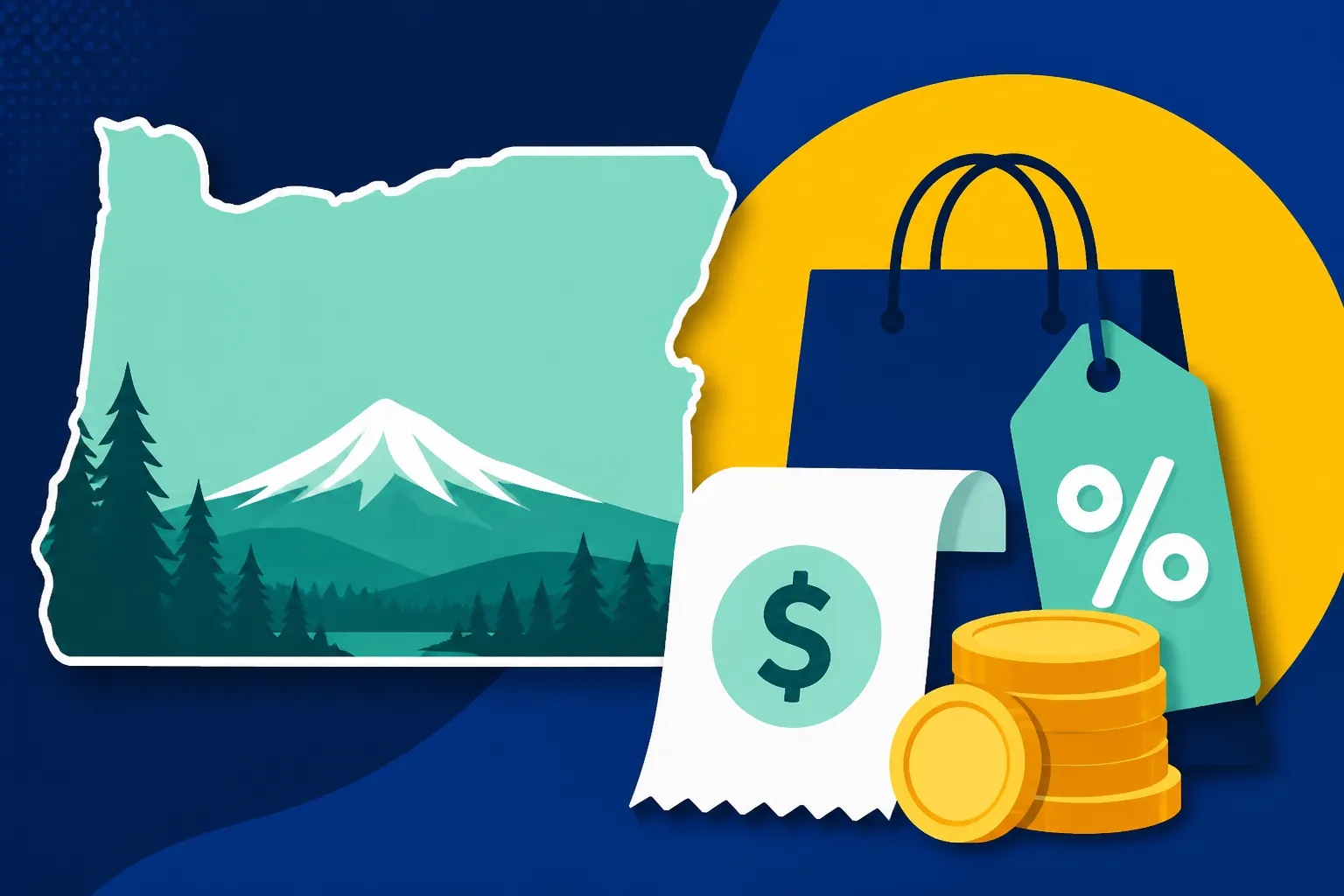
Let's cut right to the chase, because honestly, sometimes you just need a direct answer: Oregon does not have a statewide sales tax. That's right, you read that correctly! It's one of the few states in the U.S. that chooses not to impose a sales tax on tangible goods or services at the state level. This often comes as a pleasant surprise to visitors and can be a big draw for shoppers, especially those coming from neighboring states with higher rates.
What "No Sales Tax" Truly Means for Shoppers
For the everyday consumer, this is fantastic news. When you walk into a store in Portland, Bend, or Ashland, the price tag you see is generally the price you pay (plus any specific local taxes that might apply to certain items, which we'll get into shortly, but these are not sales taxes). There's no additional percentage added at the register for most purchases. This applies to everything from a new pair of shoes to a fancy gadget, and even that delicious artisan coffee.
Think about it: no more mental math trying to figure out what that 7% or 8% will add to your total. It simplifies budgeting and makes shopping trips feel a little more transparent. This makes Oregon a popular destination for cross-border shopping, particularly for big-ticket items, where even a few percentage points can mean significant savings. It's truly a breath of fresh air for those accustomed to calculating the final price in states with complex sales tax structures. In fact, Oregon is part of a small, exclusive club when it comes to states without a general sales tax. If you're curious about others, check out our guide on States With No Sales Tax (NOMAD Explained).
A Look at Oregon's Tax Landscape Beyond Sales Tax
Just because there's no sales tax doesn't mean Oregon is a tax-free haven. The state still needs to fund its public services, and it does so through other revenue streams. The primary way Oregon generates revenue is through income taxes, which tend to be on the higher side compared to many other states. Businesses also face various taxes, including corporate excise taxes. So, while you might save on that new jacket, residents are contributing in other ways. For businesses, understanding this distinction is crucial – you're not entirely off the hook for taxes, just sales tax. Tools like Avalara can help businesses track their overall tax obligations, even when sales tax isn't a factor for in-state sales.
Are There Any Exceptions or Hidden Taxes to Consider?
This is where things can get a little nuanced, but it's crucial to understand the distinction. While Oregon doesn't have a general sales tax, there are specific charges and excise taxes on certain goods and services. These are not sales taxes in the traditional sense, but they do mean you'll pay more than the sticker price on particular items. Don't worry, we'll break it down so there are no surprises.
Local-Specific Taxes and Fees
Oregon cities and counties do have the authority to impose their own taxes, but these are typically not on general retail sales. For instance, many localities, especially popular tourist destinations like Portland or Bend, impose a lodging tax on hotel stays and short-term rentals. So, when you book a room, you'll see an additional percentage added to your bill, but this is a specific occupancy tax, not a sales tax on the room itself.
Another common example involves recreational cannabis. While the sale of cannabis is legal in Oregon, it's subject to an excise tax. This tax is applied at the point of sale, similar to how a sales tax might operate, but it's specifically designed for cannabis products and not a blanket sales tax. These aren't general sales taxes that apply to your entire shopping cart; they are targeted taxes on specific activities or products.
The Elephant in the Room: Use Tax for Out-of-State Purchases
Here's a concept that often catches people off guard when they live in a state without sales tax: the use tax. While you don't pay sales tax on items bought within Oregon, if you purchase something from an out-of-state retailer (say, online from a store based in Texas) and that retailer doesn't charge you sales tax, you might actually owe use tax to Oregon.
The use tax is essentially a sales tax on items purchased outside your home state for use, storage, or consumption within your state, when the selling state's sales tax wasn't collected. Oregon technically has a use tax, but it's very rarely enforced for individual consumers due to the practical difficulties of tracking every purchase. However, for businesses, it's a much more serious consideration. If an Oregon business buys office supplies from an out-of-state vendor that doesn't collect sales tax, that Oregon business is technically liable for use tax on that purchase. It's a critical piece of the puzzle that often gets overlooked, but it's good to be aware of, especially if you're making significant purchases from outside the state. You can learn more about this often-confusing concept in our article, Use Tax Explained: What It Is & When You Owe It.
Other Excise Taxes and Fees
Beyond lodging and cannabis, Oregon has other excise taxes. For example, there are fuel taxes, cigarette taxes, and specific taxes on certain alcoholic beverages. These are generally built into the product's price or added at the point of sale, but again, they are not a general sales tax. It’s important for consumers not to confuse these specific taxes, which fund particular programs or disincentivize certain behaviors, with a broad-based sales tax that would apply to most retail transactions.
Implications for Businesses Operating in Oregon
If you're a business owner, the absence of a statewide sales tax in Oregon simplifies things in some regards, but it also brings its own set of unique considerations, especially when you're selling beyond Oregon's borders or dealing with suppliers.
No Sales Tax Collection for In-State Sales
For businesses primarily selling to customers within Oregon, the biggest advantage is straightforward: you generally don't need to register for a sales tax permit or collect sales tax on your sales. This means less administrative burden, no need to calculate varying local sales tax rates, and no quarterly or monthly sales tax filings with the state Department of Revenue for these transactions. It streamlines your pricing and checkout process considerably.
However, this doesn't exempt you from other business taxes, such as the Corporate Activity Tax (CAT), which is a gross receipts tax that affects businesses with significant activity in Oregon. It’s a completely different animal than a sales tax, but it underscores that businesses still have tax responsibilities beyond sales tax. Keeping good records is still paramount for these other tax obligations.
Navigating Sales Tax Nexus for Out-of-State Sales
The game changes entirely if your Oregon-based business sells goods or services to customers outside of Oregon. In today's e-commerce world, this is increasingly common. If your business establishes "economic nexus" or "physical nexus" in another state, you will be required to collect sales tax on sales into that state, even though you don't collect it in your home state of Oregon.
For example, if your online store in Portland sells enough merchandise to customers in California (exceeding California's economic nexus threshold, which is currently $500,000 in gross sales), you would need to register for a seller's permit in California and collect their statewide 7.25% sales tax, plus any applicable district taxes. This is where sales tax compliance becomes really tricky, and why many businesses turn to software solutions like Avalara to help manage these complex, multi-state obligations. Understanding Economic Nexus by State 2026: Thresholds Guide is vital for any growing business selling online.
Managing Use Tax on Business Purchases
As mentioned earlier, businesses in Oregon are more rigorously expected to self-assess and remit use tax on taxable purchases made from out-of-state vendors that did not collect sales tax. This could include office supplies, equipment, software, or even services that would typically be subject to sales tax if purchased within a sales tax state. This responsibility means businesses need to track these purchases carefully and report them, often annually, to the Oregon Department of Revenue. Missing this can lead to audits and penalties, making it an often-overlooked but crucial part of compliance for businesses in non-sales tax states.
How Oregon Compares to Neighboring States
Oregon's "no sales tax" policy isn't just a quirk; it's a significant economic factor, especially when you look at its geographical location. Nestled between states that do have sales tax, Oregon becomes a destination for shoppers seeking savings.
Washington: The Sales Tax Neighbor to the North
Just across the Columbia River, Washington State has one of the higher combined sales tax rates in the country. The statewide sales tax rate in Washington is 6.5%, but when you add local rates, it's common to see combined rates climb well over 9%, and even past 10% in some cities like Seattle. This stark contrast makes the drive from Vancouver, Washington, across the bridge to Portland, Oregon, a popular one for larger purchases, furniture, or even just a week's worth of groceries (though groceries are typically exempt from sales tax in Washington, too). You can read more about this in our article on Washington Sales Tax Rate Explained.
| Feature | Oregon | Washington | California |
|---|---|---|---|
| State Sales Tax | 0% | 6.5% | 7.25% |
| Average Combined Rate | 0% (excluding specific excise taxes) | ~8-9% (can exceed 10%) | ~8.7-9.5% (can exceed 10%) |
| State Income Tax | Yes (Higher rates) | No | Yes (Higher rates) |
| Major Revenue Source | Income Tax, Corporate Taxes | Sales Tax, B&O Tax | Sales Tax, Income Tax |
| Consumer Advantage | Lower direct purchase cost | No state income tax | Diverse economy, but higher sales tax |
California: The Sales Tax Giant to the South
To Oregon's south lies California, a state known for its robust economy and also for its significant sales tax. California has the highest statewide sales tax rate in the nation at 7.25%, and when you factor in district taxes, many areas, including major metropolitan ones like Los Angeles and San Francisco, see combined sales tax rates exceeding 9%, and some even pushing past 10%. The difference in cost for a substantial purchase, like a car or major appliance, can be thousands of dollars between California and Oregon. This incentivizes residents in northern California to sometimes make the trip north for larger, tax-free purchases. Learn more about their complex system with our article on California Sales Tax Rate (7.25% Base + Districts).
Why the Difference? State Revenue Strategies
These differences highlight the distinct ways states choose to fund their governments. States with no sales tax, like Oregon, typically rely more heavily on income taxes or other forms of business taxation. Conversely, states with high sales taxes, like Washington and California, often have lower or no individual income taxes (as is the case with Washington). There's always a trade-off, and each state's approach impacts its residents and businesses differently. For businesses, this means that while Oregon might seem simpler initially, the complexity of sales tax in other states for remote sales still requires diligent tracking, perhaps with an automation tool like Avalara, to ensure compliance across all jurisdictions where you have nexus.
Understanding the Overall Picture
So, to definitively answer the question, "Is there sales tax in Oregon?" – no, there isn't a general sales tax. This makes Oregon a unique place for both consumers and businesses. For shoppers, it means transparent pricing and potential savings on most retail purchases. For businesses, it simplifies in-state transactions significantly, but it introduces the crucial need to understand and comply with sales tax laws in other states where they might have nexus.
While the absence of a sales tax simplifies local shopping, remember that other forms of taxation, like income tax and various excise taxes, contribute to Oregon's revenue. And for businesses, the world of multi-state sales tax compliance, driven by factors like economic nexus, is still very much a reality. Knowing these nuances helps you navigate the financial landscape whether you're buying a single item or managing a growing enterprise. Always stay informed about the specific rules that apply to your transactions and business operations, and don't hesitate to consult resources like Sales Tax for Online Sellers: Complete Guide to ensure you're always on the right side of tax regulations.
Disclaimer
The information provided in this article is for general informational purposes only and does not constitute tax, legal, or accounting advice. Sales tax laws are complex and subject to change. Please consult with a qualified tax professional for advice tailored to your specific situation.