Virginia Sales Tax Holiday 2026 Guide
It's always a bummer when you're counting on a way to save a little cash, especially when budgeting for big expenses like back-to-school supplies or important home upgrades. For years, the Virginia Sales Tax Holiday was a reliable event that offered families and individuals a much-needed break from sales tax on essential items. This guide will walk you through what has changed, what it means for your shopping plans, and how to navigate the new landscape to keep more money in your pocket.
The End of an Era: Virginia's Sales Tax Holiday Is Not Scheduled for 2026
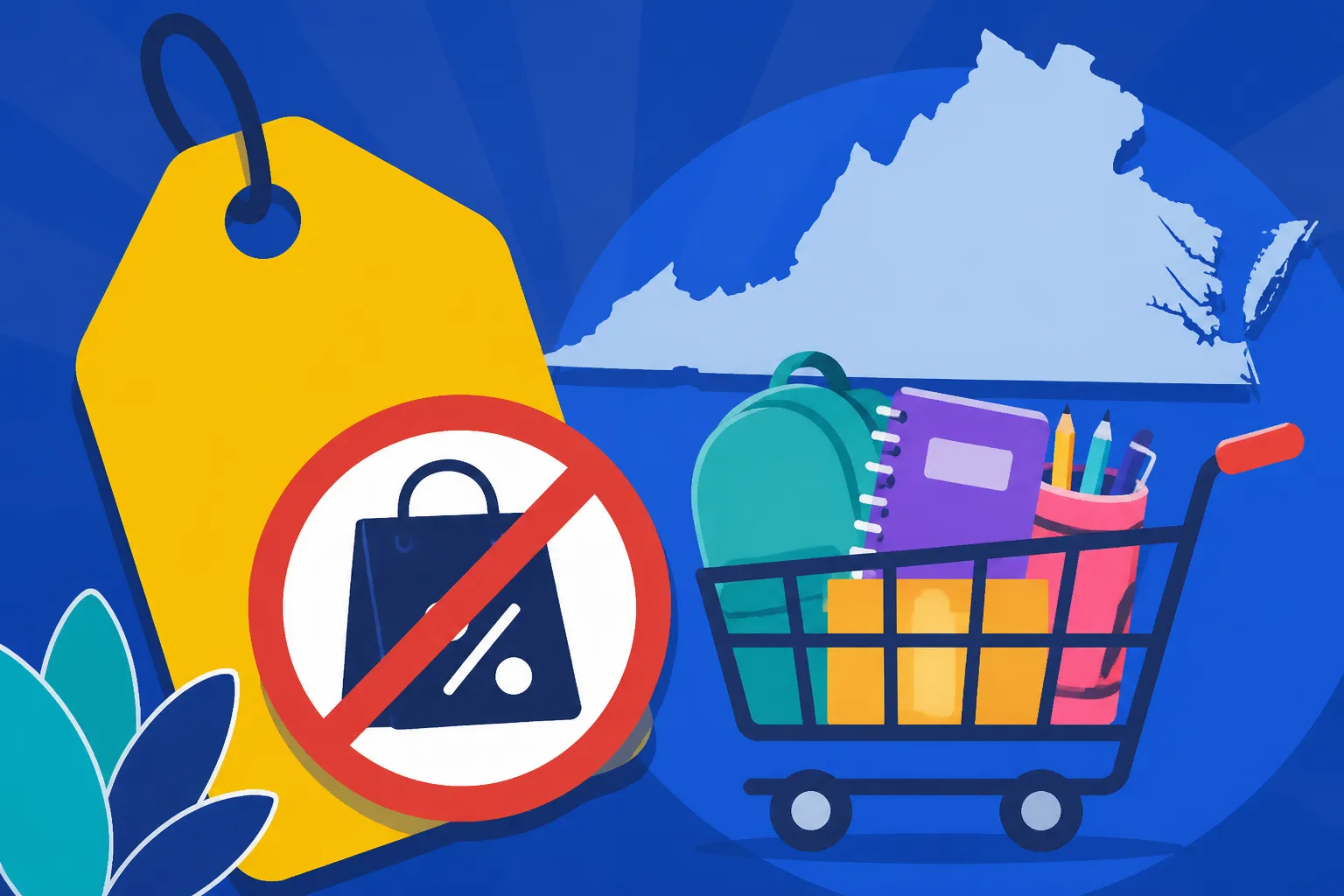
For many years, Virginia residents looked forward to a specific weekend in August when they could save on a wide range of purchases. However, that tradition has come to an end, at least for now. The Virginia General Assembly did not re-enact the consolidated sales tax holiday for 2026 or any subsequent years during its most recent legislative sessions. This means that, unlike previous years, there will be no designated period in 2026 where certain items are exempt from sales tax in Virginia. This news can certainly feel like a punch to the gut for families who relied on those savings for back-to-school preparations or for folks planning to upgrade to energy-efficient appliances.
The Legislative Decision and Its Impact
The sales tax holiday, a fixture in Virginia for quite some time, required periodic re-authorization by the state legislature. While the reasons for not renewing it can be complex, often involving budget considerations, debates over the holiday's true economic impact, or simply other legislative priorities, the outcome is clear: the law allowing for the sales tax holiday expired. It's a significant shift from how things have been, and it marks a departure from a program many found genuinely helpful. We understand this can be disappointing, especially as the cost of living continues to be a concern for many households across the Commonwealth.
What This Means for Shoppers and Businesses in Virginia
For everyday shoppers, the most immediate consequence is that all items that were previously exempt during the holiday weekend will now be subject to Virginia's standard sales tax rate. This includes things like clothing, footwear, school supplies, certain emergency preparedness items, and qualifying Energy Star and WaterSense products. So, when you're picking up those new jeans for your teenager or a new set of batteries, be prepared to pay the full sales tax.
For businesses operating in Virginia, this change brings a different kind of adjustment. On one hand, they won't need to reconfigure their point-of-sale (POS) systems or train staff specifically for a tax holiday period. On the other hand, they might miss the traditional surge in customer traffic and sales that the holiday often generated. It's a reminder that sales tax compliance is an ongoing process, and businesses must always be aware of legislative changes that impact what they collect from customers.
A Look Back: How the Virginia Sales Tax Holiday Used to Work (and Why It Was So Popular)
To truly understand the impact of its absence, it's helpful to remember just how comprehensive and popular the Virginia Sales Tax Holiday was. Unlike some states that have multiple, separate holidays throughout the year for different categories, Virginia adopted a unique, consolidated approach. This meant one big weekend where a wide variety of essential purchases became sales tax-free.
The Consolidated Holiday: A Comprehensive Approach
Virginia's sales tax holiday typically ran for a full weekend, usually starting the first Friday in August and ending the following Sunday. This unified approach was a godsend for busy families and individuals because it allowed them to tackle several shopping lists at once. You could buy new school clothes, stock up on emergency supplies, and grab that energy-efficient appliance you'd been eyeing, all in one go and all without paying sales tax. This convenience was a huge part of its appeal.
The holiday encompassed three main categories, each with its own set of rules and price limits:
- Back-to-School Items: This was a huge one for families. It covered most articles of clothing and footwear priced under $100 per item. Think t-shirts, jeans, dresses, sneakers, and even undergarments. Additionally, a broad range of school supplies, such as pens, pencils, notebooks, binders, rulers, and calculators, were exempt if priced under $20 per item. This helped immensely in offsetting the growing costs associated with getting kids ready for the new academic year. You can explore the broader context of these savings in our guide on Sales Tax Holidays by State 2026: Full Calendar.
- Hurricane and Emergency Preparedness Items: Given Virginia's susceptibility to various weather events, including hurricanes and winter storms, this exemption was incredibly practical. It applied to common items needed for emergency kits, such as batteries, flashlights, first-aid kits, portable generators (with a price limit typically around $1,000), weather radios, and even bottled water. These savings encouraged residents to be proactive about safety.
- Energy Star and WaterSense Products: This category promoted environmental responsibility and long-term savings. Certain Energy Star-labeled appliances, like washing machines, dishwashers, refrigerators, and even air conditioners (often with a price limit of $2,500 or less per item), qualified. WaterSense-labeled products, such as certain showerheads and faucets, also made the list. This allowed homeowners to make significant upgrades more affordably.
The Impact on Virginia Families and Local Economies
The sales tax holiday offered tangible financial relief. Imagine a family with two or three children. They could easily save $50 to $100 or more just by buying school clothes and supplies during that weekend. For bigger purchases like a new Energy Star refrigerator, the savings could be well over $100 on the sales tax alone. This wasn't just pocket change; it was money that could be put towards other household needs.
Beyond the individual savings, the holiday also provided a significant boost to Virginia's retail sector. Stores, from small local shops in Roanoke to sprawling shopping centers in Fairfax County, saw increased foot traffic and sales volume. It became a strategic time for many businesses to run additional promotions, further enticing shoppers and creating a positive economic ripple effect. It was a mutually beneficial event that many, understandably, will miss.
Finding Savings in a Post-Sales Tax Holiday World
With the sales tax holiday no longer on the calendar for 2026, it might feel like you've lost a crucial tool in your budgeting arsenal. But don't despair! While you'll now be paying the standard Virginia Sales Tax Rate (7% + Local) on everything, there are still plenty of smart strategies you can employ to make your dollars go further.
Strategies for Back-to-School Shopping Without the Holiday
Preparing for back-to-school is often one of the biggest annual expenses for families. Without the tax holiday, you'll need to be more intentional about seeking out other forms of savings:
- Embrace Early Bird Sales and Clearance Racks: Many retailers start their back-to-school promotions well before August. Keep an eye out for clearance events in July, especially for last year's styles or overstocked items. You might find fantastic deals that, even with sales tax, still beat what you would have paid at full price during the old tax holiday.
- Leverage Coupons and Loyalty Programs: Make sure you're signed up for loyalty programs at your favorite stores like Target Circle or Kohl's Rewards. These programs often provide exclusive discounts, cashback, or points that can be redeemed for future purchases. Combine these with manufacturer coupons or store-specific promotions. Remember to check how to apply these savings effectively; our guide on How Do I Calculate Sales Tax on a Purchase? can offer some helpful tips.
- Comparison Shop Online and In-Store: Don't just settle for the first price you see. Use online tools to compare prices across different retailers. Many stores offer price matching, so if you find a lower price elsewhere, they might honor it. This is particularly useful for more expensive items like backpacks, calculators, or specific clothing brands.
- Consider Secondhand Options: For certain clothing items, especially for younger children who grow quickly, explore consignment shops or online marketplaces. You can often find high-quality items at a fraction of the cost, making the sales tax negligible in comparison to the overall savings.
Budgeting for Emergency Preparedness and Energy-Efficient Purchases
While these items might not be as time-sensitive as school supplies, the absence of the tax holiday means you need to plan your purchases carefully.
- Look for Seasonal Sales: Retailers often run sales on emergency preparedness items during hurricane season (June to November) or during specific preparedness weeks. Likewise, appliance stores frequently offer significant discounts on Energy Star products during holiday weekends (like Memorial Day, Fourth of July, or Labor Day). These sales can often provide savings that outweigh the sales tax you would now pay.
- Factor in Long-Term Savings: For Energy Star appliances, remember that their energy efficiency will save you money on utility bills over their lifespan. While you pay sales tax upfront, the long-term operational savings are substantial. Think of it as an investment that will pay dividends. Keep an eye out for rebates from your local utility company, which can offer additional savings on these items.
- Prioritize and Spread Out Purchases: Instead of trying to buy all your emergency supplies or all new appliances at once, prioritize the most critical items. You might buy batteries and flashlights one month, a weather radio the next, and so on. This helps spread the cost throughout the year, making it more manageable. While certain items have historically been exempt, always check What Items Are Exempt From Sales Tax? for general state-specific exemptions, though these typically don't cover general merchandise.
Understanding Virginia's General Sales Tax Landscape
Even without a sales tax holiday, it's crucial for every Virginia resident to understand how the state's sales tax works day-to-day. This knowledge empowers you to budget effectively and understand where your money is going.
Virginia's Standard Sales Tax Rate
As of recent changes, Virginia's statewide sales tax rate is generally 6.0%. This consists of a 4.3% state sales tax, a 0.7% statewide local option tax, and a 1.0% statewide dedicated to transportation. However, it gets a little more intricate. Certain regions within Virginia, notably Northern Virginia (including Arlington, Fairfax, Loudoun, and Prince William Counties, and the cities of Alexandria, Fairfax, Falls Church, Manassas, and Manassas Park) and Hampton Roads (including the cities of Chesapeake, Franklin, Newport News, Norfolk, Poquoson, Portsmouth, Suffolk, Virginia Beach, Williamsburg, and James City and York counties), have an additional 1% regional transportation tax. This means that residents in these areas often pay a combined sales tax rate of 7.0%. For a deeper dive into these complexities, you might find our article on Combined State + Local Sales Tax Rates Explained very useful.
This 6.0% or 7.0% rate generally applies to the sale of tangible personal property. This means most physical goods you buy—from electronics and furniture to books and toys—will have sales tax added to their price.
Goods and Services That Are Still Exempt or Subject to Different Rules
It's important to remember that not everything is subject to sales tax, even outside of a holiday. Some categories of goods and many services have always been exempt in Virginia:
- Groceries and Prepared Food: Generally, most unprepared food items purchased at a grocery store for home consumption are exempt from the statewide sales tax rate. Instead, they are subject to a reduced state rate of 1.5% plus any local sales tax (often 1%). This means you pay a lower tax on your weekly supermarket haul. However, "prepared food" – items sold heated, or on plates, or for immediate consumption – is subject to the full sales tax rate. So, that rotisserie chicken from the grocery store might be taxed differently than a bag of apples. You can learn more about this in our guide on Sales Tax on Groceries & Food by State.
- Prescription Medicines: Essential health items like prescription drugs are exempt from sales tax. Over-the-counter medications might or might not be, depending on specific state classifications, but generally, prescribed items are not taxed.
- Services: Unlike tangible goods, most services in Virginia are not subject to sales tax. This means when you pay for a haircut, car repair labor (though parts might be taxed), or professional consulting fees, you generally won't see sales tax added to the bill. This is a significant distinction from states that tax a broad range of services.
- Clothing Exemptions: While the tax holiday made all clothing under $100 exempt, generally, clothing and apparel are taxable in Virginia at the standard rate. If you're wondering about specifics in other regions, our article Is Clothing Taxable? Sales Tax on Apparel by State covers different state rules.
Adapting Your Business Operations in Virginia
For businesses operating in the Commonwealth, the discontinuation of the sales tax holiday means a simplification in one aspect, but a heightened need for accurate, year-round sales tax compliance in others. It's a critical time to ensure your systems and processes are up to snuff.
Ensuring Accurate Sales Tax Collection Moving Forward
The primary task for Virginia businesses is to ensure that their point-of-sale (POS) systems are correctly updated to apply the standard sales tax rates to all items that were previously exempt during the holiday. This means:
- System Updates: Retailers must verify that their cash registers and e-commerce platforms are no longer programmed to remove sales tax for school supplies, clothing, emergency items, or Energy Star/WaterSense products. This might seem obvious, but overlooking such details can lead to errors.
- Staff Training: It's important to communicate this change clearly to all sales associates. They should understand that the holiday is no longer in effect and be prepared to answer customer questions about why tax is being charged on items that were previously tax-free during the designated weekend.
- Avoiding Penalties: Incorrectly collecting sales tax, whether under-collecting or over-collecting, can lead to issues. Under-collecting means the business could be liable for the uncollected tax during an audit. Over-collecting can lead to customer dissatisfaction and potential legal challenges. Maintaining precision is key to good standing with the Virginia Department of Taxation. You can also review our guide on How to File a Sales Tax Return: Step by Step for more comprehensive filing information.
Leveraging Sales Tax Automation for Ongoing Compliance
Even without a sales tax holiday, the landscape of sales tax in Virginia and across the U.S. remains complex. With varying local rates, different taxability rules for certain products (like groceries vs. prepared food), and the ever-present challenge of economic nexus for online sellers, managing sales tax can be a significant burden for businesses of all sizes. This is where modern sales tax automation platforms really shine.
For businesses looking to ensure accurate, up-to-date compliance, sales tax software like Avalara can be an invaluable asset. These systems automatically:
- Calculate the Correct Tax: They use real-time data to determine the precise sales tax rate based on the customer's location (often down to the street address, not just ZIP code) and the specific taxability of the product or service being sold. This is crucial given Virginia's regional transportation taxes that create different combined rates.
- Manage Exemptions: While the holiday exemption is gone, businesses still deal with other types of exemptions, such as sales for resale (requiring resale certificates) or sales to tax-exempt organizations. Automation can help manage and validate these certificates. You might want to read more about this in our guide on Sales Tax Exemption Certificates: Complete Guide.
- Simplify Filing: These platforms can consolidate all collected sales tax data and help generate accurate, ready-to-file returns for various jurisdictions, saving businesses countless hours and reducing the risk of errors.
Investing in sales tax automation can free up valuable time and resources, allowing Virginia businesses to focus on growth and serving their customers, rather than getting bogged down in the intricacies of tax compliance. If you're curious about whether such a system is right for you, our article Sales Tax Automation: Is It Worth It? provides a thorough overview. Given that Avalara offers comprehensive solutions, it's a strong option for businesses seeking to streamline their sales tax processes and ensure compliance. They provide tools that track nexus, calculate rates, and assist with filing, which is essential for businesses with an online presence selling both within Virginia and to customers in other states. For businesses expanding their reach, understanding the nuances of Economic Nexus by State 2026: Thresholds Guide becomes increasingly important.
Disclaimer
The information provided in this guide is for general informational purposes only and does not constitute professional tax or legal advice. Sales tax laws are complex and subject to change. Always consult with a qualified tax professional or the Virginia Department of Taxation for advice tailored to your specific situation.