Does Tax-Free Weekend Apply Online?
Trying to snag a great deal during a tax-free weekend, only to wonder if those savings extend to your online cart, is a frustration many of us know all too well. It’s a common misconception that these special sales tax holidays are exclusively for brick-and-mortar stores, leaving online shoppers scratching their heads and sometimes missing out. This comprehensive guide is here to demystify the rules, help you understand when and how tax-free weekends apply to your internet purchases, and give you the confidence to shop smartly, whether you're clicking "add to cart" or pushing a physical shopping cart.
Understanding Sales Tax Holidays
Sales tax holidays, often referred to as tax-free weekends, are specific periods during the year when certain items are exempt from state and sometimes local sales tax. The primary goal of these holidays is to provide a financial break for consumers, particularly families preparing for back-to-school or stocking up on emergency supplies. However, the specifics can vary wildly from state to state, making it a bit of a puzzle to navigate.
State-Specific Variations and Online Rules
Each state that participates in a sales tax holiday sets its own rules regarding eligible items, price caps, and, crucially, whether the exemption applies to online sales. It’s not a one-size-fits-all situation. For instance, some states explicitly state that online purchases are included, provided the order is placed and often fulfilled during the designated holiday period. Others might have less clear guidelines, or even exclude online sales entirely. This patchwork of rules means you can’t assume that because your state offers a tax holiday, your favorite online retailer will automatically apply the discount. You might be surprised to learn how diverse these rules can be across the country; for a deeper dive into these variations, check out our guide on Sales Tax Holidays by State 2026: Full Calendar.
Imagine you live in Texas and are eyeing a new laptop during their annual back-to-school tax holiday. Texas is one of the states that generally includes online purchases in its tax-free event, as long as the item is paid for and accepted by the retailer during the holiday period for immediate shipment or pickup. However, if you live in a state with stricter rules, that same online purchase might not qualify. The key takeaway here is that you absolutely must verify the specific rules for your state before assuming your online cart will be tax-free.
Common Eligible Items and Price Caps
While the exact list of eligible items changes by state, there are some common categories that frequently make the cut during tax-free weekends. These usually include:
- School Supplies: Pencils, notebooks, crayons, calculators, and backpacks are staples.
- Clothing and Footwear: Most clothing items and shoes are exempt, though some states have specific price limits per item. For example, some states might only exempt clothing items under $100. Understanding these specific limits, like those discussed in Tax-Free Weekend Clothing Price Limits ($100), can prevent unexpected charges.
- Computers and Related Accessories: Laptops, tablets, and sometimes even printers or software can be included, again usually with a price cap per item or per purchase.
- Emergency Preparedness Items: During certain holidays, items like batteries, generators, and weather radios might be tax-exempt.
It's vital to pay close attention to the price caps. If an item exceeds the stated limit, it will likely be fully taxable, not just the amount over the cap. For instance, if your state has a $100 cap on clothing and you buy a jacket for $120, you’ll usually pay sales tax on the entire $120, not just the $20 difference. This level of detail is something you'll want to review in guides like What Qualifies for Tax-Free Weekend?.
Navigating Online Shopping During Tax-Free Weekends
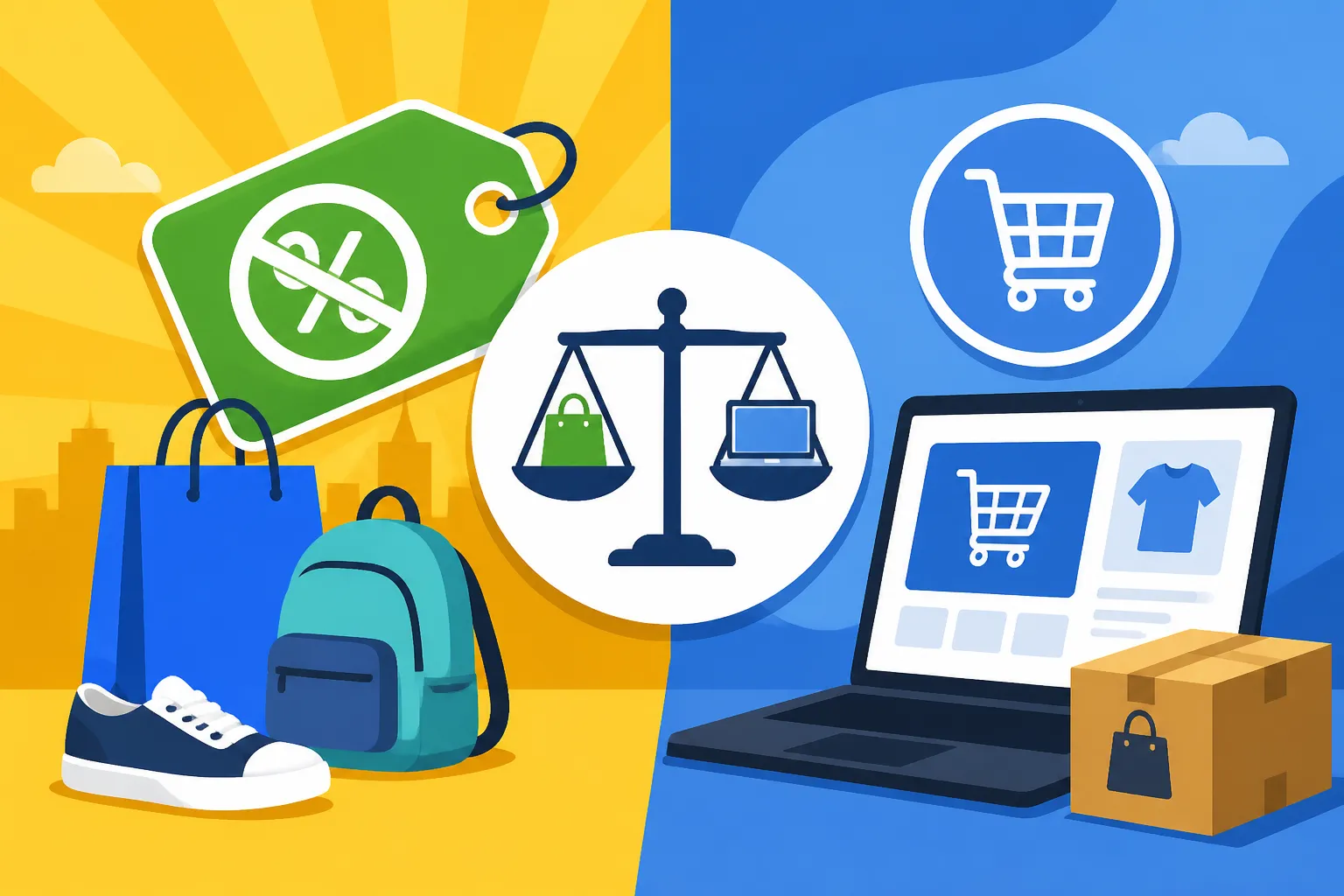
The biggest question on everyone's mind is, "Does tax-free weekend apply online?" The short answer is: often, but not always, and it comes with caveats. It largely depends on your state's specific legislation and the retailer's ability to implement these rules for online transactions.
The "Sales Date" and "Shipping Date" Dilemma
One of the trickiest aspects of online shopping during a sales tax holiday is the timing. Many state laws stipulate that the sale must occur during the tax-free period. For an online purchase, this usually means the order must be placed and paid for within the official start and end times of the holiday. However, what happens if you place an order on the last day, but it doesn't ship until a week later?
In most cases, if the order is officially placed and accepted by the retailer during the holiday, the sales tax exemption should apply, regardless of the shipping date. The "sale" is generally considered to have occurred when the transaction is completed, not when the item physically leaves the warehouse. However, some states might have nuances. For example, some might require immediate shipment or pickup. Always check your state's specific guidelines. If a retailer mistakenly charges tax because of a delayed shipping date, you'd likely need to contact their customer service for a refund. This kind of situation underscores why it's so important to be proactive and understand the rules.
Retailer Participation and Website Setup
Even if your state allows online purchases to be tax-free, not all retailers are equally prepared to handle it. Large retailers like Amazon, Walmart, and Target generally have sophisticated sales tax systems that can detect the shipping address, the tax-free holiday dates, and apply the exemption automatically. You'll usually see the sales tax disappear from your cart at checkout once you input a shipping address in an eligible state during the holiday. This is usually managed by robust sales tax software solutions that these companies employ.
However, smaller online shops or those with less advanced e-commerce platforms might not have the capability to automatically apply the exemption. In these cases, you might find yourself needing to contact customer service before placing your order or requesting a refund afterward. This can be a real hassle, and it’s a good reason to stick with retailers you trust to handle these situations correctly, or at least be prepared to do a little legwork yourself. Remember, retailers collect sales tax on behalf of the state, and they have to comply with complex rules, which can be particularly tricky for online sales and events like tax holidays. For a general understanding of how online sales tax works for businesses, our article on Sales Tax for Online Sellers: Complete Guide might offer some interesting insights into the retailer's perspective.
States That Explicitly Include or Exclude Online Sales
While it's always best to check current state guidelines (as these can change), here's a general overview of how different states have approached online tax-free shopping:
| State (Example) | Online Sales Included? | Typical Condition | Example Items |
|---|---|---|---|
| Florida | Yes | Paid & Accepted during holiday | School supplies, clothing, some electronics |
| Texas | Yes | Paid & Accepted during holiday | School supplies, clothing, some electronics |
| Virginia | Yes (Historically) | Paid & Accepted during holiday | School supplies, clothing, hurricane preparedness items |
| Maryland | Yes | Paid & Accepted during holiday | Clothing, footwear |
| New York | Yes (for eligible items) | Based on individual item thresholds | Clothing, footwear (under specific limits) |
| Massachusetts | Yes (Historically) | Limited to individual items, specific days | All tangible personal property (certain limits) |
| Connecticut | Yes | Paid & Accepted during holiday | Clothing, footwear (under specific limits) |
Note: This table provides general examples and conditions; specific rules and eligibility can change annually. Always verify with the official state tax department for the most up-to-date information.
It's important to recognize that some states that don't have a statewide sales tax holiday, like Delaware, Oregon, or New Hampshire, don't have this issue at all. However, most states with sales tax do participate in some form of tax-free holiday. If you're wondering When Is Tax-Free Weekend 2026? for your state, a quick check of your state's Department of Revenue website is always the best first step.
How to Confirm and Ensure You Get the Exemption
So, you're ready to shop online during a tax-free weekend. How do you make sure you actually get the savings? A little proactive work can save you a lot of headaches.
Checking State Tax Department Guidelines
The absolute most reliable source of information for any sales tax holiday is your state's official tax authority website. Whether it's the Department of Revenue, Comptroller's Office, or Sales Tax Division, they will publish detailed guidelines for the upcoming holiday. These guidelines will clearly state:
- The exact dates and times the holiday is in effect.
- A comprehensive list of eligible items.
- Any price caps per item or per transaction.
- Specific rules regarding online purchases, layaway plans, rain checks, and exchanges.
Don't rely solely on news articles or social media posts, as information can sometimes be outdated or incomplete. Go straight to the source. A quick search for "[Your State] sales tax holiday online purchases" will usually lead you to the official bulletin. For general information on various state tax rates, you might find our article on Sales Tax Rates by State 2026: All 50 States a useful starting point to navigate state tax landscapes.
Communicating with Online Retailers
If you're shopping with a smaller online retailer or one you haven't used during a tax-free weekend before, it's always a good idea to reach out to their customer service before you place your order. You can ask:
- "Will sales tax be automatically removed for eligible items shipped to [Your State] during the tax-free holiday?"
- "What is your policy for online orders placed during the tax-free weekend?"
- "Do you have a specific code or process I need to follow to get the exemption?"
Most reputable retailers will be happy to clarify. If they seem unsure or give conflicting information, you might want to consider taking your business elsewhere, especially for larger purchases where the tax savings are significant. For businesses trying to keep up with these diverse rules, tools that track specific thresholds and exemptions for online sales become invaluable. This is the kind of complexity that makes sales tax compliance a continuous challenge for sellers operating across different states, highlighting the need for accurate systems.
What to Do If the Tax Isn't Applied
You've done your homework, placed your order, and yet, the sales tax still shows up on your receipt. Don't panic! There are steps you can take to rectify the situation.
Contacting Customer Support for a Refund
Your first course of action should be to contact the retailer's customer support. Have your order number, the date and time of purchase, and the specific items in question ready. Politely explain that you believe your purchase was eligible for the sales tax holiday in your state and that sales tax was incorrectly charged.
Most large retailers have procedures in place to issue a refund for the sales tax. They might ask for proof of your state's tax holiday rules, so having a link to the official state tax department's page handy can speed up the process. Keep records of your communication, including names of representatives, dates, and reference numbers. If the item was indeed eligible under your state's specific guidelines, they should process the refund.
Understanding and Reporting Use Tax
This is where things can get a little more complicated, but it's crucial to understand for your own compliance. If you purchase an item online that was supposed to be tax-free, but the retailer incorrectly charges you sales tax, you'll seek a refund from the retailer.
However, if you purchase an item online that should have been taxable (either because it wasn't an eligible item, exceeded the price cap, or your state didn't include online sales in its holiday), and the retailer fails to collect sales tax, then you, as the consumer, might owe what's called "use tax" to your state. Use tax is essentially a sales tax on purchases made outside your state where sales tax wasn't collected. It's designed to level the playing field between in-state and out-of-state purchases.
While many people aren't aware of it, most states with sales tax also have a use tax provision. You'll typically report and pay use tax when you file your annual state income tax return. Don't worry, it's not meant to be punitive for an honest mistake, but it's important to be aware of your obligations. For a thorough explanation of this, our article Use Tax Explained: What It Is & When You Owe It is an excellent resource. Likewise, if you're specifically concerned about online purchases, explore Do I Owe Use Tax on Amazon/Online Purchases?.
So, while the thrill of a tax-free weekend is undeniable, remember that a bit of planning, especially for online purchases, can ensure you truly maximize those savings without any unexpected tax surprises down the road. Happy shopping!
Disclaimer
The information provided in this guide is for general informational purposes only and does not constitute professional tax advice. Sales tax laws and regulations are complex and subject to change by state and local jurisdictions. Always consult with a qualified tax professional or your state's Department of Revenue for advice specific to your situation.