Agricultural Exemption: Who Qualifies?
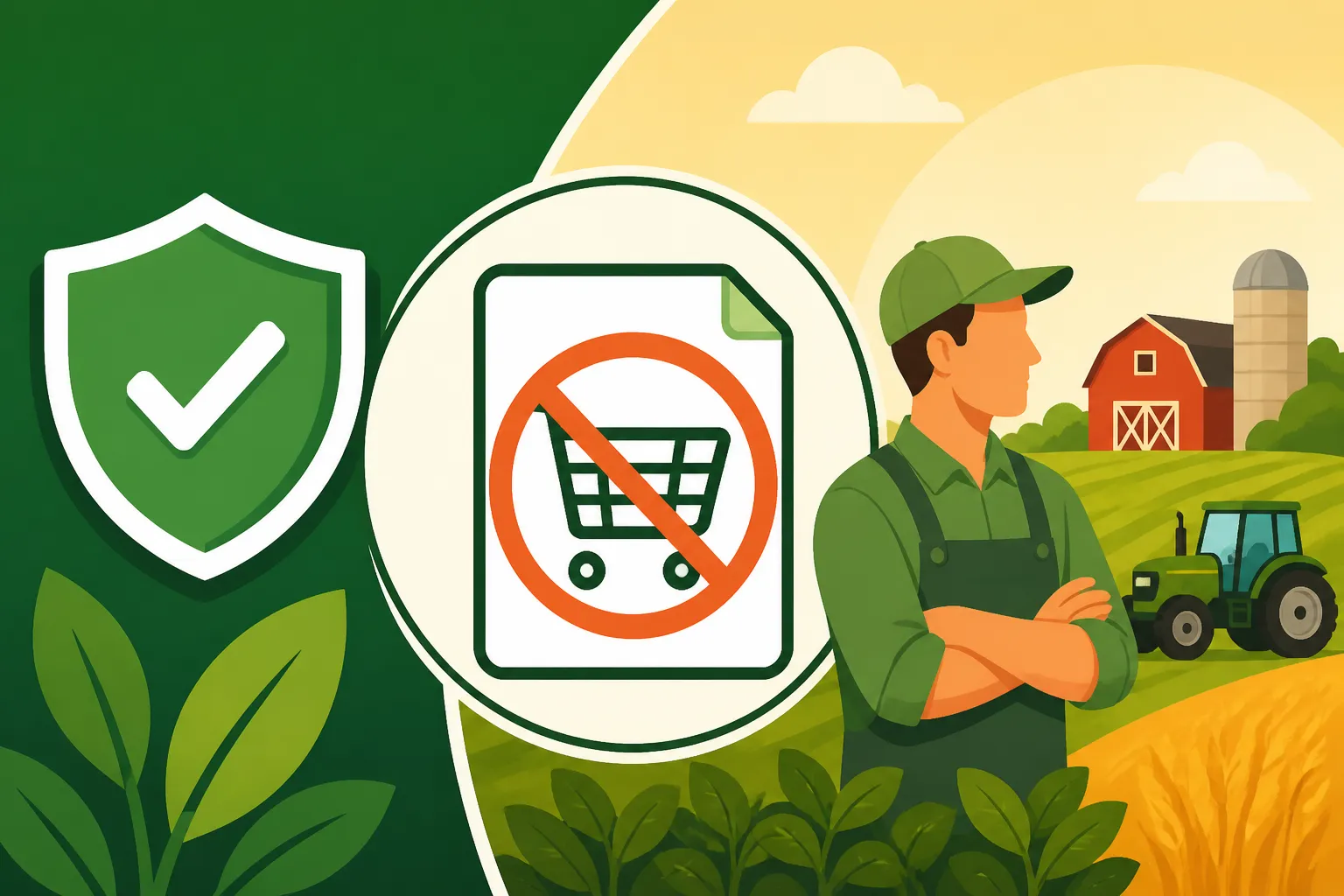
Let's be honest, trying to navigate the tangled web of sales tax can feel like driving a tractor through a minefield. Especially for folks in agriculture, where every dollar counts and rules seem to change with the wind, knowing what’s taxable and what isn't can be a huge headache. This guide is here to shed some light on one of the most vital exemptions for farmers and agricultural businesses: the agricultural sales tax exemption, detailing exactly who qualifies and for what.
Understanding the Agricultural Sales Tax Exemption
For those of us working the land or managing livestock, sales tax exemptions are a big deal. They’re not just some obscure tax code; they represent significant savings that directly impact the profitability and sustainability of farming operations. It’s an acknowledgment by many states that agriculture is a unique and essential industry, often operating on thin margins and facing unpredictable challenges.
What Is It, Really?
At its heart, the agricultural sales tax exemption is a provision that allows eligible farmers and agricultural producers to purchase certain items used directly in farming or ranching without paying state and local sales tax. Think of it as a way to reduce the cost of doing business for those who feed our communities. Without these exemptions, the cumulative sales tax on everything from tractor fuel to chicken feed would quickly eat into already tight budgets, making it harder for farms to thrive. It’s a vital mechanism designed to support the backbone of our food supply.
Why Farmers Get Special Treatment
You might wonder why farmers get this "special treatment," but when you consider the unique economic pressures, it makes perfect sense. Farming is incredibly capital-intensive, requiring substantial investment in land, machinery, and supplies long before any revenue is generated. Furthermore, agricultural products, particularly raw food items like milk, eggs, or raw produce, are often sold on very narrow margins. Adding sales tax to production costs would raise prices for consumers and further squeeze farmers. These exemptions aim to keep farming competitive, foster local food production, and ultimately, benefit everyone by stabilizing food costs and ensuring a reliable supply. It’s not just about helping farmers; it’s about supporting the entire agricultural ecosystem that provides for us all.
Who Qualifies for Agricultural Exemptions?
This is where things can get a little tricky, because "farmer" isn't always as simple a definition as it sounds, especially in the eyes of the taxman. Every state has its own nuances, but generally, the exemption is aimed at those actively engaged in the business of farming.
Defining "Farmer" and "Agricultural Producer"
Most states define a "farmer" or "agricultural producer" as someone primarily engaged in the production of agricultural products for sale. This isn't usually about whether you have a green thumb for your backyard garden. We're talking about commercial operations. For example, in many states, if you grow vegetables, raise livestock, produce dairy, cultivate timber, or operate an aquaculture farm with the intent to sell those products, you’re likely considered a farmer. This typically excludes hobby farmers or individuals who might occasionally sell excess produce from a small personal garden. The key word here is "commercial intent" – the activity must be structured and operated with the goal of generating income from agricultural production. This distinction is crucial; just because you own a few acres and grow some crops doesn't automatically mean you qualify for the exemption. You need to demonstrate that agriculture is your business.
The "Commercial Intent" Requirement
The "commercial intent" requirement is often the biggest hurdle for smaller or newer operations. States want to see a genuine effort to operate a farm as a business, not just a lifestyle choice. This means things like having a business plan, maintaining financial records, actively marketing products, and generating at least some revenue from sales. Some states might even have minimum acreage requirements or specific income thresholds to prove you're truly operating a commercial farm. For instance, you might not qualify if your "farm" is just a small plot from which you sell a few dozen eggs to neighbors each week. However, a larger operation that sells hundreds of dozens of eggs to local grocery stores or farmers' markets would clearly meet the commercial intent. If you're wondering if your operation makes the cut, it's wise to consult your state's specific guidelines or even a tax professional, as overlooking this detail can lead to penalties down the road. It's often not enough to simply state you have commercial intent; you need to demonstrate it through your actions and business structure.
Different Business Structures and Eligibility
The type of business structure you operate under – whether a sole proprietorship, LLC, partnership, or corporation – usually doesn't impact your eligibility for the agricultural exemption itself. What matters is the nature of the activity being conducted. If your LLC is primarily engaged in commercial farming, then purchases made by that LLC for farming purposes would generally qualify. However, how you apply for and use the exemption certificate might vary slightly based on your legal entity. For example, a large corporate farm would claim the exemption in the same fundamental way a family-owned sole proprietorship would, by presenting a valid exemption certificate at the point of purchase. The critical factor remains the use of the purchased items in a qualified agricultural operation, regardless of the corporate veil or individual ownership.
What Purchases Are Covered by the Exemption?
Once you've established your eligibility as a legitimate agricultural producer, the next big question is: what exactly can you buy without sales tax? This is where the exemption truly starts to save you money, but it's important to understand the specific categories.
Essential Farm Equipment and Machinery
One of the most substantial benefits of the agricultural exemption is for the purchase of large-ticket items like tractors, combines, tillers, irrigation systems, and other machinery directly used in planting, cultivating, harvesting, or processing agricultural products. These machines are incredibly expensive, and saving sales tax on them can be thousands, if not tens of thousands, of dollars. For example, a new tractor costing $150,000 would incur over $9,000 in sales tax at a 6% rate, a significant chunk of change that can instead be reinvested into the farm. Parts for these machines, as well as repair services, are often also included. However, it's crucial that these items are exclusively or primarily used for agricultural production. If you're using your tractor mostly for landscaping projects at your personal residence, it might not qualify. The idea is to exempt equipment that is indispensable to the commercial farming operation itself. Many states publish lists or detailed guides on what specific types of machinery are exempt, so it's always a good idea to check your state's Department of Revenue website for specifics.
Consumables: Feed, Seed, Fertilizer, and Chemicals
Beyond the big machinery, the day-to-day consumables are where the exemption also provides continuous relief. This category typically includes:
- Animal Feed: Feed for livestock, poultry, and aquaculture, as long as these animals are raised for commercial purposes (meat, dairy, eggs, fiber, etc.). This doesn't usually apply to pet food for your personal animals.
- Seeds and Plants: Seeds, seedlings, and young plants purchased for commercial crop production. This means if you're planting acres of corn or rows of tomatoes for market, those seeds are exempt.
- Fertilizers and Soil Amendments: Products used to improve soil quality and promote crop growth.
- Pesticides and Herbicides: Chemicals used for pest and weed control in commercial farming operations.
- Fuel: Fuel used to power agricultural machinery, such as diesel for tractors or gasoline for irrigation pumps. Again, the primary use must be agricultural.
These items, though individually less expensive than a tractor, add up quickly over a growing season or a year of livestock management. Imagine the cost of feed for a dairy herd or fertilizer for hundreds of acres of corn without this exemption – it would be astronomical. The sales tax savings on these recurring costs are critical for operational budgeting.
Structures and Improvements Directly Used in Farming
The exemption often extends to materials used to construct, repair, or improve structures that are directly used in agricultural production. This can include barns, milking parlors, poultry houses, greenhouses, grain bins, and fencing materials. For example, if you're building a new climate-controlled greenhouse to extend your growing season or repairing a barn roof, the lumber, nails, roofing materials, and even specialized ventilation systems might be exempt. However, this is another area where "direct use" is paramount. A personal residence on the farm property, for instance, would not qualify for the exemption on construction materials, as it’s not directly used in the production of agricultural goods. Some states also have specific rules about temporary versus permanent structures. Always verify what constitutes a "direct use" structure for your state.
What Purchases Are NOT Exempt? Common Pitfalls
While the agricultural exemption offers significant relief, it's not a blanket exemption for everything a farmer buys. Misunderstanding these limits can lead to unexpected tax liabilities and penalties.
Personal Use Versus Farm Use
One of the most common pitfalls is confusing personal purchases with farm-related purchases. The exemption is strictly for items used in the commercial agricultural operation. If you buy a new television for your farmhouse living room, that's not exempt. Similarly, groceries for your family's dinner are taxable, even if you produced some of them. This distinction can sometimes be blurry, particularly for items that have dual uses. For example, a pickup truck used primarily for hauling farm equipment and produce would likely qualify for exemption on its fuel, but if that same truck is also the family's primary vehicle for commuting and personal errands, a portion of its fuel might not be exempt, or the vehicle itself might not qualify for an initial exemption on its purchase. Keeping clear records that differentiate personal expenses from legitimate farm expenses is absolutely essential here. It helps not only with sales tax but also with income tax reporting.
Non-Agricultural Operations and Retail Sales
The exemption is specifically for agricultural production. If a farm diversifies into other non-agricultural businesses, purchases for those ventures typically won't qualify. For instance, if your farm also operates a separate bed-and-breakfast, purchases for the B&B (linens, guest toiletries, advertising) would be taxable. Similarly, if you have a farm stand where you process and sell goods not grown on your farm (e.g., reselling jams made by a neighbor), the equipment or packaging for those resold items might not be exempt. The key is the direct link to your agricultural production. Any item bought for a separate retail business, even if located on the farm property, usually falls outside the scope of the agricultural exemption. This also applies to items purchased for resale without being processed or used in your own farming operation.
Vehicles and General Office Supplies
While large farm machinery like tractors are generally exempt, the rules for vehicles can be more complicated. Passenger vehicles, even if used occasionally for farm-related travel, are often not exempt, as their primary design is for personal transportation. Commercial trucks, on the other hand, might be exempt if their primary and direct use is for hauling agricultural products or supplies for the farm. Each state has specific criteria for vehicle exemptions, often focusing on gross vehicle weight ratings or dedicated commercial use.
General office supplies, such as pens, paper, computers for administrative tasks, or basic furniture for a farm office, are typically taxable. While these items are necessary for running any business, including a farm, they are not considered directly used in the production process. Think about it: a pen doesn't directly plant a seed or milk a cow. This is another area where precision is key. A specialized farm management software, however, might be viewed differently in some states if it directly aids in production planning or inventory management. Tools like Avalara can help businesses determine the taxability of specific items, even for niche exemptions like agriculture, by keeping up with varied state rules.
How to Claim Your Agricultural Sales Tax Exemption
Knowing you qualify and what's exempt is one thing, but actually claiming the exemption correctly is another. It's not as simple as just telling the cashier you're a farmer; there's a formal process involved.
Obtaining and Using Exemption Certificates
To claim the agricultural sales tax exemption, you'll almost always need to provide an exemption certificate to your vendors. This certificate, often called a farmer's exemption certificate, agricultural exemption card, or similar, is a document issued by your state's tax authority or a standard form that you fill out. It certifies that you are a qualified agricultural producer and that the purchases you're making are for exempt purposes.
The process usually involves:
- Registration: You might first need to register your farm business with your state's Department of Revenue, even if you don't necessarily owe sales tax on your sales. This registration establishes you as a recognized business entity.
- Application: You'll then apply for the agricultural exemption certificate. Some states automatically issue these to registered farmers; others require a specific application proving your eligibility.
- Presentation: When you make an exempt purchase, you present this certificate to the vendor. They keep a copy for their records, proving why they didn't charge you sales tax. This is crucial for them in case of an audit. Many vendors will keep your certificate on file so you don't have to present it every time.
It's vital that you understand the proper use of these certificates. Misusing an exemption certificate, such as buying personal items with it, can lead to serious penalties, including fines and interest. Make sure every purchase you claim as exempt truly falls under the qualifying criteria for your state. For general information on such documents, you can check out our guide on Sales Tax Exemption Certificates: Complete Guide.
Record-Keeping: Your Best Defense
Proper record-keeping isn't just a good idea; it's your absolute best defense in the event of an audit. The burden of proof typically falls on the taxpayer (you, the farmer) to demonstrate that every exempt purchase was legitimate. This means:
- Keeping all exemption certificates: Maintain copies of all certificates you've issued to vendors.
- Detailed purchase records: Keep invoices, receipts, and any other documentation for every exempt purchase. These records should clearly indicate the item purchased, the vendor, the date, and ideally, how the item was used in your agricultural operation.
- Farm business records: Beyond purchase receipts, maintain comprehensive records of your farm's commercial activity, including sales records, expense ledgers, and any documentation that supports your "commercial intent" as an agricultural producer.
Imagine an auditor questioning a large purchase of diesel fuel. If you have detailed logs showing that fuel was used for your combine during harvest, alongside your exemption certificate and purchase receipt, you'll be in a strong position. Without these records, proving legitimacy becomes a much tougher task. This diligence prevents headaches and potential financial liabilities down the line.
Dealing with Out-of-State Purchases
The rules for agricultural exemptions typically apply to purchases made within your state. However, many farmers purchase equipment, seeds, or other supplies from out-of-state vendors. This can introduce complications.
Generally, if you purchase an item from an out-of-state vendor who does not have sales tax nexus in your state, they may not charge you sales tax. In such cases, you might be responsible for remitting consumer use tax to your state, even if the item would have been exempt from sales tax had you purchased it instate. For example, if you buy a specialized piece of equipment from a dealer in Iowa, and you're farming in Nebraska, and that Iowa dealer doesn't have nexus in Nebraska, they won't charge you Nebraska sales tax. However, Nebraska expects you to report and pay use tax on that purchase unless you can claim an exemption.
To claim the agricultural exemption on an out-of-state purchase, you would typically still need to provide your state's agricultural exemption certificate (or a multi-state equivalent) to the out-of-state vendor if they do have nexus in your state and are therefore required to collect sales tax. It's always a good practice to proactively provide your exemption certificate to out-of-state suppliers for exempt purchases. Understanding the nuances of use tax is crucial here, and our guide on Use Tax Explained: What It Is & When You Owe It can provide further clarity.
Navigating State-Specific Agricultural Exemption Rules
Just like the weather, sales tax rules for agriculture can vary dramatically from one state to another. What’s exempt in Texas might be fully taxable in a neighboring state, making it a constant challenge for farmers operating across state lines or even just keeping up with local regulations.
Variations in Definitions and Scope
The biggest challenge with agricultural exemptions lies in the state-by-state variations. There's no single, universal definition of "agriculture" or what constitutes an "exempt item" across all states. For example:
- Florida offers a comprehensive agricultural exemption for tangible personal property used exclusively on a farm or in a nursery to produce agricultural products for sale. This can include feed, seeds, fertilizers, machinery, and even certain structures.
- California has a more restrictive definition, focusing on farm equipment and machinery, and diesel fuel, used primarily in producing agricultural products. The state generally does not offer a blanket exemption for all farm supplies. They also have specific rules for California District Taxes Explained, which can add another layer of complexity.
- New York provides exemptions for certain farm production inputs, including farm machinery, equipment, and services, as well as fuels and utilities used in farm production. However, items like certain buildings or fencing materials might be handled differently than in other states.
These differences mean a farmer operating near a state border needs to be especially careful. A purchase of, say, fencing wire might be exempt in your home state but taxable if you cross state lines to a different vendor. Always consult your specific state's Department of Revenue publications or tax code for the definitive rules applicable to your operation. Many states have dedicated publications for agricultural exemptions that detail exactly what qualifies.
Special Rules for Specific Agricultural Industries
Beyond the general "farmer" definition, some states have specific carve-outs or expanded exemptions for particular agricultural sectors. For example:
- Aquaculture: Many states, recognizing the unique nature of fish farming, have specific exemptions for equipment and supplies used in aquaculture.
- Timber/Forestry: Operations focused on growing and harvesting timber might have their own set of exemptions for specialized forestry equipment and vehicles.
- Nursery/Horticulture: Businesses that grow plants, trees, or flowers for sale may have specific exemptions for nursery stock, pots, growing media, and greenhouse supplies.
These specialized rules reflect the diverse nature of agriculture. What's "equipment" for a row crop farmer is vastly different from what a mushroom grower needs. It's crucial for businesses in these niche agricultural sectors to delve into their state's specific guidelines to ensure they're maximizing their exemptions. This granular detail is exactly why sales tax compliance can feel like a full-time job for many businesses, and why tools like those offered by Avalara become invaluable in keeping track of what's what.
Keeping Up with Changes
Sales tax laws, including exemptions, are not static. States frequently review, amend, and introduce new legislation. These changes can be driven by economic shifts, budget needs, or lobbying efforts by various industries. For example, a state might expand its agricultural exemption to include new technologies, like drones used for crop scouting, or it might narrow exemptions on certain fuel types. Even something like 2026 Sales Tax Rate Changes by State can have ripple effects on the total amount of tax saved via an exemption, even if the exemption itself doesn't change.
Staying informed means regularly checking your state's Department of Revenue website, subscribing to their newsletters, or working with a tax professional or compliance software. A change in definition or scope, even a minor one, could significantly impact your purchasing strategy and tax liability. Missing a critical update could mean you're either overpaying tax you don't owe, or worse, underpaying and setting yourself up for penalties.
Disclaimer
As a veteran lifestyle blogger, I've done my best to provide helpful, comprehensive information. However, I am not a tax professional, and this guide is intended for informational purposes only. Sales tax laws, especially those concerning exemptions, are complex and subject to change. Always consult with a qualified tax advisor or refer to your state's official tax publications for advice tailored to your specific situation.