South Carolina Sales Tax Holiday 2026 Guide
Oh, the sheer joy (and sometimes, the mild panic!) of gearing up for a new school year or just needing some wardrobe refreshes, only to be hit with those sales tax charges. It can feel like an extra burden on already stretched budgets, especially when you're trying to snag everything from textbooks to new sneakers. But guess what? South Carolina offers a brilliant window of opportunity each year to lighten that load a bit – its annual sales tax holiday. This guide is all about navigating the ins and outs of the 2026 South Carolina Sales Tax Holiday, helping you understand exactly what's tax-free, when to shop, and how to make the most of those precious tax-exempt purchases.
Understanding the South Carolina Sales Tax Holiday
For families and individuals across the Palmetto State, the sales tax holiday isn't just a brief reprieve from an added cost; it's a significant event that offers a real chance to save some hard-earned money. It’s a moment designed to ease the financial strain, particularly during the bustling back-to-school season.
What It Is and When It Happens
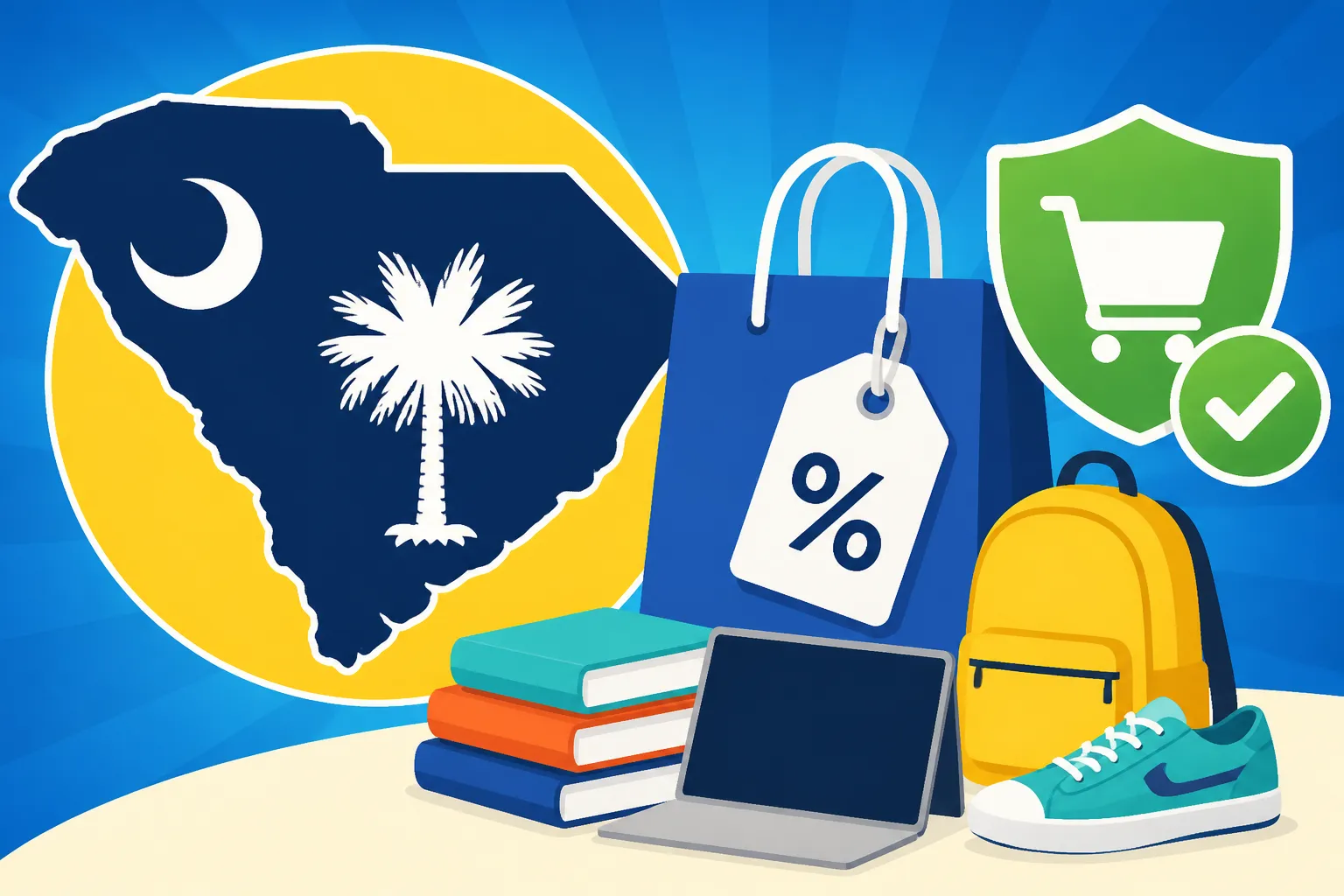
The South Carolina Sales Tax Holiday is a specific period, usually a weekend, where certain retail items are exempt from the state's 6% sales tax and any applicable local sales taxes. This means that for a few glorious days, you can buy eligible items without that extra percentage tacked onto the price tag. While the exact dates are set closer to the event each year, based on historical patterns, the 2026 South Carolina Sales Tax Holiday is widely anticipated to fall during the first full weekend of August, which would be August 7-9, 2026. It's always a good idea to double-check the official announcements from the South Carolina Department of Revenue (SCDOR) as the year progresses, just to be absolutely certain and plan your shopping spree accordingly. You can typically find details on the full calendar of these events in our comprehensive guide to Sales Tax Holidays by State 2026: Full Calendar.
This tax-free weekend isn't just a random gesture; it’s a strategic move by the state to stimulate the economy and provide direct relief to consumers. Imagine buying a brand-new laptop for college or a stack of school uniforms without paying an extra 6% or more. That saving can really add up, especially on bigger-ticket items, allowing families to stretch their budgets further or even opt for higher-quality goods they might otherwise have skipped. For businesses, it’s a chance to boost sales, drawing in customers eager to take advantage of the savings.
The Purpose Behind the Holiday
At its core, the South Carolina Sales Tax Holiday is about financial relief and economic stimulus. The state legislature understands that education-related expenses, in particular, can be substantial for families. From basic school supplies to more expensive items like computers, the costs accumulate quickly. By temporarily removing sales tax on these crucial items, the state aims to make these necessities more affordable for everyone, especially those with multiple children heading back to school.
Beyond helping individual shoppers, the holiday also serves as a boost for local retailers. When consumers save on sales tax, they often have more disposable income, which can encourage them to make additional purchases or choose to shop locally instead of online or out-of-state. This influx of activity can lead to higher sales volumes for businesses, helping them end their summer season on a strong note. It's a win-win scenario where shoppers save, and local businesses thrive. Businesses need to be prepared to adjust their point-of-sale systems to correctly apply these exemptions, and tools from providers like Avalara can be incredibly helpful for ensuring accuracy during such specific sales tax events.
What Items Are Actually Tax-Free?
This is where the rubber meets the road! Knowing exactly what you can buy tax-free is key to maximizing your savings. South Carolina has a pretty generous list, covering many of the essentials that families and students need. However, it's crucial to understand the categories and any specific limitations. For a broader overview of what generally qualifies across different states, you might find our What Qualifies for Tax-Free Weekend? guide useful.
Clothing and Apparel
The sales tax holiday is a fantastic opportunity to stock up on new clothes, shoes, and accessories for the whole family. This usually includes:
- Clothing: Everything from everyday shirts, pants, and dresses to jackets, coats, and even sleepwear. Uniforms for school or sports are also typically covered, which can be a huge relief for parents.
- Footwear: Sneakers, sandals, boots, and dress shoes—if it goes on your feet, it's generally exempt.
- Accessories: This can sometimes be a gray area, but generally, items like belts, hats, and hosiery are included. However, jewelry, handbags, and briefcases are usually not exempt, as they are often considered luxury items or not essential apparel.
The great news about South Carolina's sales tax holiday for clothing is that there's typically no price limit per item, unlike some other states (for example, Massachusetts has a $175 limit on clothing during its holiday, and New York has a $110 rule for certain clothing and footwear items outside of specific tax-free periods). This means you can purchase a new winter coat or a few pairs of quality shoes without worrying about hitting a ceiling and suddenly being charged tax. It's a major advantage for shoppers in the state looking to make significant apparel purchases.
School Supplies
Preparing for school means more than just new clothes; it means a mountain of supplies! The sales tax holiday has you covered here too.
- Standard School Supplies: This category broadly includes items like pens, pencils, paper, notebooks, binders, crayons, markers, glue, scissors, rulers, and even calculators. Think of all the items on a typical back-to-school list provided by teachers – most of those will be tax-free.
- Art Supplies: For the creative students, items like watercolors, paintbrushes, and sketch pads are generally included. This is a great chance for aspiring artists to get their materials without the extra cost.
- Book Bags and Backpacks: Essential for carrying all those new supplies and textbooks, these are also typically exempt.
It’s important to remember that while most traditional school supplies are covered, things like textbooks themselves (which are often purchased directly from schools or online platforms) or general reading books are usually not included in this exemption, as they fall under different tax classifications. However, the savings on the sheer volume of smaller supplies can still be substantial.
Computers and Related Accessories
In our increasingly digital world, a computer is practically a school supply itself. Thankfully, South Carolina's sales tax holiday recognizes this.
- Computers: This includes desktop computers, laptops, and tablet computers. This is often the biggest ticket item on many shopping lists, so saving the sales tax here can mean hundreds of dollars back in your pocket.
- Printers: Often purchased alongside a new computer, printers also typically qualify for the exemption.
- Standard Computer Accessories: Items like keyboards, mice, monitors, and even printer cartridges are usually included. This means you can set up a complete home study station without the added tax burden.
However, there's usually a price threshold for computers and related accessories to qualify. For instance, in many states, there might be a cap like $1,500 or $2,500 per item. In South Carolina, historically, there has been no specific price cap on computers during the holiday, making it a truly exceptional opportunity for high-value purchases. Always confirm the most current guidelines, but generally, this is a fantastic time to upgrade your tech.
Here’s a quick glance at some common items and their tax status during the holiday:
| Item Category | Typical Tax-Free Status | Common Exempt Examples | Common Non-Exempt Examples |
|---|---|---|---|
| Clothing & Footwear | Exempt | Shirts, pants, dresses, shoes, socks | Jewelry, handbags, briefcases, watches |
| School Supplies | Exempt | Pens, paper, notebooks, backpacks | Textbooks, art easels, video games |
| Computers & Tech | Exempt | Laptops, desktops, printers | Cell phones, streaming devices, software (unless bundled) |
| Other (General) | Taxable | Cosmetics, furniture, sporting goods |
Important Rules and Restrictions to Keep in Mind
Even with the excitement of tax-free shopping, there are always a few rules and nuances to be aware of. Overlooking these details could mean missing out on savings or, for businesses, facing compliance issues.
Online vs. In-Store Purchases
Good news for online shoppers! The South Carolina Sales Tax Holiday typically applies to eligible items purchased both in-store and through online retailers. This means you can comfortably shop from your couch, browse various online stores, and still reap the benefits of the tax exemption. However, there are a couple of small caveats to remember:
- Shipping & Handling: While the item itself might be tax-free, shipping and handling charges can sometimes still be subject to sales tax, depending on how they are calculated and the retailer's policy. It’s always smart to check the checkout page carefully.
- Delivery Date: The item must be ordered and either paid for or placed on layaway during the tax-free period for the exemption to apply. If an item is ordered before or after the holiday but delivered during it, it generally doesn't qualify. Conversely, if you order and pay during the holiday, but it arrives later, it usually still counts. Many major retailers, especially those with robust sales tax compliance systems like those offered by Avalara, are well-versed in handling these nuances. Our guide on Does Online Shopping Count for Tax-Free Weekend? delves deeper into this common query.
This flexibility is great for consumers who might prefer the convenience of online shopping or for those who can't make it to brick-and-mortar stores during the busy holiday weekend.
Layaway Plans and Gift Cards
Understanding how layaway plans and gift cards interact with the sales tax holiday is crucial, as the rules can be a bit specific.
- Layaway Plans: If you put an eligible item on layaway during the sales tax holiday, and you make the final payment later, the item generally qualifies for the exemption. The key is that the initial layaway contract must be initiated within the designated tax-free period.
- Gift Cards: Purchasing a gift card itself is typically not tax-exempt, as it's considered a payment method rather than a taxable item. However, when the gift card is redeemed to purchase an eligible item during the sales tax holiday, that item will then be tax-free. If you use a gift card to buy an exempt item outside the holiday, sales tax will apply as usual. It's a good strategy to buy gift cards whenever it's convenient and then use them strategically during the tax holiday.
These distinctions are important for both shoppers and businesses. Retailers, in particular, need to ensure their systems are configured to correctly apply the exemptions for these specific transaction types to maintain compliance and a smooth customer experience.
Purchases for Business Use
A common misconception is that the sales tax holiday applies to all purchases, regardless of their intended use. However, the South Carolina Sales Tax Holiday is generally intended for personal, non-business use. This means:
- Business Exclusions: If you are a business owner buying a new computer or office supplies for your company's operations, those purchases typically do not qualify for the sales tax exemption during this holiday.
- Intent Matters: The spirit of the holiday is to provide relief to individual consumers and families. Businesses often have other avenues for sales tax exemptions, such as resale certificates for items they intend to resell, or manufacturing exemptions for certain equipment.
It's vital for business owners to differentiate between personal and business purchases to ensure compliance. Attempting to use the holiday exemption for business inventory or capital expenditures could lead to complications with the SCDOR. If you're an online seller, understanding your sales tax obligations across different states, especially during events like these, is paramount. You can learn more about this in our comprehensive guide to Sales Tax for Online Sellers: Complete Guide.
Maximizing Your Savings and Staying Compliant
Making the most of the South Carolina Sales Tax Holiday isn't just about showing up at the store. A little planning can go a long way, both for shoppers looking for deals and for businesses aiming for smooth operations.
Tips for Smart Shopping
For shoppers, the sales tax holiday is a prime opportunity to save, but a strategic approach can yield even greater benefits.
- Make a Detailed List: Before the holiday weekend even begins, sit down and make a comprehensive list of all the eligible items your family needs. Think beyond just immediate needs; consider items for the entire upcoming school year or even gifts. This prevents impulse buys of non-exempt items and ensures you get everything on your must-have list.
- Compare Prices Ahead of Time: Don't assume every item will be the cheapest just because it's tax-free. Retailers sometimes adjust pricing around these events. Do your research a week or two beforehand. Check out various stores, both brick-and-mortar and online, to see where the best base prices are. A tax-free item with a higher base price might still cost you more than a taxed item from a different store with a significant discount.
- Combine with Sales and Coupons: The real magic happens when you stack the sales tax exemption with existing store sales, promotions, or coupons. Many retailers will run their own back-to-school sales coinciding with the tax holiday, offering double the savings. Imagine getting 25% off a pair of jeans, and then not paying sales tax on top of that discounted price! It's a budgeter's dream.
- Shop Early (or Strategically): Stores can get incredibly crowded during the sales tax holiday. If you prefer a calmer shopping experience, try to go right when stores open or during off-peak hours. If shopping online, place your orders early in the weekend to avoid any last-minute technical glitches or stock issues. Our Tax-Free Weekend Back-to-School Guide 2026 offers more tips for navigating this busy period.
By planning ahead, comparing prices, and looking for combined deals, you can genuinely maximize the financial relief offered by the South Carolina Sales Tax Holiday. Even understanding something as fundamental as How to Calculate Sales Tax can help you quickly verify your savings.
What This Means for Businesses
For retailers in South Carolina, the sales tax holiday is a high-stakes weekend. It presents a huge opportunity for increased sales but also demands meticulous attention to sales tax compliance.
- System Configuration is Key: Businesses must ensure their point-of-sale (POS) systems, e-commerce platforms, and inventory management software are correctly configured to identify eligible items and apply the sales tax exemption during the specified dates. This includes understanding any specific price limits or item exclusions. Failure to do so could lead to either overcharging customers (and potential refunds) or undercharging (and owing the state sales tax out of pocket).
- Staff Training: Store employees, especially those on the front lines at the cash register, need to be thoroughly trained on what items are exempt and any rules surrounding layaways, exchanges, or refunds during the holiday period. Clear communication prevents confusion and ensures a smooth shopping experience for customers.
- Marketing Strategy: Retailers often use the sales tax holiday as a major marketing hook. Advertising their participation and highlighting eligible items can draw in significant foot traffic and online orders. It’s also an opportunity to combine the tax exemption with store-specific promotions to create even more attractive deals.
- Accurate Reporting: After the holiday, businesses are responsible for accurately reporting their sales, differentiating between taxable and tax-exempt transactions. This is where robust sales tax compliance software truly shines. Solutions from companies like Avalara, for example, are designed to automatically track these nuances, ensuring that businesses collect the correct tax (or no tax, in this case) and report it accurately to the state. This automation can save countless hours of manual reconciliation and significantly reduce the risk of audit penalties, freeing up businesses to focus on growth. For businesses looking into automated solutions, our guide to the Best Sales Tax Compliance Software 2027 offers some valuable insights.
Navigating the sales tax holiday, whether as a shopper or a business, requires attention to detail. But with proper preparation, it can be a highly beneficial event for everyone involved, offering significant savings to consumers and a boost to the state's economy.
Disclaimer
Please remember that sales tax laws and holiday specifics can change. While we strive to provide the most accurate and up-to-date information, this content is intended for informational purposes only and not as professional tax or legal advice. Always consult the official South Carolina Department of Revenue (SCDOR) website or a qualified tax professional for the most current regulations and personalized guidance regarding the 2026 Sales Tax Holiday.