Energy Star Tax Holidays (MD, VA, MO)
It can be incredibly frustrating when you're trying to do the right thing—like investing in energy-efficient appliances to save money on utility bills and reduce your carbon footprint—only to see that savings chipped away by sales tax. It feels like you're being penalized for making smart choices! This comprehensive guide is here to shed light on a fantastic opportunity many states offer: Energy Star tax holidays. We’ll delve into the specifics for Maryland, Virginia, and Missouri, helping you understand how these holidays work, what products qualify, and how you can maximize your savings.
What Are Energy Star Tax Holidays?
Energy Star tax holidays are special periods, typically a few days long, when states temporarily exempt the sale of certain Energy Star-certified products from sales tax. The idea behind these holidays is multi-faceted: states want to encourage consumers to purchase more energy-efficient items, which in turn reduces energy consumption, lowers utility costs for residents, and promotes environmental sustainability. For you, the shopper, it means a chance to save a noticeable chunk of money on big-ticket items.
The Purpose Behind These Holidays
Think about it: when you buy a new refrigerator, washing machine, or air conditioner, that sales tax can easily add up to hundreds of dollars, especially in states with higher rates. States like Maryland, Virginia, and Missouri understand this and use these tax holidays as an incentive. By waiving the sales tax, they make these more expensive, but ultimately more cost-effective, products more accessible. It's a win-win, really. You save money upfront, save money long-term on energy bills, and contribute to a greener planet. It's not just about giving you a break; it's about shifting consumer behavior towards more sustainable choices.
How Energy Star Certification Works
Before you get too excited about a tax break, it’s crucial to understand what "Energy Star certified" truly means. Energy Star is a U.S. Environmental Protection Agency (EPA) program that promotes energy efficiency. Products earn the Energy Star label by meeting strict energy efficiency guidelines set by the EPA. This isn't just a marketing gimmick; these products are independently certified to deliver energy savings without sacrificing performance. When you see that familiar blue Energy Star logo, it signifies that the product consumes less energy than conventional models, translating directly into lower electricity, gas, or water bills over its lifetime. So, while any appliance might claim to be "energy-efficient," only those with the official Energy Star label qualify for these specific tax exemptions.
General Eligibility for Products
While each state has its own list of eligible items and price caps, the general rule of thumb for Energy Star tax holidays is that they cover certain new Energy Star qualified appliances. We're talking about things that typically consume a fair bit of energy in your home. This often includes refrigerators, washing machines, dishwashers, freezers, air conditioners (central and room units), heat pumps, water heaters, and even some light bulbs.
However, it’s important to remember that just because something is listed as an Energy Star product category doesn't mean all products within that category are eligible, especially if there are price limits. For example, a state might offer a tax exemption on Energy Star refrigerators up to $2,500. If you buy a super high-end model for $3,000, that extra $500 might not be exempt, or the entire purchase might be disqualified, depending on the specific rules. Always check the official state tax holiday guidelines for the exact list of eligible items and any associated price ceilings or conditions.
Maryland's Energy Star Tax Holiday Specifics
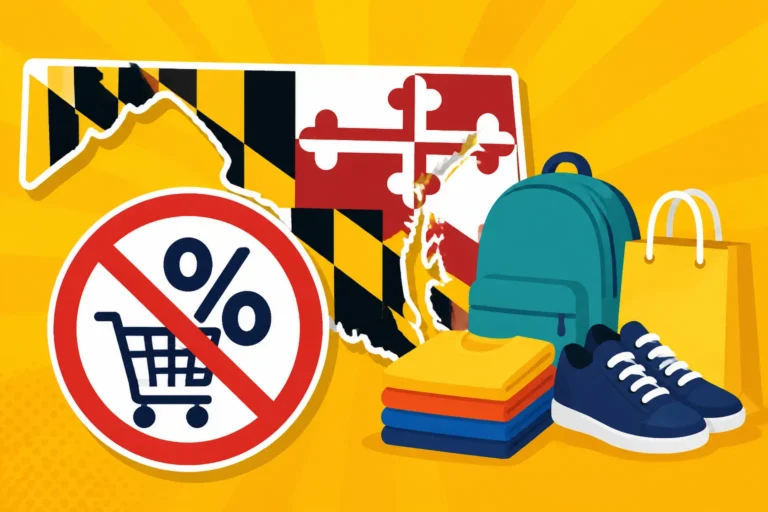
Maryland is one of the states that consistently offers an Energy Star tax holiday, often referred to as the "Shop Maryland Energy Weekend." It's a fantastic opportunity for residents to upgrade their homes with more efficient appliances without the added sales tax burden.
Dates and Duration
Historically, Maryland's Shop Maryland Energy Weekend takes place annually over a specific weekend in February. For example, it often falls on the third full weekend of February, typically running from Saturday through Monday. These dates are generally consistent, but it's always smart to double-check the official Maryland Comptroller's website as the new year approaches to confirm the exact dates for 2026. This limited timeframe means you need to be prepared and know what you're looking for before the weekend hits. Waiting until the last minute might mean missing out on the best deals or finding your desired appliance out of stock.
Eligible Appliances and Price Caps
Maryland's holiday is quite generous, covering a wide range of Energy Star certified appliances. These usually include:
- Air Conditioners: Both room air conditioners and central air conditioning systems.
- Washing Machines: Energy Star certified clothes washers.
- Dryers: Energy Star certified clothes dryers.
- Refrigerators: Energy Star certified refrigerators.
- Furnaces: Energy Star certified furnaces.
- Boilers: Energy Star certified boilers.
- Heat Pumps: Energy Star certified heat pumps.
- Water Heaters: Both tankless and storage water heaters.
- Dishwashers: Energy Star certified dishwashers.
Crucially, Maryland does not typically impose a price cap per item during this holiday. This is a significant advantage compared to some other states' tax holidays, which often limit the exemption to items under a certain dollar amount. This means if you're eyeing a high-efficiency refrigerator that costs $3,000, you'd save the full 6% state sales tax, which is $180, a pretty substantial saving! This flexibility allows consumers to purchase higher-end, more expensive energy-efficient models without worrying about hitting a tax-exempt ceiling.
Where to Shop and Online Purchases
The beauty of Maryland's Energy Star tax holiday is its broad applicability. You can make your tax-free purchases at any retail store located within Maryland. This includes major appliance retailers like Best Buy, Lowe's, and Home Depot, as well as smaller, local appliance shops.
What about online shopping? Yes, online purchases generally qualify too, as long as the item is purchased during the designated tax-free period and shipped to a Maryland address. This is a huge convenience, especially for those who prefer to browse and buy from the comfort of their home or who live in areas without easy access to a large appliance store. Just be sure to verify that the retailer's online system correctly applies the tax exemption at checkout. If you're unsure, a quick call to customer service before finalizing your purchase can save you a headache later. Some retailers, particularly those whose sales tax compliance is handled by robust systems like Avalara, are usually well-prepared to apply these exemptions automatically.
Virginia's Energy Star Tax Holiday Details
Now, let's talk about Virginia. If you're a Virginia resident hoping to take advantage of an Energy Star tax holiday, I've got some news that might be a bit disappointing. Virginia used to have a very popular sales tax holiday that included Energy Star products, but that has changed.
Historical Context and Recent Changes
For many years, Virginia held an annual "Sales Tax Holiday" weekend, typically in August. This holiday was a fantastic all-in-one event that combined back-to-school items, hurricane preparedness supplies, and Energy Star and WaterSense products. It was incredibly popular, offering a broad range of exemptions for consumers. Residents could grab school supplies, generators, and new energy-efficient appliances all in one go, saving a good chunk of change.
However, the Virginia General Assembly made a significant decision, effectively repealing the sales tax holiday starting in 2021. This means that while states like Maryland continue to offer these specific holidays, Virginia no longer does. It was a move that surprised and disappointed many residents and businesses alike, as it removed a long-standing opportunity for savings. For specific details on how to calculate sales tax in the state, you might want to refer to a guide on Virginia Sales Tax Rate.
What Used to Be Eligible
During its existence, Virginia's Energy Star component of the sales tax holiday covered a similar range of appliances to what we see in other states, though it did have specific price caps. Eligible items typically included:
- Energy Star certified appliances: Washing machines, refrigerators, dishwashers, freezers, air conditioners (up to $600 per item), dehumidifiers (up to $600 per item), and certain water heaters.
- WaterSense certified products: These are water-efficient products, which sometimes overlap with energy efficiency, like certain showerheads and toilets.
The price cap for most of the individual Energy Star appliances was usually set at $2,500. This meant that if you bought an Energy Star refrigerator for $2,000, it would be tax-exempt, but if it cost $2,700, you'd owe sales tax on the entire amount. This was an important detail that required careful shopping, unlike Maryland's no-cap approach.
Impact for Virginia Residents Today
So, what does this mean for Virginia residents looking to purchase Energy Star appliances today? Simply put, there is no state-wide sales tax holiday in Virginia that exempts Energy Star products. If you purchase an Energy Star appliance in Virginia, you will pay the full state sales tax rate, which is 6% statewide, plus any applicable local taxes. This can make a significant difference, particularly for big purchases.
While the tax holiday is no longer active, you can still find other ways to save on energy-efficient products in Virginia. Many utility companies offer rebates or incentive programs for customers who upgrade to Energy Star appliances. For instance, Dominion Energy or Appalachian Power might have programs that provide cash rebates for installing new, efficient heating and cooling systems or even for older appliance recycling. Always check with your local utility provider for any such ongoing offers. Unfortunately, for sales tax savings on these items, Virginians will have to look to these rebate programs or perhaps consider if a nearby state's holiday makes an out-of-state purchase feasible (though the logistics of that can get complicated!). If you're curious about how various states handle these exemptions, a good resource might be What Items Are Exempt From Sales Tax?.
Missouri's Energy Star Tax Holiday Information
Missouri also steps up to the plate with its own sales tax holiday that includes certain Energy Star certified appliances. This holiday is usually geared towards disaster preparedness, making it a thoughtful way to encourage residents to invest in items that can help them when severe weather strikes.
Dates and Duration
Missouri's "Show-Me Green Sales Tax Holiday," as it's officially known, typically takes place in April each year. It usually runs for a full week, often starting on April 19th and extending through April 25th. This longer duration gives residents a bit more breathing room compared to a short weekend holiday, allowing for better planning and shopping. The timing in April is strategic, preceding the traditional severe weather season that brings tornadoes and thunderstorms to the Midwest. Always confirm the exact dates on the Missouri Department of Revenue website as they approach to ensure you don't miss out.
Eligible Appliances and Price Limits
The Show-Me Green Sales Tax Holiday has a specific list of eligible items, all of which must be Energy Star certified. These typically include:
- Clothes Washers: Energy Star certified washing machines.
- Clothes Dryers: Energy Star certified clothes dryers.
- Water Heaters: Energy Star certified water heaters.
- Dishwashers: Energy Star certified dishwashers.
- Refrigerators: Energy Star certified refrigerators.
- Furnaces: Energy Star certified furnaces.
- Air Conditioners: Air conditioners with an Energy Star rating.
- Heat Pumps: Energy Star rated heat pumps.
A key differentiator for Missouri's holiday is that it applies to appliances that are new, Energy Star certified, and have a sales price of $1,500 or less per appliance. This price cap is quite important. If you find an Energy Star refrigerator for $1,600, it would not qualify for the exemption. This means consumers need to be mindful of their budget and the specific models they choose to ensure they fall within the qualifying price range. It encourages a focus on mid-range, energy-efficient appliances rather than premium ones.
Combining with Other Discounts
One of the best strategies during Missouri's tax holiday is to stack your savings. Many retailers offer their own promotions, sales, and discounts around these tax-free periods to attract customers. Imagine finding an Energy Star washing machine that's originally $1,400, on sale for $1,200, and then you get the added benefit of no sales tax! That's a significant saving.
It's also worth investigating if your local utility company in Missouri offers any rebates for Energy Star appliances. For example, Ameren Missouri or Evergy often have programs that provide cash incentives for purchasing high-efficiency heating and cooling systems, water heaters, or even recycling old, inefficient appliances. Combining a retail sale, a utility rebate, and the sales tax holiday exemption can lead to substantial overall savings on your purchase. Just be sure to read the fine print on all offers to ensure they can be combined. Understanding how Sales Tax Rate Changes by State happen can also help you prepare for future saving opportunities.
Maximizing Your Savings During Energy Star Tax Holidays
These tax holidays are a golden opportunity, but like any good deal, they require a bit of strategy to get the most out of them. It’s not just about showing up; it’s about smart planning.
Planning Your Purchases in Advance
The single best piece of advice for any sales tax holiday is to plan ahead. Don't wait until the weekend of the holiday to start thinking about what you need. Start your research weeks or even months in advance.
- Assess your needs: Do you truly need a new refrigerator, or is your old one still humming along just fine? Prioritize appliances that are nearing the end of their life or are significant energy hogs.
- Research models: Look up Energy Star certified models that fit your budget and specific requirements. Compare features, read reviews, and check energy usage estimates. Sites like Energy Star's own product finder or Consumer Reports can be incredibly helpful.
- Track prices: Keep an eye on prices at different retailers. Sometimes, a "sale" price during a tax holiday isn't actually better than a regular sale price a few weeks earlier or later. Use price tracking tools if you can.
- Check stock: If you have your heart set on a particular model, call ahead or check online to ensure the store will have it in stock during the holiday. Popular items can sell out quickly!
- Understand installation: Will you need professional installation for a new dishwasher or central AC unit? Factor in those costs and potential scheduling challenges, as installers can get booked up during peak appliance sales times.
By doing your homework, you turn a potential impulse buy into a well-researched, money-saving decision.
Understanding the Fine Print
This is where many people get tripped up. Each state's sales tax holiday has specific rules, and misunderstanding them can mean missing out on the tax exemption entirely.
- Dates and times: Be precise. If a holiday starts at 12:01 AM on a Saturday and ends at 11:59 PM on a Monday, don't assume a Friday evening purchase will qualify.
- Eligible products: As we've discussed, not all "energy-efficient" products qualify. Only those with the official Energy Star certification, and sometimes only specific categories (e.g., clothes washers, but not dehumidifiers), will be exempt.
- Price limits: Pay close attention to any price caps. Missouri's $1,500 limit is a prime example. If your item exceeds that, it won't be tax-exempt.
- Delivery and installation charges: Often, delivery and installation charges for an eligible appliance are not tax-exempt, even if the appliance itself is. Confirm this with the retailer. However, if the delivery is mandatory to complete the sale, some states might consider it part of the tax-exempt transaction. It's truly state-dependent. For more general guidance on this, you can look into articles like Is Shipping Taxable? Freight Sales Tax by State.
- Coupons and discounts: How do coupons affect the price cap? Usually, the "sales price" is the final price after any discounts or coupons are applied, but before sales tax. So, if a $1,600 item is discounted to $1,400 with a coupon and a $1,500 cap applies, it would then qualify. Always confirm this.
Don't be afraid to ask store associates questions. They should be well-versed in the holiday rules. If they seem unsure, ask to speak to a manager or check the state's official Department of Revenue website directly.
The Role of Sales Tax Software for Businesses
While these holidays are designed for consumers, they present a unique challenge for retailers. Imagine a busy weekend with hundreds of transactions, each needing to correctly apply an exemption only for specific items, within specific price ranges, and only for a limited time. This complexity is why sales tax compliance software is so vital for businesses.
Companies like Avalara provide solutions that automatically calculate and apply the correct sales tax, including exemptions for tax holidays. For a retailer in Maryland during the Shop Maryland Energy Weekend, their point-of-sale (POS) system, integrated with a sales tax automation tool, would automatically recognize an Energy Star refrigerator and remove the sales tax, assuming it meets all criteria. This ensures that businesses remain compliant, avoid costly errors, and can confidently pass savings on to customers without manual overrides or guesswork. Without such systems, the administrative burden and risk of errors would be immense, making these holidays much more difficult to implement smoothly. If you're running a business, having a reliable system to handle these nuances is key to staying compliant and avoiding issues. For more on this, you might explore resources like Best Sales Tax Compliance Software 2027.
Common Misconceptions and Important Considerations
Even with all the planning, there are still some common pitfalls and misunderstandings when it comes to sales tax holidays. Let's clear up a few of those.
Not All "Green" Products Qualify
This is a big one. Just because a product is advertised as "eco-friendly," "low-energy," or "sustainable" does not automatically mean it's Energy Star certified or eligible for the tax holiday. The exemption is specifically tied to the official Energy Star label.
For example, a retailer might sell highly efficient LED light bulbs that are not Energy Star certified. While buying them is a great green choice, they probably won't be tax-exempt during an Energy Star holiday. Similarly, water-saving fixtures that aren't specifically WaterSense certified (even if they save water) wouldn't qualify unless the holiday explicitly included them (as Virginia's used to). Always look for that distinctive blue Energy Star logo on the product or its packaging, and double-check the state's official list of eligible items. Don't rely solely on a salesperson's word or a generic "green" label.
The Importance of Retailer Participation
While sales tax holidays are mandated by the state, the practical implementation falls to the retailers. Most major chains and reputable local stores will participate enthusiastically and be well-prepared. However, it's always a good idea to confirm. A smaller, independent store might not have its systems fully updated or might be less familiar with the specific nuances of the holiday.
Additionally, some retailers might choose to absorb the tax or offer an equivalent discount even outside the official holiday dates or on non-qualifying items as a marketing strategy. While this is great for you, it's not the official state tax holiday. Always verify that the sales tax is actually being removed on your receipt rather than just a discount being applied, especially if you plan to return or exchange the item later. The way sales tax is handled on returns can be different for true exemptions versus retailer discounts.
Keeping Up with State-Specific Changes
Sales tax laws, including holiday provisions, are not static. As we saw with Virginia, states can and do change their policies. What was true last year might not be true this year. State legislatures regularly review and amend tax codes based on economic conditions, budgetary needs, and policy goals. For example, some states may add or remove certain categories of items, change price limits, or even alter the dates of their holidays. You can stay informed by checking the Department of Revenue websites for Maryland, Virginia (even if it's just to confirm no holiday), and Missouri well in advance of the typical holiday season. Subscribing to email updates from these departments or following reputable tax news sources can also help you stay on top of any changes. Knowing How Often Do Sales Tax Rates Change? can also give you a broader perspective on the dynamic nature of these regulations.
Comparative Look at Energy Star Tax Holidays
To help you visualize the differences and similarities across these states, here's a quick table summarizing the key aspects of their Energy Star sales tax holidays.
| State | Typical Dates | Eligible Items (Energy Star Certified) | Price Limits | Key Notes |
|---|---|---|---|---|
| Maryland | Mid-February (3 days) | A/C, Washers, Dryers, Fridges, Furnaces, Boilers, Heat Pumps, Water Heaters, Dishwashers | No price cap | Known as "Shop Maryland Energy Weekend." Covers a broad range of appliances without per-item price restrictions. Online purchases generally qualify if shipped to MD. |
| Virginia | N/A (Repealed) | N/A (Historically: A/C, Washers, Fridges, Dishwashers, Freezers, Dehumidifiers, certain WaterSense products) | N/A (Historically: up to $2,500 for most appliances, $600 for A/C and dehumidifiers) | Virginia's sales tax holiday, which included Energy Star items, was repealed starting in 2021. No state-wide sales tax holiday for these items currently exists. Check for utility rebates instead. |
| Missouri | Mid-April (7 days) | Washers, Dryers, Water Heaters, Dishwashers, Fridges, Furnaces, A/C, Heat Pumps | $1,500 per item | Known as "Show-Me Green Sales Tax Holiday." Geared towards disaster preparedness. Purchases must be $1,500 or less per qualifying appliance. Check utility rebates for stacking savings. |
This table clearly highlights why it's so important to check the specifics for your particular state, especially given how drastically Virginia's approach has changed.
In conclusion, taking advantage of Energy Star tax holidays in states like Maryland and Missouri is a smart way to save money on energy-efficient appliances, which in turn helps you save on utility bills down the line. While Virginia no longer offers this specific holiday, staying informed about other incentives and being a savvy shopper can still lead to significant savings. Happy shopping, and may your energy bills be ever lower!
Disclaimer
The information provided in this article is for general informational purposes only and does not constitute tax advice. Sales tax laws, exemptions, and holiday dates can change frequently and vary by state and local jurisdiction. Always consult with a qualified tax professional or refer to the official website of your state's Department of Revenue for the most accurate and up-to-date information regarding sales tax holidays and exemptions.