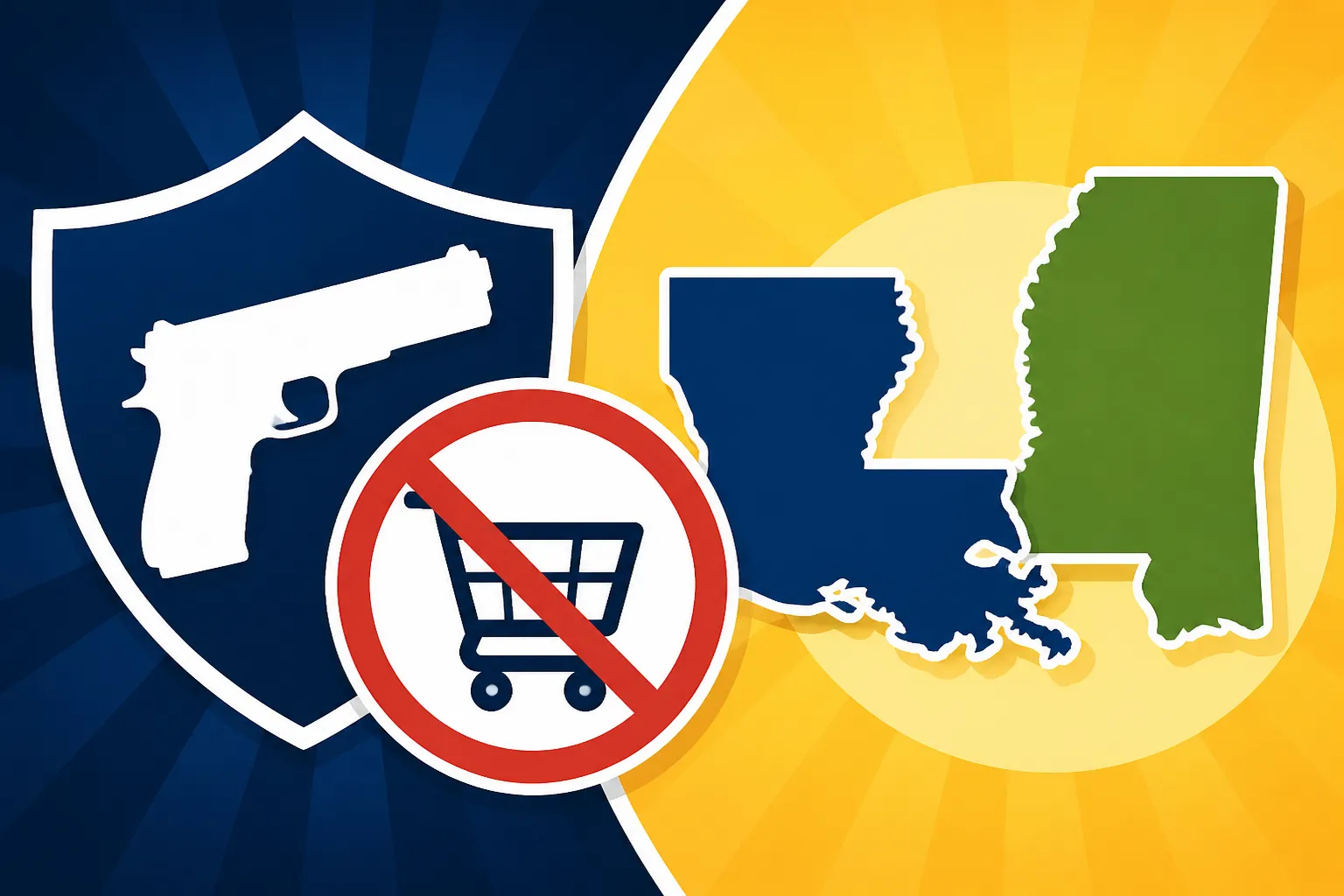
Second Amendment Tax Holidays (LA, MS)
It's incredibly frustrating when you're trying to purchase a firearm, ammunition, or hunting gear, and that final price at the register just creeps up thanks to sales tax. You've budgeted for the item itself, maybe even for a new scope or a box of shells, but the added tax can really throw a wrench in your plans, especially for items that are often a significant investment. Fortunately, a couple of states offer specific relief for these purchases through Second Amendment sales tax holidays. This guide will dive deep into how these special tax-free weekends work in Louisiana and Mississippi, helping you understand what's included and how to maximize your savings.
What Are Second Amendment Sales Tax Holidays?
Sales tax holidays are special periods where certain designated items can be purchased free of state and sometimes local sales tax. While many people are familiar with "back-to-school" or "severe weather preparedness" tax holidays, Second Amendment sales tax holidays are a bit more niche, focusing specifically on firearms, ammunition, and related hunting supplies. It's a way for states to offer a financial incentive to their residents for items tied to constitutional rights and popular outdoor activities.
The Idea Behind These Exemptions
The core philosophy behind Second Amendment sales tax holidays is multifaceted. For many proponents, it's about acknowledging and supporting the constitutional right to bear arms by reducing the financial burden on citizens who choose to exercise that right. In states with strong hunting and outdoor recreation traditions, these holidays also serve as an economic boost for local retailers. By making purchases more affordable, the state hopes to encourage sales that might otherwise be delayed or made out-of-state, thereby keeping revenue within their borders.
Imagine you're a hunter in Louisiana, planning your annual deer hunt. You need a new rifle scope and a few boxes of ammunition. With sales tax, these items can quickly add another 5-10% to your total bill, depending on your location. A tax holiday, even if it's just for a weekend, can translate into real savings, making it easier to afford quality gear. This economic stimulus is often cited by state lawmakers as a benefit, drawing shoppers into brick-and-mortar stores and supporting local businesses that specialize in firearms and sporting goods.
How They Differ from Other Sales Tax Holidays
While the concept of a sales tax holiday might seem universal, Second Amendment holidays have distinct characteristics that set them apart from their more common counterparts. Back-to-school holidays typically focus on necessities like clothing, school supplies, and sometimes computers, often with price caps to ensure the benefit goes to everyday consumers. Severe weather preparedness holidays cover items like batteries, generators, and hurricane shutters, encouraging residents to prepare for natural disasters.
Second Amendment holidays, on the other hand, are specifically tailored to a different category of goods. They often include a broader range of higher-value items like firearms themselves, which are rarely covered in other general tax holidays. The political and social implications also differ, reflecting ongoing debates around gun ownership and the Second Amendment. For sellers, these holidays can bring a surge of customers specifically looking for these items, requiring different inventory and staffing considerations compared to a general holiday. Understanding these distinctions is key to both consumers hoping to save money and businesses trying to stay compliant.
Louisiana's Second Amendment Tax Holiday
Louisiana stands out for having some of the highest combined state and local sales tax rates in the nation, making any tax holiday a welcome relief for shoppers. The state has a strong cultural tie to hunting and outdoor sports, so a tax holiday focusing on these items resonates deeply with many residents.
Dates and Duration in Louisiana
The Louisiana Second Amendment Weekend, also known as the "Second Amendment Sales Tax Holiday," typically takes place on the first Friday through Sunday in September. For example, in 2024, this holiday occurred from Friday, September 6, through Sunday, September 8. It's crucial for shoppers and retailers to mark these dates on their calendars, as the tax exemption is strictly limited to this specific timeframe. Missing it by a day can mean the difference between paying an extra several percentage points in sales tax on a major purchase or enjoying a tax-free transaction.
This annual tradition is something many Louisianans look forward to, strategically planning their purchases of firearms, ammunition, and hunting supplies to align with the tax holiday. It's not uncommon to see stores extend their hours or offer special promotions during this weekend to capitalize on the increased foot traffic and buying interest.
Eligible Items and Restrictions
The Louisiana Second Amendment Sales Tax Holiday covers a specific list of items. Generally, this includes:
- Firearms: This means rifles, shotguns, handguns, and other legal firearms.
- Ammunition: Cartridges, shells, and bullets of various calibers are included.
- Hunting Supplies: This category can be a bit broader but typically includes items directly used for hunting, such as:
- Reloading components
- Hunting apparel (like camouflage gear, specialized boots)
- Archery equipment (bows, arrows, broadheads)
- Tree stands and blinds
- Optics (scopes, binoculars)
- Game calls, decoys, and other accessories
It's important to note that while the state outlines the general categories, there can sometimes be nuances or interpretations at the retailer level, or specific items might be explicitly excluded. For instance, general camping gear, non-hunting specific apparel, or certain services (like gunsmithing or hunting guide fees) are generally not covered. There typically aren't price limits on individual items, meaning even high-value firearms or optics can be purchased tax-free during this period, offering significant savings.
Navigating Louisiana's Local Taxes
Here's where things get a bit more complex, especially in Louisiana. The state's sales tax structure is notorious for its intricate web of local taxes. While the state portion of sales tax is waived during the Second Amendment Holiday, local sales taxes—which include parish (county), municipal (city), and special district taxes—may still apply. This is a critical distinction, as local sales tax rates in Louisiana can be quite high, sometimes even exceeding the state rate. For a deeper understanding of this, you might want to read our guide on the complex subject of Louisiana Sales Tax Rate (Highest Combined 10.11%) .
For example, if the state sales tax is 4.45% (which is the current statewide sales tax rate in Louisiana) and your local combined rate is another 6.00% (a common scenario in many parishes), during the holiday, you would still be responsible for the 6.00% local tax. This means while you're definitely saving money, your purchase isn't entirely "tax-free." Retailers need to ensure their point-of-sale (POS) systems are correctly configured to apply the correct local sales tax while exempting the state portion. Businesses often rely on robust sales tax software solutions like Avalara to manage these intricate local tax rules seamlessly, ensuring accurate calculations during these special periods. As a shopper, it pays to know your local rates before you head to the store to fully understand your potential savings.
Mississippi's Second Amendment Tax Holiday
Like Louisiana, Mississippi recognizes the importance of the Second Amendment and outdoor sports to its citizens. The Magnolia State offers its own version of a sales tax holiday to provide financial relief to purchasers of firearms, ammunition, and hunting equipment.
Dates and Duration in Mississippi
The Mississippi Second Amendment Sales Tax Holiday typically occurs on the last Friday and Saturday of August each year. In 2024, for instance, the holiday was held on Friday, August 23, and Saturday, August 24. This two-day window gives shoppers a focused opportunity to make tax-exempt purchases. While a weekend might seem short, it's designed to create a concentrated period of economic activity for retailers and maximum savings for consumers.
Many families in Mississippi schedule their end-of-summer shopping to coincide with this event, especially those preparing for the upcoming fall hunting seasons. Retailers often prepare for increased foot traffic and higher sales volumes during this brief but impactful period.
Eligible Items and Restrictions
The items eligible for the Mississippi Second Amendment Sales Tax Holiday are generally well-defined, aiming to cover essentials for responsible firearm ownership and hunting activities. The typical list includes:
- Firearms: This encompasses all legal firearms, including handguns, rifles, and shotguns.
- Ammunition: Various types of ammunition used in firearms are included.
- Hunting Supplies: Similar to Louisiana, this category broadly includes items designed for hunting:
- Reloading equipment
- Archery equipment (bows, arrows, quivers, broadheads)
- Hunting blinds and tree stands
- Scopes, binoculars, and other optical sighting devices
- Certain hunting-related apparel like camouflage clothing
- Gun cases and cleaning supplies
As with any tax holiday, it's important to differentiate between genuinely hunting-specific items and general outdoor recreation gear. For example, a fishing rod, a general camping tent, or non-specialized clothing would likely not qualify for the exemption. There are typically no price restrictions, meaning both budget-friendly and high-end items can be purchased tax-free. However, it's always wise to check the official Mississippi Department of Revenue guidelines each year, as slight adjustments can occur.
State vs. Local Dynamics in Mississippi
Mississippi's sales tax structure is generally less complicated than Louisiana's when it comes to local sales taxes. The statewide sales tax rate in Mississippi is 7%. During the Second Amendment Sales Tax Holiday, this 7% state sales tax is waived for eligible purchases. Crucially, local sales taxes typically do not apply to sales tax holidays in Mississippi, meaning that eligible purchases truly are state and local sales tax-free.
This makes the Mississippi holiday particularly attractive, as shoppers can avoid the entire sales tax burden on qualifying items. For a consumer buying a new rifle or a significant amount of ammunition, this can represent substantial savings. For retailers, while they still need to ensure their systems correctly identify and exempt eligible items, the process is generally simpler than in states where local taxes may still apply. This clear-cut exemption helps both parties avoid confusion and makes the holiday more straightforward to participate in and implement.
Understanding Eligibility: What's Covered and What's Not?
Navigating the specifics of what qualifies for a Second Amendment tax holiday can feel like walking through a maze. Each state has its own definitions, and the lines can sometimes blur between a "hunting supply" and general outdoor equipment. Getting this right is crucial for both shoppers wanting to save and businesses needing to stay compliant.
Firearms and Ammunition Nuances
When it comes to firearms, the general rule is that any legal firearm — whether it's a handgun, rifle, or shotgun — is included. This is usually pretty straightforward. You're not just limited to hunting firearms; a pistol for self-defense would also typically qualify, provided it's legally purchased. The same goes for ammunition; if it's legally available for sale, it's usually tax-exempt during the holiday. This covers various calibers and types of cartridges and shells.
However, there are always nuances. For instance, do gun parts or kits count? What about suppressors, which are NFA items? Generally, the tax holiday applies to the completed firearm or ammunition itself, not necessarily components for building a firearm or accessories that require additional federal paperwork and taxes. Always double-check the specific state's official guidance. For retailers, ensuring your POS system is correctly coded for these items is paramount. An incorrect application could lead to discrepancies during an audit, potentially resulting in penalties. Companies like Avalara offer solutions that help businesses automatically apply the correct sales tax (or lack thereof) during these complex periods.
Hunting Supplies and Outdoor Gear
This is often the broadest and most debated category. Most Second Amendment holidays aim to include items directly related to hunting and responsible firearm use. This often means:
- Optics: Rifle scopes, red dot sights, binoculars, rangefinders.
- Archery Equipment: Bows, arrows, broadheads, quivers, armguards.
- Hunting Apparel: Camouflage clothing, hunting boots, waders, specialized vests.
- Equipment for Game: Tree stands, ground blinds, game calls, decoys.
- Maintenance & Storage: Gun cases, cleaning kits, safes (sometimes, if specified).
However, a crucial distinction often made is that the item must be primarily designed for hunting or firearm use. So, while a pair of specialized hunting boots would likely qualify, a general pair of hiking boots would not, even if you plan to wear them while hunting. Similarly, a hunting-specific GPS device might be included, but a general consumer GPS unit would probably not. Think about intent: Is the item clearly marketed and used for hunting? If so, it has a better chance of being included. This also applies to items like knives; a hunting knife usually qualifies, but a general utility knife might not.
Common Exclusions and Gray Areas
Beyond the clear inclusions, there are always items that fall into gray areas or are explicitly excluded. Some common exclusions across various sales tax holidays (and these apply to Second Amendment holidays too) are:
- Services: Things like gunsmithing fees, hunting guide services, or firearm training courses are almost never tax-exempt. Sales tax generally applies to tangible goods, not services, unless a state specifically broadens its definition of taxable services.
- General Merchandise: As mentioned, items that could be used for hunting but aren't primarily designed for it, like general camping equipment, regular clothing, or general-purpose tools, are usually excluded.
- Consumables not directly ammunition: While ammunition is covered, things like food, beverages, or fuel purchased during the hunting trip are taxable.
- Accessories not directly tied to core function: While scopes are generally in, things like personalized engravings or highly decorative additions might not be.
The best practice for both consumers and retailers is to always refer to the official Department of Revenue guidelines for Louisiana or Mississippi for the specific year of the holiday. These documents usually provide detailed lists or clear criteria. Don't assume something is tax-free just because it's in a sporting goods store; verify its eligibility to avoid surprises at the checkout. Understanding these specific rules can help you plan your purchases more effectively and ensure compliance. For a broader look at tax-exempt items, you might find our article on What Items Are Exempt From Sales Tax? helpful.
Practical Tips for Shoppers and Sellers
Making the most of a sales tax holiday requires a bit of strategy, whether you're looking to save some cash or ensure your business is operating within the rules. These special weekends are an opportunity, but they come with their own set of considerations.
Maximizing Your Savings as a Consumer
As a shopper, the key to maximizing your savings during a Second Amendment tax holiday is preparation. Don't wait until the last minute!
- Plan Your Purchases: Identify the specific firearms, ammunition, or hunting supplies you need well in advance. Research prices at different retailers. Knowing exactly what you want helps you avoid impulse purchases of non-exempt items.
- Verify Eligibility: Check the official state Department of Revenue website for the exact dates and a detailed list of eligible items for that year's holiday. Don't rely solely on store signage, which might be generalized.
- Understand Local Taxes: Especially in Louisiana, be aware that local taxes may still apply. Factor this into your expected savings. You might still save a significant amount, but it won't be entirely tax-free. Our guide on How Combined Sales Tax Rates Work can provide more context on this.
- Shop Early (in the Holiday): Stores can get very busy during these periods. Shopping earlier in the weekend might give you better selection and a less rushed experience.
- Compare Prices: A store might run a "tax-free" promotion, but their base prices might be higher than a competitor's. Always compare the total cost to ensure you're getting the best deal. For example, understanding How Much Is Sales Tax on a $100 Purchase by State can give you a baseline of potential savings.
By taking these steps, you can walk into the holiday weekend confident in your purchases and truly make the most of the tax relief offered.
Ensuring Compliance for Retailers
For businesses selling firearms, ammunition, and hunting supplies, sales tax holidays present both a boom in sales and a compliance challenge. Getting it wrong can lead to audits, penalties, and a headache.
- Update POS Systems: Your point-of-sale (POS) system must be configured correctly to automatically apply the sales tax exemption to eligible items during the holiday period. This means distinguishing between state and local taxes, especially in complex states like Louisiana, and recognizing specific product codes.
- Train Staff: Ensure all employees, especially those on the sales floor and at checkout, are fully aware of the holiday dates, eligible items, and any restrictions. They should be able to confidently answer customer questions and process transactions correctly.
- Communicate Clearly: Post clear signage in your store and on your website outlining the details of the tax holiday. This helps manage customer expectations and reduces confusion.
- Maintain Records: Keep accurate records of all sales, distinguishing between taxable and exempt transactions during the holiday. This is crucial for filing your sales tax returns and for any potential audits. Failing to keep proper records or incorrectly remitting taxes can lead to issues outlined in our Sales Tax Penalties & Late Filing by State article.
- Review State Guidance Annually: Tax laws and holiday specifics can change. Review the latest guidance from the state Department of Revenue well before the holiday begins each year.
Ensuring smooth operations during these busy periods means being prepared. Many retailers, particularly those handling a high volume of transactions across various product categories, find automated solutions invaluable. This leads us to our next point.
Leveraging Technology for Smooth Transactions
In today's retail environment, manual sales tax calculations during a tax holiday are almost unthinkable. The complexity of eligible items, coupled with varying state and local tax rates, demands robust technological solutions.
Sales tax compliance software, like Avalara, becomes an absolute game-changer here. Such platforms can:
- Automate Exemption: Automatically identify eligible products based on predefined categories and apply the correct tax exemption (or partial exemption) at the point of sale, whether in-store or online. This eliminates human error and speeds up checkout lines.
- Manage Rate Changes: Keep up-to-date with any changes to holiday rules or general sales tax rates, which can sometimes occur. Our guide on How Do Sales Tax Rate Changes Take Effect? highlights the importance of staying current.
- Simplify Reporting: Generate accurate reports of tax-exempt sales during the holiday, streamlining the sales tax filing process. This makes it easier to demonstrate compliance during an audit.
- Support Multi-Jurisdictional Sales: For businesses with an online presence or multiple locations, these tools can handle the varying rules across different cities, parishes, and states. For more on online sales tax, check out our Sales Tax for Online Sellers: Complete Guide.
Without such tools, businesses risk incorrect tax collection, which can be costly. Imagine trying to manually track eligibility for every single SKU across hundreds or thousands of transactions over a busy weekend. It's a logistical nightmare. Technology ensures accuracy, reduces stress for staff, and helps businesses stay compliant effortlessly. Comparing different software options can also be beneficial, as detailed in our guide on Sales Tax Rate Lookup Tools Compared.
The Broader Landscape of Sales Tax Holidays
Second Amendment sales tax holidays don't exist in a vacuum. They are part of a larger trend of states offering temporary tax relief, and understanding this broader context can help both consumers and businesses navigate the often-confusing world of sales tax.
The Rationale and Impact on Local Economies
States introduce sales tax holidays for several reasons, often citing a desire to boost local economies. The idea is that by temporarily removing the sales tax, consumers will be incentivized to make purchases they might have otherwise delayed or made in a neighboring state (or online). This increased consumer spending theoretically benefits local businesses, leading to higher sales volumes and, in some cases, the creation of temporary jobs.
For Second Amendment holidays specifically, the rationale extends to supporting industries related to hunting, shooting sports, and firearm ownership. These sectors contribute significantly to local economies in states like Louisiana and Mississippi, from gun stores and sporting goods shops to hunting lodges and ammunition manufacturers. While economic impact studies on specific tax holidays can yield mixed results, showing some shift in purchasing rather than pure new spending, they often generate a positive buzz and goodwill among targeted consumer groups. For a comprehensive overview of when and where these opportunities exist, take a look at our Sales Tax Holidays by State 2026: Full Calendar .
Planning for Sales Tax Holidays
Whether it's for back-to-school items, emergency preparedness, or firearms, planning is your secret weapon. For consumers, this means researching upcoming holidays, setting a budget, and making a shopping list. Knowing the dates and eligible items well in advance allows you to compare prices, avoid impulse buys, and ensure you're getting the best value on truly tax-exempt items.
For businesses, planning for sales tax holidays involves more than just adjusting prices. It means optimizing inventory, ensuring adequate staffing, and, most importantly, having robust systems in place to handle the tax exemption correctly. This includes training staff on eligible items, configuring point-of-sale systems, and being ready for increased customer traffic. Proactive planning minimizes errors and maximizes the benefits of these peak sales periods.
Overall Sales Tax Landscape
Sales tax holidays, while beneficial, are temporary exceptions to a much broader and continually evolving system. The general sales tax landscape across the U.S. is incredibly complex, with varying state rates, thousands of local jurisdictions, and diverse rules on what goods and services are taxable. Our guide to Sales Tax Rates by State 2026: All 50 States provides a detailed overview of this complexity.
The average combined state and local sales tax rate can range significantly from state to state, and even within a single state, as seen in places like Louisiana, where local taxes can heavily influence the final price. Understanding these base rates and how they combine is crucial for everyday purchasing decisions, not just during tax holidays. For a clearer picture of how these layers add up, consider reading our explanation of Combined State + Local Sales Tax Rates Explained. These holidays offer a brief reprieve, but the ongoing challenge for businesses remains consistent, accurate sales tax compliance in a dynamic environment.
| State | Typical Holiday Dates | Eligible Items (General) | Local Sales Tax Impact |
|---|---|---|---|
| Louisiana | First Friday-Sunday in September | Firearms, Ammunition, Hunting Supplies, Archery Equipment | State tax waived, local taxes generally still apply |
| Mississippi | Last Friday-Saturday in August | Firearms, Ammunition, Hunting Supplies, Archery Equipment | Both state and local taxes generally waived |
Disclaimer
The information provided in this article is for general informational purposes only and does not constitute tax or legal advice. Sales tax laws and holiday specifics are subject to change annually and may vary by state and local jurisdiction. Always consult with a qualified tax professional or refer to the official state Department of Revenue publications for the most accurate and up-to-date information regarding sales tax holidays and compliance requirements.