What’s Included in Tennessee Tax-Free Weekend?
Alright, let's talk about the Tennessee Sales Tax Holiday, because honestly, navigating these tax-free weekends can feel like trying to decipher a secret code! You want to save money, especially when stocking up on back-to-school essentials, but figuring out what actually qualifies and what doesn't can be incredibly frustrating. This comprehensive guide is here to clear up all that confusion, detailing exactly what's included in Tennessee's annual tax-free weekend, so you can shop smarter and make the most of those precious savings.
Understanding Tennessee's Annual Sales Tax Holiday
Tennessee's sales tax holiday is a fantastic opportunity for shoppers to save a bit of money, particularly when gearing up for the new school year. It’s designed to give families a break on essential items, acknowledging that the costs of clothing, school supplies, and even technology can really add up. But it’s not just a free-for-all; there are specific rules about when it happens and what items actually qualify for that sweet tax exemption.
When Does the Tax-Free Weekend Usually Occur?
For years now, Tennessee has consistently held its sales tax holiday at the very end of July, typically starting on the last Friday of the month and running through the following Sunday. While specific dates for 2026 will be officially announced closer to the time by the Tennessee Department of Revenue, based on past patterns, you can pretty safely anticipate it will fall somewhere around Friday, July 24th, through Sunday, July 26th. This timing is intentional, hitting that prime window when parents are frantically buying new clothes, notebooks, and gadgets before the first bell rings. It’s a well-timed relief that many families rely on to stretch their budgets a little further. Keeping an eye on the official state announcements as the year progresses is always a good idea to confirm the exact dates for the Sales Tax Holidays by State 2026: Full Calendar to ensure you don't miss out.
Who Benefits from This Sales Tax Break?
While often thought of as just for students, the benefits of the Tennessee Sales Tax Holiday extend much further. Of course, families with children from kindergarten all the way through college are major beneficiaries, as they can save on everything from new shoes to a much-needed laptop. But it's not strictly limited to students. Anyone purchasing eligible clothing, school supplies, or computers within the specified price limits during the holiday weekend can take advantage of the tax exemption. This means adults can buy new everyday apparel, and small business owners might even grab some basic office supplies if they fall under the "school supplies" category. On the flip side, retailers also benefit from the increased foot traffic and sales volume this tax incentive brings, though they do have the added responsibility of configuring their point-of-sale systems to correctly apply the exemptions and accurately track sales tax. Understanding these rules is crucial for both shoppers and sellers, as you can see when looking at how states manage their Sales Tax Rates by State 2026: All 50 States.
What Items Are Truly Tax-Exempt? The Nitty-Gritty Details
This is where the rubber meets the road! The heart of the Tennessee Sales Tax Holiday lies in understanding the specific categories and, crucially, the price limits that dictate what qualifies for a tax break. These aren't blanket exemptions, so paying close attention to the details can save you a lot of guesswork and potential disappointment at checkout.
Clothing and Apparel Exemptions
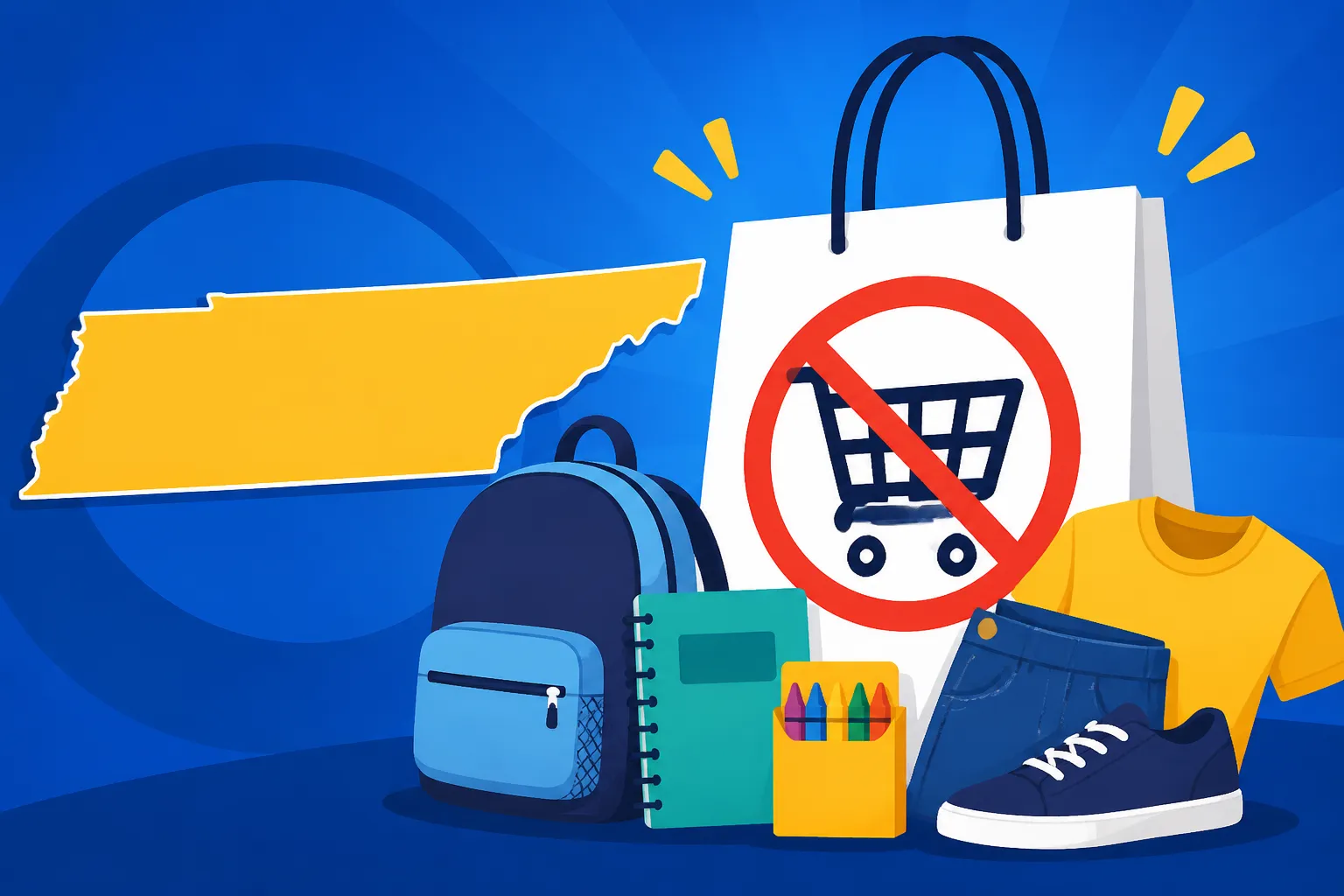
When it comes to clothing, Tennessee has a generous, but firm, rule: individual items of clothing priced at $100 or less are exempt from sales tax. This isn't a "per transaction" limit, but a "per item" limit, meaning you can buy multiple items, each under $100, and still get the tax break. This covers a vast array of common apparel items that people wear every day.
Think about the essentials: shirts, pants, shorts, skirts, dresses, and sweaters. Everyday undergarments like underwear and socks are also included, as are sleepwear and bathrobes. Shoes, including sneakers, dress shoes, sandals, and boots, typically qualify as long as they meet the individual item price cap. Outerwear like coats and jackets also make the cut. The idea is to exempt general-purpose clothing that people need, especially for school or work. For example, if you find a stylish new pair of jeans for $75 and a couple of t-shirts for $20 each, all three items would be tax-free. However, if that designer jacket you've been eyeing is $120, it would still be subject to the full sales tax, even if it's the only item you're buying. This distinction is important for retailers to program into their systems, ensuring accuracy, and it's a detail many shoppers overlook.
What's not included can sometimes be more confusing than what is. Accessories are generally a no-go. This means items like jewelry, handbags, wallets, scarves, ties, belts, and hats are still taxable, regardless of their price. Athletic or protective wear, such as football pads, specialized cleats, goggles, or helmets, are also usually taxable because they're not considered general-purpose clothing. Costume rentals and alterations are also excluded. It really comes down to whether the item is considered "ordinary and necessary" wearing apparel, and if it adheres to that $100 per-item threshold. This rule can be a bit different from other states, so knowing Tennessee's specifics is key, unlike the broader rules you might find in a guide on Is Clothing Taxable? Sales Tax on Apparel by State.
School Supplies and Art Supplies
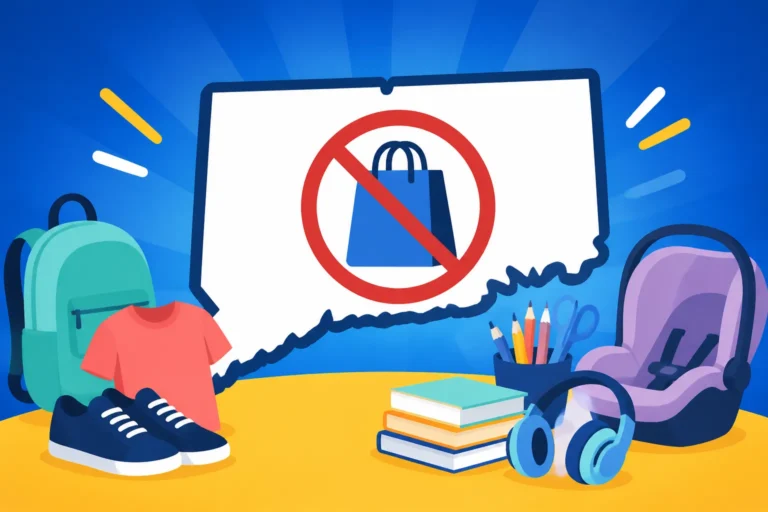
Another major category for the tax holiday is school and art supplies, again with an individual item price limit of $100 or less. This category aims to ease the burden on families preparing for academic endeavors, from elementary school art projects to high school biology labs.
The list of eligible items here is quite extensive. Standard school supplies like pens, pencils, erasers, sharpeners, crayons, markers, highlighters, colored pencils, and glue sticks are all exempt. Notebooks, loose-leaf paper, binders, folders, index cards, and even construction paper typically qualify. Basic school tools such as rulers, protractors, scissors, and calculators are also included if they fall under the price limit. For the creative types, art supplies like paint, paintbrushes, sketchpads, and clay are usually tax-exempt as well, making it a great time to stock up for hobbies or class projects. Imagine you need to buy a graphing calculator for algebra class that costs $90. During the tax holiday, that $90 purchase would be exempt. If you also pick up a new set of art markers for $30, those are also exempt. It's about empowering students and artists with the tools they need without the added tax burden.
However, there are items commonly found in a school setting that don't qualify. Textbooks, for example, are generally not exempt under this holiday. Reference books, unless specifically required for a school course and still under the $100 limit, are often still taxable. Items like cell phones, even if used for school, are not considered "school supplies" for this exemption. Similarly, certain types of educational software or digital subscriptions might also remain taxable, as these often fall under different sales tax rules related to Digital Products Sales Tax by State. The key is to remember that the exemption is for tangible, physical school supplies and art supplies that are commonly used in an educational environment.
Computers, Laptops, and Related Accessories
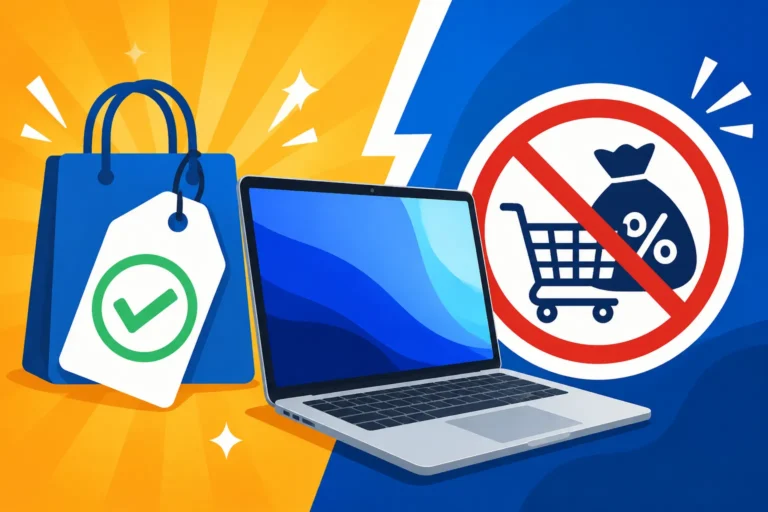
Perhaps one of the most significant savings opportunities during the Tennessee Sales Tax Holiday comes from computers. This category has a higher individual item price limit, allowing for more substantial purchases: computers, laptops, or tablets priced at $1,500 or less per item are exempt.
This exemption is incredibly helpful for families needing to purchase or upgrade technology for students who increasingly rely on digital tools for learning. Eligible items generally include desktop computers, laptop computers, and tablet computers. Essential peripheral items often sold with computers, such as keyboards, monitors, and printers, also typically qualify if purchased at the same time and as part of a single computer system, and if the total for the computer and its related items remains under the $1,500 threshold. For instance, if you find a solid student laptop for $800, and you add a basic printer for $100, that entire $900 purchase would be tax-free. It's a fantastic window to make those larger tech investments without the added sales tax burden, which can be significant given Tennessee's Tennessee Sales Tax Rate (7% + Local).
However, not all electronics or tech accessories are created equal in the eyes of the tax holiday. While computers are exempt, standalone items like cell phones, smartphones, and video game consoles are explicitly not included. Separately purchased software, extended warranties, and service contracts are also typically taxable. Additionally, storage devices like external hard drives or flash drives, as well as cases for tablets or phones (unless bundled as part of an exempt computer purchase), generally do not qualify for the exemption. Even though these items might be used with a computer, they aren't considered part of the core "computer" exemption. It’s important to distinguish between a functional computer system and accessories or standalone devices. For businesses, accurately classifying these items can be complex, and solutions like Avalara are often used to manage these nuances during sales tax holidays and throughout the year.
Common Misconceptions and Exclusions
Despite the generous nature of the Tennessee Sales Tax Holiday, there are always items and scenarios that cause confusion. Understanding what doesn't qualify is just as important as knowing what does, to avoid surprises at the register. Many shoppers mistakenly assume a broader exemption than what's actually in place, leading to frustration.
What Doesn't Qualify for the Tax Break?
Let's clear up some of the most common exclusions. Beyond the specific price limits and categories already mentioned, there are entire classes of goods and services that remain taxable throughout the holiday. For starters, any item of clothing, school supply, or computer that exceeds its individual price cap ($100 for clothing/school supplies, $1,500 for computers) is fully taxable. It's not just the amount over the limit; the entire item becomes taxable.
Then there are all those things that just don't fit into the "back-to-school" theme. This includes services of any kind, whether it's a haircut, car repair, or legal advice – these are generally not subject to sales tax in Tennessee to begin with, or they operate under different tax rules, as explored in articles like Are Services Taxable in My State?. Furniture, even if it's for a student's desk, is usually taxable. Digital products like e-books, music downloads, streaming services, or separately purchased software (not bundled with an exempt computer) are typically still subject to sales tax. Recreational items, sports equipment (unless it's basic athletic clothing under $100), and household appliances are also fully taxable. Even items like watches, luggage, handbags, and wallets, while often purchased around back-to-school time, are considered accessories and remain taxable. And if you're thinking about stocking up on groceries or prepared food, those definitely don't qualify – the holiday is focused on tangible goods for specific purposes.
Online Purchases and Layaway Rules
The rise of e-commerce often leaves shoppers wondering if they can enjoy the tax holiday from the comfort of their homes. Good news! Most states, including Tennessee, extend their sales tax holidays to online purchases, and Tennessee is no exception. As long as the eligible items are ordered and fully paid for during the designated tax-free period, and either shipped immediately or picked up during that window, they qualify for the exemption. This means you can browse your favorite online retailers like Target, Walmart, or even smaller boutique stores and still get the tax break, provided the vendor is set up to apply it correctly. Make sure you finalize your purchase during the actual holiday dates to secure the exemption. Businesses selling online need robust sales tax solutions, often provided by companies like Avalara, to ensure accurate tax calculation for customers across different states and during special events like these.
Layaway plans, however, have specific rules. For an item on layaway to qualify for the sales tax holiday exemption, the final payment must be made, and the item must be delivered to the customer during the official tax-free weekend. If you make a layaway payment outside of that window, even if the item was originally placed on layaway before the holiday, it won't qualify. Similarly, using a gift card to make an eligible purchase during the tax holiday will result in a tax exemption on that purchase. However, the purchase of the gift card itself is never taxable, so you won't save tax by buying a gift card during the holiday. For shoppers planning larger purchases, understanding how to calculate sales tax on the fly, or verifying their purchases, might mean they need a Sales Tax Calculator: How to Calculate Sales Tax. Rain checks can also be tricky; if you receive a rain check during the holiday, the item generally only qualifies for the exemption if you redeem the rain check and purchase the item during the official tax-free period.
Maximizing Your Savings and Staying Compliant
Making the most of the Tennessee Sales Tax Holiday means more than just knowing what's exempt; it's about smart planning and ensuring everyone, from the shopper to the seller, understands their responsibilities. This special weekend is a win-win when handled correctly, but it does require a bit of homework.
Tips for Shoppers
For you, the shopper, the best advice is to be prepared. Start by making a detailed list of everything you need for the upcoming school year or for personal clothing updates. Prioritize items that typically carry a higher sales tax burden, like new electronics. Since the computer exemption is significantly higher ($1,500), consider purchasing a new laptop or desktop during this period if it's on your list. This is also an excellent time to tackle larger clothing expenses for growing kids, knowing you'll save on the 7% state sales tax, plus any applicable local taxes, as detailed in Combined State + Local Sales Tax Rates Explained.
Don't wait until the last minute! Stores can get incredibly busy, and popular items might sell out quickly. Shop early in the weekend to ensure you get what you need. It's also smart to compare prices before the holiday. Sometimes, a "sale" price on a taxable item might still be a better deal than a tax-free price on a more expensive alternative. Remember that the price limits are per item, so you can fill your cart with multiple qualifying items without issue, as long as each one falls under its respective cap. Always check your receipt carefully at checkout to ensure the sales tax was correctly removed, and don't hesitate to ask store associates if something seems off.
Implications for Businesses and Retailers
For businesses operating in Tennessee, the sales tax holiday is a significant event that requires careful preparation to ensure smooth operations and compliance. Retailers must configure their point-of-sale (POS) systems to accurately recognize and exempt eligible items based on the state's specific categories and price thresholds. This means programming the system to apply the exemption automatically to items priced at $100 or less for clothing and school supplies, and $1,500 or less for computers, during the specific holiday dates. It's a precise task, and an error can lead to either collecting too much tax (and unhappy customers) or too little (and potential issues with the state).
Retailers also have to maintain accurate records of all sales, distinguishing between taxable and exempt transactions. This data is crucial for filing accurate sales tax returns after the holiday. Many larger retailers, and even growing small businesses, rely on sales tax automation software to handle these complexities. Solutions provided by companies like Avalara help ensure that the correct sales tax rates and exemptions are applied automatically, reducing the risk of errors during peak shopping periods like the sales tax holiday. Without such tools, managing the dynamic nature of sales tax, including special events like this, can be a major administrative burden, especially for businesses with multiple locations or a significant online presence. This commitment to compliance helps businesses navigate the intricacies of How to File a Sales Tax Return: Step by Step and avoid penalties down the line.
| Item Category | Price Limit (Per Item) | Included Examples | Excluded Examples |
|---|---|---|---|
| Clothing & Apparel | $100 or less | Shirts, pants, dresses, shoes, socks, underwear, coats, uniforms | Jewelry, handbags, ties, scarves, belts, hats, athletic pads, costume rentals, alterations |
| School & Art Supplies | $100 or less | Pens, pencils, paper, crayons, notebooks, binders, glue, rulers, calculators, art brushes | Textbooks, reference books, cell phones, educational software, digital subscriptions |
| Computers & Laptops | $1,500 or less | Desktops, laptops, tablets, e-readers (if considered a computer), keyboards, monitors, printers | Cell phones, video game consoles, flash drives, separately purchased software, extended warranties, cases |
Disclaimer
The information provided in this guide is for general informational purposes only and does not constitute professional tax advice. Sales tax laws and regulations are subject to change, and specific situations can vary. It is always recommended to consult with a qualified tax professional or refer to the official publications of the Tennessee Department of Revenue for the most accurate and up-to-date information regarding the Tennessee Sales Tax Holiday.