Is Candy Taxable in Texas?
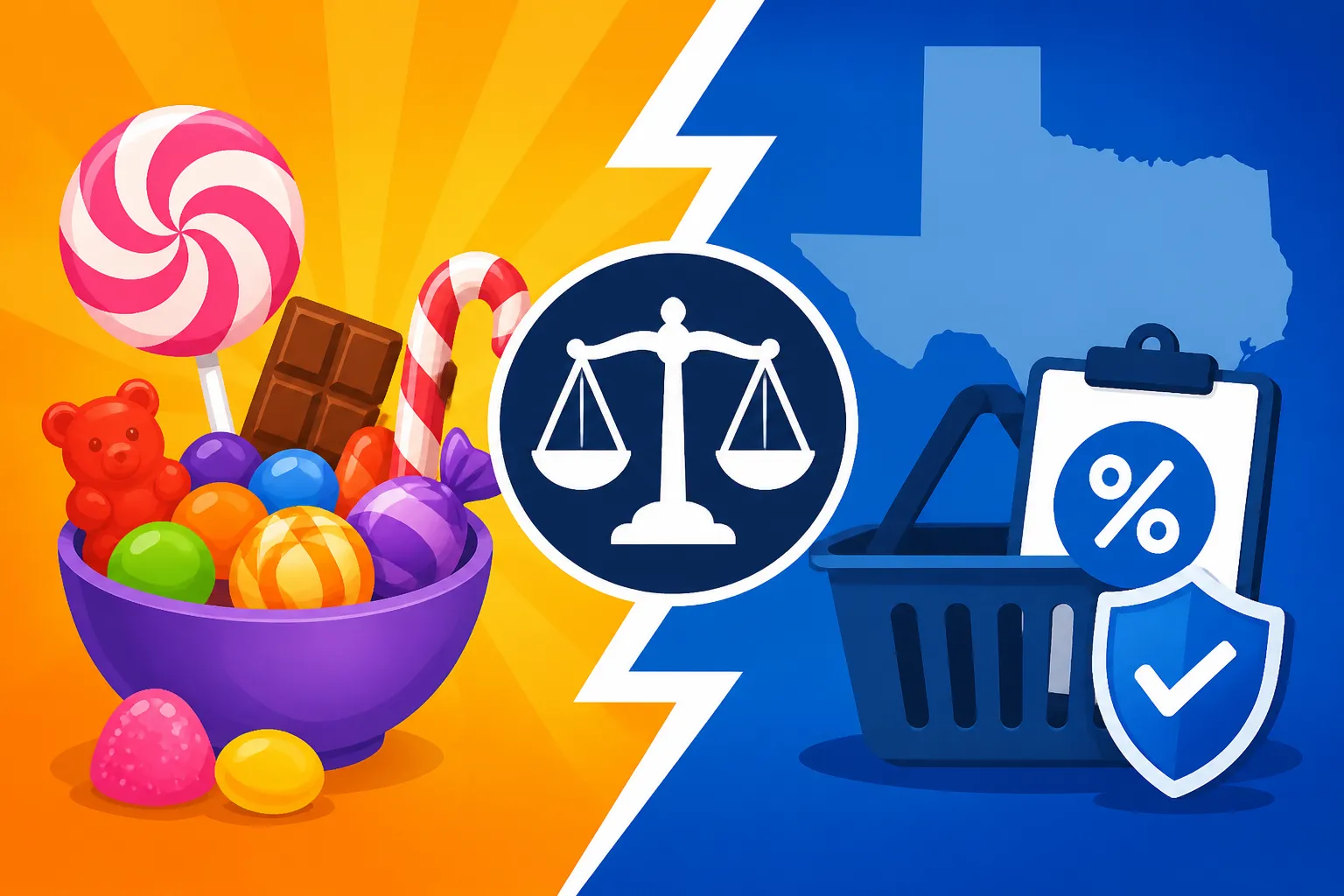
Figuring out sales tax can feel like trying to solve a Rubik's Cube blindfolded, especially when it comes to something as seemingly simple as a bag of candy. Many of us just grab our favorite sweet treat at the grocery store checkout and rarely think twice about the extra charge, but for businesses, and even curious consumers, the question "Is candy taxable in Texas?" is more complex than it appears. This guide will unravel the Lone Star State's specific rules on taxing candy, helping both shoppers and entrepreneurs understand what's taxable, what's not, and why.
The Sweet Truth About Texas Sales Tax on Candy
Texas, like many states, has a unique way of classifying food items for sales tax purposes. You might think all food is treated equally, but that's simply not the case, especially when sugar is involved. The state wants its share of those sweet sales, but there's a fine line between what's considered a "food product" and what falls squarely into the "candy" category, and therefore, gets taxed.
Distinguishing Candy from Other Food Items
In Texas, the general rule is that most food and food ingredients for home consumption are exempt from sales tax. This means your weekly grocery haul – things like fresh produce, meats, dairy, and pantry staples – typically isn't taxed. But here's where candy throws a wrench in the works. The Texas Comptroller of Public Accounts specifically states that candy is taxable. So, what makes candy different from, say, a cookie or a bag of chips? It often comes down to its core ingredients and how it's marketed.
Think about it: a bag of sugar is untaxed. A freshly baked loaf of bread is untaxed. But a chocolate bar? Taxable. The distinction is crucial because it directly impacts the final price you pay as a consumer and, more importantly, how businesses must categorize and collect tax. The state revenue code often looks for specific characteristics that define "candy," typically distinguishing it from other grocery items that might also contain sugar but are considered more substantive food.
The "Flour Test" and Its Impact on Candy Taxation
One of the most talked-about methods for distinguishing taxable candy from non-taxable food items, particularly for those sweet treats, is affectionately known as the "flour test." While Texas doesn't explicitly refer to it as the "flour test" in its statutes, the principle is very much alive in how many states, including Texas, approach the classification of certain products. Essentially, if a product contains flour as a primary ingredient, it might be classified as a food item rather than candy, making it exempt from sales tax when sold for off-premises consumption. This rule exists because many traditional baked goods, like cookies or cakes, use flour as a fundamental component.
Imagine you're at the grocery store. A chocolate bar, often made primarily from sugar, cocoa, and fats, typically doesn't contain flour and would therefore be considered taxable candy. However, a chocolate chip cookie, which is flour-based, would likely be exempt. This seemingly small ingredient difference can drastically change the taxability. This is why when you grab a traditional candy bar, you'll see sales tax applied, but if you pick up a packaged brownie or a box of donuts, you often won't, assuming you're taking them home to eat later. Understanding the nuances of this "flour test" can shed light on why certain items that feel like candy might actually be tax-exempt. For a deeper dive into these kinds of classifications across states, you might find our article on The Candy Flour Test Explained particularly helpful.
Why Some Sweet Treats Escape Sales Tax
It’s not just the "flour test" that dictates taxability. Texas law exempts most food products that are sold for home consumption. This means if something is clearly a grocery item intended to be eaten later, even if it's sweet, it's generally not taxed. This is where the lines get blurry for businesses trying to figure out if that new snack item on their shelf is a "food product" or "candy." For instance, a box of breakfast cereal, even a sugary one, is a food product for home consumption and is not taxed. Similarly, a container of ice cream, while sweet, is considered a dairy food product for home consumption.
The key is often whether the item is perceived as a staple or a primary ingredient in a meal, or if it's specifically marketed and consumed as a confectionary indulgence. Fresh fruit, even very sweet varieties, is always tax-exempt. A bag of gummy bears, on the other hand, designed purely for snacking pleasure, is almost certainly taxable. These distinctions can be a real headache for retailers, as they need to program their point-of-sale systems to correctly apply or exempt tax based on these specific, sometimes subtle, classifications. This is one of the reasons why calculating sales tax can be so intricate, requiring attention to both state and local rules.
Navigating the Nuances: What Texas Considers Taxable Candy
The world of sweets is vast, and Texas has tried to draw clear lines, but some items still leave us scratching our heads. Knowing the specifics can save both businesses and consumers a lot of confusion, and perhaps even a few dollars. It's not always intuitive, but with a little understanding, you can make informed choices at the checkout.
Common Candies That Are Always Taxable
When it comes to the straightforward stuff, Texas is pretty clear. If it looks like candy, acts like candy, and is marketed as candy, it's almost certainly taxable. This includes your classic chocolate bars like a Snickers or Hershey's, bags of gummy candies such as Haribo Goldbears, hard candies like lollipops and peppermints, and even things like jelly beans. These items generally lack flour and are marketed primarily as confections. They are designed for immediate consumption as a treat, rather than being part of a larger meal preparation.
Consider the layout of a convenience store or a grocery aisle. The items typically found in the candy section, near the checkout lanes, are almost universally subject to sales tax in Texas. These are impulse buys, pure indulgence, and the state sees them as distinct from the nourishing groceries in the main aisles. For example, if you grab a 3 Musketeers bar at a convenience store in Houston, you'll be charged the local sales tax rate, which combines the state's 6.25% with the city and metro area's additional rates. For more on how these combined rates work, check out our guide on Texas Sales Tax Rate (6.25% + Local 8.25% Max).
Borderline Cases: When Sweet Items Get Tricky
This is where things get really interesting and where the average consumer, and even seasoned business owners, can get stumped. What about items that are sweet but don't quite fit the traditional "candy" mold? Think about frosted donuts, sweet pastries, or even some types of granola bars. These can sometimes be classified differently depending on how they are prepared, packaged, and intended for consumption. For example, a donut fresh from the bakery might be considered "prepared food," which has its own set of rules, particularly if it's meant for immediate consumption on the premises. If it's pre-packaged and sold as a grocery item, it might be exempt due to the "flour test."
Another tricky area involves snack bars. A simple chocolate bar is candy. But what about a granola bar dipped in chocolate? Many granola or protein bars contain significant amounts of flour or other grains, pushing them into the "food product" category, making them non-taxable even with a sweet coating. The key differentiator often revolves around whether the item is primarily a confection or if it offers some nutritional value beyond just sugar, even if it's minimal. This is a common point of confusion, and businesses need clear guidelines from the Texas Comptroller's office to ensure they're taxing these items correctly. When in doubt, it’s always best to consult the official state guidelines. Our article on Prepared Food Sales Tax Explained goes into more detail on how these "ready-to-eat" items are often treated.
Practical Implications for Businesses and Consumers in Texas
Understanding these sales tax nuances isn't just an academic exercise; it has real-world consequences for every transaction. For businesses, accurate collection is crucial for compliance, while consumers can benefit from knowing why their favorite treats might cost a little extra.
What This Means for Texas Retailers
For any business selling candy in Texas, especially those with a wide variety of sweet treats, getting sales tax right is paramount. Incorrectly taxing an exempt item can lead to customer complaints, while failing to collect tax on a taxable item means the business effectively pays that tax out of its own pocket, in addition to potential penalties during an audit. Retailers need to ensure their point-of-sale (POS) systems are correctly programmed to apply sales tax only to those items that meet Texas's definition of "candy." This often involves meticulous inventory management and product classification.
For a small bakery or a large grocery chain, this can be a significant undertaking. Imagine a store selling a range of items: fresh bread (exempt), chocolate chip cookies (exempt if flour-based and for home consumption), and bags of M&M's (taxable). Each item needs to be coded correctly in the system. Many businesses, particularly those operating in multiple states or with vast product catalogs, turn to sales tax compliance software to automate this process. Platforms like Avalara specialize in keeping up with these complex, ever-changing rules, ensuring that businesses collect the right amount of tax, every time, in every jurisdiction. Getting a Sales Tax Permit in Texas is just the first step; maintaining compliance is an ongoing challenge.
Consumer Tips for Understanding Candy Sales Tax
As a consumer, you might not be expected to know every intricate detail of Texas sales tax law, but a little knowledge can go a long way. The easiest way to tell if an item will be taxed is to check your receipt. If you see sales tax applied to a sweet treat, it's likely because it falls under the "candy" classification. If it doesn't have sales tax, it's likely classified as a food product for home consumption or falls under an exemption like the "flour test" for a baked good.
When you're shopping, pay attention to where the item is located in the store. Items prominently displayed in candy aisles or near the checkout are almost always taxable. Items in the main grocery aisles, particularly those clearly intended for home preparation or as basic food staples, are typically exempt. So, while that bag of gourmet caramels will likely be taxed, the package of sugar cookies you pick up for dessert might not be. This insight helps you understand the final price of your purchase and perhaps even appreciate the complexity behind the scenes that businesses navigate. If you're curious about sales tax in general, our comprehensive guide on How to Calculate Sales Tax (Step by Step) can be quite insightful.
The Role of Sales Tax Automation for Candy Sales
Given the intricate rules, particularly around food and candy, many businesses are finding that manual sales tax calculations and updates are simply not sustainable. This is where sales tax automation solutions come into play. These software platforms are designed to integrate with a business's existing accounting or e-commerce systems, automatically applying the correct sales tax rate based on product type, location, and specific state laws, like those in Texas regarding candy. For example, a modern POS system integrated with a solution from a company like Avalara can instantly recognize that a "Hershey's Milk Chocolate Bar" is taxable, while a "Nabisco Oreo Cookies" package is exempt when sold for home consumption.
This automation is a lifesaver for businesses that sell a high volume of diverse products, including various sweet items. It eliminates human error, reduces the time spent on manual compliance, and helps ensure that businesses remain audit-proof. For online sellers, this is even more critical, as they might have nexus in multiple states, each with its own food and candy tax rules. Imagine trying to manually track if that candy bar is taxable in California, Texas, and New York – it's a monumental task. Sales tax software keeps track of Sales Tax Rates by State 2026: All 50 States and applies them instantly, allowing businesses to focus on what they do best: selling their products.
Staying Updated on Texas Sales Tax Regulations
Sales tax laws are not static; they evolve. States review and revise their regulations periodically, and Texas is no exception. Staying informed is key, especially when dealing with specific categories like candy.
Where to Find Official Texas Sales Tax Information
The most reliable source for sales tax information in Texas is always the Texas Comptroller of Public Accounts website. They publish detailed rules, frequently asked questions, and official pronouncements that clarify how specific items, including candy, should be taxed. Their publications and online resources are designed to help businesses and individuals understand their obligations and rights. It's advisable for Texas businesses to regularly consult this resource or subscribe to their updates to stay abreast of any changes that might impact their sales tax collection.
In addition to the Comptroller's website, industry-specific organizations and tax professionals often provide valuable insights and interpretations of state tax laws. These resources can help translate the sometimes dense legal language into practical advice for day-to-day operations. For those looking for broader tools, there are also general Sales Tax Rate Lookup Tools Compared that can give you a quick estimate, but for official guidance, the state's own portal is unmatched.
How Sales Tax Rules Can Change
Sales tax rules can change for a variety of reasons. New legislation might be passed, court decisions could alter interpretations, or the state comptroller's office might issue new guidance. For example, there have been discussions in various states over the years about altering the definition of "candy" or "prepared food" to capture more revenue, especially from items that blur the lines between traditional groceries and discretionary treats. While Texas's core rules on candy have been fairly stable, it's not unheard of for administrative interpretations to be refined, which can subtly shift the taxability of certain products.
Staying vigilant about 2026 Sales Tax Rate Changes by State is crucial for businesses. Such changes, even minor ones, can necessitate updates to POS systems, accounting practices, and internal training for staff. This dynamic environment is precisely why many businesses, from small shops to large enterprises, rely on automated solutions like those offered by Avalara to manage their sales tax compliance efficiently, ensuring they're always in line with the latest regulations without constant manual oversight.
| Sweet Item Category | Typical Texas Sales Tax Treatment | Key Differentiator/Reason |
|---|---|---|
| Traditional Candy Bars (e.g., Snickers, Hershey's) | Taxable | Lacks flour; primarily sugar/confection. |
| Gummy Candies (e.g., Haribo Goldbears, Jelly Beans) | Taxable | Lacks flour; primarily sugar/confection. |
| Hard Candies (e.g., Lollipops, Mints) | Taxable | Lacks flour; primarily sugar/confection. |
| Chocolate-Covered Pretzels | Taxable | Pretzel is often seen as a carrier for the chocolate confection. |
| Packaged Cookies/Brownies (for home consumption) | Exempt | Contains flour as a primary ingredient. |
| Fresh Bakery Items (e.g., donuts, pastries not for immediate consumption) | Exempt | Contains flour; classified as food ingredient. |
| Sweetened Cereal | Exempt | Classified as a grocery food item for home consumption. |
| Ice Cream (packaged) | Exempt | Dairy food product for home consumption. |
| Granola Bars (flour-based) | Exempt | Contains flour/grains; often marketed as a food product. |
Disclaimer
The information provided in this guide is for general informational purposes only and does not constitute professional tax advice. Sales tax laws are complex and subject to change. Always consult with a qualified tax professional or refer to the official resources of the Texas Comptroller of Public Accounts for specific guidance regarding your individual or business situation.