Is SaaS Taxable in Connecticut?
Connecticut taxation rules for Software-as-a-Service apply to most subscriptions, requiring businesses with economic nexus to collect sales tax.
Connecticut taxation rules for Software-as-a-Service apply to most subscriptions, requiring businesses with economic nexus to collect sales tax.
Louisiana tax laws for Software as a Service explain collection requirements, local rates, and compliance rules following the January 1, 2025, changes.
Pennsylvania sales tax rules exclude software as a service from taxation because the state views cloud access as a non-taxable service.
Ohio sales tax rules categorize software as a service under automatic data processing, making many cloud applications taxable business expenses.
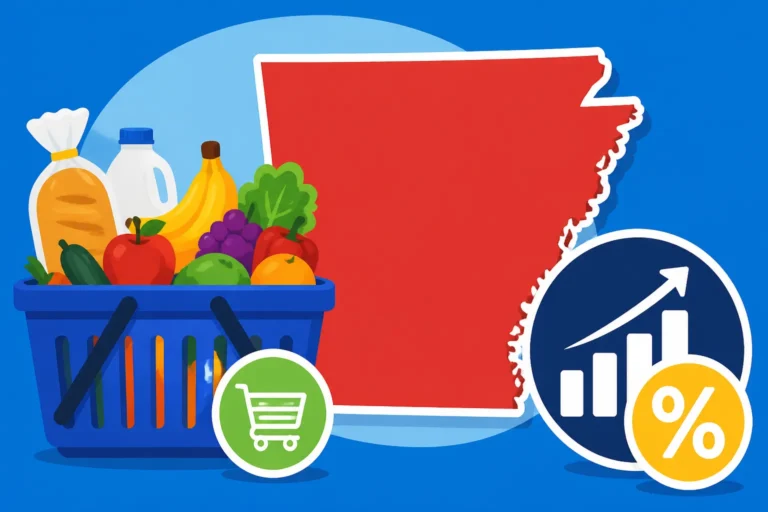
Arkansas grocery sales tax laws outline the reduced state rate, local city charges, and rules separating staple foods from prepared items.
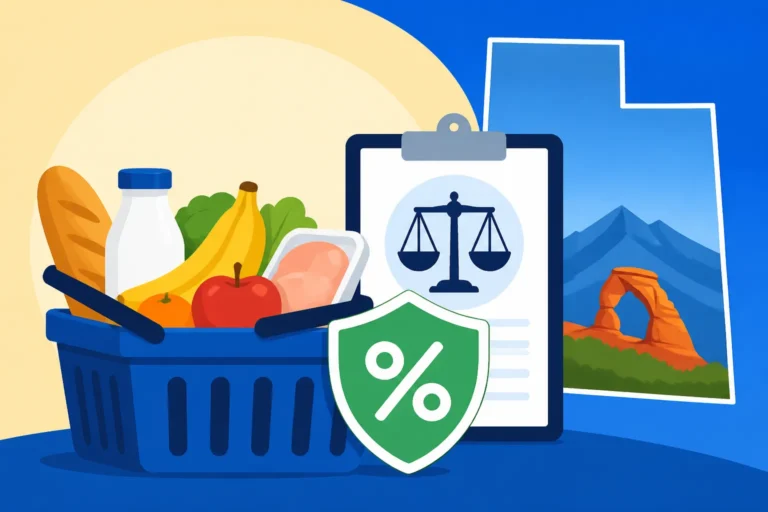
Utah grocery sales tax rules include a reduced state rate of 1.75 percent plus full local taxes for home consumption items.
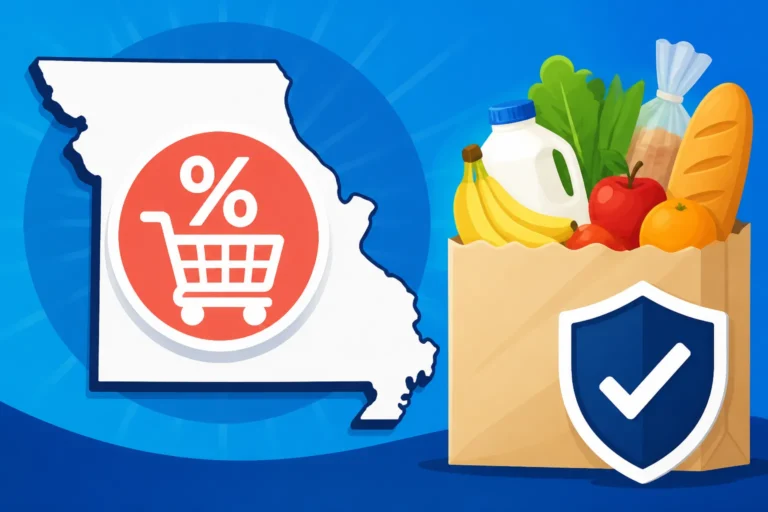
Missouri grocery sales tax rules exempt food from state tax, but local jurisdictions continue charging their full local rates.
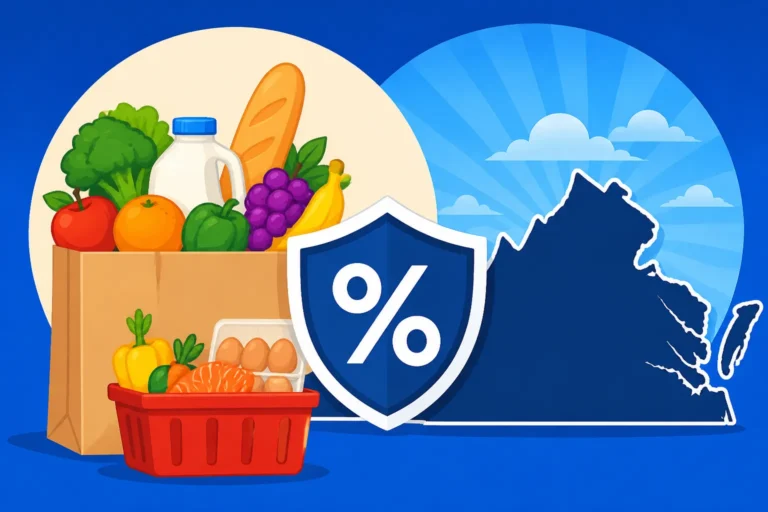
Virginia applies a reduced one percent sales tax rate specifically to qualifying food items purchased for home consumption.
Sales tax on groceries in Tennessee includes a reduced four percent state rate for basic food items, plus full local taxes.
Hawaii’s General Excise Tax applies to most grocery purchases, with specific rules for SNAP benefits and local county surcharges.