Sales Tax on Groceries in Missouri
Navigating the world of sales tax can feel like trying to solve a Rubik's Cube blindfolded, and when it comes to something as essential as groceries, the confusion often ratchets up several notches. Many folks in Missouri have heard whispers or even official announcements about changes to grocery sales tax, only to eye their receipt and wonder why they're still paying something. This guide is here to untangle that very confusion, giving you the full, no-nonsense breakdown of how sales tax truly applies to your food purchases in Missouri.
Understanding Missouri's Sales Tax on Groceries: A Shifting Landscape
Let's cut right to the chase: Missouri's approach to sales tax on groceries has seen some significant changes recently, which has understandably led to a good bit of head-scratching. It’s not as simple as "taxed" or "not taxed," especially when you factor in all the local nuances.
The State Sales Tax Exemption for Food (New for 2024!)
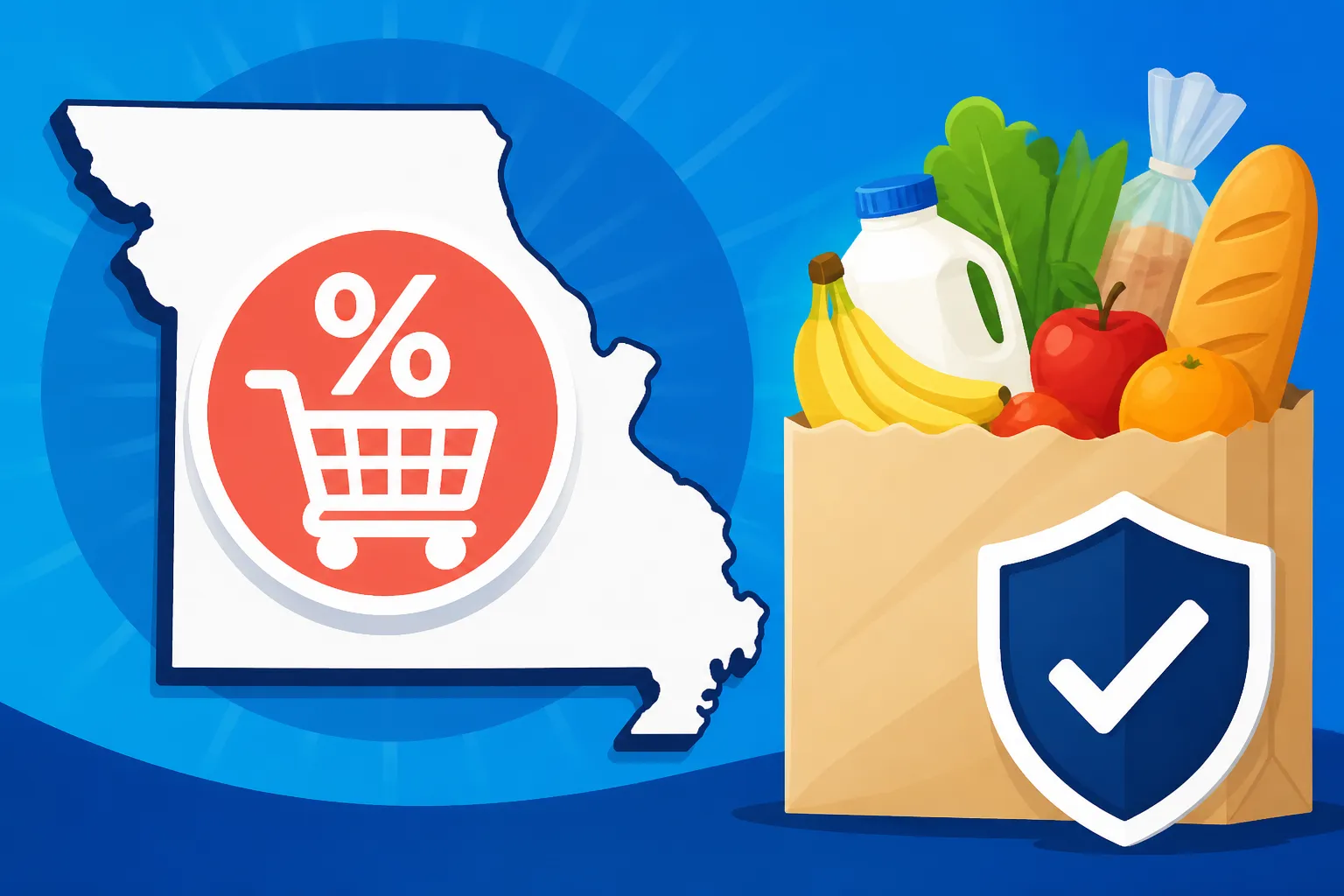
Here's the big news that often causes the most confusion: as of January 1, 2024, the state of Missouri officially eliminated its portion of sales tax on what it defines as "food and food ingredients." This was a huge legislative win aimed at providing some relief to households across the state. Previously, these items were taxed at a reduced state rate of 1.225%, but now that 1.225% is gone.
So, when you hear "Missouri got rid of the grocery tax," they're talking about this state portion. For consumers, this means that particular line item for state sales tax on your everyday staples like milk, bread, fresh produce, and uncooked meats should no longer appear on your receipt. It’s a definite boost to the budget, even if it feels like a small percentage on individual items, it adds up quickly over time. This change fundamentally alters how we think about Sales Tax on Groceries & Food by State in the Show-Me State.
The Enduring Impact of Local Sales Taxes on Groceries
Now, for the part that often catches people off guard after hearing about the state exemption: local sales taxes. While the state of Missouri no longer collects sales tax on "food and food ingredients," your local jurisdictions – that's your city, county, and any special taxing districts – still apply their full sales tax rates to those very same items. This is a critical distinction and why you absolutely will still see sales tax on your grocery bill.
Imagine living in St. Louis City, for example. While the 1.225% state food tax is gone, you're still looking at a combined city, county, and district rate that can easily push the total local sales tax well over 4.5% or even higher. The same goes for Kansas City, where various local taxes combine to create a substantial rate. This means that if the local rate in your area is 4.75%, you’ll pay 4.75% on your groceries, even though the state portion is 0%. These local taxes are a huge reason why Combined State + Local Sales Tax Rates Explained are so important to understand. It’s a bit of a bittersweet relief: you save on the state level, but the local impact remains. This is why when you check your receipt, you’ll likely see a charge that might feel just as high as before, even though technically, one component of it has vanished.
Distinguishing "Food and Food Ingredients" from Prepared Foods
The journey through Missouri's grocery tax landscape isn't complete without understanding the crucial difference between what the state considers "food and food ingredients" and other types of food, like prepared meals, candy, and soda. This distinction is where the full state sales tax rate (currently 4.225%) comes back into play, alongside all those local taxes.
What Counts as "Food and Food Ingredients"?
For the purposes of the state sales tax exemption, "food and food ingredients" generally refers to items intended for home consumption. Think of the raw materials you use to cook a meal or the staple items you keep in your pantry. This includes:
- Fresh produce: Fruits, vegetables (e.g., apples, broccoli, potatoes).
- Dairy products: Milk, cheese, yogurt, butter.
- Meats and poultry: Uncooked beef, chicken, fish.
- Baked goods: Loaves of bread, bagels, tortillas, doughnuts from the bakery aisle (not typically sold heated).
- Packaged goods: Cereal, pasta, rice, flour, sugar, coffee beans, tea bags, canned goods.
- Snack foods: Potato chips, pretzels, crackers, and similar items that are not classified as candy.
Essentially, if it's something you'd typically buy at a grocery store to prepare and eat at home, it falls under this category. This is where you benefit from the 0% state sales tax, though you'll still pay your full local sales taxes on these items. Understanding this category is key to knowing whether you're paying the reduced effective rate (just local taxes) or the full boat (state + local).
When Food Becomes "Prepared Food" and Fully Taxable
Here's where things get fully taxed, and the full state sales tax rate of 4.225% kicks in, on top of all applicable local rates. "Prepared food" typically refers to food sold in a heated state or that comes with eating utensils, or food sold by a retailer whose primary business is selling prepared food. Essentially, if it’s ready for immediate consumption, it's usually considered prepared food.
Common examples of prepared foods that are subject to the full state and local sales tax include:
- Hot deli items: Rotisserie chickens, hot soups, hot sandwiches.
- Restaurant meals: Anything you order at a restaurant or a fast-food establishment.
- Salad bar items: Food purchased from a self-service salad or hot food bar.
- Ready-to-eat meals: Pre-made sandwiches, sushi, or other items that are ready to eat as-is, especially if sold with utensils or by an establishment primarily selling such items.
- Beverages: Coffee from a coffee shop, fountain sodas.
The distinction often revolves around whether the food has been cooked or assembled by the retailer specifically for immediate consumption, or if the establishment primarily sells ready-to-eat items. This is a crucial distinction for businesses to get right, as the wrong classification can lead to compliance issues. For a deeper dive into these rules, you might find our guide on Prepared Food Sales Tax Explained incredibly helpful.
The "Candy and Soda" Conundrum
Missouri, like many other states, treats candy and soft drinks differently from other "food and food ingredients." These items are generally not considered "food and food ingredients" and are therefore subject to the full state sales tax rate (4.225%) plus all applicable local sales taxes. This often surprises consumers who assume all items purchased at a grocery store fall under the same "food" category.
The key to distinguishing candy often comes down to the "flour test." If an item contains flour, it's typically not considered candy for sales tax purposes. For example, a chocolate bar without flour (like a Hershey's bar) is usually taxed as candy. However, a chocolate bar that does contain flour, like a Kit Kat (due to its wafer), might be classified as a "food and food ingredient" in some jurisdictions, although Missouri generally taxes most chocolate bars as candy. It's a tricky area!
Similarly, "soft drinks" are typically defined as non-alcoholic beverages that contain natural or artificial sweeteners. This includes things like Coca-Cola, Pepsi, and most sports drinks. Bottled water, milk, and 100% fruit juices are generally excluded from the "soft drink" category and are considered "food and food ingredients." The nuances around these categories can be quite specific, so if you're curious about the specifics of the Candy & Soda Sales Tax The Flour Test or Is Soda Taxable? Soft Drink Sales Tax in Missouri, it's worth checking the detailed regulations.
Practical Implications for Shoppers and Businesses
Understanding these distinctions isn't just academic; it has real-world effects on both consumers' wallets and businesses' operational complexities.
For Consumers: Navigating Your Grocery Bill
As a consumer in Missouri, you might still be seeing sales tax on your grocery receipts, even after hearing that the state "eliminated" grocery tax. Don't worry, you're not seeing things! This is due entirely to the local sales taxes that are still applied. To understand what you're paying:
- Check the line items: Your receipt might break down the sales tax charged. You should notice that items categorized as "food and food ingredients" will only have local sales tax applied, while "prepared foods," candy, and soda will have both the state's 4.225% and all local sales taxes added.
- Know your local rate: The amount you pay on food items (excluding prepared foods, candy, and soda) will directly correspond to your city, county, and district sales tax rates. These can vary significantly from one town to the next. You can often find this information on your local government's website or by using an online Sales Tax Calculator How to Calculate Sales Tax tool, where you input your ZIP code.
- Budgeting: When planning your grocery budget, remember that while the state eased its burden, local taxes are still a factor. This means a significant portion of your grocery bill will still be subject to sales tax, albeit at a lower effective rate than before for non-prepared foods.
It's a common frustration to hear a broad announcement about tax relief only to find the reality on the ground is more complicated. Validating your feeling of confusion is important; Missouri's system, while beneficial in some ways, isn't always straightforward.
For Businesses: Ensuring Accurate Sales Tax Collection
For grocery stores, convenience stores, delis, and restaurants in Missouri, these distinctions and recent changes present a continuous challenge. Correctly classifying every single item sold and applying the appropriate state and local sales tax rate is a monumental task.
- Point-of-Sale (POS) System Configuration: Businesses absolutely must have their POS systems accurately programmed to handle these multiple tax rates. Every SKU (stock keeping unit) needs to be correctly tagged as either "food and food ingredient" (0% state, full local), "prepared food" (full state + full local), "candy/soda" (full state + full local), or another exempt category. Misclassification can lead to under-collection (meaning the business owes the difference) or over-collection (leading to customer dissatisfaction and potential audit issues).
- Staff Training: Employees, especially those working at checkout or in deli/prepared food sections, need to be thoroughly trained on these rules. They are often the first point of contact for customer questions regarding sales tax.
- Inventory Management: Keeping a clear, categorized inventory is essential. For instance, distinguishing between a packaged muffin (food ingredient) and a hot muffin from the bakery display (prepared food) can affect the tax rate applied.
For businesses, trying to manually keep track of these nuanced rules for every single product can feel like a full-time job in itself. This is where modern sales tax software solutions come into play. Platforms like Avalara are designed to automate this incredibly detailed process, integrating with POS systems to ensure the correct tax is applied at the point of sale, based on the item, the customer's location, and the latest regulations. This automation is crucial for reducing errors and ensuring compliance. When you think about the sheer volume of products in a supermarket, the need for robust solutions becomes clear. For those exploring automation, comparing options, or just getting started, our comprehensive guide on the Best Sales Tax Compliance Software 2027 can offer valuable insights.
Staying Updated with Rate Changes
Sales tax rates are not static. While the state sales tax rate for food is now 0%, local sales tax rates, which still apply to groceries, can change. Counties and cities may vote to introduce new taxes or adjust existing ones for various local projects, such as infrastructure improvements or public services. These changes can happen at different times throughout the year, not just on January 1st.
For businesses, this means ongoing vigilance. Relying on outdated rates can lead to significant compliance headaches. Regularly checking the Missouri Department of Revenue's official updates is crucial. This is another area where sales tax automation software becomes invaluable. Staying on top of these shifts is where a solution like Avalara really shines, as it automatically updates rates across all jurisdictions, taking that massive burden off of business owners. This proactive approach helps businesses avoid the pitfalls of What Happens If You Don't Collect Sales Tax? and ensures they remain compliant as the tax landscape evolves, sometimes multiple times a year, as detailed in articles like How Often Do Sales Tax Rates Change?.
Here's a quick look at how sales tax generally applies to different food items in a hypothetical Missouri city with a 4% local sales tax:
| Item Category | State Sales Tax Rate | Local Sales Tax Rate (Example 4%) | Total Effective Sales Tax Rate | Examples |
|---|---|---|---|---|
| Food & Food Ingredients | 0% | 4% | 4% | Fresh produce, milk, bread, uncooked meat, canned goods, pasta, most packaged snacks |
| Prepared Food | 4.225% | 4% | 8.225% | Hot deli chicken, ready-to-eat sandwiches, restaurant meals, hot coffee |
| Candy | 4.225% | 4% | 8.225% | Chocolate bars (without flour), gum, most sugary candies |
| Soft Drinks | 4.225% | 4% | 8.225% | Soda, sweetened tea, energy drinks (bottled water & 100% juice are 0% state) |
Note: This table uses a hypothetical 4% local rate for illustrative purposes. Actual local rates vary widely across Missouri.
Disclaimer
Please remember that sales tax laws and rates are subject to change. The information provided in this article is for general informational purposes only and does not constitute professional tax advice. Always consult with a qualified tax professional or refer to the official resources of the Missouri Department of Revenue for the most current and accurate guidance specific to your situation.