How Do Sales Tax Rate Changes Take Effect?
Sales tax rate changes take effect through complex legislative processes, local jurisdiction updates, and specific delivery and sourcing rules.

Sales tax rate changes take effect through complex legislative processes, local jurisdiction updates, and specific delivery and sourcing rules.
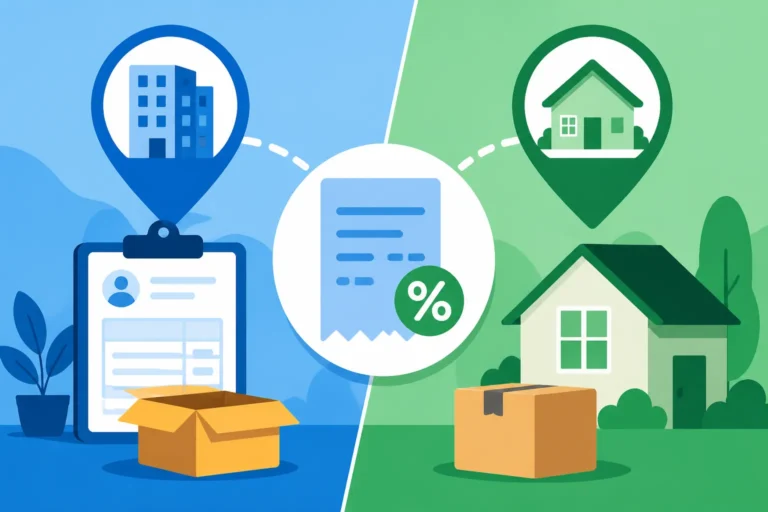
Sales tax calculations for online purchases depend on the shipping address because consumption taxes apply where goods are physically received.

Phoenix and Arizona transaction privilege tax rates combine state, county, and city layers to total eight point six percent for standard retail sales.
The combined Denver sales tax rate of 8.81 percent includes state, municipal, regional transportation district, and cultural facilities district taxes.
The New York City sales tax rate of 8.875 percent breaks down into state, local, and regional components affecting local purchases.

The Houston and Dallas sales tax rate of 8.25 percent combines state, city, and transit authority taxes to fund local services.

The New Orleans sales tax rate combines state and local fees to reach a standard baseline of 9.45% for most purchases inside city limits.
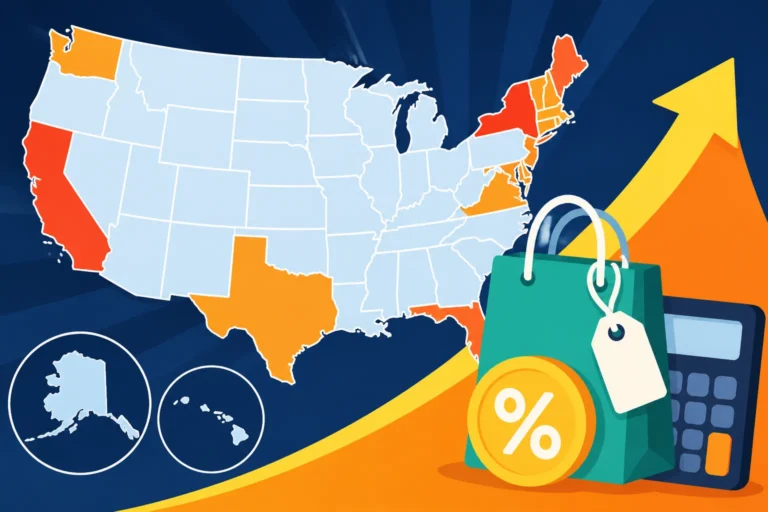
Combined sales tax rates in states like Louisiana, Alabama, and Colorado reveal how local municipal surtaxes increase consumer retail costs.
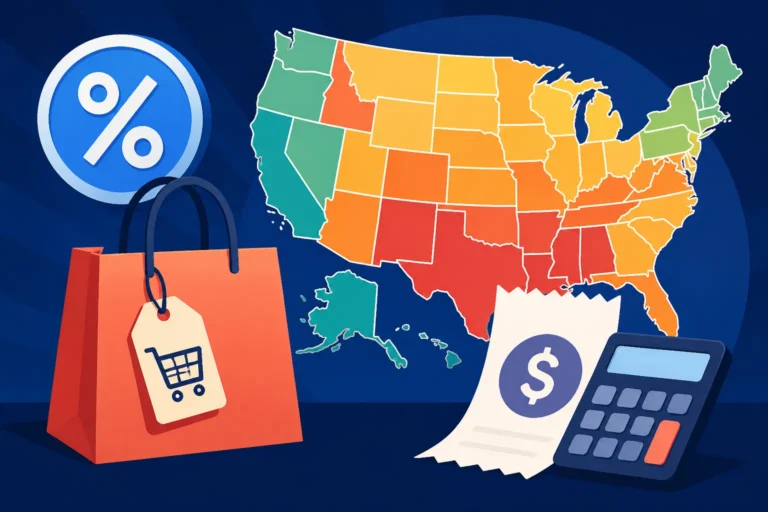
Sales tax on a $100 purchase varies across fifty states because of complex state, county, city, and special district add-on rates.
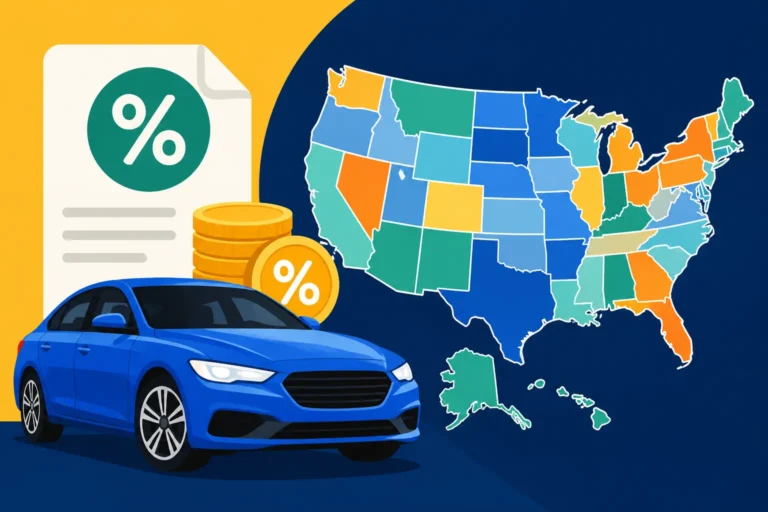
Car sales tax rates across all 50 states depend on your registration address, trade-in credits, and local tax jurisdictions.