Trailing Nexus Explained
Trailing nexus creates continued sales tax collection and remittance obligations for businesses after physical or economic ties to a state end.
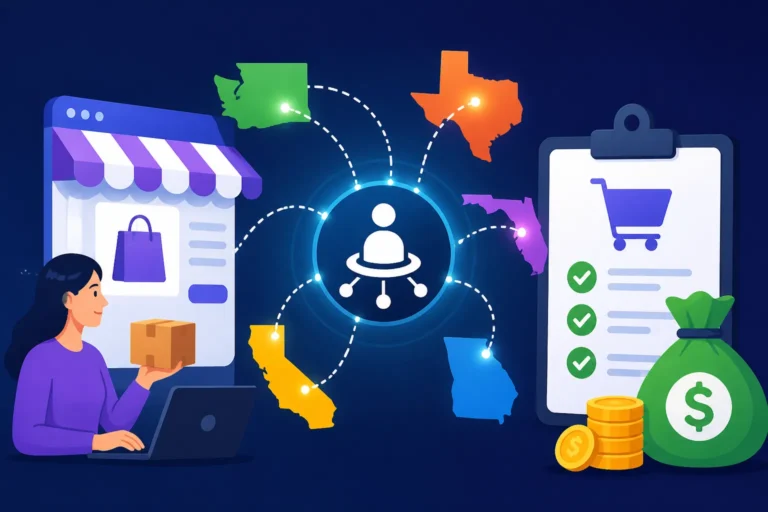
Trailing nexus creates continued sales tax collection and remittance obligations for businesses after physical or economic ties to a state end.

Physical nexus and economic nexus determine state sales tax obligations for businesses based on physical presence, sales volume, or transaction counts.

Online sellers using Amazon still require sales tax permits when storing inventory or selling goods through independent websites.

Etsy sales tax collection policies and marketplace facilitator laws determine when the platform handles taxes and when sellers need permits.

Marketplace facilitator laws require online platforms like Amazon to collect and remit sales tax for third-party sellers.
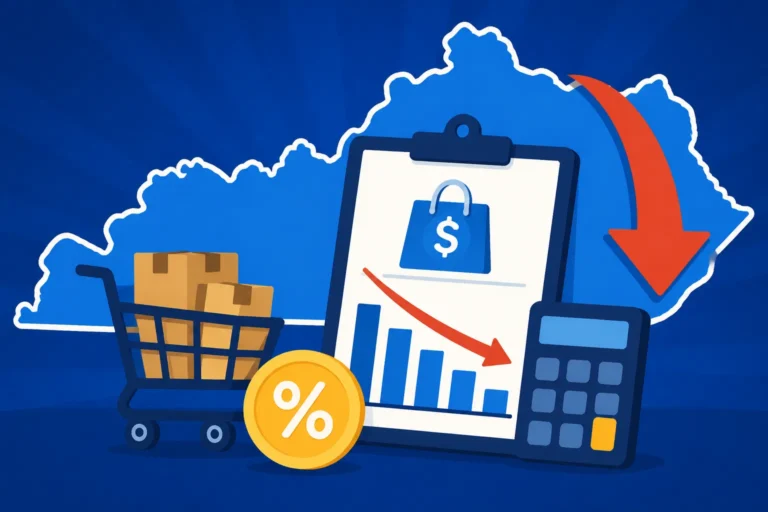
Kentucky sales tax changes remove the 200-transaction threshold in August 2026, leaving only the 100,000 dollar revenue requirement.
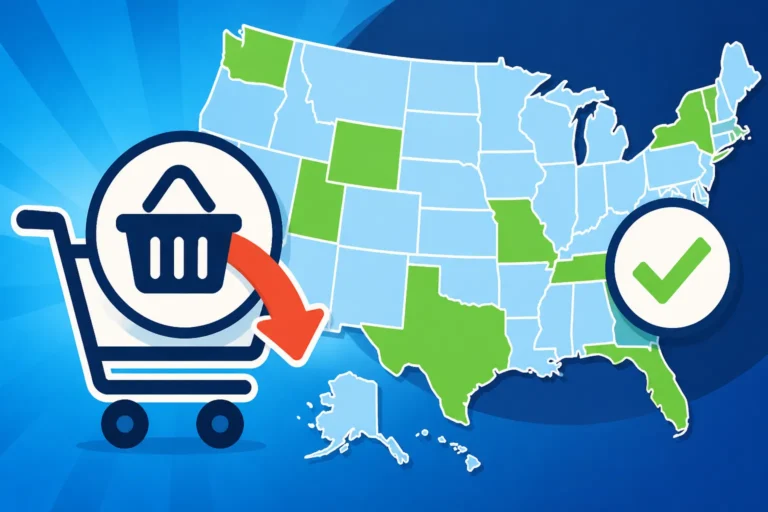
The changing economic nexus rules explain which states eliminated the 200-transaction threshold to focus solely on sales revenue limits.

New York economic nexus requires remote sellers to exceed five hundred thousand dollars in gross receipts and one hundred separate transactions.
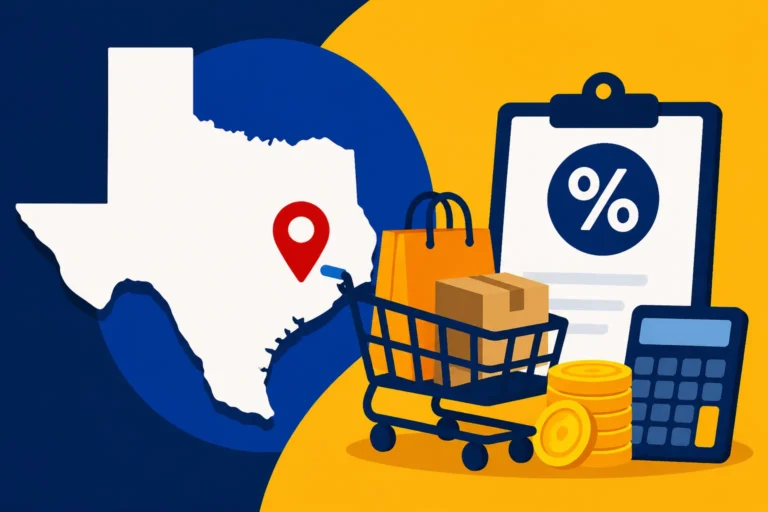
Texas economic nexus requires remote sellers to collect sales tax when gross revenue exceeds five hundred thousand dollars annually.
California sets its economic nexus threshold at five hundred thousand dollars in aggregate statewide sales for remote sellers.