Is SaaS Taxable in Louisiana?
Oh, the ever-confounding world of sales tax, especially when it comes to something as intangible yet essential as Software as a Service (SaaS)! For years, businesses and consumers alike have grappled with the question of whether that monthly subscription for your favorite project management tool or CRM should carry a sales tax. It’s a huge point of confusion, varying wildly from state to state, making compliance a real headache. If you're wondering, specifically, if SaaS is taxable in Louisiana, you've come to the right place for a deep dive into the recent, significant changes.
The Shifting Sands of Digital Taxation: Why SaaS Has Become a Sales Tax Hot Topic
It feels like just yesterday we were all trying to figure out if online purchases were taxed, let alone something that lives entirely in the cloud. The digital economy has grown so rapidly that state tax laws have struggled to keep up, leading to a patchwork of regulations across the country. This isn't just an academic debate; it directly impacts your bottom line, whether you're selling SaaS or simply using it for your business operations in Louisiana.
The Nature of Software: Tangible Product or Service?
Historically, sales tax was levied on tangible personal property – think physical goods you could hold in your hand, like a book or a pair of shoes. When software first emerged, it often came in a box with a CD-ROM, making it easy to classify as tangible. But then came downloaded software, and eventually, the cloud-based revolution, where you don't own the software at all; you're simply accessing it remotely.
This shift created a massive legal grey area. Is accessing a program over the internet a "service"? Or is it still, in essence, providing "software" in a new format? States have taken various approaches, with some defining digital products as tangible, others as services, and some carving out entirely new categories. This makes the question of "Is SaaS Taxable?" incredibly complex, as a simple yes or no often depends on how a particular state chooses to interpret it. The legal definitions can be dense, but understanding this fundamental debate is key to grasping why states like Louisiana have had to specifically address SaaS.
The Rise of Cloud-Based Solutions and State Responses
The advent of SaaS fundamentally changed how businesses operate. Instead of expensive upfront software licenses and server maintenance, companies now subscribe to powerful tools on a pay-as-you-go basis. From accounting software like QuickBooks Online to marketing platforms, SaaS is ubiquitous. States, seeing a rapidly expanding segment of the economy operating largely untaxed, began to develop strategies to bring these digital transactions into the sales tax fold.
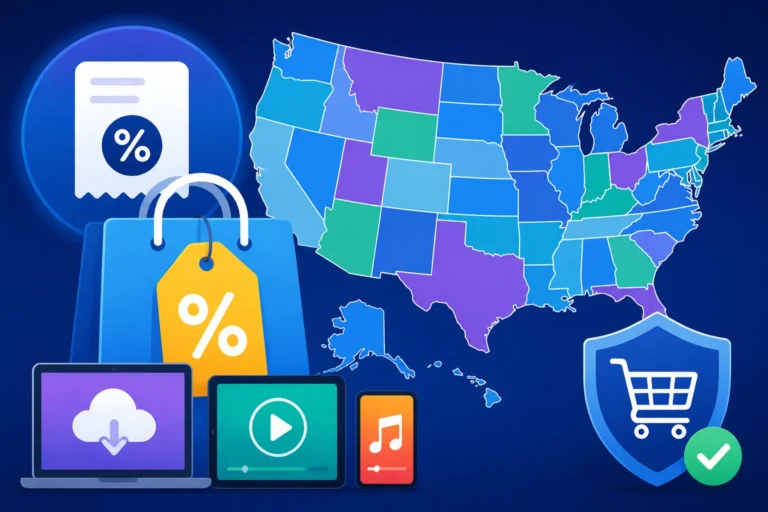
Some states amended existing laws to include "digital products" or "electronic services" under their definition of taxable tangible personal property. Others created new statutory language specifically for SaaS. This proactive approach by states is largely driven by the need to fund public services and ensure tax fairness across different types of commerce. As more businesses move to cloud-based solutions, the revenue potential for states from taxing SaaS becomes substantial. This is why you've likely seen more and more states addressing this in recent years, each with its own specific rules and interpretations. To grasp how different states handle this, it's helpful to explore comprehensive guides on Digital Products Sales Tax by State.
Louisiana's Specific Approach: Taxing Software as a Service
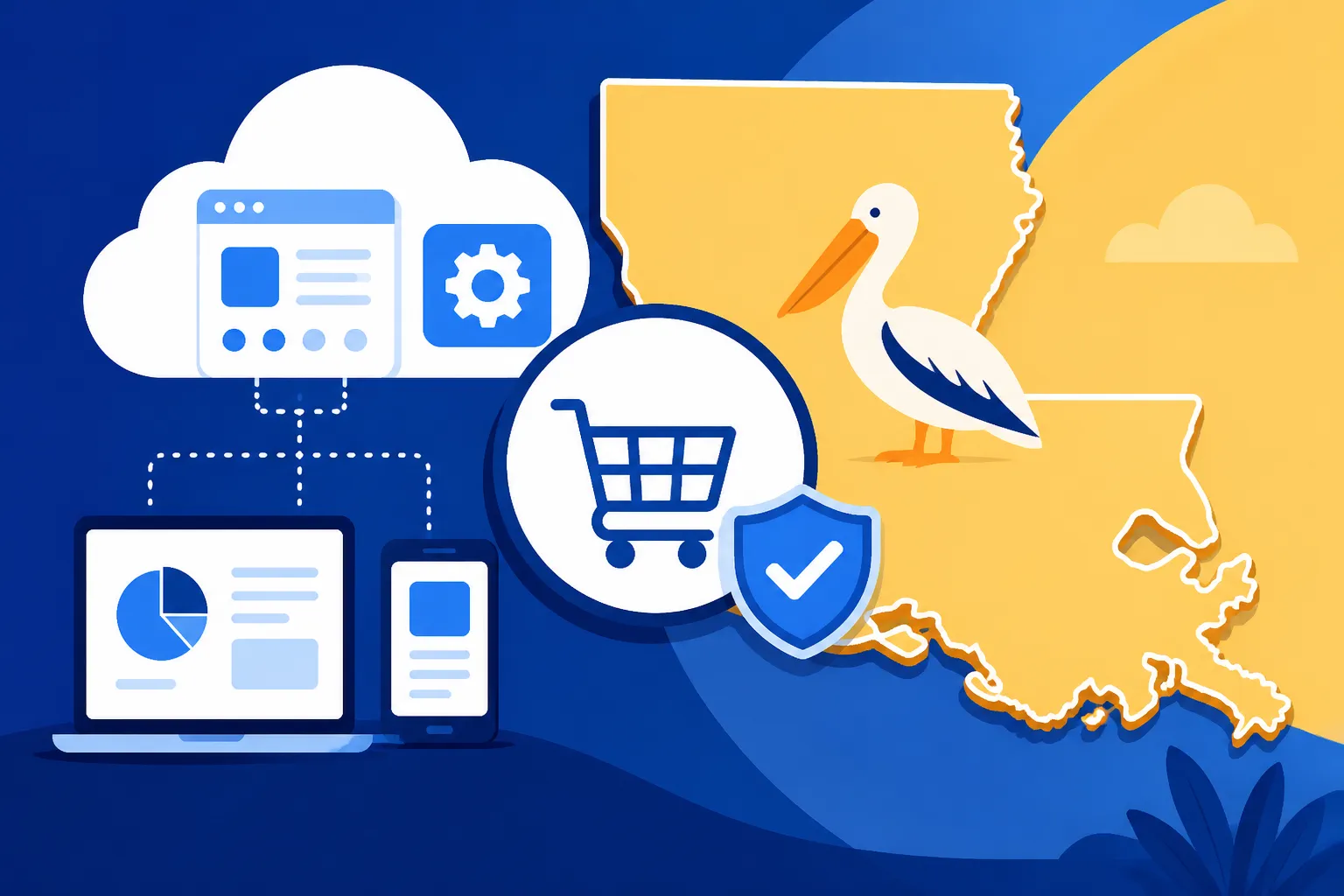
Louisiana has long been known for its complex sales tax system, largely due to the high number of local jurisdictions that levy their own taxes on top of the state rate. For years, SaaS largely existed in a gray area, often escaping sales tax. However, the Pelican State has made a definitive move to clarify its stance.
The January 1, 2025, Game Changer
Get ready, because this is the critical piece of information: As of January 1, 2025, Software as a Service (SaaS) became taxable in Louisiana. This change came about through Act 295 of the 2023 Regular Legislative Session, which specifically amended Louisiana Revised Statutes to include SaaS in the definition of "tangible personal property" for sales tax purposes. This wasn't a subtle tweak; it was a clear and direct legislative action to bring SaaS under the umbrella of taxable transactions.
This new law means that if your business sells SaaS to customers in Louisiana, or if your business uses SaaS and is located in Louisiana, you need to be aware of the new collection and remittance requirements. It's a significant shift that brings Louisiana in line with many other states that have already started taxing these digital services. This change impacts everything from tiny startups to large enterprises operating within or selling into the state. It's a prime example of how quickly 2026 Sales Tax Rate Changes by State can affect businesses.
Defining Taxable SaaS Under Louisiana Law
With the new law, Louisiana defines "software as a service" quite broadly. It generally includes software that is accessible remotely, typically through the internet, without the customer taking physical possession of the software. This encompasses a vast array of common applications:
- Cloud-based productivity suites: Think tools like Microsoft 365, Google Workspace, or other collaborative platforms.
- Customer Relationship Management (CRM) systems: Salesforce, HubSpot, Zoho CRM – if it's accessed over the web, it's likely included.
- Enterprise Resource Planning (ERP) systems: SAP, Oracle NetSuite, Workday, when offered as a service.
- Project management tools: Asana, Trello, Jira, and similar platforms.
- Marketing automation platforms: Tools that manage email campaigns, social media scheduling, and analytics.
- Accounting and financial software: Wave, Xero, and many versions of QuickBooks Online.
Essentially, if you're subscribing to software that you don't download and install locally, but rather access through a web browser or a mobile app that connects to a cloud server, it's highly probable that it now falls under the taxable definition in Louisiana. The key is that the provider retains control over the software, and the customer merely has the right to use it. This broad definition ensures that most modern cloud-based software solutions are covered.
Navigating the Labyrinth of State and Local Rates
If you've ever dealt with sales tax in Louisiana, you know it's not just about the state rate. Louisiana is unique in its extensive system of local sales taxes, levied by parishes, municipalities, and special districts. These local rates can add significantly to the overall tax burden, and they vary wildly from one jurisdiction to another.
For SaaS, this means that not only will you be applying the state sales tax rate, but you'll also need to identify the correct local sales tax rates based on the customer's location. This is where things get truly complicated. A business selling SaaS might have a customer in Baton Rouge, another in New Orleans, and another in a rural parish, all of whom could be subject to different combined state and local rates. The highest combined rates in the country can often be found in Louisiana, so understanding Louisiana Sales Tax Rate (Highest Combined 10.11%) is crucial.
Determining the correct local rate typically depends on the "sourcing" rules – specifically, whether the transaction is sourced to the origin (where the seller is located) or the destination (where the buyer is located). Louisiana generally employs destination-based sourcing for sales tax, meaning you look to the point where the customer receives or uses the service. For SaaS, this often translates to the customer's billing address or the location where the service is primarily used. This level of granular detail makes compliance a logistical challenge for many businesses.
What This Means for Businesses and Consumers in Louisiana
The implementation of sales tax on SaaS in Louisiana is a monumental shift that affects everyone from the global tech company selling into the state to the local bakery using an online reservation system. Understanding these implications is the first step toward successful navigation.
Compliance Burdens for SaaS Providers
For any business providing SaaS that has nexus in Louisiana, the new law brings significant compliance burdens. Nexus, for those unfamiliar, is the legal connection that obligates a business to collect and remit sales tax in a state. This could be physical presence (an office, employees) or economic nexus (meeting certain sales thresholds into the state). If you're unsure if you have a sales tax obligation, checking out resources like Economic Nexus in Louisiana: Threshold & Rules can be very helpful.
Here's what SaaS providers need to consider:
- Registration: If you haven't already, you'll need to register for a sales tax permit with the Louisiana Department of Revenue. This is a prerequisite for collecting any sales tax. For a step-by-step guide, you might look into How to Get a Sales Tax Permit in Louisiana.
- Rate Determination: As discussed, Louisiana's local tax rates are famously intricate. SaaS providers must accurately determine the combined state and local rate for each customer based on their location. This requires robust address validation and geolocation technology.
- Collection: Once the rate is determined, you must configure your billing systems, e-commerce platforms, or accounting software to correctly calculate and collect sales tax on all taxable SaaS subscriptions.
- Remittance: The collected sales tax must then be remitted to the Louisiana Department of Revenue by the specified due dates. This often involves filing detailed sales tax returns that break down sales by parish and other local jurisdictions. Neglecting to understand Louisiana Sales Tax Filing & Due Dates can lead to penalties.
- Exemptions: While SaaS is generally taxable, there might be specific exemptions that apply in certain scenarios, such as sales to tax-exempt organizations or for resale. Providers need to be able to validate and manage these exemption certificates.
These tasks can be incredibly complex, especially for businesses selling to customers across multiple parishes or states.
How Louisiana Buyers Are Affected
If you're a business or individual located in Louisiana and you subscribe to SaaS, you should now expect to see sales tax added to your invoices. This means the total cost of your cloud-based software solutions will increase.
- Budgeting: Businesses need to factor this additional cost into their operational budgets. What used to be a tax-free expense is now subject to sales tax, which can add up significantly for multiple subscriptions.
- Use Tax Responsibility: If a SaaS provider doesn't collect sales tax from you for some reason (perhaps they're unaware of their nexus obligations or the new law), you as the consumer business still have a responsibility to pay "use tax" to the state. Use tax is essentially sales tax on purchases where the seller didn't collect it. This is often reported on your business's sales tax returns or, for individuals, on income tax returns. It's always best to understand Use Tax Explained: What It Is & When You Owe It to avoid surprises.
- Vendor Communication: It's wise for Louisiana businesses to proactively communicate with their SaaS providers to ensure they are aware of and compliant with the new Louisiana law. If a vendor isn't collecting, it might be a flag for you to consider your use tax obligation.
Leveraging Technology for Seamless Sales Tax Management
Given the complexity, especially with Louisiana's layered state and local tax structure, manual sales tax management for SaaS is a recipe for errors and potential penalties. This is where specialized sales tax automation software becomes incredibly valuable.
Solutions from companies like Avalara are designed to handle the intricate details of sales tax calculation, collection, and filing across thousands of taxing jurisdictions. These platforms integrate with your existing billing and accounting systems (like QuickBooks, Xero, or e-commerce platforms) to:
- Automatically determine taxability: Based on the product/service and the customer's location.
- Accurately calculate rates: Using real-time address validation to apply the correct state, parish, city, and district taxes, no matter how complex the combination.
- Manage exemption certificates: Storing and applying certificates to ensure only taxable transactions are taxed.
- Streamline filing: Preparing and submitting returns to the appropriate taxing authorities.
For any SaaS provider with nexus in Louisiana, or a business that consumes a lot of SaaS, investing in such automation can save countless hours, reduce compliance risk, and provide peace of mind. It allows businesses to focus on their core operations rather than drowning in sales tax minutiae.
Staying Ahead of the Curve: Future-Proofing Your SaaS Tax Strategy
The digital landscape is always evolving, and sales tax laws are continually trying to catch up. What's true today might not be true tomorrow, making a proactive approach essential.
Common Misunderstandings and How to Avoid Them
Even with clear legislation, misunderstandings around SaaS taxation persist. One common misconception is assuming that because a service is "intangible," it can't be taxed. Louisiana's new law directly addresses this by defining SaaS as taxable tangible personal property, effectively dissolving that distinction for tax purposes. Another mistake is overlooking local taxes; many businesses focus solely on the state rate and miss the additional parish and city levies, which can be substantial in Louisiana.
To avoid these pitfalls, always:
- Stay Informed: Regularly check the Louisiana Department of Revenue's official guidance and updates.
- Don't Assume: Never assume a digital product or service is tax-exempt without verifying it against the current state laws.
- Consult Experts: When in doubt, reach out to a sales tax professional who specializes in digital goods and services.
- Automate: As mentioned, using tools like Avalara can significantly reduce the chances of manual error and ensure you're always applying the most current rates and rules.
The Dynamic Nature of Sales Tax Laws
The truth is, sales tax laws are rarely static. Legislatures constantly re-evaluate and modify tax codes to adapt to economic changes and generate revenue. We've seen this with the widespread adoption of economic nexus laws following the South Dakota v. Wayfair Supreme Court decision, and now with the increasing focus on digital products and services.
For SaaS, this means that even if a state doesn't tax it today, it might tomorrow. Or, states that currently tax it might change their definitions or introduce new exemptions. Businesses operating nationally must continuously monitor sales tax changes across all states where they have nexus. The changes in Louisiana are a stark reminder that this isn't a "set it and forget it" area of compliance. Businesses should have a system in place to monitor legislative updates and adjust their tax collection processes accordingly. This includes keeping an eye on Sales Tax Rate Changes by State 2026 for broader trends.
Summary of Louisiana SaaS Sales Tax
To help you keep track of these important changes, here's a quick rundown of the key points for SaaS in Louisiana:
| Feature | Details |
|---|---|
| Taxability Status | Taxable |
| Effective Date | January 1, 2025 |
| Legal Classification | Defined as "tangible personal property" for sales tax purposes, through Act 295 of 2023. |
| What's Included | Broadly covers software accessed remotely via the internet (e.g., cloud-based CRMs, ERPs, productivity tools, project management software). |
| Tax Rate Application | Subject to both state sales tax (4.45% as of 2026) AND applicable local sales taxes (parish, municipal, district), which vary significantly and can result in high combined rates. |
| Sourcing Rule | Generally destination-based, meaning the tax rate is determined by the customer's location where the service is received or used. |
| Compliance Needs | SaaS providers with nexus in Louisiana must register, accurately calculate and collect state and local sales taxes, manage exemptions, and remit taxes by due dates. Automation software (e.g., Avalara) is highly recommended due to complexity. |
| Impact on Buyers | Louisiana businesses and individuals purchasing SaaS will see sales tax added to their invoices. If not collected by the seller, consumer use tax is typically owed. |
Disclaimer
Please remember, this information is intended for educational purposes only and not as legal or tax advice. Sales tax laws are complex and subject to change. Always consult with a qualified tax professional or the Louisiana Department of Revenue for advice tailored to your specific situation.