Sales Tax on Groceries in Virginia
Navigating the world of sales tax can feel like deciphering a secret code, especially when it comes to something as fundamental as groceries. Many people assume food is universally tax-exempt, only to find that states, like Virginia, have their own specific rules, which can be a real headache for both shoppers and local businesses. This comprehensive guide will break down exactly how sales tax applies to groceries and other food items in Virginia, helping you understand what to expect at the checkout.
Understanding Virginia's Approach to Sales Tax on Food
Virginia has a somewhat unique system when it comes to sales tax on food, designed to offer some relief on essential household items while still generating revenue from prepared meals and luxury food. It's not a blanket exemption, which often surprises people who are used to states with no food tax at all. Instead, the Commonwealth of Virginia applies a reduced rate to most groceries, distinguishing them from other taxable goods. This distinction is crucial for understanding your weekly grocery bill.
The Reduced State Sales Tax Rate on Food
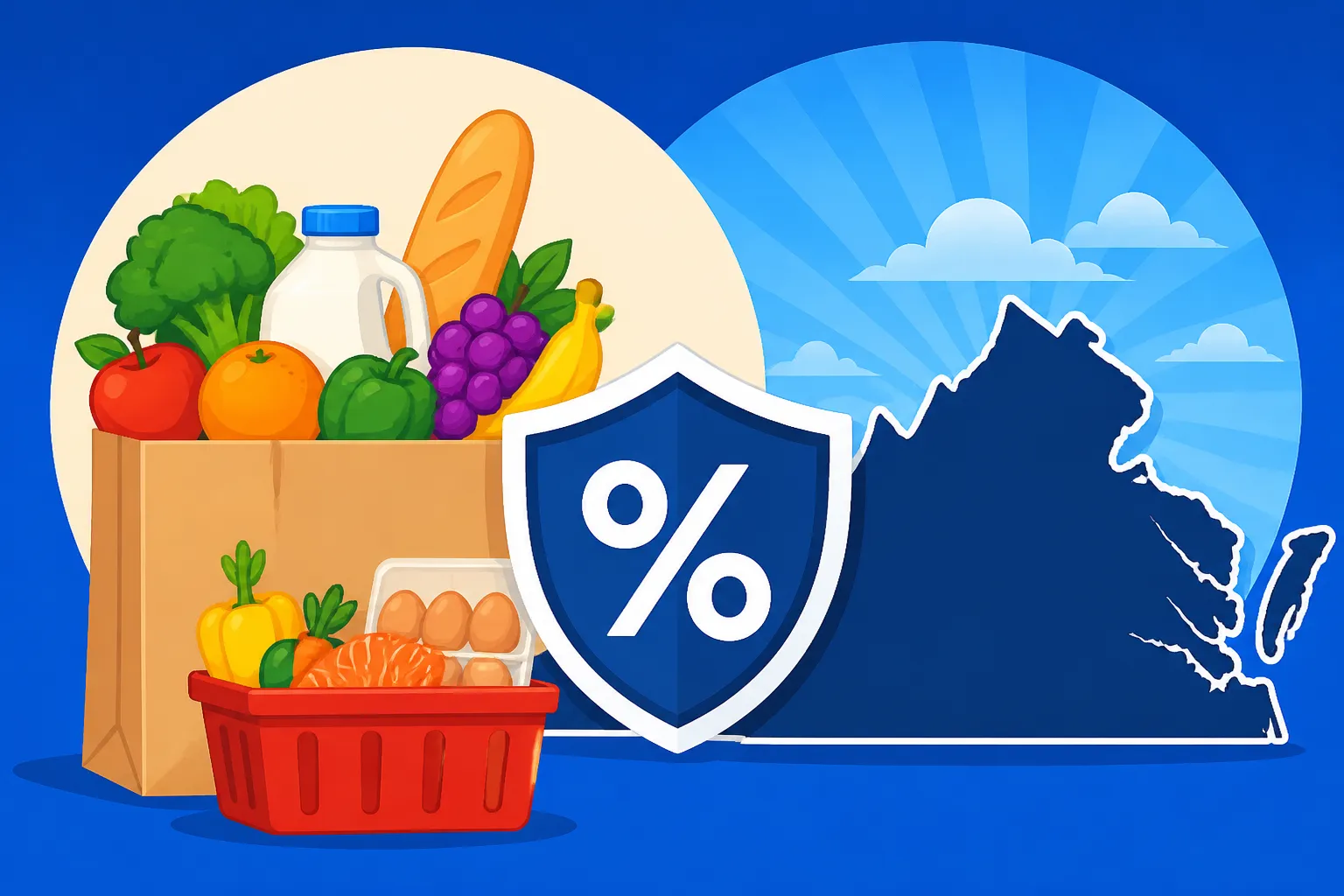
Unlike the general sales tax rate that applies to most tangible personal property, Virginia implements a lower, statewide sales tax rate specifically for "food for home consumption." As of 2024, this reduced rate is 1%. This means that when you're stocking up on staples like milk, bread, fresh produce, and uncooked meats at your local Kroger or Food Lion, you're paying a significantly smaller percentage in sales tax compared to buying, say, a new appliance or a piece of furniture. It’s a purposeful effort by the state to make basic necessities more affordable for its residents.
Imagine you're doing your weekly shop, and your cart is full of ingredients for home-cooked meals. If your total for these qualifying items comes to $100, you'll only pay $1 in sales tax. This is a stark contrast to the standard sales tax rate, which you might encounter on other items in the same store, like cleaning supplies or paper towels. This nuanced approach helps families manage their budgets, but it also means businesses, particularly grocery stores, need robust systems to correctly apply these different rates at the point of sale. Many businesses use sophisticated sales tax software, like solutions from Avalara, to ensure they're always collecting the right amount, whether it's the reduced food tax or the general sales tax.
Local Taxes and How They Apply to Food
Here's where it can get a little more complex. While Virginia has a general statewide sales tax rate, many localities also impose their own additional taxes. These often come in the form of local option taxes or regional transportation taxes, which can push the combined rate significantly higher in many cities and counties. If you're looking for a deeper dive into how these various layers of taxation work, our guide on how Combined State + Local Sales Tax Rates Explained can shed some light.
However, for "food for home consumption," these additional local taxes generally do not apply. The 1% rate on groceries in Virginia is a flat, statewide rate, with no local additions. This simplifies things a bit for consumers when it comes to their grocery bill, as they don't have to worry about different local rates applying to their food purchases depending on which county they're in. This is a significant relief, as it prevents grocery bills from fluctuating wildly based on geographical boundaries within the Commonwealth. It’s a deliberate choice by Virginia lawmakers to keep essential food costs consistent and predictable across the state, even as other sales tax rates vary by location.
What Qualifies as "Food for Home Consumption"?
The definition of "food for home consumption" is the cornerstone of Virginia's reduced sales tax rate for groceries. It's what separates your week's meal prep ingredients from a quick takeout dinner. Generally, this category includes most food and food products intended for preparation and consumption in your home, which makes sense given the "home consumption" part of the name.
Typical Grocery Items That Qualify for the Reduced Rate
When you think of a traditional grocery store, most of the items on the shelves fall into this category. We're talking about your basic pantry staples and fresh ingredients. This includes things like:
- Fresh Produce: Fruits, vegetables, herbs, and anything that grows in the ground or on a tree.
- Dairy Products: Milk, cheese, yogurt, eggs, butter.
- Meats and Seafood: Uncooked beef, chicken, pork, fish, and shellfish.
- Bakery Items: Loaves of bread, rolls, bagels, and uncooked dough.
- Pantry Staples: Flour, sugar, spices, pasta, rice, cereals, canned goods, cooking oils.
- Frozen Foods: Unprepared frozen vegetables, fruits, meats, and other meal components.
- Non-alcoholic beverages: Bottled water, juice, coffee beans, tea bags (but keep an eye out for certain types of soda or highly sweetened drinks, as those can sometimes be treated differently).
Essentially, if you're buying it to take home and turn into a meal or a snack in your kitchen, it likely qualifies for the 1% sales tax rate. It’s important for businesses to accurately categorize these items in their systems, as misclassifying can lead to incorrect tax collection. Many businesses leverage sales tax software to automate this classification, ensuring compliance across their vast inventory. If you're curious about how these rules apply elsewhere, our larger guide on Sales Tax on Groceries & Food by State offers a broader perspective.
Items That Don't Quite Make the Cut (Non-Food Essentials)
While you might buy them at the grocery store, not everything in your shopping cart is considered "food for home consumption." This is where the standard sales tax rate of 6% (or more, depending on your location and regional taxes) kicks in. These are items that are essential for your household but aren't eaten.
Common examples include:
- Paper Products: Paper towels, toilet paper, napkins.
- Cleaning Supplies: Dish soap, laundry detergent, multi-surface cleaners.
- Personal Care Items: Soap, shampoo, toothpaste, cosmetics.
- Pet Food and Supplies: Dog food, cat litter, toys for your furry friends.
- Household Goods: Light bulbs, batteries, small kitchen gadgets.
These items, even when purchased alongside your weekly groceries, are subject to the higher, general sales tax rate because they are not consumed as food. It’s a distinction that can sometimes catch shoppers off guard when they see different tax rates applied on their receipt. For businesses, this means their point-of-sale systems must be configured to differentiate between these categories, applying the correct sales tax automatically. This intricate system is one of the reasons why many merchants rely on tools like Avalara to handle their sales tax calculations, ensuring accuracy no matter the product category.
The Nuances: Prepared Foods, Hot Foods, and Other Categories
Virginia's sales tax law for food isn't just about "home consumption" versus "non-food items." There are further distinctions, particularly concerning how food is prepared, served, and packaged, which can significantly alter the sales tax rate. These nuances are often the source of the most confusion for consumers and the biggest challenge for businesses trying to remain compliant.
Hot Prepared Foods and Restaurant Meals
This is perhaps the biggest area of confusion. While your uncooked chicken breast is taxed at 1%, that roasted chicken from the deli counter or a burger from a fast-food restaurant is taxed at the full general sales tax rate. Why? Because these are considered "prepared foods" or "restaurant meals," ready for immediate consumption, rather than ingredients for home cooking.
In Virginia, if food is hot and ready for immediate consumption, or prepared for consumption on the premises of the seller, it's generally subject to the higher, standard sales tax rate. This includes:
- Restaurant meals: Everything from fine dining to fast food.
- Deli items: Hot rotisserie chickens, prepared salads, sandwiches made to order.
- Buffet food: Meals consumed at an all-you-can-eat establishment.
- Catering services: Food provided by a caterer.
The logic here is that these items offer a service component (preparation, cooking, serving) beyond just the raw ingredients, placing them in a different tax category. So, if you pick up a pizza on your way home, expect to pay the full sales tax rate, which typically includes the state's 4.3% rate plus any applicable local taxes, often totaling 6% or more. This is similar to how many other states handle prepared foods, and our guide on Prepared Food Sales Tax Explained delves into this further.
Candy, Soda, and Dietary Supplements
Even within the realm of "food," some specific items are often singled out for different sales tax treatment, and Virginia is no exception. These items blur the line between essential groceries and more discretionary purchases.
- Candy: In Virginia, candy is typically subject to the full sales tax rate, not the reduced 1% food rate. This is a common practice in many states, which often define candy as products containing natural or artificial sweeteners, sold as snack food, and not requiring refrigeration. Often, states employ a "flour test" to distinguish candy from other food items like baked goods; if it contains flour, it's generally considered a food item and might be taxed differently. Our guide on Candy & Soda Sales Tax (The Flour Test) explains this intriguing distinction. So, that chocolate bar you grab at the checkout will likely have the higher sales tax applied.
- Soda and Sweetened Beverages: Similar to candy, soda and other sweetened beverages are usually subject to the full sales tax rate in Virginia. States often categorize these drinks separately from plain water, milk, or unsweetened juices, viewing them more as discretionary items.
- Dietary Supplements: The taxability of dietary supplements can be particularly tricky. Generally, if a product is marketed as a dietary supplement or vitamin rather than a food item, it's likely subject to the full sales tax rate. The line between food, over-the-counter drugs, and supplements can be blurry, requiring careful classification. Our comprehensive article on Are Dietary Supplements & OTC Drugs Taxable? explores these complexities in detail. For businesses, keeping track of these different categories and their respective tax treatments requires precise inventory management and sales tax calculation tools.
Bundled Sales: When a Basket Has Both
What happens when you buy a gift basket that contains both taxable and non-taxable (or reduced-rate taxable) items? This is known as a bundled transaction, and it can pose a challenge for sales tax compliance. In Virginia, as in many states, the taxability of a bundled sale often depends on the "true object" of the transaction or how the items are priced.
If a single price is charged for a package that includes both food for home consumption and other items (like a grocery store special that includes a cooked chicken, a side salad, and a bottle of soda), businesses need to determine which tax rate to apply. Often, if the components are not separately stated or priced, the entire bundle might be taxed at the highest applicable rate, or according to the predominant item. For example, if a grocery store sells a "dinner for two" package containing a hot deli entree, a bottle of wine (which has its own specific taxes), and a small dessert, the entire package might be subject to the full, higher sales tax rate for prepared food, even though the dessert might ordinarily be considered food for home consumption if sold separately. It's scenarios like these that highlight the importance of accurate classification and robust sales tax calculation systems, helping businesses like a small local deli correctly apply sales tax.
Important Considerations and Exemptions
Beyond the general rules for groceries, Virginia also has specific provisions that can impact sales tax on food for certain individuals or circumstances. These exemptions are vital for ensuring equitable treatment and supporting vulnerable populations.
SNAP/EBT Purchases
One of the most significant exemptions related to food purchases in Virginia (and across the United States) is for items bought with federal Supplemental Nutrition Assistance Program (SNAP) benefits, formerly known as food stamps, accessed via an Electronic Benefits Transfer (EBT) card.
Purchases made with SNAP/EBT benefits are entirely exempt from sales tax, including Virginia's 1% food tax. This federal program aims to alleviate food insecurity, and taxing these essential food purchases would counteract the program's intent. So, whether you're buying fresh produce, dairy, or pantry staples, if you're paying with your EBT card, no sales tax will be added to those eligible items. This is a crucial distinction that grocery store point-of-sale systems must be able to recognize and implement correctly, automatically excluding these transactions from sales tax calculations. Businesses need to ensure their systems are always up-to-date with these federal and state exemptions, which can be managed effectively with sales tax compliance software. For a broader understanding of what might be exempt from sales tax, our article on What Items Are Exempt From Sales Tax? provides more context.
Farmers Markets and Direct Sales
Buying directly from farmers at local markets is a popular way to get fresh, seasonal produce. Generally, the 1% Virginia sales tax rate for food for home consumption still applies to these purchases, just as it would at a traditional grocery store. However, there can be nuances depending on how the farmer is structured and what they are selling.
If a farmer is selling raw agricultural products directly to consumers for home consumption, the 1% rate typically applies. But if that farmer is also selling prepared foods, like freshly baked pies, jams, or hot coffee, those items would likely be subject to the full sales tax rate. It's important for both sellers and buyers to understand these distinctions. Small businesses, including independent farmers, are responsible for collecting and remitting sales tax, even if their operations are small. Tools that simplify sales tax calculation and remittance are a game-changer for these entrepreneurs, making compliance less burdensome.
Understanding Use Tax on Untaxed Food Purchases
While not directly a sales tax on groceries, it's worth briefly touching upon use tax, as it's the counterpart to sales tax and can apply to goods where sales tax wasn't properly collected. Use Tax Explained: What It Is & When You Owe It is a great resource if you want to dig deeper.
For consumers, use tax is typically self-reported and paid when you purchase an item from an out-of-state vendor who doesn't collect Virginia sales tax, but you then "use" or store that item in Virginia. While less common for everyday groceries (as most people buy food locally or from vendors who already collect sales tax), it could theoretically apply if you purchased a large, taxable food item (like a bulk order of specialty candy from an online retailer who wasn't registered to collect Virginia sales tax) and brought it into the state. For businesses, tracking and remitting use tax on their own purchases (like office supplies or equipment where sales tax wasn't collected by the vendor) is a significant compliance task, and often managed through integrated sales tax solutions.
How to Calculate Sales Tax on Your Virginia Grocery Bill
Now that we’ve covered what's taxable and at what rate, let's put it into practice. Calculating sales tax on groceries in Virginia isn't overly complicated once you understand the core distinction between "food for home consumption" and other items.
Step-by-Step Calculation for Mixed Carts
When you go shopping, your cart is rarely uniform. You might have milk, bread, a hot rotisserie chicken, and some paper towels. Here's how the calculation works:
-
Separate your items: Mentally (or literally, by looking at your receipt) categorize your purchases.
- Category 1: Food for Home Consumption. These are items like fresh produce, uncooked meats, dairy, most pantry staples. These are taxed at 1%.
- Category 2: Prepared Foods / Hot Foods / Candy / Soda / Non-Food Items. This includes the hot rotisserie chicken, candy bars, sodas, paper towels, cleaning supplies, pet food, and so on. These are subject to the full sales tax rate, which includes Virginia's state rate (currently 4.3%) plus any applicable local and regional taxes (typically adding up to 6% or more, depending on your locality).
- Category 3: Exempt Items. Purchases made with SNAP/EBT benefits. These are 0% taxed.
-
Calculate Subtotals for Each Category: Add up the prices of all items within each taxable category.
-
Apply the Correct Tax Rate to Each Subtotal:
- For Category 1 (Food for Home Consumption):
Subtotal x 0.01 - For Category 2 (Full Tax Rate Items):
Subtotal x [Your Local Full Sales Tax Rate](e.g.,Subtotal x 0.06if your combined rate is 6%). If you're unsure of your exact local rate, ourSales Tax Rates by ZIP Code (and Why ZIP Isn't Enough)guide can offer some insight, though a broader resource like Sales Tax Rates by State 2026: All 50 States might be more helpful for the general state rate.
- For Category 1 (Food for Home Consumption):
-
Add all taxes together: The sum of the taxes from Category 1 and Category 2 is your total sales tax.
-
Add total sales tax to your total purchase price: This gives you your grand total.
For a general understanding of how to calculate sales tax, our article on How to Calculate Sales Tax (Step by Step) can provide broader guidance, while our interactive Sales Tax Calculator: How to Calculate Sales Tax can give you quick answers.
Example Scenario
Let's say you're shopping at a grocery store in Fairfax County, Virginia, where the combined sales tax rate (for non-food items) is 6%.
Your shopping cart contains:
- Milk, Eggs, Bread (Food for home consumption): $15.00
- Fresh Produce (Food for home consumption): $20.00
- Rotisserie Chicken (Hot prepared food): $10.00
- Bag of Chips (Snack food, full rate): $4.00
- Paper Towels (Non-food item): $5.00
Calculations:
- Food for Home Consumption Subtotal: $15.00 (Milk, Eggs, Bread) + $20.00 (Fresh Produce) = $35.00
- Tax on Food for Home Consumption: $35.00 x 0.01 = $0.35
- Full Tax Rate Items Subtotal: $10.00 (Rotisserie Chicken) + $4.00 (Chips) + $5.00 (Paper Towels) = $19.00
- Tax on Full Rate Items: $19.00 x 0.06 = $1.14
- Total Sales Tax: $0.35 + $1.14 = $1.49
- Total Purchase Price (before tax): $35.00 + $19.00 = $54.00
- Grand Total: $54.00 + $1.49 = $55.49
It might seem like a lot to keep track of, but modern point-of-sale systems are designed to handle these calculations automatically. Companies like Avalara specialize in providing tax automation solutions that ensure retailers apply the correct rates to every item, simplifying compliance for businesses and ensuring shoppers are charged accurately.
Navigating Virginia's Food Tax as a Consumer or Business
Whether you're a shopper trying to budget or a business owner striving for compliance, understanding Virginia's sales tax on groceries is essential. The distinction between food for home consumption and prepared foods, along with special rules for items like candy and soda, creates a layered system.
Tips for Shoppers
For consumers, the most important takeaway is to remember that Virginia does tax groceries, albeit at a reduced rate.
- Check Your Receipts: Take a moment to review your grocery receipts. You should see different sales tax lines or rates applied to different categories of items. This helps you understand how the tax was calculated.
- Plan Your Purchases: If budget is a concern, be aware that prepared foods, hot meals, candy, and soda will always incur the higher, general sales tax rate. Opting for raw ingredients to cook at home will keep your food tax to the lower 1%.
- Know Your Exemptions: If you're using SNAP/EBT benefits, remember those purchases are entirely tax-exempt.
Guidance for Businesses
For businesses, especially grocery stores, delis, convenience stores, and restaurants operating in Virginia, accurate sales tax collection is critical for compliance.
- Categorize Inventory Accurately: Your point-of-sale (POS) system must be able to distinguish between "food for home consumption," fully taxable prepared foods, candy, soda, and non-food items. Each product in your inventory needs the correct tax code assigned to it.
- Train Your Staff: Ensure employees, especially cashiers, understand the different taxability rules and can explain them to customers if asked.
- Stay Updated: Sales tax laws and rates can change. It's crucial to stay informed about any updates from the Virginia Department of Taxation. This includes being aware of potential 2026 Sales Tax Rate Changes by State that might impact your business.
- Leverage Technology: Given the complexity of different rates, local taxes on non-food items, and exemptions, relying on manual calculations is risky. Sales tax automation software, such as those offered by Avalara, can integrate with your POS or e-commerce platform to automatically calculate and apply the correct sales tax to every transaction, reducing errors and ensuring compliance. This is especially vital for businesses with a diverse product range.
Understanding these detailed rules and consistently applying them is key to a smooth and compliant sales tax experience in Virginia.
Virginia Grocery Sales Tax at a Glance
To summarize, here's a quick overview of how sales tax applies to food and related items in Virginia:
| Item Category | Virginia Sales Tax Rate | Notes |
|---|---|---|
| Food for Home Consumption | 1% | Includes most raw ingredients, fresh produce, dairy, uncooked meats, pantry staples |
| Prepared Foods (Hot/Cold) | Full General Rate (~6%) | Ready-to-eat meals, hot deli items, restaurant food, catered food |
| Candy | Full General Rate (~6%) | Defined as a confection, generally no flour. |
| Soda/Sweetened Beverages | Full General Rate (~6%) | Carbonated soft drinks, sweetened juices, sports drinks. |
| Dietary Supplements | Full General Rate (~6%) | Vitamins, protein powders, items marketed as supplements. |
| Non-Food Items | Full General Rate (~6%) | Cleaning supplies, paper products, pet food, household goods. |
| SNAP/EBT Purchases | 0% (Exempt) | All eligible food items purchased with federal SNAP benefits. |
Note: The "Full General Rate" typically includes Virginia's state sales tax (4.3%) plus applicable local and regional taxes, often totaling 6% or more depending on the specific city or county.
This table provides a quick reference, but remember, specific definitions and nuances can always arise. When in doubt, consulting the Virginia Department of Taxation or a sales tax expert is always a wise move.
Disclaimer
Please remember that sales tax laws are subject to change and can be quite complex. The information provided in this guide is for general informational purposes only and does not constitute professional tax advice. Always consult with a qualified tax professional or refer to the official resources provided by the Virginia Department of Taxation for advice specific to your situation. Businesses should consider professional sales tax solutions to ensure ongoing compliance.