Are Groceries Taxable in Texas?
Navigating the labyrinth of sales tax rules can feel like a full-time job, especially when it comes to something as fundamental as groceries. Many folks assume food is just food, universally exempt, but in Texas, like many states, the reality is far more nuanced, leaving shoppers bewildered at the checkout and businesses scratching their heads over compliance. This comprehensive guide will slice through the confusion, clearly defining what types of groceries are taxable in Texas and which ones are happily exempt.
The Foundation: Unprepared Food Items are Generally Exempt in Texas
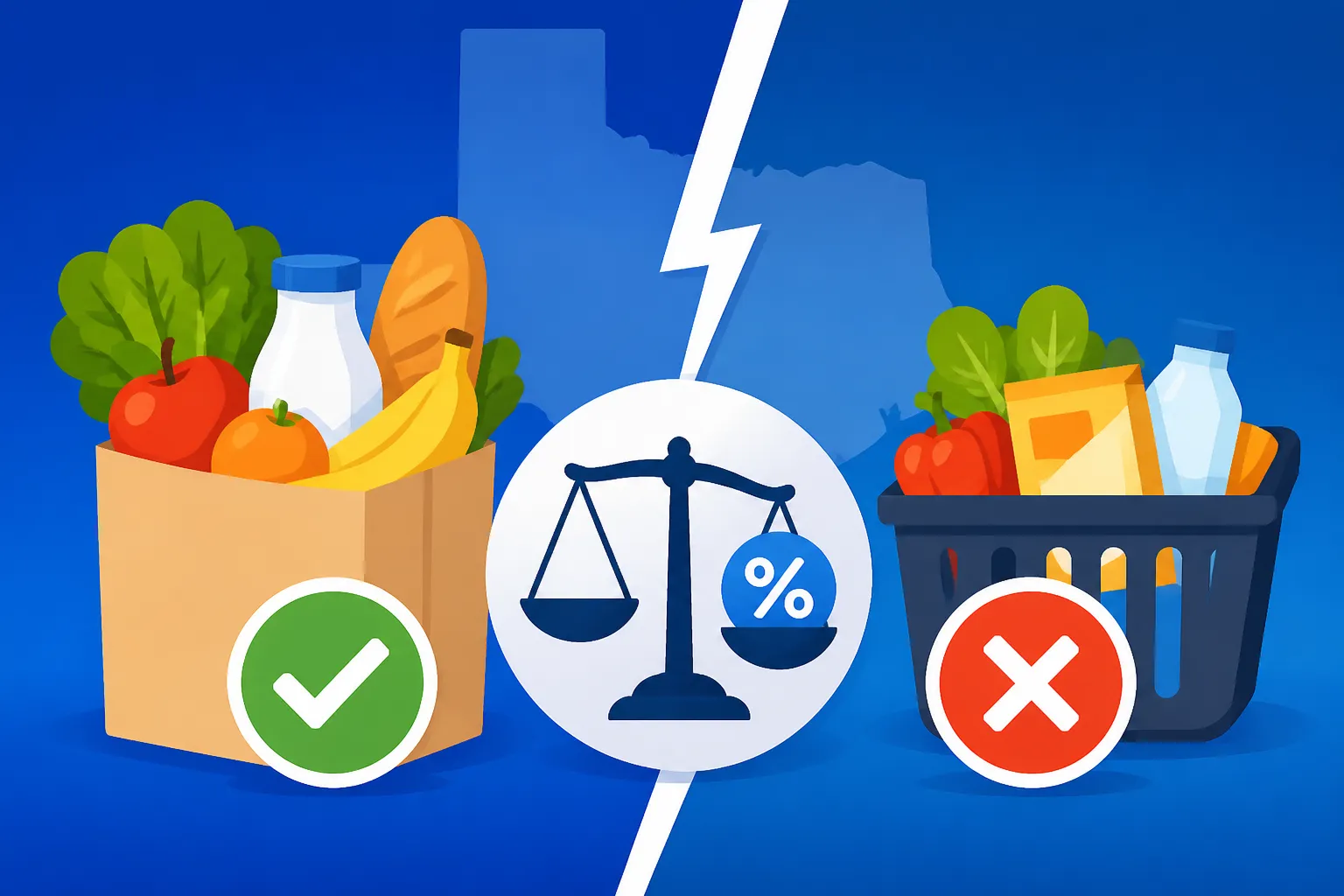
Let's start with the good news, the bedrock principle of grocery sales tax in Texas: most unprepared food items for home consumption are exempt from sales tax. This means the vast majority of what you toss into your cart at H-E-B, Kroger, or even your local farmers market is likely tax-free. Think staples like fresh fruits and vegetables, uncooked meats, dairy products, eggs, bread, cereal, and packaged goods that require further preparation at home. This exemption is a lifesaver for household budgets, acknowledging that these are basic necessities.
Understanding What "Unprepared Food" Truly Means
When we talk about "unprepared food," we're generally referring to items sold in their raw, natural state or processed in a way that doesn't make them immediately consumable without further action by you, the buyer. For instance, a bag of apples? Exempt. A raw chicken breast? Exempt. A carton of milk? Exempt. These items are clearly intended to be taken home, cooked, combined with other ingredients, or simply consumed as-is but without having been altered by the seller into a "prepared" meal.
Consider a large bag of flour or sugar; you wouldn't typically eat those right off the shelf. They're ingredients. A block of cheese or a dozen eggs similarly fall into this category. The key differentiator often lies in whether the item has undergone significant preparation by the retailer, transforming it into something ready-to-eat with minimal effort. It's about ensuring essential foodstuffs remain affordable, helping families stretch their dollars on everyday necessities.
The Rationale Behind the Grocery Tax Exemption
You might wonder why sales tax rules differentiate between food items in the first place. The primary reason states like Texas provide a broad exemption for most groceries is rooted in social and economic policy. Sales taxes are generally considered regressive, meaning they tend to take a larger percentage of income from low-income earners than from high-income earners because everyone needs to buy basic goods. Exempting staple groceries helps to alleviate this burden, making food more affordable for all residents, particularly those with tighter budgets.
Historically, this exemption has been a way to ensure access to fundamental nutrition without adding an extra cost. While other states might tax groceries at a reduced rate, Texas opts for a nearly full exemption on most unprepared foods. This policy reflects a recognition that taxing basic sustenance would disproportionately affect vulnerable populations, making an already tight grocery bill even harder to manage. It's a fundamental aspect of how the state tries to balance its revenue needs with the well-being of its citizens.
Navigating the Grey Areas: Taxable Food Items in Texas
Here's where things get a bit more complicated and where most of the confusion arises. While basic groceries are exempt, a wide array of food items are subject to sales tax in Texas. These typically fall under categories like "prepared food," "candy," and "soft drinks." The distinctions can feel arbitrary at times, but they're important for both consumers trying to understand their receipt and businesses aiming for compliance.
The "Prepared Food" Distinction: When Convenience Costs More
Any food or drinks prepared, served, or sold in a way that makes them ready for immediate consumption are generally taxable. This includes items you might pick up at a deli counter within a grocery store, food from a restaurant, or even snacks from a convenience store.
Here are some classic examples:
- Hot Foods: Anything sold hot, like a rotisserie chicken, soup from a buffet, or a breakfast taco from a grocery store's prepared foods section. If it's warm and ready to eat, expect to pay tax.
- Ready-to-Eat Meals: Sandwiches, salads, sushi, or pre-packaged meals that are clearly intended for immediate consumption. Even if you heat them up later, the fact that they were prepared for immediate eating at the point of sale makes them taxable.
- Restaurant and Deli Items: This is a big one. If you're buying food from a restaurant, cafeteria, or even a grocery store deli that sells items for immediate consumption – think a custom-made sandwich, a slice of pizza, or a portion of mashed potatoes from a hot bar – it's taxable. Even if you take it home, the nature of the sale is "prepared food."
- Dining Area or Utensils: If the seller provides a dining area, parking facilities, or even eating utensils (forks, spoons, napkins, plates), it implies the food is for immediate consumption, even if it's otherwise unprepared. A cold sandwich sold with a napkin and plastic fork, or a pastry bought from a bakery with seating, can trigger tax.
This distinction is crucial for businesses like H-E-B or Walmart that have extensive deli and prepared food sections. They must accurately separate taxable prepared foods from exempt bulk groceries, often using sophisticated point-of-sale systems to ensure the correct tax is applied. If you're ever wondering why an item seems taxed when others aren't, consider if it falls into this "prepared for immediate consumption" category.
The "Candy" and "Soft Drink" Conundrum
This is probably one of the most frustrating areas for consumers because these items often sit right next to "exempt" groceries on the shelves. Texas law specifically defines and taxes "candy" and "soft drinks."
- Candy: Texas defines candy as a preparation of sugar, honey, or other sweeteners in combination with chocolate, fruit, nuts, or other ingredients or flavorings in the form of bars, drops, or pieces. The catch? It does not include preparations containing flour as a primary ingredient. This is often referred to as the "The Candy Flour Test Explained". So, a chocolate bar without flour is taxable, but a chocolate chip cookie (which contains flour) is typically exempt. This can lead to some head-scratching moments in the candy aisle!
- Soft Drinks: These are defined as non-alcoholic beverages that contain natural or artificial sweeteners. This includes sodas, sports drinks, sweetened teas, and fruit drinks with less than 50% natural fruit juice. Unsweetened bottled water, sparkling water, coffee, and pure fruit juices (50% or more real fruit juice) are generally exempt. This explains why your Coca-Cola is taxed, but your Dasani bottled water or 100% orange juice is not. You can dive deeper into this topic in an article like "Is Soda Taxable? Soft Drink Sales Tax".
This table provides a quick look at common grocery items and their sales tax status in Texas:
| Item Category | Specific Examples | Sales Tax Status in Texas | Notes |
|---|---|---|---|
| Unprepared Food (Exempt) | Fresh fruits, vegetables, raw meats, milk, eggs, bread, flour, sugar, coffee beans, pure fruit juice (50%+), unsweetened bottled water | Exempt | Intended for home consumption, requiring preparation or as basic staples. |
| Prepared Food (Taxable) | Hot rotisserie chicken, deli sandwiches, salads from a bar, pizza slices, ready-to-eat meals, fountain drinks, restaurant food, food sold with utensils/seating | Taxable | Ready for immediate consumption, altered by seller. |
| Candy (Taxable) | Chocolate bars (no flour), gummy bears, hard candies, chewing gum | Taxable | Preparations of sweeteners; generally no flour as primary ingredient. |
| Soft Drinks (Taxable) | Sodas, sweetened teas, sports drinks, fruit drinks (<50% juice) | Taxable | Beverages with natural or artificial sweeteners. |
| Baked Goods | Cookies, donuts, cakes, pastries (with flour as primary ingredient) | Exempt | Generally considered unprepared food if flour is a primary ingredient. |
The Impact of Dining Areas and Utensils
Beyond the inherent nature of the food itself, the setting in which it's sold can also determine its taxability. If a grocery store, convenience store, or other vendor provides facilities for customers to eat the food on the premises – like tables, chairs, or a designated dining area – then all food sold for consumption in that area generally becomes taxable. This extends to items that might otherwise be exempt, like a carton of milk or a bag of chips if consumed in the store's seating area.
Similarly, if the vendor supplies eating utensils (forks, spoons, knives, plates, cups, or even just napkins) along with the food, it signals that the food is intended for immediate consumption. This is a common trigger for sales tax, even for items that might be cold or seem like standard groceries. This rule ensures fairness with traditional restaurants, where all items are typically subject to sales tax because they are consumed on-site or provided with utensils.
Unpacking the Local Sales Tax Component in Texas
When we talk about sales tax in Texas, it’s not just about the state’s baseline rate. The overall sales tax you pay, or collect, includes significant local components. This is vital to understand when considering the taxability of groceries, especially the prepared or "non-exempt" food items.
State Versus Local Sales Tax Rates
Texas has a statewide sales tax rate of 6.25%. This rate applies uniformly across the entire state. However, cities, counties, and various special purpose districts (like metropolitan transit authorities or hospital districts) can impose their own additional local sales taxes. These local rates can add up to a maximum of 2% on top of the state rate, bringing the highest combined sales tax rate in Texas to 8.25%.
So, when you buy that taxable prepared food item, you're not just paying the 6.25% state sales tax. You're also paying the combined local rates for that specific transaction location. For example, if you're purchasing a hot rotisserie chicken in Houston or Dallas, you'll be paying the full 8.25% combined sales tax rate on that item. This system means that the sales tax you pay, even on a fully taxable item, can vary depending on where in Texas you make your purchase. It’s why understanding "Combined State + Local Sales Tax Rates Explained" is so important.
How Local Rates Apply to Taxable Grocery Items
For businesses, this multi-layered tax structure adds a significant layer of complexity. Not only do they need to determine if an item is taxable, but what the specific local rates are for each sale. A grocery store might sell exempt fresh produce, taxable deli sandwiches, and taxable soft drinks all within the same transaction. Each taxable item must have the correct combined state and local rate applied based on the point of sale.
This means that a prepared salad purchased in a grocery store in Austin, which might have one set of local sales tax add-ons, could have a slightly different total tax rate than the exact same salad purchased in a grocery store in San Antonio, which might have different local district taxes. The sales tax for grocery items, when they are taxable, needs to be calculated precisely based on the location of the transaction. For businesses, keeping track of all these varied rates, which can change periodically, is a massive undertaking. Many opt for sales tax lookup tools or automated software solutions to handle this complexity accurately.
Practical Implications for Shoppers and Businesses
Understanding these nuances of grocery sales tax in Texas isn't just an academic exercise; it has real-world consequences for both the people buying the food and the businesses selling it.
For Consumers: Smart Shopping and Receipt Scrutiny
As a consumer, being aware of these rules can help you understand your grocery bill better and even make smarter purchasing decisions.
- Read Your Receipts: Don't just glance at the total. Take a moment to scan your receipt. You'll often see designated lines for taxable items or tax amounts. If an item you thought was exempt has tax applied, you can now consider if it falls into the prepared food, candy, or soft drink categories. This can clear up confusion right at the checkout counter.
- Know the Exceptions: Remember the "flour test" for candy. If you're choosing between a flour-containing cookie and a pure chocolate bar, the cookie is likely tax-exempt, while the chocolate bar isn't. Similarly, if you want a tax-free beverage, opt for plain bottled water or 100% fruit juice over soda.
- Consider "Making it Yourself": If you're trying to save money, buying the raw ingredients to make a sandwich at home will be tax-free, whereas buying a pre-made sandwich from the deli will be taxed. The convenience often comes with an added sales tax cost.
- Understand Delivery Services: With the rise of grocery delivery, you might wonder about sales tax. The same rules apply – if the items are taxable in Texas, they'll be taxed whether you pick them up or have them delivered. For those selling online, understanding your "Sales Tax for Online Sellers: Complete Guide" is paramount.
For Businesses: The Imperative of Sales Tax Compliance
For grocery stores, convenience stores, delis, and any business selling food in Texas, accurate sales tax compliance is non-negotiable. The Texas Comptroller of Public Accounts expects businesses to collect and remit the correct amount of sales tax.
- Accurate POS Systems: A robust point-of-sale (POS) system that can correctly identify and apply sales tax based on item type and location is essential. Manually trying to differentiate between hundreds or thousands of SKUs and their taxability is nearly impossible and prone to errors.
- Training Staff: Employees, especially those working in deli or prepared food sections, need to be well-versed in what items are taxable and which are exempt. This prevents incorrect charges and customer disputes.
- Stay Updated on Rule Changes: Sales tax laws, even for groceries, can evolve. Keeping abreast of any "2026 Sales Tax Rate Changes by State" or specific legislative amendments is crucial. For instance, sometimes the definitions of "candy" or "soft drinks" are tweaked.
- Utilize Automation Software: Given the complexity of combined state and local rates, and the nuanced definitions of taxable food items, many businesses, from small delis to large grocery chains, turn to sales tax automation software. Solutions like those offered by Avalara can integrate with POS systems to automatically calculate and apply the correct sales tax at the transaction level, significantly reducing errors and compliance burden. These tools help businesses pinpoint the exact sales tax for every single item, ensuring they're always in compliance, whether they're selling a taxable soda or an exempt loaf of bread. Without a proper system, tracking exempt groceries versus taxable prepared foods, candy, and soda can quickly become overwhelming for Texas businesses, making tools like Avalara essential for many. Using a solution like Avalara helps businesses accurately apply the correct sales tax to every item, based on its specific classification and the precise location of the sale. This level of detail is critical for avoiding audits and penalties. If you're running a business in Texas, exploring "Sales Tax Rate Lookup Tools Compared" and automated solutions is highly recommended.
Conclusion
Understanding which groceries are taxable in Texas is more than just a passing curiosity; it's a vital piece of information for managing household budgets and operating a compliant business. While the core principle is that most unprepared food for home consumption is exempt, the devil is truly in the details when it comes to prepared meals, certain candies, and soft drinks. By familiarizing yourself with these distinctions, you can navigate your next trip to the grocery store with confidence, knowing exactly why some items on your receipt have that extra percentage added on, and others don't. Texas sales tax rules might be complex, but with a little knowledge, they become much less daunting.
Disclaimer
The information provided in this article is for general informational purposes only and does not constitute tax or legal advice. Sales tax laws are complex and subject to change. Always consult with a qualified tax professional or refer to the official resources of the Texas Comptroller of Public Accounts for specific guidance regarding your individual circumstances or business operations.