Economic Nexus Threshold in Tennessee
Understanding your sales tax obligations can feel like trying to hit a moving target, especially when you're selling across state lines and dealing with terms like "economic nexus." It's incredibly frustrating to worry if you're collecting the right amount, or even if you should be collecting at all, from your customers in states like Tennessee. This comprehensive guide will break down the economic nexus threshold in Tennessee, helping you understand your responsibilities and avoid potential pitfalls.
What Exactly is Economic Nexus, Anyway?
Before we dive into the specifics of Tennessee, it’s crucial to grasp what "economic nexus" truly means. For years, sales tax nexus was pretty straightforward: if you had a physical presence in a state – an office, a warehouse, employees, or even just inventory – you had to collect and remit sales tax. Simple enough, right? Then came the internet, e-commerce, and a whole new world of complications. States started realizing they were missing out on significant revenue from out-of-state online sellers who didn't have a physical presence within their borders.
The Wayfair Decision's Impact
The game-changer was the 2018 Supreme Court ruling in South Dakota v. Wayfair. This landmark decision overturned decades of precedent, stating that a physical presence was no longer the sole trigger for sales tax nexus. Instead, states could now require out-of-state sellers to collect sales tax if they met certain economic thresholds for sales activity within that state. This fundamentally changed how businesses, particularly online retailers and those with remote operations, had to think about their sales tax obligations. It meant that even if you never set foot in Tennessee, or had a single employee there, your sales volume could create a requirement for you to collect sales tax from your customers. The decision was a massive shift, leaving many business owners scratching their heads and scrambling to understand these new rules. If you're looking for a deeper dive into this pivotal case, we've got a detailed article on South Dakota v. Wayfair: What It Means for Sellers that can clarify things further.
Shifting from Physical Presence to Sales Activity
This shift from physical presence to sales activity means that states, like Tennessee, now define nexus based on how much business you do within their borders, not just where your stuff is located. This is why it’s called economic nexus. It’s about your economic footprint. It’s not just about the total dollar amount of sales, but sometimes also the number of individual transactions. This dual-criteria approach in some states means that even if you sell lower-priced items, a high volume of sales could still trigger nexus. The goal for states is clear: ensure a fair playing field for local businesses and capture revenue from the increasing volume of interstate commerce. Many businesses were caught off guard by these new rules, suddenly finding themselves with sales tax obligations in states they never considered before. It's a complex landscape, and understanding Sales Tax Nexus Explained Physical vs Economic is key to staying compliant.
Tennessee's Economic Nexus Threshold: The Nitty-Gritty Details
So, what does all this mean specifically for Tennessee? Like many states post-Wayfair, Tennessee quickly established its own economic nexus thresholds to ensure remote sellers contribute to the state's coffers. It’s not just about knowing there is a rule, but understanding the precise figures and how they apply to your specific business model.
The Sales Volume Threshold
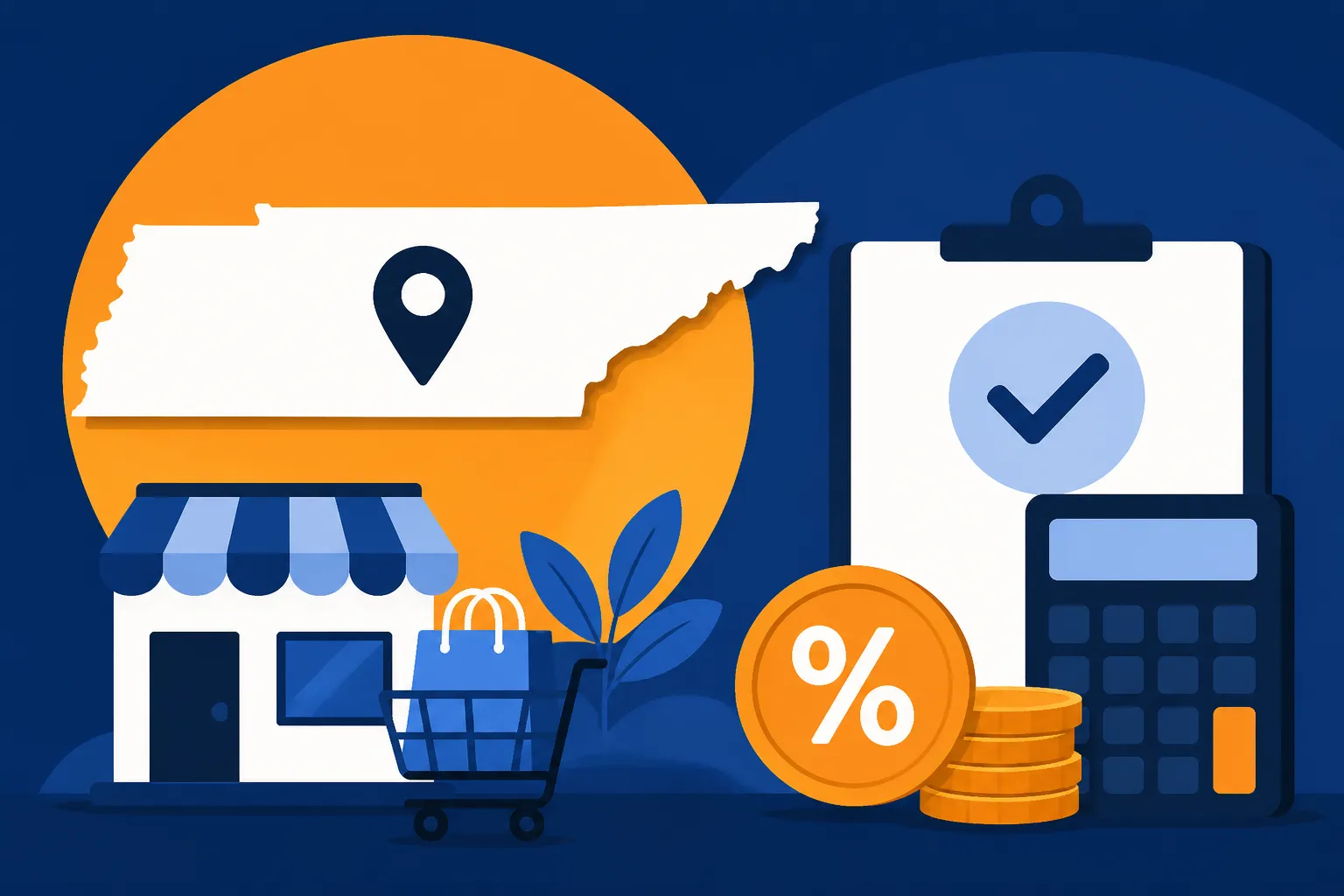
For businesses selling into Tennessee from outside the state, the economic nexus threshold is met if, in the previous or current calendar year, you have:
- Gross sales exceeding $100,000 into Tennessee.
Unlike some other states that also include a transaction count (like 200 separate transactions), Tennessee currently keeps it simpler with just the gross sales dollar amount. This means if your sales to Tennessee customers cross that $100,000 mark at any point during the current year or did so in the previous year, you've likely established economic nexus. This threshold applies to all sales of tangible personal property and taxable services into the state, regardless of whether you’re selling to individuals in Nashville, businesses in Memphis, or any other location within Tennessee. This makes it crucial to regularly monitor your sales data for all your out-of-state customers.
What Counts Towards the Threshold?
When calculating that $100,000 threshold, you need to consider all your gross sales of tangible personal property and taxable services delivered into Tennessee. This isn't just your online sales; it includes everything. Let's say you sell widgets online, but you also have a few wholesale clients in Tennessee that you ship products to. All of those sales count. It's about where the product or service is delivered or used.
Here’s a closer look at what goes into that calculation:
- Taxable Sales: This is the obvious one. If you sell items that are generally taxable in Tennessee, those sales definitely count towards the threshold.
- Exempt Sales: And here's where it gets tricky! Even sales of items that are exempt from sales tax (like certain groceries or manufacturing equipment) typically still count towards determining if you've met the threshold. The idea is to measure your overall economic activity in the state, not just your taxable activity. So, if you sell $100,001 worth of tax-exempt medical supplies to customers in Tennessee, you've established nexus, even if you never collect tax on those specific items.
- Services: If you provide services that are considered taxable in Tennessee and deliver them to customers within the state, those sales also contribute to the $100,000 figure. Tennessee generally taxes a broad range of services, so it's important to be aware of what's taxable there.
- Wholesale Sales: Even if you sell to a retailer in Tennessee who will then resell your product (and use a resale certificate), those initial wholesale sales still count towards your $100,000 economic nexus threshold. The exemption applies to the collection of sales tax from that specific transaction, not its inclusion in your overall sales volume for nexus determination. This is a common point of confusion for many businesses.
You need to keep a diligent eye on your total sales to Tennessee to avoid inadvertently crossing this line without realizing it. Many businesses use sales tax compliance software like Avalara to automatically track these thresholds across states, saving countless hours of manual review.
When Do You Need to Register?
Once you've crossed that $100,000 gross sales threshold into Tennessee, your obligation to register and start collecting sales tax kicks in. The good news is that Tennessee, like most states, doesn't expect you to magically know the moment you hit it. The general rule is that once you meet the threshold in either the current calendar year or the preceding one, you are required to register.
For instance, if your sales to Tennessee customers reach $100,000 on June 15th, 2026, then you would establish economic nexus at that point. You would then typically be required to register for a sales tax permit and begin collecting sales tax from your Tennessee customers as soon as administratively possible, often by the beginning of the next calendar quarter or month, depending on how quickly you can complete the registration process.
It’s not retroactive collection; you only start collecting once you’ve met the threshold and registered. However, the state expects you to act promptly once that nexus is established. Delaying registration after meeting the threshold can lead to penalties and interest down the line, so it’s always best to be proactive. If you're new to this, checking out guides like How to Get a Sales Tax Permit by State can be incredibly helpful.
Practical Implications for Businesses Selling into Tennessee
Knowing the threshold is one thing, but actually implementing the changes and staying compliant is another. It's a continuous process that requires attention to detail and, often, the right tools.
Tracking Your Sales to Tennessee
This is where the rubber meets the road. Simply knowing the threshold isn't enough; you need a reliable system to track your sales into Tennessee. This means:
- Segmenting Sales Data: Your accounting system or e-commerce platform should allow you to easily pull reports that show gross sales by state. You need to be able to identify every single sale where the shipping or billing address is in Tennessee.
- Regular Monitoring: Don't just check once a year. Depending on your sales volume, you might need to check monthly or even weekly to see where you stand relative to the $100,000 threshold. If you’re a growing business, that threshold can sneak up on you faster than you think.
- Excluding Non-Taxable Sales from Calculation (after nexus): Once you've established nexus and registered, you'll still need to distinguish between taxable and non-taxable sales for collection purposes. But remember, all sales (taxable or not) typically count towards meeting the initial $100,000 threshold. It’s a common mistake to only track taxable sales for nexus purposes, which can lead to underreporting.
Imagine a small online boutique based in Georgia selling unique handmade jewelry. For years, they’ve sold a few pieces here and there to customers in Chattanooga and Knoxville, never thinking much about sales tax in Tennessee. But then, a viral social media post leads to a massive surge in orders, and suddenly, their gross sales to Tennessee customers jump from $30,000 to $120,000 within a few months. Without a system to track these state-specific sales, they could easily miss hitting that $100,000 threshold and fail to register, putting them at risk.
The Importance of Accurate Data and Tools
Trying to manually track sales tax obligations for multiple states can quickly become a monumental task, prone to errors. This is especially true when you factor in differing thresholds, varying taxability of products and services, and constantly changing rates. This is where dedicated sales tax compliance software truly shines. Solutions like Avalara are designed to:
- Monitor Nexus: Automatically track your sales into each state and alert you when you approach or cross an economic nexus threshold. This proactive approach prevents you from being caught off guard.
- Calculate Rates: Apply the correct sales tax rate based on the customer's location (down to the local jurisdiction, like a specific city or county in Tennessee, where rates can vary). This is critical because Why Is Sales Tax Different in Every City? is a question often asked, and the answer involves complex local taxing districts.
- Manage Exemptions: Handle resale certificates and other exemption documents, ensuring you don't charge tax when you shouldn't, but also keep proper records.
- Simplify Filing: Prepare and file your sales tax returns in the correct format for each state, ensuring you remit the right amount on time.
Without robust tools, businesses often find themselves spending hours each month trying to piece together sales data, research rates, and fill out forms, time that could be better spent on growing their business. Choosing the Best Sales Tax Compliance Software 2027 can really make a difference for a growing e-commerce business.
Consequences of Non-Compliance
Ignoring your sales tax obligations, whether intentionally or inadvertently, can lead to serious repercussions. State tax authorities are increasingly sophisticated in identifying non-compliant businesses, especially with the rise of data analytics and information sharing agreements.
The potential consequences for not registering and collecting sales tax in Tennessee once you've established economic nexus can include:
- Back Taxes: You’ll be responsible for all the sales tax you should have collected, even if you never actually charged your customers. This means paying out of your own pocket.
- Penalties and Interest: Beyond the back taxes, states typically assess penalties for late registration, late filing, and late payment. These can be substantial, often calculated as a percentage of the unpaid tax, plus daily interest. For example, Tennessee imposes a penalty of 5% of the unpaid tax for each month or fraction of a month the tax remains unpaid, up to 25% of the total tax due.
- Audits: Non-compliance can trigger an audit, which is a time-consuming and stressful process. Auditors will meticulously examine your sales records, and if they find discrepancies, it can lead to even more significant liabilities.
- Loss of Good Standing: Repeated non-compliance can affect your ability to do business in the state, potentially leading to legal issues or restrictions on your business license.
- Reputational Damage: For any business, maintaining a good reputation is vital. Being known for tax evasion, even if accidental, can severely harm customer trust and business relationships.
The cost of compliance is almost always less than the cost of non-compliance. Being proactive and seeking guidance, whether through tax professionals or reliable software, is the smartest move.
Navigating Tennessee Sales Tax Registration and Compliance
So, you’ve determined you meet the economic nexus threshold in Tennessee. What now? The next steps involve registering with the state and understanding your ongoing responsibilities. It might seem daunting, but it's a structured process.
Steps to Register for a Sales Tax Permit in Tennessee
Registering for a sales tax permit (sometimes called a seller's permit, certificate of authority, or vendor's license in other states) in Tennessee is a necessary step once you've established nexus. The good news is that Tennessee has an online registration portal, which makes the process relatively straightforward for most businesses.
Here's a general outline of the steps:
- Gather Necessary Information: Before you start, make sure you have all your business details handy. This typically includes:
- Your Federal Employer Identification Number (FEIN) or Social Security Number (if you're a sole proprietor without an FEIN).
- Legal business name and any "doing business as" (DBA) names.
- Business address and contact information.
- Details about your business structure (e.g., sole proprietorship, LLC, corporation).
- The date you started or expect to start making sales in Tennessee.
- Information about business owners or officers.
- A description of the type of goods or services you sell.
- Your primary business activity code (NAICS code).
- Access the Tennessee Taxpayer Access Point (TNTAP): The Tennessee Department of Revenue uses TNTAP for business registration and tax filing. You'll need to create an account if you don't already have one.
- Complete the Sales and Use Tax Application: Follow the prompts to fill out the sales and use tax application. Be thorough and accurate. This is where you declare your intention to collect and remit sales tax.
- Receive Your Sales Tax Account Number: Once your application is processed and approved, the Tennessee Department of Revenue will issue you a sales tax account number. This is your official identification for sales tax purposes in the state.
- Determine Your Filing Frequency: Along with your permit, the state will assign you a filing frequency – typically monthly, quarterly, or annually. This is usually based on your anticipated sales tax collections. New businesses are often assigned monthly or quarterly initially. Understanding Sales Tax Filing Frequency Explained is vital for ongoing compliance.
It's a process that you can often complete within a few days, but it's always wise to start as soon as you know you've met the threshold to avoid any delays in compliance.
Ongoing Filing and Remittance Obligations
Getting your permit is just the beginning. The real work is in the ongoing collection, reporting, and remittance of sales tax.
- Collect Sales Tax: Once registered, you must accurately calculate and collect sales tax from all your taxable sales to Tennessee customers. This means applying the state sales tax rate (currently 7%) plus any applicable local sales taxes (city, county, or district taxes). Tennessee has particularly complex local tax rates, with counties able to add up to 2.75% to the state rate, and cities sometimes adding their own rates on top. This makes a combined rate of up to 9.75% in many areas. Tools like Avalara can help ensure you're applying the precise local rates based on the customer's address.
- File Sales Tax Returns: On your assigned schedule (monthly, quarterly, or annually), you'll need to file a sales tax return with the Tennessee Department of Revenue through TNTAP. Even if you collected zero sales tax for a period, you typically still need to file a "zero return."
- Remit Collected Tax: Along with your return, you'll remit the sales tax you collected to the state. This is the money that you held in trust for the state, and it must be paid on time.
- Keep Meticulous Records: Maintain detailed records of all your sales, sales tax collected, and sales tax remitted. This includes invoices, exemption certificates, and filing confirmations. These records are crucial in case of an audit.
Sales tax compliance is not a "set it and forget it" task. It requires continuous attention to changes in tax rates, product taxability rules, and your own sales volume. Staying on top of these obligations ensures your business operates smoothly and avoids unnecessary penalties.
Tennessee Economic Nexus Threshold Summary
Here's a quick overview of the key details for Tennessee's economic nexus:
| Feature | Details |
|---|---|
| Economic Nexus Trigger | Gross sales exceeding $100,000 into Tennessee in the current or previous calendar year. |
| Transaction Threshold | Tennessee does not have a separate transaction count threshold. |
| Sales Included | All gross sales of tangible personal property and taxable services delivered into Tennessee. This includes both taxable and typically tax-exempt sales when determining if the threshold is met (e.g., wholesale sales count towards the threshold, even if no tax is collected due to a resale certificate). |
| State Sales Tax Rate | 7% (as of 2026). |
| Local Sales Tax Rates | Vary by county and city, adding up to an additional 2.75% to the state rate, for a maximum combined rate of 9.75%. |
| Registration | Required via the Tennessee Taxpayer Access Point (TNTAP) once the threshold is met. |
| Filing Frequency | Assigned by the Tennessee Department of Revenue (monthly, quarterly, or annually) based on anticipated tax liability. |
| Compliance Tools | Sales tax software (e.g., Avalara) is highly recommended for tracking sales, calculating rates, managing exemptions, and streamlining filing for businesses with nexus in multiple states, including Tennessee. |
Disclaimer
The information provided in this guide is for general informational purposes only and does not constitute professional tax or legal advice. Sales tax laws are complex and subject to change. Always consult with a qualified tax professional or the Tennessee Department of Revenue for advice tailored to your specific business situation.