Florida Sales Tax Holiday 2026 Guide
Few things are as frustrating as adding up the cost of something you want to buy, only to remember that pesky sales tax will bump up the final price. It's a universal groan-inducer, especially when you're trying to budget for big purchases like back-to-school supplies or appliances. Thankfully, Florida offers a ray of sunshine with its annual sales tax holidays, giving residents a much-needed break from the typical sales tax. This comprehensive guide will walk you through everything you need to know about the Florida Sales Tax Holidays, helping you plan your shopping and save some serious cash.
Understanding Florida's Sales Tax Holidays
Florida isn't unique in offering sales tax holidays, but the Sunshine State does a fantastic job of giving its residents multiple opportunities to save throughout the year. These aren't just random events; they're strategically planned to help families and individuals during peak shopping seasons or for essential needs. While the exact dates and specific items can shift slightly year-to-year based on legislative decisions, the core purpose remains the same: to alleviate some of the financial burden on consumers.
The Rationale Behind Tax-Free Periods
It might seem counterintuitive for a state to voluntarily forgo revenue, but sales tax holidays are actually a clever tool used by many governments. From the consumer's perspective, it's a direct financial benefit, encouraging them to spend money on items they might otherwise delay purchasing. This boost in consumer spending can be a boon for local businesses, as people are often more inclined to buy during these periods. Think of it as a small stimulus package directly targeting the wallets of Floridians. For retailers, it often means increased foot traffic and higher sales volumes, even if their margins on individual items are slightly reduced. It's a win-win, really, fostering both consumer savings and economic activity within the state. Understanding this underlying philosophy helps to appreciate why these holidays are so popular and why states continue to implement them.
Key Characteristics of Florida's Tax Holidays
Florida typically features several distinct sales tax holidays annually, each tailored to different categories of goods. The most well-known is usually the "Back-to-School" holiday, timed perfectly for parents gearing up for the academic year. Other common holidays include periods for disaster preparedness supplies, energy-efficient appliances, and even outdoor recreation gear. What sets Florida's approach apart is often the generous scope of items covered and, sometimes, the extended duration of these breaks. For example, while some states might offer a single weekend, Florida has been known to extend certain holidays for a week or even longer. These holidays are also generally uniform across the state, meaning the state's 6% sales tax, plus any applicable county surtaxes, is waived for qualifying purchases, making the process relatively straightforward for consumers. This contrasts with some other state rules where local taxes might still apply, even during a state sales tax holiday. You can learn more about how these rates combine in our guide to How Combined Sales Tax Rates Work.
What's Covered in Florida's Back-to-School Sales Tax Holiday 2026?
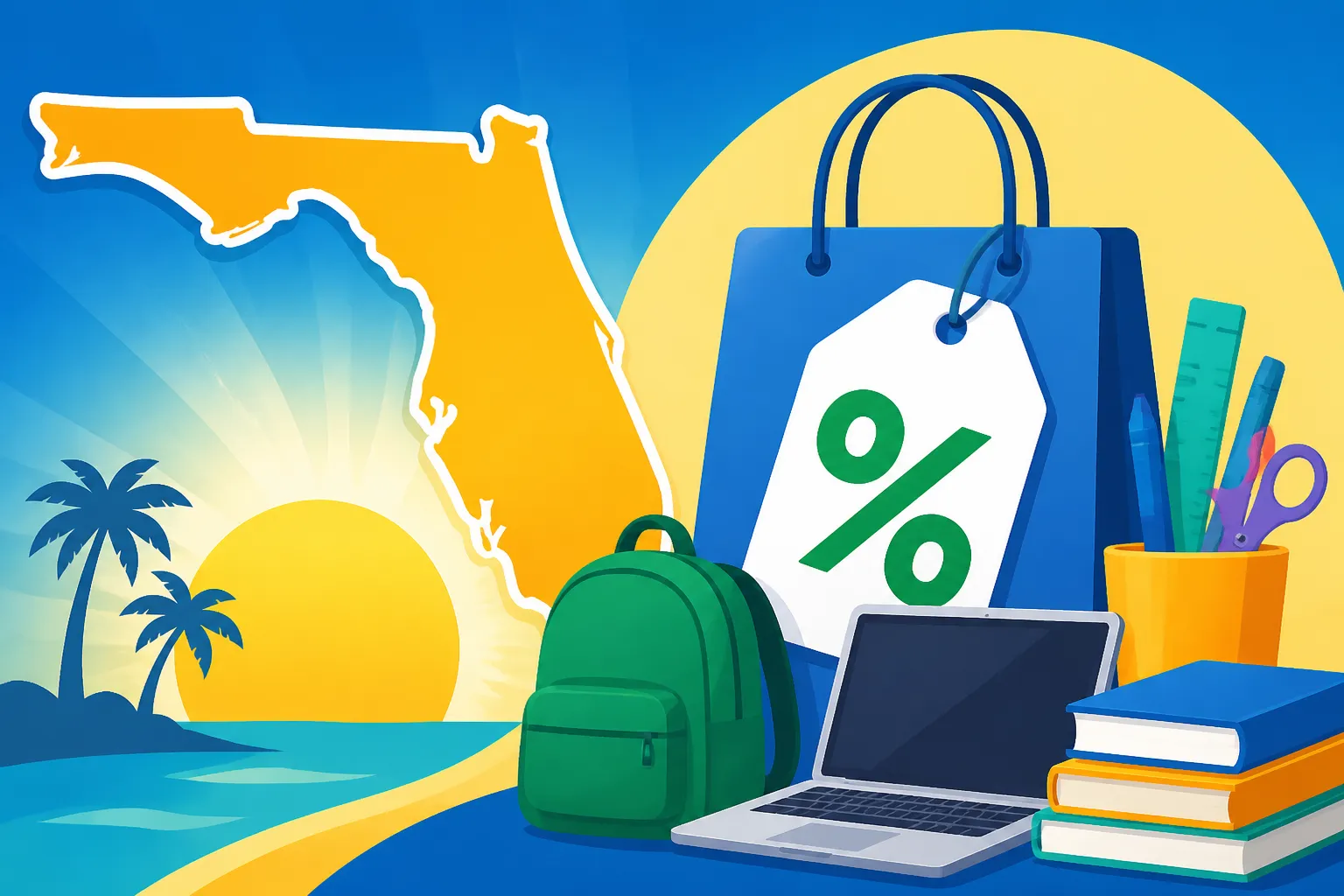
The Back-to-School Sales Tax Holiday is hands down the most anticipated tax-free event in Florida. It's a lifeline for families, allowing them to stock up on everything from new clothes and shoes to pencils and even computers without paying sales tax. For 2026, this holiday is expected to kick off in late July or early August, typically lasting for at least a week, sometimes two. The exact dates are usually finalized by the Florida Legislature closer to the beginning of the year, but the categories of items remain fairly consistent.
Clothing and Footwear Exemptions
During the Back-to-School holiday, most items of clothing, footwear, and certain accessories are exempt from sales tax, provided they meet specific price thresholds. This means you can finally grab those new jeans or sneakers without that extra bite at the register. Typically, individual items of clothing and footwear costing $60 or $70 or less are exempt. This threshold applies to each item individually, not to your total clothing purchase. So, if you buy three shirts at $25 each, all three would be tax-free, even though your total is $75. However, if you splurge on a designer jacket for $100, that single item would still be subject to tax.
It's important to remember that this exemption usually applies to everyday apparel. Things like watches, jewelry, handbags, luggage, and most sports equipment (think cleats designed for a specific sport, not just general athletic shoes) are typically not covered. It's designed to help with school-related clothing needs, so don't expect to deck out your entire wardrobe with luxury items tax-free. Always double-check the specific legislative details for the exact price limits and exclusions for 2026 to avoid any surprises.
School Supplies and Learning Aids
This category is a huge win for parents and students alike. The exemption for school supplies usually applies to individual items priced at $15 or $20 or less. This covers a wide array of necessities, including pens, pencils, crayons, erasers, glue, notebooks, binders, paper, protractors, rulers, and even lunch boxes. It's essentially anything your child might need for a productive day in the classroom. Art supplies like clay, glitter, or specialty paints might be a gray area, so it's always best to consult the official list published by the Florida Department of Revenue.
Educational aids and flashcards, often priced up to $30, can also be tax-exempt. This is fantastic for those looking to supplement their child's learning at home. However, items often considered "office supplies" rather than direct school supplies, such as staplers, printer ink, or correction fluid, are generally not included. The intent is to help with the basic needs of a student for the upcoming school year. To truly maximize your savings, it pays to make a detailed list of what you need and compare it against the official guidelines for What Qualifies for Tax-Free Weekend?.
Personal Computers and Accessories
In recent years, Florida has often included personal computers and certain related accessories in its back-to-school holiday, recognizing the essential role technology plays in modern education. This exemption typically has a higher price threshold, often around $1,500 for a single computer. This can be a significant saving for families needing to purchase a new laptop, desktop, or tablet for their student. The exemption usually covers the computer itself, along with common accessories like keyboards, mice, monitors, and non-recreational software.
However, certain high-end electronics or non-essential items might be excluded. For instance, gaming consoles, televisions, cell phones, and professional-grade software typically remain taxable. The spirit of this exemption is to support educational computing needs, not general electronics purchases. If you're buying online, remember that the exemption applies based on when the item is purchased (when the order is placed), not when it ships. This is an important detail for Does Online Shopping Count for Tax-Free Weekend? as many people do their back-to-school shopping from home.
Other Florida Sales Tax Holidays to Look Out For
While the Back-to-School holiday gets a lot of attention, Florida frequently rolls out other targeted sales tax holidays throughout the year. These provide additional opportunities for savings on different categories of goods that are essential for Florida living, from hurricane preparedness to enjoying the state's beautiful outdoors. Keep an eye on legislative announcements for 2026, as new holidays or changes to existing ones are always a possibility.
Disaster Preparedness Tax Holiday
Living in Florida means being prepared for hurricane season, and the state often helps residents by offering a Disaster Preparedness Sales Tax Holiday. This holiday typically occurs in late May or early June, just before the official start of hurricane season, and can last for one or two weeks. It's a critical time to stock up on supplies that could make all the difference when a storm hits.
Exempt items commonly include things like reusable ice packs, flashlights, radios (battery or hand-crank), tarps, batteries (usually D, C, AA, AAA, 9-volt), first-aid kits, and even pet food for your furry family members. There are usually price limits on certain items, for example, a general limit on generators up to $1,000, and limits on individual packages of batteries. This is an excellent opportunity to build or replenish your emergency kit without the added cost of sales tax.
Tools and Energy-Efficient Appliances
Florida has previously offered sales tax exemptions on certain tools and energy-efficient appliances, though these are not always an annual occurrence. When available, these holidays are aimed at helping homeowners save money while making their homes more resilient or reducing their energy consumption. For instance, in past years, hand tools, power tools, and even certain equipment used for home improvement projects have been exempt up to a specific price point.
The energy-efficient appliance holiday typically targets items like ENERGY STAR® certified washing machines, dryers, refrigerators, and water heaters. These larger purchases can mean substantial savings when the sales tax is removed. Always check if a specific holiday for these items is enacted for 2026, as they offer fantastic opportunities to upgrade your home and save on utility bills in the long run.
Outdoors and Recreation Tax Holiday
Florida is synonymous with outdoor living, and sometimes the state offers a sales tax holiday geared towards making recreational activities more affordable. This holiday, when available, might pop up in the spring or fall. It's designed to encourage residents to get out and enjoy Florida's natural beauty.
Items that have been included in past Outdoors and Recreation holidays often feature fishing supplies (rods, reels, tackle), camping equipment (tents, sleeping bags, camp chairs), bicycles, life vests, and even admission to certain state parks or cultural events. Like other holidays, there are usually price limits per item to ensure the exemption benefits a broad range of consumers. Keeping an eye on the official announcements from the Florida Department of Revenue will ensure you don't miss out on these great savings opportunities.
Making the Most of Florida's Tax-Free Weekends
Savvy shoppers know that sales tax holidays aren't just about showing up at the store. A little planning can go a long way in maximizing your savings and making the entire experience less stressful. It's about being strategic, understanding the rules, and knowing exactly what you need.
Planning Your Shopping Strategy
Before the tax holiday even begins, take some time to assess your needs. For the Back-to-School holiday, this means going through last year's supplies, checking uniform requirements, and making a detailed list of what each child needs. Don't forget to account for the specific price limits for clothing, school supplies, and technology. If you plan to buy a computer, research models beforehand and know exactly what you want.
Consider whether you'll shop in-store or online. While the energy of brick-and-mortar stores can be exciting during a tax holiday, online shopping offers convenience and often a wider selection. Just be mindful of shipping times and ensure your order is placed during the eligible tax-free period. Many retailers, like Walmart and Target, are well-versed in these holidays and will automatically adjust prices at checkout. However, it's always wise to double-check your cart before finalizing your purchase.
Understanding Price Limits and Exclusions
This is where many shoppers can get tripped up. The price limits are firm, and exceeding them, even by a penny, means the entire item becomes taxable. For instance, if the clothing limit is $70, a shirt priced at $70.01 will be fully taxed, not just the excess cent. Always pay close attention to the specific wording from the Florida Department of Revenue, as they provide comprehensive lists and FAQs.
Common exclusions also catch people off guard. As mentioned, things like jewelry, watches, cell phones, and sporting goods specifically designed for a single sport (like football pads) are usually not included. Services, even if related to an exempt product, are also typically taxable. For example, if you buy a tax-exempt computer and opt for an extended warranty or installation service, those additional charges would still be subject to Florida Sales Tax Rate (6% + County Surtax). Being informed about these nuances can save you from frustration at the checkout.
How Online Purchases Are Handled
For those who prefer the comfort of shopping from home, Florida's sales tax holidays generally apply to online purchases as well. The key is that the sale must occur during the designated tax-free period. This means the transaction is completed and the order is placed within the start and end dates of the holiday.
What about shipping? This can be a tricky area, and policies vary by state. In Florida, generally, if a qualifying item is purchased during the sales tax holiday, and it's shipped to a Florida address, the sales tax exemption should apply. However, if shipping and handling charges are separately stated on your invoice, they typically remain taxable, even if the item itself is exempt. Some retailers might even absorb the sales tax on shipping during these holidays as a promotional gesture, but don't count on it. Always review your order summary carefully before hitting "purchase" to ensure the sales tax has been correctly removed from the exempt items.
Staying Compliant as a Florida Retailer During Tax Holidays
For businesses operating in Florida, sales tax holidays are a mixed bag of opportunity and operational complexity. While they promise increased sales, they also demand careful management to ensure compliance with the state's ever-changing sales tax rules. Getting it wrong can lead to headaches, audits, and potential penalties down the line.
Adjusting POS Systems for Exemptions
The biggest operational challenge for retailers during sales tax holidays is ensuring their Point of Sale (POS) systems are accurately configured. This means programming the system to recognize the specific dates of the holiday, the categories of exempt items, and their corresponding price thresholds. For example, a POS system needs to know that a shirt under $70 is exempt, but a shirt over $70 is fully taxable. It also needs to differentiate between general school supplies and other office supplies.
Many modern POS systems offer modules or updates specifically designed to handle sales tax holidays. Retailers often work with their software providers or internal IT teams to implement these changes well in advance. For larger retailers, like Best Buy or Office Depot, this is typically handled by corporate, but for smaller local businesses, it falls squarely on the owner's shoulders. Using a robust sales tax compliance solution can be a game-changer here. Tools like Avalara can automate these complex calculations, ensuring that the correct tax (or exemption) is applied at the point of sale, regardless of the holiday's specific rules or item thresholds.
Communicating Rules to Staff and Customers
Beyond technical adjustments, clear communication is paramount. Staff members, especially those on the sales floor and at checkout, need to be thoroughly trained on what is and isn't exempt, including all price limits and exclusions. This helps prevent frustrated customers, incorrect transactions, and unnecessary delays. Providing cheat sheets or quick reference guides can be incredibly helpful.
Customers also need clear guidance. Retailers should display prominent signage both in-store and online, detailing the specifics of the sales tax holiday. This includes the dates, qualifying items, and any applicable price caps. Frequently Asked Questions (FAQs) sections on websites are also invaluable. Transparent communication not only helps customers plan their purchases but also reduces the burden on your staff to repeatedly explain the rules. Staying on top of these details is crucial for retailers to effectively navigate Florida's sales tax environment. Keeping track of changes, like those detailed in 2026 Sales Tax Rate Changes by State, is an ongoing process for any business.
Florida's sales tax holidays are a fantastic perk for residents, offering genuine opportunities to save money on essential purchases. Whether you're a parent gearing up for the school year or a homeowner preparing for storm season, understanding these holidays and planning your shopping accordingly can make a significant difference to your budget. Remember to always consult the official Florida Department of Revenue guidelines for the most accurate and up-to-date information regarding dates, eligible items, and price limits for 2026 to ensure you maximize your savings.
Disclaimer
The information provided in this guide is for general informational purposes only and does not constitute tax or legal advice. Sales tax laws and regulations are complex and subject to change. Always consult with a qualified tax professional or the official Florida Department of Revenue resources for advice tailored to your specific situation.