Do Tax-Free Weekends Include Shoes?
It’s that time of year again when stores start plastering signs about “Tax-Free Weekend,” and you find yourself wondering, what exactly does that even cover? You're eyeing a new pair of running shoes or those stylish boots, but the uncertainty of whether they qualify for the sales tax exemption can be genuinely frustrating. This comprehensive guide is here to cut through the confusion and specifically address whether shoes are included in sales tax holidays, helping you shop smarter and save more.
Understanding Sales Tax Holidays and Exemptions
Sales tax holidays are special periods, usually a weekend or a week, during which certain purchases are exempt from state sales tax. The idea behind them is usually to stimulate the economy, particularly for back-to-school shopping, by offering a bit of a break to consumers. But as anyone who's tried to navigate state tax codes knows, "simple" is rarely the operative word.
The Purpose of Tax-Free Weekends
The primary goal of sales tax holidays is to provide financial relief to families and consumers, often timed to align with major shopping periods like the start of the school year or hurricane preparedness. States hope that by removing the sales tax burden on specific items, people will be more inclined to spend, boosting local retail activity. For example, a state might offer a break on school supplies, clothing, and even certain technology to help parents equip their kids for the academic year. These events are incredibly popular, but they come with a thick rulebook for what actually qualifies. Understanding the nuances is key to making the most of these limited-time savings opportunities.
Common Categories of Exempt Items
While specific exemptions vary significantly from state to state, there are a few categories that frequently appear on sales tax holiday lists. These typically include:
- Clothing and Apparel: This is a big one, and often the category where shoes fall. However, there are almost always price caps per item.
- School Supplies: Think pens, paper, notebooks, calculators, and art supplies.
- Footwear: This is our focus, often lumped in with clothing but sometimes with its own specific rules.
- Computers and Related Accessories: Some states offer exemptions on electronics, especially laptops and tablets, with varying price limits.
- Emergency Preparedness Items: States prone to natural disasters, like Florida or Texas, might offer tax holidays on items like batteries, generators, and non-perishable food.
- Energy-Efficient Appliances: Occasionally, you'll see exemptions for certain appliances that meet energy-saving criteria.
It's never a one-size-fits-all situation. What's tax-free in one state might be fully taxable in another, even for the same type of item. For a broader overview, you might want to check out our detailed guide on the various Sales Tax Holidays by State 2026: Full Calendar to get a sense of what's happening nationwide.
Do Shoes Qualify for Tax-Free Status?
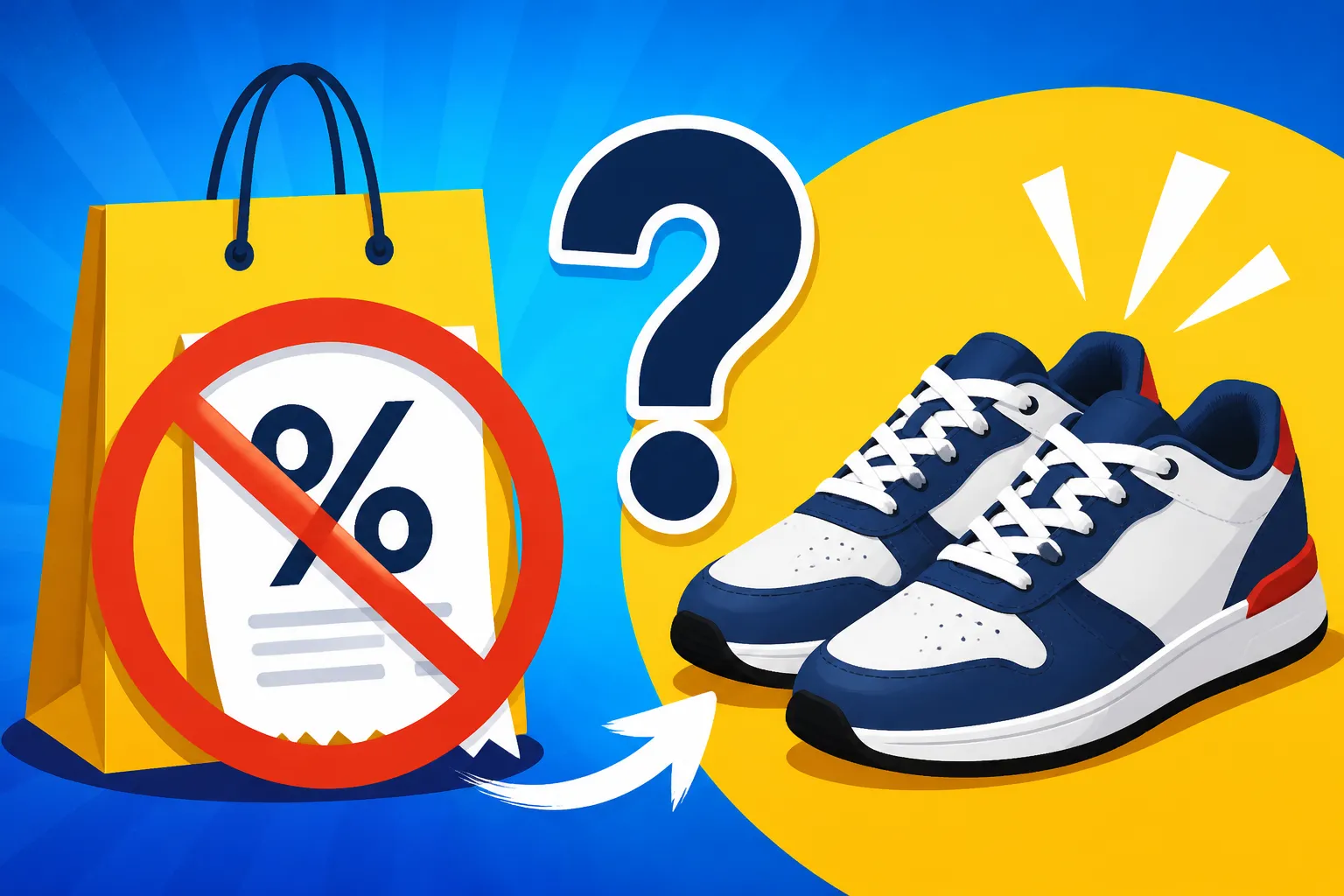
This is the million-dollar question for many shoppers. The short answer is: often, but not always, and with conditions. Most states that offer a sales tax holiday for clothing will also include footwear, but the devil, as always, is in the details.
General Rules for Footwear Exemption
When shoes are included in a sales tax holiday, they are typically considered part of the broader "clothing and footwear" category. This means they are exempt from sales tax during the designated period, just like a shirt or a pair of jeans. The intention is to help families with the considerable expense of outfitting children and adults for school or other needs. So, generally speaking, if your state has a back-to-school tax holiday that covers apparel, there's a good chance shoes are in the mix.
However, it’s not as simple as every pair of shoes being exempt. Often, the exemption applies to most types of everyday footwear, such as sneakers, boots, sandals, and dress shoes. Items considered accessories or specialized gear, like ski boots, roller skates, or even certain sports cleats, might be excluded. It really depends on the state's specific definition of "clothing" or "footwear" for the purpose of the holiday.
Price Limitations and Specific Exclusions
Here's where it gets tricky and where many shoppers can get caught off guard. Almost every state that includes shoes in its tax holiday implements a price limit per item. This means if a pair of shoes exceeds a certain dollar amount, say $100 or $175, it will not qualify for the exemption, even if all other criteria are met.
For example, a state might specify that "clothing and footwear" items are exempt only if they cost $100 or less per item. If you pick up a pair of running shoes for $95, you’re golden. But if you fall in love with a pair of boots priced at $120, you'll still pay sales tax on the entire $120, not just the amount over $100. This is a crucial distinction and one that often frustrates shoppers who assume all items in a category are covered. You can learn more about these limitations in our article about Tax-Free Weekend Clothing Price Limits ($100).
Beyond price, some states have specific exclusions. For instance, certain protective equipment, like shin guards or specialized safety boots, might be taxable even if regular boots are exempt. Accessories that are worn but not strictly "clothing," such as handbags, jewelry, or even shoelaces purchased separately, are almost universally taxable. This level of detail makes it essential to check your state's particular guidelines each year, as they can sometimes change.
State-Specific Nuances for Shoes
The rules for shoe exemptions really do boil down to individual state laws, and they can be quite varied. Some states are very generous, while others are more restrictive.
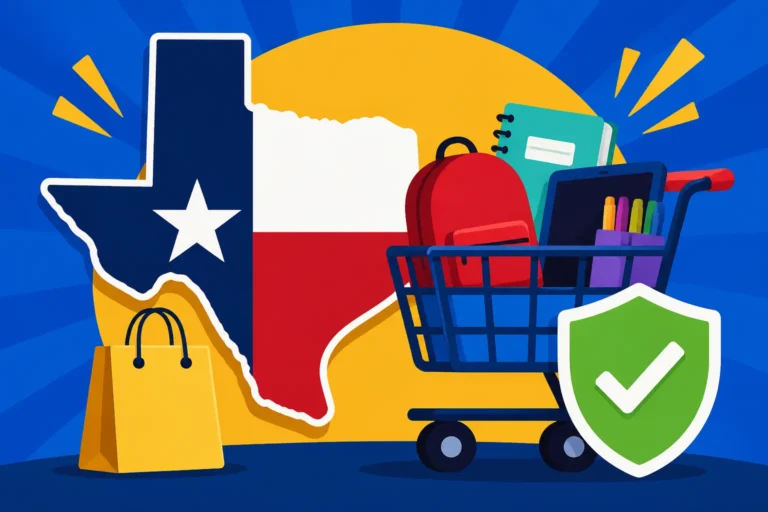
For instance, in Texas, the annual sales tax holiday typically includes most footwear under $100. This covers a wide array of shoes from athletic sneakers to casual sandals, making it a great time for families to stock up. However, accessories like shoe repair materials or renting shoes (like bowling shoes) are still taxable.
Florida often has its "Back-to-School" sales tax holiday, which generally includes clothing, footwear, and certain accessories. For shoes, the typical price cap is $60 per item, which is a bit lower than some other states. This means many higher-end athletic shoes or boots might still be subject to sales tax. Florida also includes school supplies and certain electronics in its holiday, broadening the savings for families. If you're planning to shop there, be sure to check the specific dates and detailed lists for Florida Back-to-School Tax Holiday (All August).
Meanwhile, Massachusetts has had various tax-free weekends over the years, and while clothing and footwear are often included, their price threshold is usually higher, around $175 per item. This more generous limit allows for a wider range of shoes to qualify. However, Massachusetts has also seen debates and occasional suspensions of its holiday, so always confirm the current year's status. Our article on Massachusetts Tax-Free Weekend 2026 (Aug 8-9) can provide the most current information.
It’s this kind of state-by-state variation that makes it so challenging for businesses and consumers alike. If you're a retailer operating in multiple states, keeping tabs on every single specific rule, price cap, and eligible item can be incredibly complex. Tools like Avalara can be incredibly helpful for businesses to manage these varied tax rules and ensure compliance during these periods.
Here’s a quick look at how a few states commonly handle shoe exemptions during their sales tax holidays:
| State | Typical Inclusion of Shoes | Common Price Limit Per Item | Specific Exclusions (Examples) |
|---|---|---|---|
| Texas | Yes, most everyday footwear | $100 | Shoe repair items, rented shoes, accessories like laces |
| Florida | Yes, most everyday footwear | $60 | Specialized sports equipment, safety shoes |
| Maryland | Yes, most everyday footwear | $100 | Accessories, protective sporting goods |
| Missouri | Yes, most everyday footwear | $100 | Accessories, athletic pads |
| New York | No general statewide holiday | N/A (local exemptions exist) | N/A |
| California | No general statewide holiday | N/A | N/A |
Note: This table provides general examples. Rules can change annually. Always verify current state tax department guidelines.
Navigating State-Specific Rules for Footwear
The complexity of tax-free weekends doesn't stop at whether shoes are included; it extends deeply into the specific definitions, timing, and limitations each state imposes. What might be a simple shopping trip in one state could become a tax-liability headache in another.
Examples of States with Specific Shoe Rules
Let’s dig a bit deeper into some of the states and their unique approaches to shoe exemptions.
In Virginia, the state typically bundles its sales tax holiday into a broader event that includes school supplies, clothing, and footwear. The shoe exemption often aligns with the clothing exemption, usually with a price cap around $100 per item. However, Virginia has been known to adjust or even phase out certain aspects of its tax holidays, so it's critical to verify the current year's specifics.
Tennessee is another state with a popular back-to-school sales tax holiday. Their exemption usually applies to clothing and footwear priced at $100 or less per item. This often means your standard sneakers, school shoes, and casual boots are covered, but those designer athletic shoes might still be taxed. Knowing these specific caps is crucial for budgeting your purchases, especially if you're trying to figure out How Much Can You Save on Tax-Free Weekend?.
Then you have states like New York, which doesn't have a statewide sales tax holiday that includes clothing or footwear. However, certain localities within New York, such as New York City, offer a permanent sales tax exemption for clothing and footwear under $110 per item. This isn't a "holiday" per se, but it acts like one year-round for qualifying items. This is a perfect example of how complex sales tax can be, even within a single state, and highlights why knowing your local rules is just as important as the state ones. Our article on Is Clothing Taxable in New York? ($110 Rule) dives into this distinction.
How to Verify Shoe Eligibility for Your State
Given the intricate and often changing nature of these rules, how can you be sure your shoes will actually be tax-free?
- Visit Your State’s Department of Revenue Website: This is always the most reliable source. Every state with a sales tax holiday publishes detailed guidelines, including lists of eligible and ineligible items, price caps, and dates. Look for specific publications related to the "Sales Tax Holiday" or "Tax-Free Weekend."
- Check Retailer Announcements: Major retailers often advertise what items are included in their sales during tax-free weekends. While these are helpful, always cross-reference with official state guidance if you have any doubts. They might highlight categories but not every fine print detail.
- Look for Specific Item Lists: Many states will publish explicit lists. For instance, they might specify "all footwear except specialized athletic cleats or rented footwear." Pay close attention to these exceptions.
- Understand Price Caps: Double-check the price limit per item. If your desired shoes cost $101 and the limit is $100, you will be paying tax on the full amount.
It's a lot to keep track of, especially for a small business that wants to pass on these savings accurately to customers. Having a robust sales tax solution can make a huge difference in ensuring accurate calculations, especially when dealing with specific item exemptions and varying thresholds. Many businesses find that solutions like those from Avalara help simplify this process, so they don't have to manually update their POS systems for every single holiday.
Beyond Shoes: Other Eligible Items During Tax-Free Weekends
While shoes might be top of mind for you, sales tax holidays often encompass a wider array of products. Knowing the full scope of what's typically exempt can help you maximize your savings during these limited windows.
Clothing and Apparel
This is arguably the broadest category during most back-to-school tax holidays, and as we've discussed, it's where footwear usually fits in. Exempt items generally include everyday wear like shirts, pants, skirts, dresses, underwear, socks, and outerwear such as coats and jackets. However, the exact definition of "clothing" can still vary.
For instance, some states might explicitly exclude items like formal wear (wedding dresses, tuxedos), athletic uniforms (unless for general wear), or accessories like watches, jewelry, and handbags. The same price caps that apply to shoes almost always apply to other clothing items as well. So, if you’re planning to buy a designer coat, even if your state has a clothing exemption, it might not be tax-free if it exceeds the per-item price limit. For a deep dive into state-by-state rules on apparel, check out our guide on Sales Tax on Clothing by State.
School Supplies and Backpacks
Beyond clothing and footwear, school supplies are a cornerstone of most back-to-school sales tax holidays. This category is often quite extensive and typically covers the essentials that students need for their studies.
Common exempt items include:
- Writing Instruments: Pens, pencils, markers, crayons.
- Paper Products: Notebooks, loose leaf paper, binders, folders, construction paper.
- Art Supplies: Watercolors, clay, paint, paintbrushes, glue, scissors.
- Learning Aids: Calculators, rulers, globes, protractors.
Often, even backpacks and lunchboxes are included, though they too typically have a per-item price limit, usually lower than that for clothing or computers. It's not uncommon for a state to set a limit around $50 per backpack. These exemptions truly aim to lighten the load for parents getting their children ready for the academic year.
Computers and Electronics Where Applicable
Fewer states offer exemptions on computers and electronics during their general sales tax holidays, but for those that do, it can be a significant saving. When included, these exemptions usually apply to desktop computers, laptops, and sometimes tablets.
The key here is the price threshold, which is typically much higher than for clothing or school supplies, often ranging from $750 to $1,500 per item. This higher limit acknowledges the greater expense of these items. However, accessories like printers, scanners, software, cell phones, or gaming consoles are frequently excluded, or have their own separate, lower price limits. Some states might also specify that the computer must be for "non-commercial" use to qualify, though this is harder to enforce. Always verify the specific rules and price caps for electronics, as they are less common and often have more stringent requirements.
Maximizing Your Savings During a Sales Tax Holiday
You've done your homework, you know which shoes and other items qualify, and you're ready to shop. Now, how do you make sure you're truly getting the most out of these limited-time savings?
Planning Your Shopping Trip
A little preparation goes a long way when it comes to sales tax holidays.
- Make a Detailed List: Before you even set foot in a store (or open your browser), list everything you need, broken down by category. Identify which items you believe will be tax-free.
- Research Price Caps: For each item on your list, especially shoes and higher-ticket items like computers, know the specific price cap your state imposes. This helps you avoid disappointment at the register.
- Compare Prices in Advance: Don't let the "tax-free" label blind you to potential deals. A sale price with tax might still be better than a regular price without tax. Do your comparison shopping ahead of time to ensure you’re getting the best overall value.
- Consider Buying in Bulk (within limits): If your state's exemption applies per item and you need multiple qualifying items (like several pairs of socks or multiple notebooks), the holiday is a good time to stock up. However, be mindful if a retailer offers a "buy one, get one half off" deal – the discount might push one item below the tax-free limit, but the combined total could still be taxable if it exceeds the single item exemption.
- Understand "Bundled" Items: Sometimes, retailers offer items as a bundle, like a computer with pre-installed software. Understand how your state treats these. Is the entire bundle exempt if the computer is below the threshold, or are individual components assessed?
Smart planning ensures that you're not just saving a few cents, but genuinely making a dent in your shopping budget. For more general advice on planning, our Tax-Free Weekend Back-to-School Guide 2026 offers fantastic tips.
Online Purchases and Tax-Free Weekends
A common question in today's digital shopping world is whether tax-free weekends apply to online purchases. The good news is, yes, they generally do!
Most states extend their sales tax holiday exemptions to online sales as long as the item is purchased during the official holiday period and meets all other eligibility requirements (like price caps and item type). The key is the delivery date – typically, as long as the order is placed during the tax holiday, it qualifies, regardless of when it actually arrives at your door.
However, there are a few things to keep in mind:
- Shipping and Handling: Whether shipping and handling charges are also tax-exempt can vary. Some states exempt them if the underlying product is exempt, while others still charge tax on shipping. Check your state's specific guidelines on this.
- Retailer Location: This is less of an issue now due to economic nexus laws, but ensure the retailer is collecting tax for your state. If they are, they should apply the holiday exemption correctly.
- Timing: The online transaction must be completed within the precise start and end times of the tax holiday, based on your state's time zone. If you add an item to your cart at 11:59 PM on the last day and hit purchase at 12:01 AM the next day, it might be too late to qualify.
For more detailed information on this topic, our article Does Online Shopping Count for Tax-Free Weekend? provides an in-depth look. Shopping online can be a great way to avoid crowds and still take advantage of these savings, provided you understand the specific rules.
Disclaimer
Please remember that sales tax laws and holiday rules are subject to change by state legislatures and revenue departments. This content is for informational purposes only and not legal or tax advice. Always consult with a qualified tax professional or refer to your state's official Department of Revenue website for the most current and accurate information regarding sales tax holidays and exemptions.