How Drop Shippers Handle Resale Certificates
Drop shipping can feel like a fantastic business model, a way to sell products without ever touching inventory. But then you run smack dab into the thorny issue of sales tax, specifically when it comes to resale certificates. It’s enough to make your head spin: who needs to collect what, from whom, and when do you use that magic piece of paper that keeps you from paying tax twice? This guide is here to untangle the confusion surrounding resale certificates for drop shippers, helping you navigate this often-overlooked but crucial aspect of sales tax compliance.
Understanding the Drop Shipping Sales Tax Dilemma
The beauty of drop shipping lies in its simplicity, but that very simplicity can create complex sales tax scenarios. You're essentially acting as the middleman, and in the world of sales tax, middlemen often have unique responsibilities that differ from traditional retailers. It's easy to get caught in a transactional loop where you might inadvertently pay sales tax when you shouldn't, or worse, fail to collect it when you absolutely should.
The Triangle of Transactions: Retailer, Customer, and Supplier
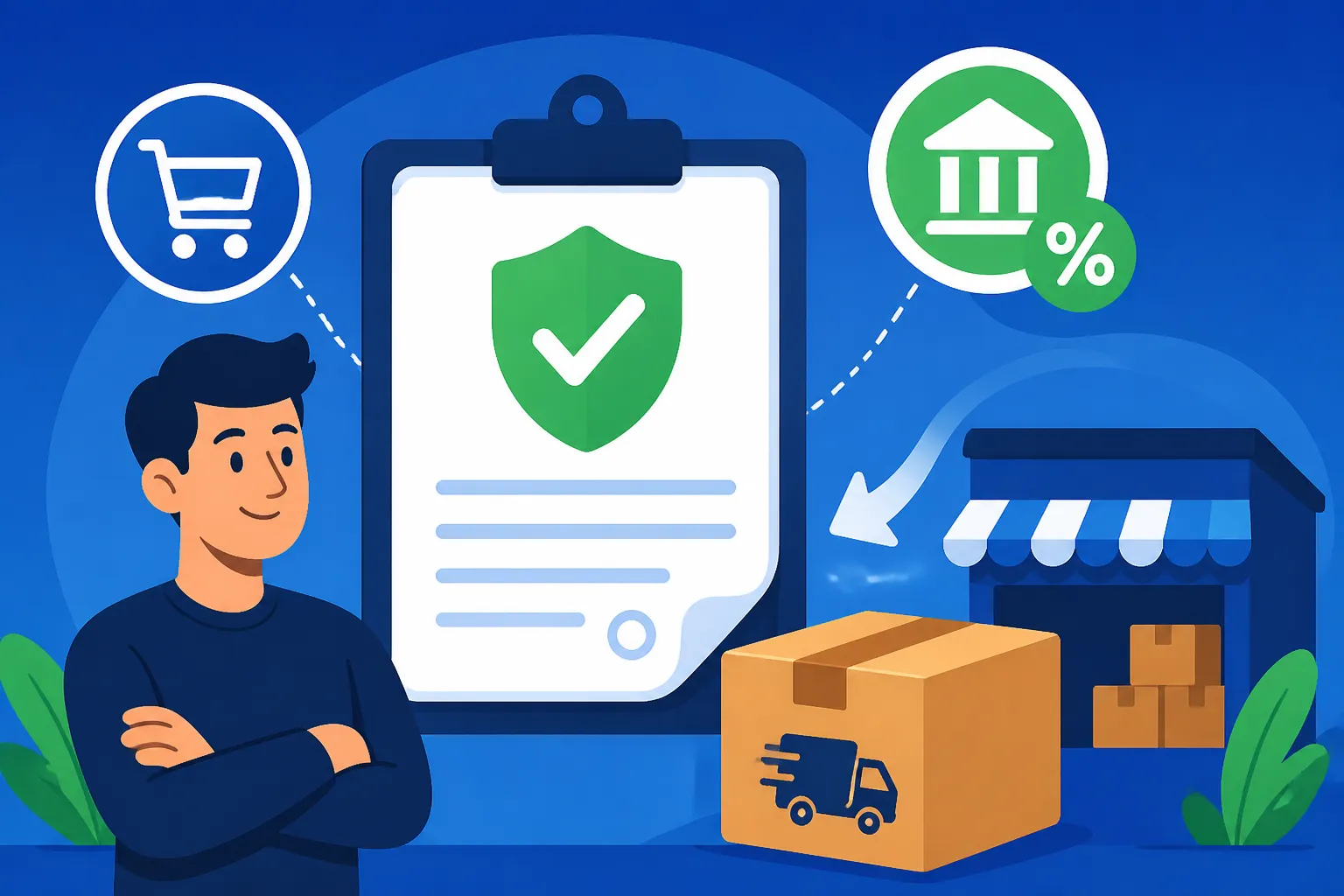
In a typical drop shipping arrangement, you, the drop shipper, act as the retailer. You market and sell products directly to the end customer. However, when an order comes in, you don't actually fulfill it yourself. Instead, you purchase the item from a third party – your supplier or wholesaler – who then ships the product directly to your customer. This creates a fascinating "triangle" of transactions:
- Customer to You (the Retailer/Drop Shipper): The customer places an order on your website and pays you. This is a retail sale, and if you have sales tax nexus in the customer's state and the item is taxable, you are generally responsible for collecting sales tax from the customer.
- You (the Retailer/Drop Shipper) to Your Supplier: You then place an order with your supplier for the same item, paying them their wholesale price. This is where the resale certificate comes into play. Since you are purchasing the item with the intent to resell it, this transaction should ideally be exempt from sales tax.
- Supplier to Customer: Your supplier ships the product directly to your customer. They are fulfilling your order, but they are not the seller of record to the end consumer.
The key frustration here for many drop shippers is understanding which leg of this journey triggers sales tax and for whom. It's not always intuitive, especially when different states have different rules about what triggers sales tax obligations for each party involved.
The Double Taxation Trap for Drop Shippers
One of the biggest pitfalls for drop shippers without a clear understanding of resale certificates is the risk of double taxation. Imagine this:
You sell a widget to a customer in California. Because you have nexus in California, you collect 7.25% state sales tax (plus any local district taxes) from your customer. Great, you’ve handled your obligation.
Now, you turn around and buy that same widget from your supplier, who is also located in California (or has nexus there). If you don't provide your supplier with a valid resale certificate, they will likely charge you sales tax on their sale to you. This means sales tax was collected twice on the same product before it even reached the end consumer: once when your supplier sold it to you, and again when you sold it to your customer. This isn't how sales tax is designed to work. Sales tax is generally a "pass-through" tax, intended to be collected only once at the final retail sale to the end consumer.
Avoiding this double taxation isn't just about saving a few bucks; it's about staying compliant and ensuring your profit margins aren't eroded by unnecessary tax payments. This is precisely why understanding and properly utilizing resale certificates is absolutely non-negotiable for drop shippers. Without them, you're essentially adding an extra, unwanted sales tax burden onto your wholesale costs.
What Exactly is a Resale Certificate for Drop Shippers?
Let's strip away the jargon and get to the heart of what a resale certificate really means for your drop shipping business. It's a critical tool that allows you to buy goods from your suppliers without paying sales tax, under the condition that you intend to resell those goods to an end customer. Think of it as your golden ticket to avoid being taxed on items you're merely facilitating the sale of.
More Than Just a Piece of Paper
A resale certificate, often also called an exemption certificate or a seller's permit in some contexts (though a seller's permit is technically what allows you to collect tax, and the certificate is what exempts your purchase), is a legal document you provide to your supplier. Its primary purpose is to inform your supplier that the goods they are selling to you are being purchased for the explicit purpose of resale, and therefore, their sale to you is exempt from sales tax.
This isn't about you avoiding sales tax entirely; it's about ensuring the tax is only applied at the final point of sale to the consumer. For example, if you buy 100 t-shirts from your supplier, you provide them with a resale certificate. They won't charge you sales tax. When you then sell those t-shirts to your individual customers, you will collect sales tax from them (if you have nexus in their state). The certificate essentially pushes the sales tax obligation down the supply chain to the actual retail transaction. Without it, your supplier would be legally obligated to charge you sales tax, and you'd have to figure out how to recoup that cost, usually through a credit or refund from the state, which is a much more cumbersome process.
Who Needs One and When?
As a drop shipper, you are the retailer in the eyes of the customer, and you are the buyer in the eyes of your supplier. Therefore, it is your responsibility to provide a valid resale certificate to your supplier when you purchase goods from them that you intend to resell.
You need to provide a resale certificate to your supplier when:
- Your Supplier has Sales Tax Nexus in the State Where the Goods are Being Shipped. If your supplier doesn't have nexus in that state, they generally wouldn't be collecting sales tax from you anyway, so a certificate wouldn't be strictly necessary for that transaction, though many suppliers require one on file as a blanket exemption for all sales to resellers.
- The Item You're Purchasing is for Resale. This is key. If you're buying office supplies for your own business operations, you cannot use a resale certificate for that purchase. It's strictly for inventory that you will sell again.
- You Have a Valid Sales Tax Permit in the State of the Transaction. This is a critical prerequisite. You generally cannot issue a valid resale certificate for a state unless you are registered to collect sales tax in that state yourself. This means you need to have a sales tax permit (also called a seller's permit, vendor's license, or certificate of authority depending on the state) in the state where you are issuing the certificate.
Let's illustrate with an example. You, a drop shipper based in Florida, sell a product to a customer in Texas. Your supplier is based in New York.
- If your supplier has Texas nexus, you need to provide them a valid Texas resale certificate so they don't charge you tax on the sale to you.
- If you have Texas nexus (perhaps due to economic nexus thresholds), you need to collect tax from your customer in Texas.
It's a nuanced dance, and understanding the distinct roles and nexus points is vital.
Navigating Nexus for Drop Shippers and Resale Certificates
Sales tax nexus is the core concept that dictates where you, or your supplier, have an obligation to collect and remit sales tax. For drop shippers, this becomes particularly complex because there are two distinct nexus considerations: your nexus (as the retailer) and your supplier's nexus (as the entity selling to you and shipping to your customer). Mixing these up can lead to compliance headaches.
The Supplier's Nexus vs. Your Nexus
This is where many drop shippers get tripped up. Let's clarify:
- Your Nexus (as the Retailer): This determines whether you need to collect sales tax from your customer. If you have physical presence (like an office or employees) or meet economic nexus thresholds in your customer's state, you generally have a responsibility to register there and collect sales tax on taxable sales to customers in that state. For a deeper dive, check out our guide on Sales Tax Nexus Explained (Physical vs Economic).
- Your Supplier's Nexus: This determines whether your supplier needs to charge you sales tax on your wholesale purchase. If your supplier has physical presence or economic nexus in the state where the product is being shipped (which is your customer's state), they are obligated to charge sales tax unless you provide them with a valid resale certificate.
Here’s the crucial point for drop shippers: you need a resale certificate to give to your supplier if your supplier has nexus in the state where the item is being shipped. The certificate exempts their sale to you. It has nothing directly to do with whether you collect tax from the end customer, other than preventing you from being double-taxed. If your supplier doesn't have nexus in the shipping state, they wouldn't charge you tax anyway, so a certificate isn't necessary for that specific transaction. However, keeping one on file with them for all states where you have nexus is good practice.
Consider a scenario: you're in Colorado, your customer is in California, and your supplier is in New York.
- If your supplier also has California nexus, they would charge you California sales tax unless you give them a valid California resale certificate.
- Separately, if you (the drop shipper) have California nexus, you must collect California sales tax from your customer.
It really is two separate sales tax obligations, one for each "leg" of the triangle.
Economic Nexus and Drop Shipping Implications
The Supreme Court's 2018 Wayfair decision revolutionized sales tax, introducing the concept of economic nexus. This means that even if you, as a drop shipper, don't have a physical presence in a state, you might still be obligated to collect and remit sales tax if your sales into that state exceed certain revenue or transaction thresholds. Our guide on Economic Nexus by State 2026: Thresholds Guide provides a comprehensive overview of these thresholds across the U.S.
For drop shippers, economic nexus has a dual impact:
- Your Obligation to Customers: If your sales into a state surpass its economic nexus threshold (e.g., $100,000 in sales or 200 transactions), you establish nexus there. This then means you must register for a sales tax permit in that state and collect sales tax from your customers located there on all taxable sales.
- Your Ability to Issue Resale Certificates: And this is key! Once you have nexus in a state and are registered for a sales tax permit, you can then issue a valid resale certificate for that state to your suppliers. This allows you to avoid paying sales tax on your wholesale purchases from those suppliers who also have nexus in that state.
Many drop shippers initially only consider their home state's nexus. But with economic nexus, you could potentially have collection obligations in dozens of states and, consequently, need to issue resale certificates in those same states to your various suppliers. This is where the complexity truly scales, and why a robust system for managing these certificates becomes paramount. Missing this step can lead to significant financial strain from overpaying sales tax or severe non-compliance penalties.
How to Obtain and Manage Resale Certificates
So, you understand why you need a resale certificate. Now, let's talk about the how. It's not as simple as just printing one off and handing it over. There are specific steps and considerations to ensure your certificates are valid and properly managed.
Registering for a Sales Tax Permit First
This is the foundational step that many businesses, not just drop shippers, misunderstand. You cannot legally issue a resale certificate for a specific state unless you are formally registered with that state's taxing authority and have a valid sales tax permit (or whatever they call it – seller's permit, certificate of authority, vendor's license, etc.) in that state.
Think of it this way: the state wants to ensure that if you're buying something tax-free because you intend to resell it, you're also registered to collect and remit the sales tax when you make that final retail sale. It's about accountability.
The process usually involves:
- Determining Your Nexus: First, assess where you have sales tax nexus. This includes physical presence (even if it's just your home office) and economic nexus states where you meet the thresholds. Our guide on How to Get a a Sales Tax Permit by State is an excellent resource for state-specific requirements.
- Applying for a Permit: Visit the website of the relevant state's department of revenue (or similar agency). You'll typically fill out an online application providing your business information, federal Employer Identification Number (EIN), and details about your business activities. Some states, like California with its CDTFA, are specific about what kind of permit you need.
- Receiving Your Permit: Once approved, the state will issue your sales tax permit or license number. This number is what you'll use on your resale certificates.
Without this permit, any resale certificate you attempt to issue for that state would be invalid, and your supplier would still be obligated to charge you sales tax. This means you need to be proactive and get registered in every state where you need to issue a certificate. This can seem daunting, especially if you have nexus in many states, which is why registering for sales tax in multiple states can be a significant undertaking.
State-Specific Forms and Reciprocity
Once you have your sales tax permits, the next step is getting the actual resale certificate forms. This is where things can get a little messy:
- Individual State Forms: Most states have their own specific resale certificate forms. For example, California uses Form CDTFA-230, while Texas uses Form 01-339. You generally need to fill out the form for the specific state where your supplier has nexus and where the product is being shipped. This means if you have suppliers shipping into 10 different states, you might need to fill out 10 different state-specific forms. Understanding How to Use a Resale Certificate (Form CDTFA-230) in California is a great example of navigating a common state's process.
- Multistate (MTC) Uniform Sales & Use Tax Certificate: Thankfully, there's some relief! Many states participate in the Multistate Tax Commission (MTC) program and accept a uniform resale certificate. This form allows you to use a single certificate for multiple states, significantly streamlining the process. However, not all states accept it, and some have specific instructions on how to use it. Our post on the Multistate (MTC) Resale Certificate Explained delves into which states participate and how to properly use this advantageous form. Always confirm with your supplier if they accept the MTC certificate for a given state.
Managing these forms can quickly become a significant administrative burden, especially for drop shippers working with multiple suppliers and shipping into many states. Keeping track of which supplier has which certificate, when they expire (some do!), and ensuring they are always valid can be a full-time job. This is where dedicated sales tax compliance software, like those offered by Avalara, becomes incredibly valuable. Products such as Avalara CertCapture are specifically designed to help businesses collect, store, and manage exemption certificates, vastly simplifying compliance and reducing audit risk. It's a lifesaver for businesses dealing with high volumes of transactions and multiple state requirements.
Best Practices for Drop Shippers and Resale Certificate Compliance
Managing resale certificates efficiently is a cornerstone of smart sales tax compliance for drop shippers. It’s not enough to just know what they are; you need a proactive strategy to ensure you’re always covered and never caught off guard. This means implementing systematic processes for obtaining, storing, and reviewing your certificates, as well as maintaining a clear understanding of your broader sales tax obligations.
Documenting Everything and Staying Organized
Imagine an auditor from a state tax department asking to see all the resale certificates you provided to your suppliers for transactions over the past three years. If you can’t produce them, or if they’re incomplete or expired, you could be held liable for the sales tax that was never collected, plus penalties and interest. This is a very real and financially damaging scenario that many businesses face.
Therefore, robust documentation and organization are paramount:
- Centralized Storage: Keep all your resale certificates in one secure, easily accessible location. Digital storage is highly recommended, ideally in a cloud-based system that allows for easy retrieval and backup. Tools like Avalara CertCapture specialize in this, digitizing the process and keeping certificates organized and validated.
- Tracking Expiry Dates: Some states issue sales tax permits or certificates that expire. While many resale certificates don't have a hard expiration date unless the information changes, it's vital to stay on top of any state-specific requirements. Create a system to periodically review your certificates and update any that might be invalid or outdated.
- Proactive Supply to Suppliers: Don't wait for your supplier to ask for a certificate. As soon as you establish a relationship with a new supplier, or expand your nexus into a new state, proactively provide them with the appropriate, valid resale certificates. This ensures you're never charged sales tax on wholesale purchases you intend to resell.
A simple lapse in documentation can lead to significant financial exposure. For instance, if a supplier charges you sales tax because you didn't provide a certificate, you'll either eat that cost (reducing your profit) or spend valuable time trying to get a refund from the state, which is often a bureaucratic nightmare. Having a clear, organized process ensures you're always prepared, minimizing risk and maximizing efficiency.
When to Collect Sales Tax from Your Customers
It's critical to remember that while a resale certificate exempts your purchase from your supplier from sales tax, it has absolutely no bearing on whether you need to collect sales tax from your end customer. These are two entirely separate sales tax obligations.
As a drop shipper, you are the retailer to the end customer. Therefore, if you have nexus in the customer's state (either physical or economic nexus) and the product they are purchasing is taxable in that state, you are legally obligated to:
- Register for a Sales Tax Permit: Ensure you have an active sales tax permit in that customer's state. You can't collect tax legally without one.
- Calculate the Correct Rate: Determine the correct combined state and local sales tax rate for the customer's shipping address. This can be incredibly complex, as rates vary not just by state, but often by city, county, and special districts. Our guide on Combined State + Local Sales Tax Rates Explained highlights this complexity.
- Collect Sales Tax: Add the appropriate sales tax to the customer's total at checkout.
- Remit to the State: Periodically (monthly, quarterly, or annually, depending on your filing frequency), report and pay the collected sales tax to the relevant state taxing authority.
This dual responsibility is why drop shipping compliance can feel so overwhelming. You're simultaneously managing your supplier relationships (with resale certificates) and your customer relationships (with sales tax collection and remittance). Thankfully, modern sales tax software can largely automate the calculation and collection of sales tax from your customers, integrating seamlessly with popular e-commerce platforms like Shopify or WooCommerce. This significantly reduces the burden, ensuring you charge the correct sales tax every time, regardless of how complex the local rates may be. If you're wondering Do I Need to Collect Sales Tax for Online Sales?, the answer for drop shippers with nexus is almost always yes.
| Type of Transaction | Parties Involved | Certificate Needed? | Who Collects Tax? | Purpose of Certificate |
|---|---|---|---|---|
| Wholesale Purchase | Drop Shipper (Buyer) & Supplier (Seller) | YES (from Drop Shipper to Supplier) | NO (if valid certificate provided) | To exempt the supplier's sale to the drop shipper from sales tax. |
| Retail Sale | Customer (Buyer) & Drop Shipper (Seller) | NO | YES (Drop Shipper from Customer) | N/A (Certificate is for wholesale exemption, not retail collection) |
Navigating the intricacies of sales tax for drop shippers, especially concerning resale certificates, demands diligence and a systematic approach. By understanding your nexus obligations, properly utilizing resale certificates with your suppliers, and accurately collecting sales tax from your customers, you can build a compliant and thriving business. Don't let the complexities deter you; instead, arm yourself with knowledge and the right tools.
Disclaimer
The information provided in this article is for general informational purposes only and does not constitute tax or legal advice. Sales tax laws are complex and vary by state and jurisdiction, and they can change frequently. It is essential to consult with a qualified tax professional or legal advisor for advice tailored to your specific business situation.