Is Clothing Taxable in Minnesota?
Navigating the ever-changing landscape of sales tax can feel like a full-time job, especially when you're trying to figure out something as seemingly simple as whether your new shirt will cost you a little extra at the checkout. For folks living in or selling to Minnesota, there's a common misconception that clothing might be tax-exempt, given how many other states have special rules. This guide is here to clear up that confusion, diving deep into Minnesota's sales tax policies on apparel so you can shop and sell with confidence.
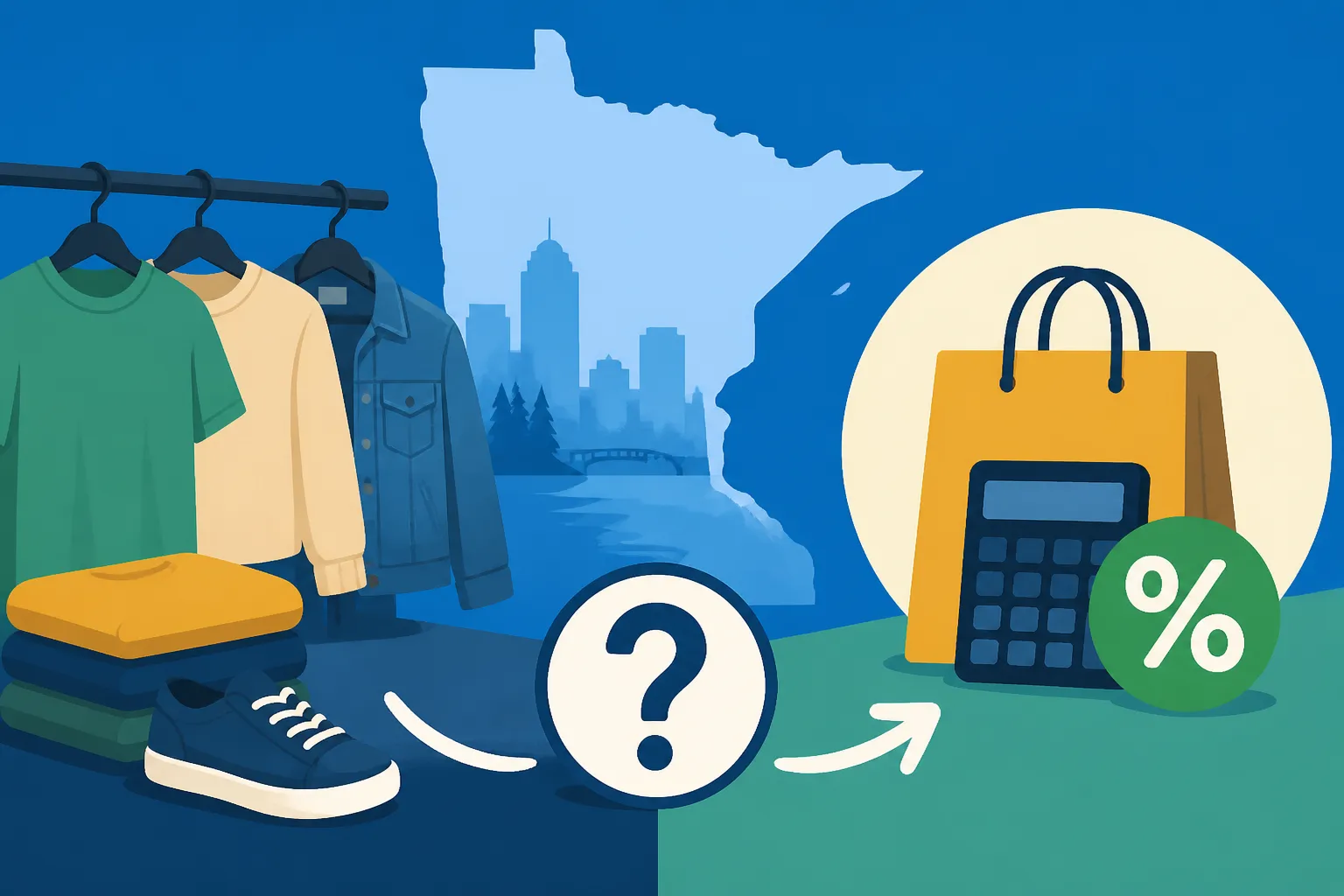
The Straight Answer: Is Clothing Taxable in Minnesota?
It's a question many ask, often with a glimmer of hope for a tax-free shopping spree. But let's get right to it: when it comes to sales tax on clothing, Minnesota generally follows the rule rather than the exception.
Minnesota's General Rule for Apparel
Unlike a handful of other states that offer specific exemptions for clothing, Minnesota considers most articles of apparel to be tangible personal property and, as such, subjects them to the state's general sales tax rate. This means that when you buy a new pair of jeans, a winter coat, or even socks in Minnesota, you'll typically pay sales tax on that purchase. The statewide sales tax rate is 6.875%, but when local taxes are added, the combined rate can be higher, reaching over 8% in some areas like Minneapolis or St. Paul. This can come as a surprise if you're used to shopping in states where certain clothing items fly off the shelves without that extra percentage. It’s important to remember that there isn't a broad "clothing exemption" that applies across the board, which often catches both new residents and online sellers off guard.
For businesses, this means accurate collection is crucial. Failing to charge sales tax on clothing in Minnesota, even if done unintentionally due to a misunderstanding of the rules, can lead to significant penalties down the road. It highlights why understanding specific state rules, rather than relying on general assumptions, is so vital.
How Minnesota Compares to Neighboring States
The differences in sales tax rules for clothing can be quite stark, even between neighboring states. For instance, Minnesota's next-door neighbor, North Dakota, also taxes clothing. However, if you head further east or south, the landscape changes dramatically.
Consider these examples:
- Pennsylvania and New Jersey: These states offer broad exemptions for most clothing and footwear. Imagine buying a whole new wardrobe and only paying tax on non-clothing items!
- New York and Massachusetts: These states have partial exemptions. In New York, individual articles of clothing or footwear priced under $110 are exempt from state sales tax, though local taxes might still apply. Massachusetts has a similar rule, exempting single articles of clothing under $175.
- Other Midwestern States: Wisconsin and Iowa generally tax clothing, similar to Minnesota.
This patchwork of rules creates a complex environment for retailers, especially those who sell across state lines. A customer in Minneapolis buying a shirt online from a store based in Pennsylvania might be surprised to see sales tax added, assuming it's the same rule everywhere. For businesses selling to a wide audience, knowing the specifics for each state, rather than relying on what's common "near me," is absolutely paramount. Understanding these nuances is critical for businesses tracking their sales tax obligations and avoiding missteps that could trigger a sales tax audit.
Navigating Specific Situations: What's Considered "Clothing"?
Even in states where clothing is generally taxable, the definition of "clothing" for sales tax purposes isn't always as straightforward as it seems. It's not just about shirts and pants; sometimes, the line blurs into accessories, protective gear, or even items that look like clothing but serve a different primary purpose.
Everyday Apparel vs. Specialty Items
Generally, Minnesota's sales tax applies to most items worn on the body. This includes your standard shirts, pants, dresses, coats, underwear, and shoes. It also extends to many accessories like belts, scarves, and ties. The key is typically whether the item is primarily designed for human wear and provides protection or covers the body for ordinary daily use.
However, the world of "specialty items" can introduce some interesting grey areas.
- Protective Gear: Items like safety goggles, hard hats, or work gloves are often primarily functional for protection rather than general apparel. In many cases, if they're specifically designed and sold for safety or occupational purposes, they might be treated differently, though the general rule for safety clothing itself (like a high-visibility vest) often still applies. For instance, a regular winter coat is taxed, but specialized flame-retardant industrial coveralls might have different treatment depending on specific use cases or if purchased by a business for a tax-exempt purpose.
- Sporting Goods: A swimsuit is clearly clothing, but what about ski boots or hockey pads? These are often seen as sporting equipment rather than general apparel and are typically taxable just like any other sporting good. The focus is on their specialized purpose for a sport rather than general wear.
- Costumes and Theatrical Wardrobe: If you're buying a Halloween costume for fun, it's generally taxed as clothing. However, if a theater company purchases costumes for a production, they might be eligible for certain exemptions if they qualify as a non-profit organization or if the items are for resale as part of a performance ticket.
- Accessories: Items like jewelry, watches, or handbags are also generally taxable as tangible personal property, regardless of whether they are "worn." While they accessorize an outfit, they aren't usually categorized directly under "clothing" for unique tax treatment.
The main takeaway here is that if it's something you wear in public for warmth, modesty, or fashion, it's almost certainly taxable in Minnesota. If it has a highly specialized protective or sporting function, it's still usually taxable, but the classification might shift from "clothing" to "equipment," without changing its taxable status.
Understanding Exemptions for Certain Apparel Types
While a broad clothing exemption doesn't exist in Minnesota, there are a few very specific scenarios or types of items that might be exempt or treated differently. These are typically narrow and not related to the general price or type of clothing.
- Medical Appliances: Items deemed "medical appliances" might be exempt. This isn't your everyday sweater, but rather things like orthopedic braces, specialized support hosiery, or certain prosthetic devices prescribed by a medical professional. The key here is the medical necessity and prescription, not just that you wear it. For example, a doctor-recommended back brace would likely be exempt, whereas a back support belt bought over-the-counter for general comfort would not.
- Nonprofit and Government Purchases: If a qualifying nonprofit organization or a government entity purchases clothing (perhaps uniforms for employees or items for donation), those purchases might be exempt under their specific organizational exemptions, not because the clothing itself is exempt, but because the purchaser is exempt. This requires the proper tax exemption certificates to be presented at the time of purchase.
- Resale Exemptions: A retailer buying clothing from a wholesaler with the intent to resell it to consumers would use a Resale Certificate by State: Complete Guide to avoid paying sales tax on their wholesale purchase. They then collect the sales tax from the end consumer. This isn't an exemption for the clothing itself, but for the stage of the transaction.
It's clear that the general consumer won't often encounter these exemptions when buying a new outfit. The default expectation in Minnesota should always be that sales tax will apply to clothing. Businesses need to ensure their systems, like those from companies such as Avalara, are configured to correctly apply these rules based on the customer's location and any applicable exemption certificates.
Practical Implications for Shoppers and Sellers
Understanding Minnesota's stance on sales tax for clothing has tangible impacts, whether you're just picking up a new shirt or managing an e-commerce empire. It’s not just about the numbers; it's about accurate budgeting, pricing, and compliance.
For Minnesota Shoppers: Budgeting and Awareness
For those of us shopping in Minnesota, whether at a brick-and-mortar store in Duluth or browsing online from Rochester, it simply means that sales tax is an expected part of the price tag on clothing. This might seem obvious, but if you've recently moved from a state like Pennsylvania or New Jersey, it's an adjustment. When budgeting for new clothes, remember to factor in that extra percentage.
- In-Store Purchases: The sales tax will be calculated at checkout based on the combined state and local rates applicable to that specific store's location. For instance, the sales tax rate in Minneapolis will be higher than the state-only rate due to local add-ons. You can learn more about Combined State + Local Sales Tax Rates Explained to see how these totals are calculated.
- Online Shopping: The same rules apply. If the online retailer has Sales Tax Nexus Explained (Physical vs Economic) in Minnesota (meaning they have a significant presence or meet the economic nexus threshold), they are required to collect Minnesota sales tax from you. The rate charged will typically be based on your shipping address. This is why you might see sales tax added to online clothing orders, even if the retailer is based out-of-state. Companies like Target, which has a strong presence, or a smaller online boutique that meets the state's economic nexus threshold, will charge you accordingly.
Being aware of these policies helps you avoid sticker shock and budget more effectively. That $50 sweater might actually cost you closer to $53.44 or more once Minnesota's sales tax is applied.
For Retailers: Ensuring Accurate Sales Tax Collection
For businesses selling clothing, especially those with an online presence reaching customers across the country, accurately collecting and remitting sales tax in Minnesota (and all other states where they have nexus) is a critical compliance challenge.
- Determining Nexus: First and foremost, a retailer must understand if they have nexus in Minnesota. This can be physical (a store, warehouse, or employee in the state) or economic (exceeding a certain sales threshold, which in Minnesota is $100,000 in retail sales in the current or preceding calendar year). If you're an online seller, you should definitely dive into our comprehensive Sales Tax for Online Sellers: Complete Guide to understand these obligations.
- Applying the Correct Rate: Once nexus is established, the challenge is applying the correct sales tax rate. Minnesota uses a destination-based sales tax system for remote sellers, meaning the rate is based on the location where the customer receives the goods. This can vary significantly by city and county, as seen with different rates in St. Paul versus a rural Minnesota town. Using precise address lookup for sales tax, rather than just ZIP codes, is crucial for accuracy.
- Compliance Software: Managing these complexities manually can quickly become overwhelming, particularly for businesses that sell high volumes of various products across multiple states. Sales tax compliance software becomes an invaluable tool. Solutions from providers like Avalara help businesses automate the calculation, collection, and remittance of sales tax, ensuring that the correct rates are applied to each transaction, regardless of product type or customer location. This automation minimizes the risk of errors and streamlines the entire process, freeing businesses to focus on growth. Staying compliant means accurately calculating how much sales tax is due for your business, and platforms like Avalara are specifically designed for this purpose.
Whether you're selling a handful of items or running a large e-commerce operation, accurate sales tax management for clothing in Minnesota requires diligence and often, the right technology.
Here's a quick comparison of Minnesota's clothing sales tax rules against a few other notable states:
| State | General Clothing Sales Tax Rule | State Sales Tax Rate | Key Nuances/Exemptions |
|---|---|---|---|
| Minnesota | Generally taxable | 6.875% | No broad clothing exemption; medical appliances may be exempt. |
| Pennsylvania | Generally exempt | 6% | Most clothing and footwear are exempt. |
| New Jersey | Generally exempt | 6.625% | Most clothing and footwear are exempt. |
| New York | Partially exempt | 4% | Individual items of clothing/footwear under $110 are exempt from state tax. |
| Massachusetts | Partially exempt | 6.25% | Individual items of clothing/footwear under $175 are exempt. |
| Wisconsin | Generally taxable | 5% | No broad clothing exemption. |
| Florida | Generally taxable | 6% | Annual "back-to-school" tax holiday typically includes clothing. |
This table really highlights how varied the rules can be. What's exempt in one state might be fully taxable in another. For a business with customers nationwide, relying on something like a Sales Tax Calculator: How to Calculate Sales Tax that can factor in these state-specific nuances is a lifesaver.
Disclaimer
The information provided in this article is for general informational purposes only and does not constitute tax advice. Sales tax laws are complex and subject to change. Always consult with a qualified tax professional or the Minnesota Department of Revenue for advice tailored to your specific situation.