Is Catering Taxable? Prepared Food Rules
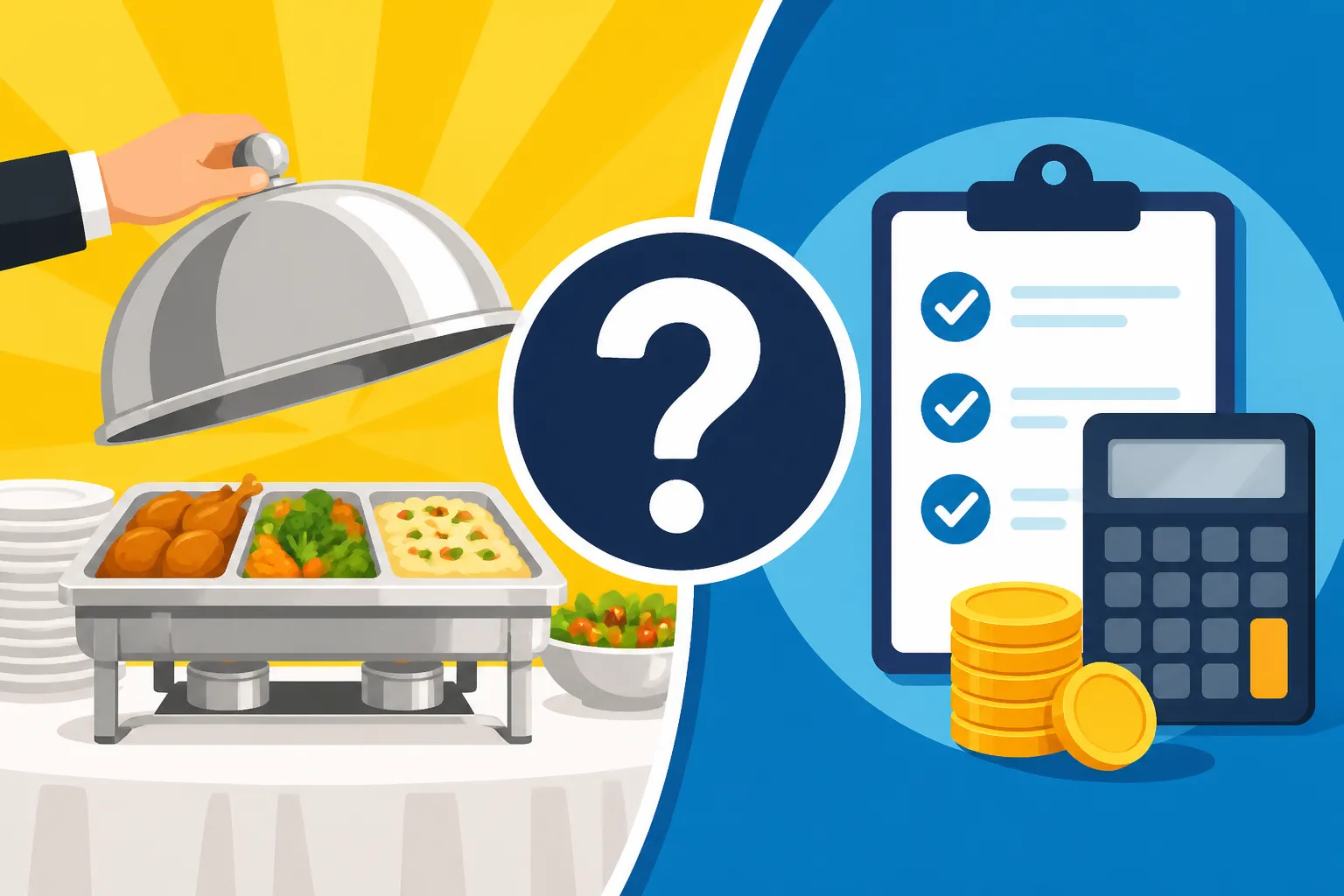
If you've ever run a catering business, or even just ordered catering for an event, you know the frustration of trying to figure out sales tax. It feels like a confusing labyrinth of rules, especially when you consider different types of food, services, and even the location of your customers. This guide will meticulously break down whether catering is taxable, delve into the critical "prepared food" rules that dictate much of it, and offer practical insights to help you navigate these often-baffling regulations.
The Complex World of Sales Tax on Catering
Catering isn't just about food; it's a blend of product sales, service delivery, and sometimes even equipment rental. This multi-faceted nature is precisely why sales tax can be such a headache for caterers. You're not just selling a sandwich; you're often selling the experience, the convenience, and the execution, all of which can have different tax implications depending on where you operate. It's enough to make any business owner feel like they need a tax lawyer on retainer just to make sure they're ringing up orders correctly.
Why Catering Isn't Always Straightforward
The core issue with sales tax in catering often boils down to state and local jurisdictions classifying what's actually being sold. Is it a tangible product (the food itself), a service (preparation, delivery, setup, serving), or a combination? Many states, in an effort to simplify things (or so they say), have different rules for "food for home consumption" versus "prepared food" or "food consumed on premises." A grocery store selling a frozen pizza might be exempt from sales tax on food, but if you're a caterer delivering a hot, ready-to-eat pizza with plates and napkins, the rules change dramatically.
Consider a small event you're catering in a bustling city like Los Angeles. You might think, "It's just food, right?" But the City of Los Angeles, like many municipalities, can layer its own sales tax on top of the statewide California sales tax rate. What seems like a simple transaction suddenly involves state, county, and often city-level taxes, and knowing which rate applies to which part of your service is crucial. This is where understanding how combined sales tax rates work really comes into play, as each jurisdiction adds its own piece to the puzzle.
The "Prepared Food" Conundrum
At the heart of most catering sales tax discussions is the definition of "prepared food." This isn't just an arbitrary term; it's a legal classification that states use to determine if food items, which might otherwise be exempt as groceries, become taxable because they're ready for immediate consumption. It's the reason why a bag of uncooked pasta might be non-taxable, but a freshly made lasagna is. The distinction often hinges on criteria like whether the food requires further preparation by the consumer, if it's heated, or if utensils are provided.
For caterers, nearly everything they provide falls under the umbrella of prepared food. When you're bringing a hot meal, plated and ready to eat, to a corporate luncheon or a wedding reception, it inherently meets the criteria for prepared food in most states. However, the exact thresholds and definitions can vary wildly from one state to another. Some states might exempt large quantities of prepared food if sold for later consumption, while others are stricter. This is why a deep dive into what is considered prepared food sales tax is absolutely essential for any caterer.
Understanding "Prepared Food" Definitions by State
The term "prepared food" is one of the most significant sales tax differentiators for caterers. States have tried to create definitions, but they aren't always consistent, leading to a patchwork of regulations that can be incredibly difficult to keep track of if you operate across state lines or even just within complex local jurisdictions.
The Hot vs. Cold Rule and Eating Utensils
Many states use a "hot or cold" test to determine if food is prepared. If food is sold hot, it's generally considered prepared and taxable. Think of a buffet line where everything is kept warm – that's a clear signal it's ready to eat. Conversely, cold food items can be a bit more ambiguous. A cold sandwich might be taxable, while a whole, uncut cold pie might not be if it's intended for multiple servings and requires slicing.
Another common determinant is the provision of eating utensils. If the vendor provides plates, knives, forks, spoons, glasses, cups, napkins, or straws with the food, it strongly suggests the food is intended for immediate consumption and is therefore "prepared." Imagine a caterer delivering individually boxed lunches with cutlery, napkins, and a drink. That entire package, even if some items are cold, is almost certainly going to be subject to sales tax because of the added convenience and readiness for consumption. However, if a caterer just drops off a huge platter of cold cuts and bread with no plates or utensils, some states might treat that differently, assuming the customer will do the final "preparation" (assembling sandwiches and getting their own plates). It's a subtle but important distinction.
Beyond the Basics: Ingredients and Ready-to-Eat
States often expand their definitions beyond just temperature and utensils. They might consider whether the food is cooked, heated, or combined by the vendor. For instance, in many places, mixing different ingredients together to create a salad or a casserole makes it "prepared." Even if it's served cold and the customer provides their own plate, the act of preparation by the caterer makes it taxable.
Some states also look at the proportion of prepared food to non-prepared food in a single sale. For example, if you sell a meal kit that requires significant cooking by the consumer, it might be exempt. But if you sell a "ready-to-heat" meal that just needs a few minutes in the microwave, it's often considered prepared. This line can be blurry. A caterer selling large trays of lasagna (prepared) versus a caterer selling bags of flour and sugar (raw ingredients) illustrates the stark difference. The closer the food is to being "ready-to-eat" with minimal effort from the customer, the more likely it is to be taxed as prepared food. The rules around sales tax on groceries and food by state are typically the antithesis of catering rules, designed to differentiate basic necessities from restaurant-style service.
Catering Services: Taxable Elements Beyond the Food
It's a common misconception to think that sales tax on catering only applies to the food itself. In reality, the services provided by caterers often constitute a significant portion of the total bill, and these services can also be subject to sales tax, either as part of a bundled transaction or as separately stated charges. This is where the complexity truly ratchets up, as states have varying stances on what constitutes a taxable service versus a non-taxable one when delivered alongside tangible goods.
Service Charges, Delivery, and Setup Fees
Many caterers include service charges, administrative fees, delivery fees, and setup fees in their invoices. The taxability of these charges is highly dependent on state law. In some states, if these service charges are mandatory and inextricably linked to the sale of taxable prepared food, they become taxable themselves. For example, if a "service fee" covers the labor of serving food that is taxable, that fee will likely be taxable too. This is often the case with bundled transactions, where the primary purpose of the transaction is the sale of a taxable item.
However, in other states, if service charges are optional, clearly itemized, and truly represent a non-taxable service (like event planning or consultation that isn't directly related to the food preparation or delivery), they might be exempt. Delivery charges are another common point of confusion. Some states treat delivery of taxable goods as a taxable service, while others, like Texas, might exempt it if separately stated and not integral to the sale of the goods. It's crucial for caterers to look into the specifics of sales tax on services by state to avoid missteps. For example, if a caterer in Florida charges a flat delivery fee, that fee might be subject to sales tax, whereas in a state like New Hampshire (which has no sales tax), it would be irrelevant.
Rentals and Disposable Items
Catering often involves more than just food and service. Many caterers provide linens, silverware, plates, glassware, tables, chairs, and other equipment rentals. The sales tax implications for these items can differ significantly. Generally, the rental of tangible personal property (like tables and chairs) is taxable in most states that have a sales tax.
For disposable items – think napkins, plastic cutlery, paper plates – they are typically considered part of the prepared food sale if included with the meal. If the caterer separately charges for these disposable items, their taxability usually follows the same rules as the prepared food itself. If the food is taxable, the disposable items are too. The key is how the items are itemized on the invoice. If everything is bundled under a single price for a meal, the entire charge is usually taxable. If rentals are itemized separately, they will be taxed according to rental rules. It's a maze, and keeping track of all the different components requires diligent record-keeping and a clear understanding of each state's rules, which are constantly evolving.
Key States and Their Specific Catering Sales Tax Rules
Because sales tax is administered at the state level (and often locally too), there's no single federal rule for catering tax. This means caterers need to be intimately familiar with the specific regulations of every state and local jurisdiction where they operate. What's perfectly fine in one state could lead to penalties in another.
California's Catering Tax Nuances
California, with its complex web of district taxes, presents a unique challenge for caterers. The state imposes a base sales tax rate, but then counties, cities, and special districts add their own local sales tax rates, which can push the total combined rate quite high. For caterers, prepared food and most catering services are generally taxable. This includes charges for food, beverages, setup, cleanup, and even staff labor for serving, unless those services are optional and separately stated in a contract and not essential to the provision of the food itself (which is rare in catering).
A key aspect in California is the "point of sale" or "place of business" rule. Generally, sales tax is sourced to the location where the sale occurs, which for catering usually means the caterer's business location. However, if the caterer has inventory or staff working at an offsite location from which goods are delivered, it can become more nuanced, falling into origin vs destination sales tax sourcing rules. California also has specific guidelines for events like banquets or private parties versus general take-out, so understanding the exact nature of the service is crucial. For instance, charges for corkage fees or cake-cutting fees, if mandatory, are also subject to sales tax. You'd certainly want to keep an eye on the California sales tax rate (7.25% Base + Districts) and ensure your system is calculating district taxes correctly based on your catering activities.
Texas and Florida: Different Approaches to Prepared Food
Texas has its own distinct approach to catering sales tax. Generally, all prepared food and beverages sold by caterers are taxable. This includes charges for meals, snacks, and drinks. Like many states, Texas considers food prepared if it's heated, combined, or served with eating utensils. However, Texas also provides specific guidance on service charges. While mandatory service charges related to the sale of prepared food are generally taxable, separately stated delivery charges might be exempt if they are reasonable and the tangible product (food) is not shipped via common carrier. This means a caterer’s own delivery service could potentially be non-taxable for the delivery portion, which is different from many other states.
Florida, on the other hand, is known for having a statewide sales tax on most tangible personal property and services, with few exemptions. Catered food is definitively taxable as prepared food. Florida's Department of Revenue is quite clear that charges for food, beverages, and associated services such as preparation, serving, setup, and cleanup are all subject to sales tax. Even charges for linen, tableware, and furniture rentals provided by the caterer are taxable. There are fewer gray areas for service fees in Florida; if it's part of the catering package, it's generally taxable. This includes even small things like disposable plates and napkins if they're part of a taxable meal. Understanding the Florida sales tax rate (6% + County Surtax) is crucial for caterers operating in the Sunshine State.
New York's Detailed Catering Guidelines
New York State, and particularly New York City, has incredibly detailed and often stringent sales tax rules for catering. The general rule is that all sales of prepared food and drinks are taxable. This extends to catering services, including charges for food, beverages, labor, and rentals of equipment like tables, chairs, and linens. New York is especially granular in its definitions, emphasizing that "any food or drink sold in a form suitable for immediate consumption" is generally taxable. This means almost all catering falls under the taxable umbrella.
One notable aspect in New York is the rule regarding the provision of "take-out" containers. Even if food is otherwise cold, if it's served in containers that allow for easy consumption on premises or shortly thereafter, it can be deemed prepared. New York also provides extensive guidance on gratuities and service charges. While voluntary tips are not taxable, mandatory service charges, even if designated as a "gratuity," are typically subject to sales tax if they're part of the charge for taxable food and drink. This is an important distinction that many caterers miss, leading to potential audit issues. It highlights why caterers need to consult specific state guidelines like the New York sales tax rate (4% + Local) rules to ensure full compliance.
Navigating Exemptions and Resale Certificates for Caterers
Even with the complexities of sales tax on catering, there are situations where exemptions apply. Understanding these exemptions, and knowing how to properly use resale certificates, can save caterers a significant amount of money and ensure they're not over-collecting tax from certain clients or overpaying tax on their own purchases.
Exemptions for Non-Profits and Government Entities
One of the most common exemptions caterers encounter is when serving non-profit organizations or government entities. Many states offer sales tax exemptions to qualifying non-profits (such as charities, educational institutions, or religious organizations) and governmental bodies (federal, state, and local). However, this isn't a blanket exemption. The non-profit or government entity must typically provide a valid exemption certificate to the caterer before the transaction.
It's absolutely critical for caterers to obtain and retain a copy of this certificate. Simply being told by a client that they are a non-profit is not enough; without the proper documentation, the caterer is still liable for collecting and remitting sales tax. The rules can also vary by state on what kind of purchases are exempt. Sometimes, only purchases made directly by the organization for its tax-exempt purpose are exempt, not purchases made by individuals associated with the organization. This means a school ordering lunches for students might be exempt, but an individual teacher ordering food for a private party probably isn't. For a comprehensive overview, caterers should check out the guide on nonprofit & government sales tax exemptions.
Using Resale Certificates for Raw Materials
Caterers purchase a lot of ingredients: meats, vegetables, spices, beverages, and disposable items. When these items are purchased with the intent to be resold as part of a prepared meal, caterers can often use a resale certificate to avoid paying sales tax on these inputs. The idea is that sales tax should only be collected once, at the final retail sale to the consumer.
For example, when a caterer buys a large block of cheese from a wholesaler that will be used in a taxable lasagna, they can provide a resale certificate to the wholesaler. This signifies that the caterer is purchasing the cheese for resale and will collect and remit the sales tax when they sell the finished lasagna to their client. This avoids double taxation. However, if that same caterer buys cheese for their own consumption (say, for their staff's lunch), they would not be able to use a resale certificate and would pay sales tax on that purchase. It's a key distinction. Caterers should familiarize themselves with how to obtain and properly use a resale certificate by state, as the forms and requirements differ. This often applies to disposable items too; if paper plates are purchased to be given with a taxable meal, they can be bought tax-free with a resale certificate.
Best Practices for Catering Businesses
Given the intricate and ever-changing nature of sales tax, adopting robust best practices is not just a good idea for caterers; it's essential for financial health and legal compliance. Ignoring sales tax can lead to hefty penalties, interest, and even legal issues.
Staying Compliant with Ever-Changing Rules
The sales tax landscape is constantly in flux. States adjust their rates, change definitions of what's taxable (especially with services and digital goods), and update nexus thresholds. For caterers, this means that the rules you learned last year might not apply today, or even next month. Staying compliant requires continuous education and vigilance.
One critical step is to regularly review the sales tax laws in all the states and local jurisdictions where you operate or have economic nexus. This includes checking official state revenue department websites for updates and bulletins. For multi-state caterers, particularly those who might ship components or offer services across state lines, understanding economic nexus by state 2026 is paramount. You might have to register for a sales tax permit in a state where you only have a certain sales volume, even if you don't have a physical presence there. The consequences of not collecting sales tax when you have nexus can be severe. It's also wise to implement a system for consistently applying sales tax to invoices, clearly distinguishing between taxable and non-taxable elements where appropriate and permitted by state law. Regularly filing your sales tax returns, even if you had zero sales, is also a crucial compliance step. The guide on how to get a sales tax permit by state provides a great starting point for registration.
Leveraging Technology for Sales Tax Management
Manually tracking sales tax rates, determining taxability for various components of a catering order (food, service, rentals, delivery), and then filing returns across multiple jurisdictions is incredibly time-consuming and prone to error. This is where technology becomes a caterer's best friend. Sales tax compliance software can automate much of this burdensome process.
These solutions integrate with your point-of-sale (POS) system or accounting software, automatically calculating the correct sales tax rates based on the customer's location (or the caterer's nexus location, depending on state sourcing rules) and the specific items being sold. They can handle the complexities of prepared food rules, service taxability, and even manage exemption certificates. For example, platforms like Avalara are designed to handle these exact complexities, providing real-time rate lookups and automatically generating accurate sales tax returns. Investing in such a system not only saves hours of administrative work but significantly reduces the risk of costly errors and audits. The best sales tax compliance software 2026 can be a game-changer for busy caterers looking to scale their business without drowning in tax paperwork.
| Service/Item Type | General Taxability (Most States) | Key Considerations |
|---|---|---|
| Prepared Food | Taxable | Hot food, ready-to-eat, provided with utensils. |
| Non-prepared food | Often Exempt | Raw ingredients, large quantities for later preparation by customer. |
| Mandatory Service Fees | Often Taxable | If linked to taxable food, bundled charges. |
| Optional Service Fees | Potentially Exempt | Clearly separated, genuinely optional, non-food services. |
| Delivery Charges | Varies (Often Taxable) | Taxable if part of food sale; sometimes exempt if separate. |
| Equipment Rentals | Taxable | Tables, chairs, linens, dishware rentals. |
| Disposable Items | Often Taxable (with food) | Napkins, plates, cutlery included with prepared meals. |
| Sales to Non-Profits | Exempt (with certificate) | Requires valid state-issued exemption certificate. |
Disclaimer
Please remember that this guide provides general information about sales tax on catering and prepared food rules. Sales tax laws are complex, constantly changing, and vary significantly by state and local jurisdiction. This content is not intended as legal or financial advice. Always consult with a qualified tax professional or the relevant state tax authorities for advice specific to your business operations and location. Tax regulations can change, and it is your responsibility to ensure compliance.