Do I Need to Collect Sales Tax in Alabama?
Navigating the labyrinth of sales tax rules can feel like trying to solve a Rubik's Cube blindfolded, especially when you're just trying to figure out if you even need to collect sales tax in a specific state. For businesses, both large and small, the question of "Do I Need to Collect Sales Tax in Alabama?" is a critical one that can have significant compliance implications. This guide is here to untangle the complexities of Alabama's sales tax requirements, walking you through everything from establishing nexus to understanding what steps to take next.
Understanding Sales Tax Nexus in Alabama
Before you can even think about collecting sales tax, you first need to determine if your business has what's called "nexus" in Alabama. Think of nexus as a significant enough connection to the state that obligates your business to collect and remit sales tax. It's not always straightforward, and it certainly became more complicated for everyone after a landmark court case a few years back.
Physical Presence: The Traditional Rule
Historically, the concept of sales tax nexus was pretty simple: if your business had a physical presence in a state, you had nexus there. This meant a brick-and-mortar store, an office, a warehouse, or even employees working within the state's borders. For instance, if you operate a charming boutique in downtown Birmingham or have a sales team based out of Mobile, you absolutely have physical nexus in Alabama.
Even temporarily being in the state can create physical nexus. Attending a trade show where you make sales, having independent contractors performing services on your behalf, or storing inventory in a third-party warehouse (like an Amazon FBA facility) can all trigger physical nexus. It’s not just about a permanent storefront anymore; if your business activities put a physical footprint, however small or temporary, on Alabama soil, you’re likely on the hook. Understanding these nuances is crucial, as many businesses mistakenly believe "physical presence" only applies to their main office.
Economic Nexus: The Post-Wayfair Reality
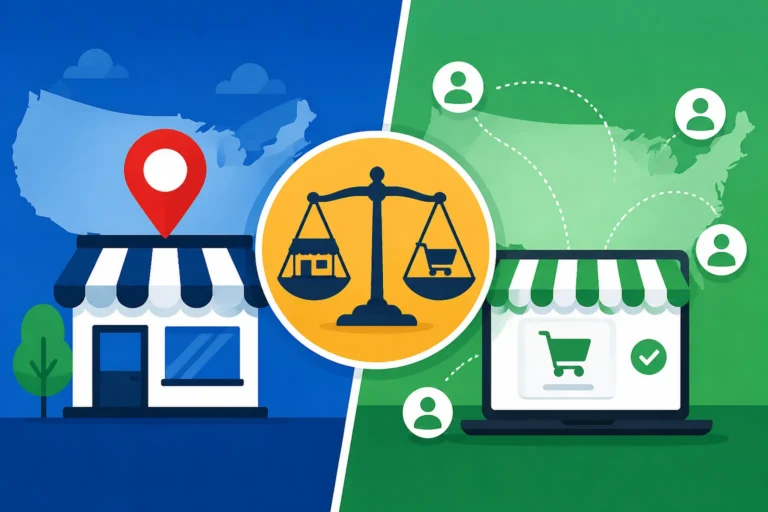
Then came the game-changer: the South Dakota v. Wayfair Supreme Court decision in 2018. This ruling introduced the concept of "economic nexus," which means you can have a sales tax obligation in a state even if you don't have any physical presence there. Instead, your obligation is triggered by reaching a certain dollar amount or number of transactions from sales into that state. For online sellers, drop shippers, and anyone selling across state lines, this decision turned the sales tax world upside down. No longer could businesses simply rely on not having a physical store in Alabama; they now had to track sales into every state to see if they met economic nexus thresholds. This shift is why so many businesses are now asking, "Do I Need to Collect Sales Tax in Alabama?" even if their operations are headquartered thousands of miles away. You can learn more about the broader implications of Sales Tax Nexus Explained Physical vs Economic.
Alabama's Specific Economic Nexus Threshold
Every state got to set its own rules for economic nexus, and Alabama is no exception. It's vital to know these specific thresholds because they're the trigger for your collection requirement.
What Triggers Economic Nexus in Alabama?
For Alabama, effective January 1, 2019, an out-of-state seller establishes economic nexus if, in the previous calendar year, their retail sales of tangible personal property into Alabama exceeded $250,000. It’s important to note that Alabama has one of the higher thresholds compared to many other states, which often set it at $100,000 in sales or 200 transactions. This means if your online store, for example, sold $200,000 worth of goods to Alabama customers in 2025, you would not have economic nexus for 2026. However, if those sales hit $251,000, then you’d be required to register and collect starting January 1, 2026.
Unlike many states that include a transaction count (e.g., $100,000 in sales or 200 transactions), Alabama's threshold is purely based on the gross sales amount. This simplifies things slightly but still requires diligent tracking. You can find more detailed information on Alabama's specific rules in our guide on Economic Nexus in Alabama Threshold & Rules. Remember, this applies to retail sales of tangible personal property. Services and certain digital goods have different rules and may or may not be taxable in Alabama.
What Counts Towards the Threshold?
When you're trying to figure out if you've hit Alabama's $250,000 economic nexus threshold, it’s not just about your total company revenue. You need to focus on your retail sales of tangible personal property made into Alabama. This generally means sales where the end-user is in Alabama and the goods are physical items.
Here’s a breakdown of what typically counts and what often doesn't:
- Taxable Sales: Any sales of goods that would normally be subject to Alabama sales tax if sold by an in-state vendor count towards the threshold. This is your core product revenue delivered to Alabama.
- Exempt Sales (if tangible personal property): Even if a sale is ultimately exempt (e.g., sold to a tax-exempt organization with a valid exemption certificate, or a resale for which you accepted a valid resale certificate), if it's tangible personal property, it generally counts toward the gross sales threshold for determining nexus. The state wants to know your total sales volume to its residents, not just your taxable sales.
- Shipping and Handling: In Alabama, shipping charges are generally taxable if the product itself is taxable, and they are part of the sales price. So, these would contribute to your total sales into the state.
- Marketplace Sales: Here's a critical point for many online sellers. Alabama is a "marketplace facilitator" state. This means if you sell through platforms like Amazon, eBay, or Etsy, these platforms are generally responsible for calculating, collecting, and remitting sales tax on sales made through their marketplace into Alabama. When determining your individual economic nexus threshold, sales made through a marketplace facilitator do not count towards your $250,000 threshold. You only need to track sales made directly through your own website or other non-marketplace channels. This is a huge relief for many small businesses leveraging these platforms.
What Generally Doesn't Count:
- Services: Most services are not subject to sales tax in Alabama. Therefore, revenue from services provided to Alabama customers would not count towards the tangible personal property threshold.
- Digital Products/Software: Generally, separately stated digital products or software are not subject to Alabama sales tax, so they wouldn't count towards the tangible personal property threshold. However, if software is bundled with tangible hardware, it might be treated differently.
- Sales Made via Marketplace Facilitators: As mentioned, if Amazon or Etsy collects and remits sales tax on your behalf for sales into Alabama, those particular sales are generally excluded from your threshold calculation for your own nexus determination.
It's crucial to segregate your sales data carefully. Many businesses use sales tax compliance software, like Avalara, to help them automatically track these sales, categorize them, and monitor their nexus thresholds across all states. This kind of automation can be a lifesaver, ensuring you don't inadvertently cross a threshold without realizing it. Staying on top of these numbers ensures you don't miss the moment you become obligated to collect.
Next Steps Once You Establish Nexus in Alabama
So, you’ve done your homework, looked at your sales data, and realized that yes, you’ve met Alabama’s economic nexus threshold (or you have a physical presence). What now? Don't panic! It just means it's time to get compliant.
Registering for an Alabama Sales Tax Permit
The very first and most crucial step is to register for an Alabama sales tax permit. You cannot legally collect sales tax until you have this permit. It’s essentially your license to collect tax on behalf of the state. In Alabama, this is often referred to as a "seller's permit" or a "sales and use tax license." You’ll register with the Alabama Department of Revenue (ADOR).
The process typically involves filling out an application, which can often be done online through the My Alabama Taxes (MAT) portal. You’ll need information like your business name, address, federal Employer Identification Number (EIN), and the date you started making sales in Alabama that triggered nexus. It’s always best to register before you start collecting, or as soon as you realize you've crossed the threshold. Trying to retroactively collect can be a nightmare, and the state will still expect you to pay the tax you should have collected. If you need a more general overview, our guide on How to Get a Sales Tax Permit by State can provide additional context. For specific Alabama steps, refer to the Sales Tax Registration Guide for Alabama.
Collecting and Remitting Sales Tax
Once you have your permit, you are officially authorized – and obligated – to collect sales tax from your Alabama customers. This means adding the correct sales tax rate to their purchases.
- Determining the Correct Rate: Alabama has a state sales tax rate of 4%. However, this isn't the whole story. Local jurisdictions (cities, counties, and special districts) can add their own sales taxes on top of the state rate. This means the actual combined sales tax rate a customer pays can vary significantly from one city or county to another. For example, a sale in Montgomery will likely have a different combined rate than a sale in Huntsville. It’s not uncommon to see combined rates ranging from 4% up to 11% or even higher in some areas. Businesses need to charge the rate applicable to the customer's location. This is often based on the destination of the sale. Understanding Origin vs Destination Sales Tax Sourcing is essential here.
- What to Collect On: You'll collect sales tax on the retail sale of tangible personal property. As we touched on earlier, services and many digital products are generally exempt, but it's always good to double-check specific scenarios.
- Remitting the Tax: After collecting, you’ll need to file regular sales tax returns with the Alabama Department of Revenue and remit the collected funds. Your filing frequency (monthly, quarterly, annually) will typically be assigned by the state based on your expected sales volume. The due dates for filing and payment are generally on the 20th of the month following the reporting period, but always confirm the exact dates. For a full picture of these dates, check out Alabama Sales Tax Filing & Due Dates.
- The Simplified Sellers Use Tax (SSUT) Program: Alabama offers an interesting program called the Simplified Sellers Use Tax (SSUT) program. This is specifically designed for remote sellers (those with economic nexus, but no physical presence) and allows them to collect a flat 8% simplified sellers use tax on all sales into Alabama, regardless of the local rates. In return, the state distributes 2% of that 8% to the local jurisdictions based on a formula. The major benefit here is simplifying compliance for remote sellers by eliminating the need to track varying local rates across Alabama. This can be a huge time-saver and accuracy booster for businesses selling to many different locations within the state. We’ll dive deeper into this program in the next section.
Accurate collection and timely remittance are key to staying compliant. Mistakes can lead to penalties and interest, which no business owner wants. This is another area where sales tax software like Avalara can automate rate lookup and filing, taking a huge burden off your shoulders.
Important Considerations for Alabama Sellers
Alabama has some unique quirks when it comes to sales tax that are worth noting, especially for businesses trying to remain compliant without a dedicated tax department.
What's Taxable in Alabama?
When you’re collecting sales tax, knowing what to collect it on is just as important as knowing if to collect it. In Alabama, the general rule is that retail sales of tangible personal property are taxable. This covers most physical goods you might sell, from clothing and electronics to furniture and cars.
However, there are always exceptions and nuances:
- Services: Generally, services are not taxable in Alabama. If you're a consultant, a web designer, or offer cleaning services, you typically wouldn't charge sales tax on these services. However, if a service involves creating or delivering a tangible product (e.g., custom printing services), or if it's considered an installation charge for a taxable item, it might become taxable. It's always best to check the specifics for your particular service offering.
- Groceries: Unlike some states that exempt groceries, Alabama generally imposes sales tax on food items, including most groceries purchased for home consumption. There have been efforts to reduce or eliminate this tax, but as of now, it's still largely applied.
- Digital Products: Many digital products, like e-books, streamed movies, or downloadable software, are typically exempt from sales tax in Alabama when sold separately. This is a common area of confusion for online businesses.
- Manufacturing Exemptions: Businesses involved in manufacturing may qualify for exemptions on certain machinery, equipment, and raw materials used directly in the manufacturing process. These are specific and require proper exemption certificates.
- Resale Certificates: If you sell to another business that intends to resell the item, you should accept a valid resale certificate from them. This allows them to purchase without paying sales tax, as the tax will be collected when they sell the item to the final consumer.
Keeping track of what's taxable can be tricky, especially if you sell a diverse range of products. A comprehensive guide like What's Taxable in Alabama Sales Tax Guide can be an invaluable resource, helping you understand specific scenarios.
Simplified Sellers Use Tax SSUT Program
We briefly touched on the SSUT program, but it's such a significant feature for remote sellers in Alabama that it deserves a closer look. The Simplified Sellers Use Tax (SSUT) program is Alabama's unique way of streamlining sales tax compliance for businesses that have economic nexus but no physical presence in the state.
Here’s how it works:
- Voluntary Enrollment: If you are an out-of-state seller with economic nexus in Alabama, you can choose to enroll in the SSUT program. It’s entirely voluntary.
- Flat 8% Rate: Instead of having to calculate and collect the varying combined state and local sales tax rates for every single customer in Alabama, SSUT participants collect a flat 8% "simplified sellers use tax" on all taxable sales into the state.
- Simplified Remittance: You remit this 8% directly to the Alabama Department of Revenue. The state then takes on the responsibility of distributing a portion of those funds to the various local jurisdictions.
- Benefits: The main benefit is immense simplification. Imagine selling to customers in 50 different cities and counties within Alabama, each with a different local sales tax rate. Without SSUT, you'd need to correctly identify and apply each of those rates. With SSUT, it's just one flat 8% rate across the board. This drastically reduces the complexity of rate lookup and helps prevent errors. For businesses looking to comply efficiently, this program is a game-changer.
- Who Qualifies: Only remote sellers who do not have a physical presence in Alabama (and are therefore collecting use tax, not sales tax) are eligible for the SSUT program. If you have a physical presence, you must collect the actual state and local sales tax rates.
If your business has economic nexus in Alabama, seriously consider the SSUT program. It’s designed to make your life easier and reduce the administrative burden of sales tax compliance. Tools that integrate with the SSUT program, like certain sales tax software, can further automate this process.
Sales Tax Rates in Alabama: A Quick Overview
While the SSUT program simplifies things for remote sellers, it's still good to know the general landscape of Alabama's sales tax rates. This table provides a snapshot of the state's base rate and how local taxes can influence the total.
| Taxing Authority | Base Rate | Notes |
|---|---|---|
| State of Alabama | 4.00% | This is the statewide sales tax rate. |
| Counties | 0.00% – 7.00% | Many counties levy their own sales tax, often in the range of 1% to 3%, but some can be higher. |
| Cities | 0.00% – 5.00% | Cities also frequently add their own sales tax, which can significantly increase the total. |
| Combined Total | 4.00% – 11.50%+ | The combined rate can vary wildly depending on the specific county and city within Alabama. |
Note: These rates are subject to change. Always verify the current rates for specific locations. The rates shown represent typical ranges and not necessarily the absolute maximum or minimum.
For example, if you make a sale in Vestavia Hills, which is in Jefferson County, the combined rate would be the state rate (4%), plus Jefferson County's rate (often 2%), plus Vestavia Hills' city rate (often 4%), for a total of 10%. Meanwhile, a sale in an unincorporated area of a county with a low county rate might only be 6%. This dynamic highlights why the SSUT program is so appealing for remote sellers. If you are collecting the actual rates, you'll need precise rate lookup tools. Our article on Alabama Sales Tax Rate 2026 dives into more specifics.
Key Takeaways for Alabama Sales Tax Compliance
Alright, we’ve covered a lot of ground, and if your head is spinning a bit, that’s totally normal! Sales tax compliance is definitely one of those areas that can feel overwhelming, but breaking it down helps. The core message here is that whether you need to collect sales tax in Alabama hinges on one primary question: do you have nexus there?
If your business has a physical presence in Alabama – whether that's a storefront, an office, employees, or even inventory stored in a warehouse (like with Amazon FBA Sales Tax Nexus Explained) – then yes, you have nexus and are obligated to collect. If you're a remote seller without any physical ties, your obligation comes down to economic nexus, specifically hitting that $250,000 threshold in retail sales of tangible personal property into the state in the previous calendar year.
The good news is that Alabama offers some unique pathways to simplify compliance for remote sellers, particularly through its Simplified Sellers Use Tax (SSUT) program. This can significantly reduce the complexity compared to trying to track hundreds of fluctuating local rates across the state. Remember to register for your sales tax permit as soon as you establish nexus, understand what products and services are taxable in Alabama, and then consistently collect and remit the correct amount of tax.
For many growing businesses, especially those selling online, managing sales tax across multiple states can quickly become a full-time job. This is where modern sales tax compliance solutions come into play. Companies like Avalara specialize in automating these processes, from real-time rate lookups based on your customer's precise address to managing your nexus thresholds and even handling your monthly or quarterly filings. Utilizing such a platform can free you up to focus on what you do best – running your business – rather than getting bogged down in tax technicalities. After all, the goal is to grow your business, not become a sales tax expert!
Disclaimer
Please remember that this article provides general information and guidance regarding sales tax in Alabama. Sales tax laws are complex, frequently change, and specific situations can vary. This content is not intended as legal or tax advice. We strongly recommend consulting with a qualified tax professional or the Alabama Department of Revenue for advice tailored to your specific business circumstances.