Sales Tax Exemption Certificates: Complete Guide
Navigating the labyrinthine world of sales tax can feel like a full-time job for any business owner, and few areas cause more headaches than sales tax exemptions. It’s easy to get tangled up trying to figure out who owes what, when, and under what circumstances, especially when you encounter customers who believe they shouldn't be charged tax. This comprehensive guide is here to untangle the complexities of sales tax exemption certificates, helping both buyers and sellers understand their roles, responsibilities, and the crucial details needed to stay compliant.
Understanding the Basics of Sales Tax Exemption Certificates
At its heart, a sales tax exemption certificate is a document that provides a reason why sales tax doesn't need to be collected on a particular transaction. It's not a magical "get out of tax free" card, but rather a formal declaration that a sale meets specific criteria for exemption under state law. Think of it as a crucial piece of evidence that a seller needs to hold onto, proving to auditors that they correctly refrained from collecting sales tax on a particular sale. Without a valid certificate on file, that "exempt" sale could suddenly become taxable, and the seller might be on the hook for the uncollected tax, plus penalties and interest.
What Exactly Is an Exemption Certificate?
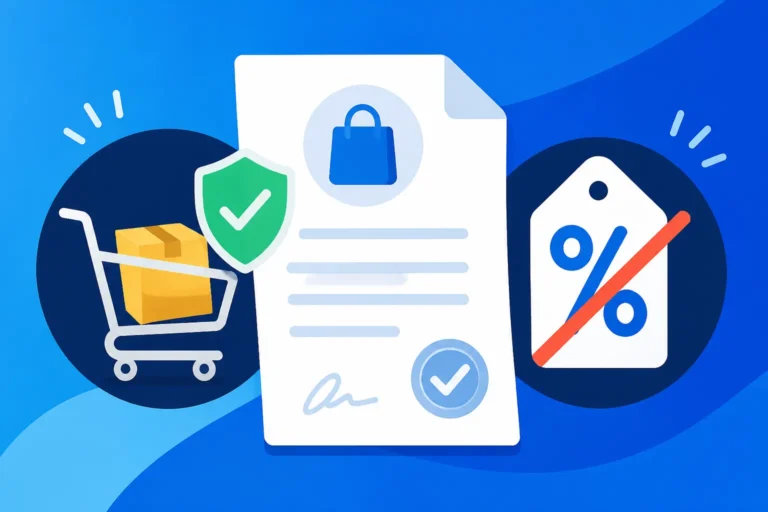
An exemption certificate is essentially a legal document, often a state-specific form, that a buyer provides to a seller to claim an exemption from sales tax on a purchase. This document typically includes important details like the buyer's name and address, their sales tax registration or identification number (if applicable), the reason for the exemption, and a signature from an authorized representative. It's a formal assertion that the item being purchased will be used in a way that is not subject to sales tax, such as being resold, used in manufacturing, or purchased by a tax-exempt organization.
For example, imagine a small business owner, Sarah, who buys bulk art supplies for her craft store. When she purchases these supplies from a wholesaler, she doesn't pay sales tax because she intends to resell them to her customers. Instead, she provides the wholesaler with a resale certificate. This certificate tells the wholesaler, "Hey, I'm not the final consumer of these goods; my customers are, and they'll pay the sales tax when they buy from me." This little piece of paper protects the wholesaler from having to pay sales tax twice on the same item and ensures the tax is only collected at the final point of sale.
Who Needs to Use Them?
Both buyers and sellers play critical roles when it comes to sales tax exemption certificates. Buyers are the ones who issue the certificate, making the claim that their purchase is exempt. This means they bear the initial responsibility of knowing if their purchase qualifies and providing the correct documentation. If a buyer doesn't provide a valid certificate, the seller is obligated to charge sales tax, plain and simple.
On the flip side, sellers are the ones who collect these certificates and keep them on file. Their responsibility is to ensure the certificate is valid, complete, and covers the transaction in question. If a seller accepts an invalid or incomplete certificate, or simply doesn't have one on file for an exempt sale, they run the risk of an audit disallowing the exemption. This can lead to a retroactive tax bill, penalties, and interest, which can be a real punch to a business's bottom line. It's a burden of proof that ultimately falls on the seller to justify why sales tax wasn't collected.
The Core Purpose: Avoiding Double Taxation
The fundamental reason sales tax exemption certificates exist is to prevent goods from being taxed multiple times as they move through the supply chain. Sales tax is generally intended to be a tax on the final consumer. Without exemptions, raw materials might be taxed when sold to a manufacturer, then the finished product taxed again when sold to a wholesaler, again when sold to a retailer, and finally a fourth time when sold to the end consumer. That's a lot of unnecessary taxation!
A classic example of preventing double taxation is the use of a Resale Certificate by State: Complete Guide. When a retailer buys inventory, they are not the final consumer. The purpose of their purchase is to sell those items to their customers. If they had to pay sales tax on their inventory purchases, and then also collect sales tax from their customers, the tax would essentially be collected twice on the same goods. Exemption certificates streamline this process, ensuring that sales tax is only applied once, at the very end of the line, when the item reaches the person who will actually use it. This makes the system fairer and prevents the cost of goods from being artificially inflated by redundant taxation.
Common Types of Sales Tax Exemption Certificates
Understanding the various types of exemption certificates is crucial, as each serves a specific purpose and comes with its own set of rules and qualifications. It's not a one-size-fits-all situation; what makes a purchase tax-exempt for one buyer might be completely irrelevant for another. Knowing the distinctions can save both buyers and sellers a lot of hassle and potential penalties.
Resale Certificates
The resale certificate is arguably the most common type of sales tax exemption certificate you'll encounter. It allows businesses to purchase goods they intend to resell without paying sales tax at the time of purchase. This is vital for retailers, wholesalers, and even some service providers who incorporate tangible personal property into a service that is then resold.
Let's say a local hardware store, "Handy Helpers," buys a pallet of gardening tools from a distributor. Handy Helpers isn't going to use these tools themselves; they're going to put them on their shelves for their customers to buy. So, Handy Helpers provides a resale certificate to the distributor, indicating that these tools are being purchased for resale. The distributor then doesn't charge sales tax. When a customer comes into Handy Helpers and buys a shovel, that's when the sales tax is collected. Each state has its own specific Resale Certificate by State: Complete Guide form, and it's essential to use the correct one for the state where the transaction occurs or where nexus is established.
Exemption for Nonprofits and Charitable Organizations
Many states offer sales tax exemptions for qualified nonprofit organizations, churches, and other charitable entities. However, this is a common area of misunderstanding. It's a huge misconception that "all nonprofits are automatically exempt." This is absolutely not true. While many are eligible for exemptions, they typically need to apply for and receive a specific exemption certificate from the state's taxing authority. Furthermore, the exemption usually only applies to purchases made directly by the organization for its tax-exempt purposes.
For instance, if "Helping Hands Charity" is buying office supplies for their administrative operations, they can likely use their nonprofit exemption certificate. But if a volunteer for Helping Hands buys a new outfit for a fundraising gala, that purchase typically wouldn't qualify, even if the volunteer is later reimbursed by the charity, because the purchase was made by an individual for personal use, not directly by the organization for its core mission. Always verify the specific rules for Nonprofit & Government Sales Tax Exemptions in your state.
Government Entity Exemptions
Purchases made by federal, state, and local government agencies are almost universally exempt from sales tax. This exemption recognizes the unique status of government entities and avoids the administrative burden of taxing government operations. Similar to nonprofits, government agencies often have their own specific forms or identification cards that serve as their exemption certificates.
A city council buying new computers for its municipal offices would present an exemption form or their government identification to the vendor. The vendor would then not charge sales tax. However, if a city employee buys lunch for themselves at a local diner, even if they're on duty, that's usually not an exempt purchase unless it's an official purchase directly billed to the government entity and for a specific government purpose. Sellers need to be careful to ensure that the purchase is truly for the government entity itself and not for an individual associated with it.
Manufacturing Exemptions
Manufacturing exemptions are designed to reduce the tax burden on businesses that produce goods, making them more competitive. These exemptions typically apply to raw materials that become a component part of a finished product, as well as machinery and equipment used directly in the manufacturing process. The specific rules for Manufacturing Sales Tax Exemption by State can vary wildly from state to state, so careful research is essential.
Consider a furniture maker, "Rustic Roots Furniture," purchasing raw lumber, fabric, and screws. These items are integral to the chairs and tables they sell. Rustic Roots would provide a manufacturing exemption certificate to their suppliers, so they don't pay sales tax on these inputs. Many states also offer exemptions for the machinery used in the factory, like saws, sanders, and assembly line equipment, because these items are directly involved in creating the product. The idea is to avoid taxing the means of production, which would ultimately drive up the cost of manufactured goods.
Agricultural Exemptions
Farmers and agricultural producers often receive sales tax exemptions on purchases of items used directly and exclusively in agricultural production. These can include seeds, fertilizers, feed for livestock, farm machinery, and sometimes even utilities used for farming operations. The rationale here is to support the agricultural sector, which is a foundational industry in many states.
"Green Acres Farm" buying tractor parts, animal feed, or new irrigation equipment would typically present an agricultural exemption certificate to their suppliers. This allows them to make these essential purchases without incurring sales tax. However, if the farmer buys a new pickup truck that will be used primarily for personal use, even if it occasionally hauls some farm supplies, it might not qualify for the exemption. Again, the "direct and exclusive use in agriculture" rule is key, and the specifics for Agricultural Sales Tax Exemption by State differ by location.
Other Specialized Exemptions
Beyond these common categories, states have a host of other specialized exemptions. These can include:
- Direct Pay Permits: These allow a qualified purchaser to pay sales tax directly to the state rather than to the vendor. This is typically for large businesses that make frequent purchases from many different vendors and have complex reporting needs. It simplifies their process by allowing them to self-assess and remit the tax.
- Casual or Occasional Sales: Many states exempt sales made by individuals who are not regularly engaged in the business of selling. Think of a one-time yard sale or selling a personal item online. This exemption prevents every random transaction from becoming a sales tax event.
- Purchases for Resale by Specific Industries: Some states have tailored exemptions for specific industries like film production companies buying props, or certain types of contractors buying materials that become part of real property.
- Energy-Related Exemptions: Some states offer exemptions for energy-efficient products, renewable energy equipment, or even certain fuels, often as part of environmental or economic incentive programs.
- Medical Equipment/Prescription Drugs: Most states exempt prescription drugs and durable medical equipment, recognizing them as essential items for health and well-being.
Each of these exemptions has specific criteria that must be met, and buyers must provide the appropriate documentation to sellers. It’s a dynamic landscape, and staying informed about these various exemptions is an ongoing process for businesses operating in multiple jurisdictions.
How Buyers Obtain and Use Exemption Certificates
As a buyer, correctly obtaining and presenting an exemption certificate is your key to not paying sales tax on qualified purchases. It's not enough to simply state you're exempt; you need the paperwork to back it up. Skipping this step can lead to your vendor charging you tax unnecessarily, or worse, put them at risk during an audit if they tried to honor your verbal claim.
Steps to Obtain Your Certificate
The process for obtaining an exemption certificate typically begins with the state's taxing authority – often called the Department of Revenue, Tax Commission, or Comptroller's Office. There isn't a single federal exemption certificate that works everywhere; each state has its own forms and application procedures.
- Determine Eligibility: First, you need to confirm that your organization or the nature of your purchase actually qualifies for an exemption in the relevant state. For example, if you're a nonprofit, you'll need to confirm your specific activities and IRS 501(c)(3) status align with the state's definition of an exempt organization. For a resale certificate, you'll need a valid sales tax permit for that state. If you don't have a How to Get a Sales Tax Permit by State, that's usually your first step.
- Locate the Correct Form: Once you know you're eligible, search the state's Department of Revenue website for the specific exemption certificate form. For instance, California uses form CDTFA-230 for resale certificates, while Texas uses form 01-339. Some states, like the Streamlined Sales Tax (SST) states, accept a single, uniform certificate, which can simplify things greatly for multi-state sellers.
- Complete the Form Accurately: Fill out all required fields on the form. This usually includes your business name, address, sales tax permit number (if applicable), the reason for the exemption (e.g., "for resale," "government entity," "nonprofit"), a description of the type of property being purchased, and your signature. Any missing information can render the certificate invalid.
- Keep a Copy: Always keep a copy of the completed certificate for your own records. This is your proof that you properly claimed the exemption.
It’s crucial to remember that these certificates are not permanent. While some may not have an explicit expiration date, states can change laws, or your organization's status might change, so it's good practice to review and update them periodically.
Providing Certificates to Vendors
Once you have a valid exemption certificate, you need to provide it to your vendor before or at the time of purchase. Waiting until after the transaction is complete can make things much more complicated.
- In-Person Purchases: If you're buying something in a physical store, hand the clerk or sales associate a physical copy of your certificate. Many retailers have processes in place to scan and store these electronically.
- Online Purchases: For online orders, vendors typically have a section during checkout or within your customer account profile where you can upload or enter your exemption certificate information. If not, you might need to email it to their sales or accounting department. Reputable e-commerce platforms like Shopify or Amazon Business often have streamlined ways to handle exemptions for their professional accounts.
- What if You Forget? If you forget to provide a certificate and are charged sales tax, don't panic! Most states allow you to request a refund from the vendor. You'll need to provide the valid certificate and proof of purchase (receipt) to the vendor, who can then process the refund and adjust their own sales tax filing. However, some states might require you to seek the refund directly from the state's tax department, which can be a more involved process. This is why getting it right upfront is always the best strategy.
Keeping Your Certificates Up-to-Date
Exemption certificates aren't always a "set it and forget it" kind of deal. While some states allow certificates to remain valid indefinitely unless revoked, others may require periodic renewals or updates. Your organization's tax-exempt status might change, or the nature of your business could evolve, impacting your eligibility.
It's a good practice to:
- Review Annually: Set a reminder to review all your active exemption certificates at least once a year. Check if any state laws have changed that might affect your eligibility or the form itself. The landscape of 2026 Sales Tax Rate Changes by State is constantly evolving, and so are exemption rules.
- Update Information: If your business name, address, or sales tax permit number changes, you'll need to update your certificates with your vendors.
- Monitor State Communications: Pay attention to notices or publications from state tax authorities regarding exemption certificate requirements. They will often announce changes well in advance.
- Maintain a Digital Repository: Keeping digital copies in an organized system makes it much easier to track expiration dates, retrieve certificates when needed, and stay on top of renewals. Software solutions like Avalara can automate much of this tracking, sending alerts for expiring certificates and helping to manage your documentation efficiently.
Proactive management of your exemption certificates ensures that you continue to receive the tax benefits you're entitled to without encountering unexpected tax bills or audit issues down the road.
The Seller's Responsibility: Validating and Managing Certificates
For sellers, handling exemption certificates isn't just a courtesy; it's a critical compliance obligation. If you make an exempt sale without proper documentation, the state tax authority can hold you responsible for collecting and remitting that sales tax, plus penalties and interest. This means having a robust process for validating, storing, and managing these certificates is non-negotiable.
Why Certificate Validity Matters
Accepting an invalid or improperly completed exemption certificate is almost as bad as not having one at all in the eyes of an auditor. If a state auditor determines that a certificate you accepted was deficient, they can disallow the exemption for that sale, deeming it a taxable transaction. This means you, as the seller, would suddenly owe the sales tax that was never collected, along with potential penalties. This can quickly add up, especially for businesses with a high volume of exempt sales.
Consider a situation where a seller, "Tech Gadgets Inc.," sells computer components to another business. The buyer provides a resale certificate. However, the certificate is missing the buyer's sales tax permit number, or perhaps it's for a state where Tech Gadgets Inc. doesn't even have Sales Tax Nexus Explained (Physical vs Economic). If Tech Gadgets Inc. accepts this faulty certificate and doesn't collect sales tax, an auditor could later come knocking, demand payment for the uncollected tax, and Tech Gadgets Inc. would have little recourse against the buyer. The burden is clearly on the seller to exercise "good faith" when accepting certificates.
Key Elements to Look for on a Certificate
To ensure a certificate is valid, sellers should check for several key pieces of information:
- Buyer's Name and Address: This should match the name and address on the sales invoice or customer account.
- Sales Tax Permit/Registration Number: For resale certificates, this is typically a state-issued number confirming the buyer is registered to collect sales tax.
- Exemption Reason: Clearly stated reason for the exemption (e.g., resale, government, nonprofit).
- Description of Property to be Purchased: The certificate should indicate the type of goods or services being purchased as exempt. Some certificates are "blanket" (covering all future purchases of a certain type), while others are for single transactions.
- Signature and Date: An authorized representative of the buyer must sign and date the certificate.
- Issuing State: The certificate must be for the correct state where the transaction takes place or where nexus is established. For instance, a California resale certificate won't work for a sale in Texas.
- Expiration Date (if any): If the certificate has an expiration date, ensure it's still current.
A quick visual check for these elements can prevent major headaches. If any information is missing or questionable, the seller should pause the transaction, contact the buyer, and get the necessary corrections or additional information before processing the sale as exempt.
Storing and Retaining Certificates
Once a valid certificate is collected, the next crucial step is proper storage and retention. These documents are vital audit defense tools, and tax authorities can request them years after a transaction. Most states require sellers to keep certificates for a specific period, often 3-5 years, matching their statute of limitations for sales tax audits.
- Physical vs. Digital Storage: While physical paper copies are acceptable, many businesses are moving to digital storage. Digitizing certificates offers benefits like easier retrieval, reduced physical space requirements, and better protection against loss or damage. Cloud-based storage solutions are particularly effective for multi-location businesses or those with high volumes of exempt sales.
- Organization is Key: Regardless of the format, certificates must be easily accessible and retrievable. This means having a clear naming convention for digital files or an organized filing system for physical documents, perhaps by customer name or ID.
- Secure Storage: Ensure the storage method is secure to protect sensitive customer information.
- Regular Audits of Your Own Records: Periodically review your stored certificates to ensure they are complete, valid, and easily locatable. This internal audit can help you catch issues before an external state auditor does.
Neglecting proper storage and retention can turn an otherwise legitimate exemption into a costly liability. Imagine being asked for a certificate from three years ago and having no idea where it is – that's a nightmare scenario for any business during an audit.
The Pitfalls of Invalid Certificates
The consequences of accepting or failing to obtain valid exemption certificates can be severe. This isn't just about lost revenue from uncollected tax; it can also lead to significant financial penalties and reputational damage.
- Back Taxes, Penalties, and Interest: If an auditor disallows an exemption, the seller is on the hook for the sales tax that should have been collected. On top of that, states typically impose penalties for uncollected taxes, which can range from a percentage of the underpayment to flat fees per violation. Interest will also accrue from the original due date of the tax. These amounts can quickly accumulate, turning a small error into a substantial liability.
- Audit Expansion: An auditor who finds multiple instances of invalid or missing certificates might decide to expand the scope of their audit, delving deeper into your sales records and potentially uncovering other issues. This can be a time-consuming and disruptive process for your business.
- Reputational Harm: Repeated compliance issues can damage a business's reputation with taxing authorities, potentially leading to more frequent or stringent audits in the future.
- Chargebacks and Customer Disputes: If a buyer is wrongly charged sales tax, they might initiate a chargeback or dispute, leading to administrative overhead and potential damage to customer relationships. Conversely, if a seller is later forced to pay uncollected tax, they might attempt to retroactively collect from the buyer, which is rarely a smooth process.
This is why many businesses, especially those with high volumes of exempt sales or a multi-state footprint, turn to automated solutions. Companies like Avalara offer robust systems that help validate certificates at the point of sale, manage their lifecycle, and securely store them for audit defense. Investing in such systems can mitigate these significant risks and provide peace of mind.
State-Specific Nuances and Interstate Commerce
One of the biggest challenges in sales tax compliance is the lack of uniformity across states. This is especially true for exemption certificates. What's perfectly acceptable in one state might be completely invalid in another, creating a complex web for businesses operating across state lines.
State-Specific Forms and Rules
There is no single, universally accepted sales tax exemption certificate for all 45 states (plus D.C.) that collect sales tax. Each state develops its own forms, often with unique formatting, required fields, and specific language. For example, a "Resale Certificate" from New York (Form ST-120) will look different and have different instructions than a "Texas Sales and Use Tax Resale Certificate" (Form 01-339).
Furthermore, the rules surrounding exemptions vary. Some states might exempt certain types of purchases for a nonprofit that another state does not. The definition of what constitutes "manufacturing" or "agricultural use" can also differ. For example, some states may include packaging materials in a manufacturing exemption, while others might not.
This state-specific fragmentation means that if you're selling to customers in multiple states, you need to be familiar with the exemption certificate requirements of each state where you have nexus and are making exempt sales. This involves:
- Understanding Each State's Forms: Knowing which form to request from a buyer in Alabama versus Arizona.
- Knowing Exemption Scope: Understanding what specific items or uses are exempt in each state for each type of certificate.
- Familiarity with Validity Periods: Some states issue certificates with expiration dates, while others are "valid until revoked."
- Staying Updated on Changes: States frequently update their forms and rules, so ongoing monitoring is essential. The Sales Tax Rate Changes by State 2026 might impact exemptions too.
This patchwork of regulations is a significant administrative burden for many businesses.
The Multistate Tax Commission (MTC) Uniform Sales & Use Tax Certificate
To try and alleviate some of this complexity, the Multistate Tax Commission (MTC) developed the Uniform Sales & Use Tax Certificate. This single form is designed to be acceptable in multiple states, primarily for claiming a resale exemption. It's a real lifesaver for businesses that deal with interstate transactions.
However, there's a catch: not all states accept the MTC Uniform Certificate, and some that do may have specific caveats or require additional information. States that are members of the Streamlined Sales and Use Tax Agreement (SST) generally accept a streamlined version of a uniform certificate, which further simplifies things.
If you receive an MTC certificate from a buyer, it's crucial to:
- Verify State Acceptance: Check if the state where the transaction occurs (or where you're liable to collect) accepts the MTC form. A quick search on the state's Department of Revenue website or the MTC website can confirm this.
- Ensure Completeness: Even if accepted, the form must be fully and accurately completed by the buyer, just like any state-specific form.
- Understand Limitations: The MTC certificate is primarily for resale. It might not be suitable for other types of exemptions (e.g., manufacturing, government), which usually require state-specific forms.
While the MTC Uniform Certificate is a helpful tool, it's not a universal solution, and sellers still need to exercise due diligence to ensure its proper application.
Handling Out-of-State Purchasers
When you're selling to an out-of-state customer who claims an exemption, the situation can get even trickier. Your obligation to collect sales tax, and therefore your need for an exemption certificate, depends on whether you have Economic Nexus by State 2026: Thresholds Guide in their state.
- No Nexus in Buyer's State: If you, as the seller, do not have sales tax nexus in the buyer's state, you generally aren't required to collect sales tax from them in the first place, regardless of whether they are tax-exempt. The buyer would then likely owe Use Tax Explained: What It Is & When You Owe It in their own state. In this scenario, collecting an exemption certificate isn't strictly necessary for your sales tax compliance, but some businesses choose to collect them anyway for record-keeping or if they anticipate establishing nexus there in the future.
- Nexus in Buyer's State: If you do have nexus in the buyer's state (e.g., you have an office, warehouse, or meet the economic nexus threshold), then you are required to collect sales tax from them, just as you would from an in-state customer. In this case, if the buyer claims an exemption, they must provide you with a valid exemption certificate issued by their state's taxing authority. You would then follow all the same validation and storage procedures as you would for an in-state exempt sale.
For example, if a company in Florida sells to a tax-exempt organization in Georgia, and the Florida company has established economic nexus in Georgia, they must collect a valid Georgia sales tax exemption certificate from the buyer to justify not collecting Georgia sales tax. If they don't have nexus in Georgia, they generally wouldn't collect Georgia sales tax, and the buyer would self-assess any applicable use tax. This difference between Physical Nexus vs Economic Nexus makes certificate management across states a significant challenge.
Automating Exemption Certificate Management
The manual management of sales tax exemption certificates is a monumental task, especially for businesses with a high volume of exempt sales or those operating in multiple states. The complexities of state-specific rules, validation requirements, and retention policies can quickly overwhelm even the most diligent teams. This is where automation steps in as a game-changer, transforming a compliance headache into a streamlined process.
The Challenges of Manual Management
Trying to handle exemption certificates manually is fraught with potential problems and consumes valuable resources. Here’s a closer look at the common pitfalls:
- Time-Consuming Data Entry: Each certificate requires careful review, data entry into internal systems, and often a physical or digital filing process. This repetitive task takes employees away from more strategic activities.
- Increased Error Rate: Human error is inevitable. Misinterpretations of state rules, overlooking missing information on a certificate, or incorrectly categorizing an exemption can all lead to significant compliance gaps. One wrong digit on a permit number, or an expired date missed, can render the entire certificate invalid.
- Audit Risk and Exposure: As discussed earlier, invalid or missing certificates are red flags for auditors. Manual systems make it harder to quickly retrieve specific certificates during an audit, or to prove "good faith" efforts were made, increasing the risk of penalties and uncollected tax liabilities. Imagine an auditor asking for proof of exemption for a specific transaction from two years ago, and your team has to sift through boxes of paper or poorly organized digital folders.
- Storage and Retrieval Headaches: Physical certificates require filing cabinets, secure storage, and a system for archiving. Digital files, while better, still need a robust, searchable database to be truly effective. Without one, finding the right certificate at the right time can be a nightmare.
- Keeping Up with Changes: State tax laws, forms, and renewal requirements are constantly changing. Manually tracking these updates for every state you operate in is nearly impossible, leading to outdated or non-compliant certificates.
These challenges highlight why relying solely on manual processes for exemption certificate management is simply not sustainable for growing businesses.
Benefits of Sales Tax Software
This is precisely where sales tax automation software shines. These solutions are designed to simplify, streamline, and secure the entire lifecycle of exemption certificates, from collection to validation and storage.
- Automated Collection and Validation: Modern software can integrate directly into your sales process (e.g., e-commerce checkout, POS systems, ERPs). When a buyer claims an exemption, the system can prompt them to provide the necessary information, guide them through filling out a digital form, and even validate the information in real-time against state databases or internal business rules. This drastically reduces the chances of accepting an incomplete or invalid certificate.
- Centralized Digital Repository: All certificates are stored securely in a centralized, cloud-based database. This means easy access for authorized personnel, robust search capabilities, and eliminated physical storage needs. During an audit, you can quickly pull up all relevant certificates with just a few clicks.
- Lifecycle Management and Alerts: The software can track expiration dates for certificates and automatically send reminders to both the buyer (to renew) and the seller (to request an updated certificate). This proactive approach helps maintain a compliant certificate base without constant manual oversight.
- Audit Trail and Reporting: Automated systems create a comprehensive audit trail, documenting every step of the certificate management process. They can also generate reports showing all exempt sales, associated certificates, and any expiring documents, providing invaluable data for compliance reviews.
- Reduced Risk and Penalties: By ensuring the collection of valid certificates and providing easy access for audit defense, automation significantly reduces your exposure to back taxes, penalties, and interest.
- Improved Efficiency: Freeing up your team from manual data entry and administrative tasks allows them to focus on revenue-generating activities and other critical business functions.
For businesses looking to scale and expand their reach, investing in automation for sales tax compliance, including certificate management, is no longer a luxury but a necessity.
Choosing the Right Solution
Selecting the right sales tax compliance software is a critical business decision. There are several excellent providers on the market, each with its strengths. When evaluating options, consider these key factors:
- Integration Capabilities: How well does the software integrate with your existing ERP, accounting system (like QuickBooks or SAP), e-commerce platform (Shopify, Magento), or CRM? Seamless integration is crucial for automation.
- Feature Set: Look for features like automated certificate collection, real-time validation, multi-state form support, secure digital storage, expiration alerts, and robust reporting.
- Scalability: Can the solution grow with your business? If you plan to expand into more states or increase your transaction volume, the software should be able to handle it without significant overhauls.
- Customer Support: What kind of support does the provider offer? Fast, knowledgeable support can be invaluable when you encounter complex scenarios or technical issues.
- Pricing Structure: Understand the pricing model – is it based on transaction volume, number of users, features, or a combination?
- Reputation and Reviews: Check industry reviews and testimonials. Look for providers with a strong track record in sales tax compliance.
One of the leading names in the sales tax automation space is Avalara. They offer a comprehensive suite of solutions, including Avalara CertCapture, specifically designed for managing exemption certificates. CertCapture helps businesses collect, validate, store, and manage exemption certificates digitally, reducing audit risk and improving operational efficiency. Other reputable options include TaxJar and Sovos, both offering strong features for sales tax compliance. When considering a solution, it's wise to compare providers like Avalara vs TaxJar: Which Sales Tax Software? to see which one best fits your unique business needs and budget. The right software can transform your sales tax compliance from a burden into a well-oiled, efficient process. It's truly one of the Best Sales Tax Compliance Software 2027 solutions available.
Common Misconceptions and Troubleshooting
Despite the existence of clear guidelines, sales tax exemption certificates are still a hotbed of common misunderstandings. These misconceptions can lead to errors, audits, and unnecessary financial stress for both buyers and sellers. Addressing these head-on can help foster better compliance.
"All Nonprofits Are Automatically Exempt"
This is perhaps one of the most widespread myths regarding sales tax exemptions. Many people, including some nonprofit employees, mistakenly believe that simply having 501(c)(3) status from the IRS automatically exempts their organization from all sales taxes. This is a dangerous assumption that can lead to significant problems.
The reality is that sales tax is governed at the state level, and each state has its own specific rules regarding nonprofit exemptions. While many states do offer exemptions to qualifying nonprofits, these exemptions are almost never automatic.
- Application Required: Nonprofits usually need to apply to their state's Department of Revenue (or equivalent) for a specific sales tax exemption certificate. This is a separate process from obtaining federal 501(c)(3) status.
- Scope of Exemption: Even with a state exemption certificate, the exemption often has limitations. It typically applies only to purchases made directly by the organization for its tax-exempt purposes. For instance, a nonprofit might be exempt from sales tax when buying supplies for its soup kitchen, but not when buying new furniture for an employee's personal office. Employee purchases, even if later reimbursed, are usually not exempt.
- Specific Items: Some states exempt all purchases by qualified nonprofits, while others only exempt specific categories of items or cap the amount of an exempt purchase. For example, some states might exempt office supplies but not a vehicle.
Sellers should always demand a valid, state-issued exemption certificate from a nonprofit buyer, rather than relying solely on their IRS 501(c)(3) letter. If a nonprofit claims exemption without proper documentation, the seller should collect sales tax, and the nonprofit would then need to seek a refund from the state if they can prove their eligibility. Referencing Nonprofit & Government Sales Tax Exemptions specifically can help clarify state-by-state rules.
"Once Exempt, Always Exempt"
Another common misconception is that once an exemption certificate is on file, it's valid forever, regardless of changes to state law, the buyer's status, or an explicit expiration date. This "set it and forget it" mentality can lead to expired or invalid certificates remaining on file, which can be an audit nightmare.
Here's why this isn't true:
- Expiration Dates: Many states issue exemption certificates with specific expiration dates (e.g., valid for 3 years). Sellers must actively monitor these dates and request updated certificates from buyers before they expire.
- Changes in Buyer Status: A buyer's business might change. A manufacturing company might stop manufacturing and pivot to retail, meaning their manufacturing exemption no longer applies. A nonprofit might lose its tax-exempt status. While it's primarily the buyer's responsibility to inform sellers, sellers accepting blanket certificates should have a process to periodically verify the ongoing validity of the exemption, especially for high-volume customers.
- Changes in State Law: Tax laws are dynamic. States can revise their exemption rules, make certain items no longer exempt, or even change the forms required. Staying abreast of these legislative changes is crucial for both buyers and sellers. For instance, sometimes a state might sunset a specific agricultural exemption, and if your certificate is tied to that specific exemption, it might no longer be valid.
Both buyers and sellers should treat exemption certificate management as an ongoing process, not a one-time event. Regular reviews and proactive communication are key to maintaining compliance.
What to Do When a Certificate Is Rejected or Missing
It's inevitable that at some point, a buyer will present an invalid certificate, or forget to provide one altogether. Knowing how to handle these situations gracefully and compliantly is essential.
-
Invalid Certificate Presented:
- Politely Explain the Issue: Inform the buyer exactly why the certificate is invalid (e.g., missing signature, incorrect form, expired date).
- Request Correction: Ask the buyer to provide a corrected or new certificate.
- Collect Tax (Temporarily): Unless and until a valid certificate is provided, you must charge sales tax. Do not process the sale as exempt based on a promise of a future certificate.
- Refund Process: Once a valid certificate is received, you can then refund the sales tax collected. Make sure your refund process is clear and communicated to the customer.
-
Missing Certificate:
- Remind the Buyer: If a buyer typically provides a certificate and forgets, gently remind them of the requirement.
- Collect Tax: Again, if no valid certificate is provided at the time of sale, collect sales tax.
- Post-Sale Submission: Some states allow buyers to provide certificates after a sale for a short period (e.g., 30-90 days), allowing the seller to issue a refund and amend their How to File a Sales Tax Return: Step by Step. However, this is not universally true, and it puts the burden on the seller to chase the documentation. It’s always best to get the certificate upfront.
- Buyer Direct to State: If the window for the seller to refund has passed, or if the seller prefers not to handle the refund, the buyer may need to apply directly to the state for a refund of the sales tax paid. This is often a more cumbersome process for the buyer, which is why upfront compliance is so important.
Establishing clear internal procedures for handling rejected or missing certificates, and training your sales and customer service teams on these procedures, can minimize friction and maintain compliance.
Disclaimer
The information provided in this guide is for general informational purposes only and does not constitute tax, legal, or accounting advice. Sales tax laws are complex and vary by jurisdiction, and they are subject to change. We strongly recommend consulting with a qualified tax professional or legal advisor for advice tailored to your specific situation. Reliance on any information on this site is solely at your own risk.