What States Have Sales Tax Holidays?
Navigating the world of sales tax can feel like a labyrinth, especially when different states, cities, and even counties have their own rules. One area that often causes both excitement and confusion is the sales tax holiday – those magical periods when certain purchases are exempt from sales tax. If you've ever wondered which states actually offer these special shopping windows, what you can buy, or why they even exist, you're in the right place. This comprehensive guide will shed light on the states that embrace sales tax holidays, what types of exemptions you can expect, and how to make the most of them.
Understanding the Concept of Sales Tax Holidays
Before we dive into which states participate, it's really helpful to understand what a sales tax holiday is and the thinking behind it. It's more than just a random discount; there's a specific purpose to these events.
What Exactly Is a Sales Tax Holiday?
A sales tax holiday is a temporary period during which specific items are exempt from state (and sometimes local) sales tax. Think of it as a brief window where the government steps back and says, "For these items, this weekend (or week), we're not going to collect our share." This means that when you purchase a qualifying item, you pay only the sticker price, without that extra percentage tacked on at the register. It's important to remember these are temporary exemptions, not permanent changes to the sales tax structure. For example, while some states might have a blanket sales tax rate, like the standard 7.25% in California, a sales tax holiday allows specific purchases to momentarily bypass this.
The items eligible for these exemptions are usually predetermined by state legislatures and often fall into categories considered beneficial for families or for public safety, such as school supplies, clothing, emergency preparedness items, or energy-efficient appliances. The dates are also fixed, typically occurring around key shopping seasons like back-to-school or hurricane season. This isn't about businesses deciding to offer a discount; it's a state-mandated tax break that applies to all retailers selling those specific goods within the state during the designated period.
Why Do States Offer Sales Tax Holidays?
You might wonder why states, which rely on sales tax revenue for public services, would intentionally forgo it, even temporarily. The reasons are multi-faceted, aiming to benefit both consumers and the broader economy.
Firstly, sales tax holidays are a consumer relief measure. They offer families a chance to save money on necessary purchases, especially around expensive times of the year. For instance, the back-to-school period can be a significant financial strain for parents, so allowing them to buy clothes and supplies tax-free can provide a much-needed break. This directly impacts household budgets, letting people stretch their dollars further.
Secondly, these holidays are designed to stimulate economic activity. By offering tax savings, states hope to encourage people to spend more, not just on the tax-exempt items but on other goods as well. The idea is that the increased sales volume for businesses, both brick-and-mortar and online, will offset the temporary loss in tax revenue. Local businesses, in particular, often see a boost in foot traffic and sales during these periods, helping them compete with larger online retailers or out-of-state businesses. It's a localized economic shot in the arm.
Finally, sales tax holidays can serve a public awareness purpose. For instance, disaster preparedness holidays encourage residents to stock up on essential supplies before a hurricane or other natural disaster hits, promoting safety and self-reliance within the community. These holidays are a direct way for states to encourage certain purchasing behaviors that align with public policy goals.
The Landscape of Sales Tax Holidays by State
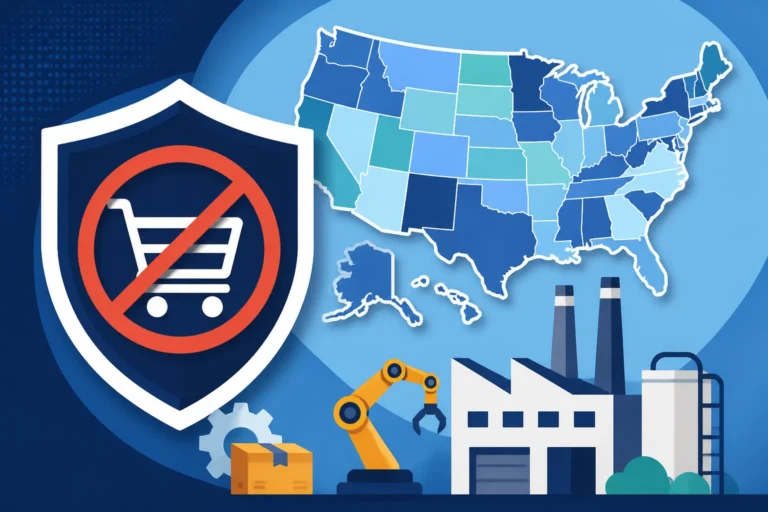
The participation in sales tax holidays isn't universal across the United States. While many states embrace them, a significant number do not, and some states don't even have a statewide sales tax to begin with!
States Participating in Sales Tax Holidays
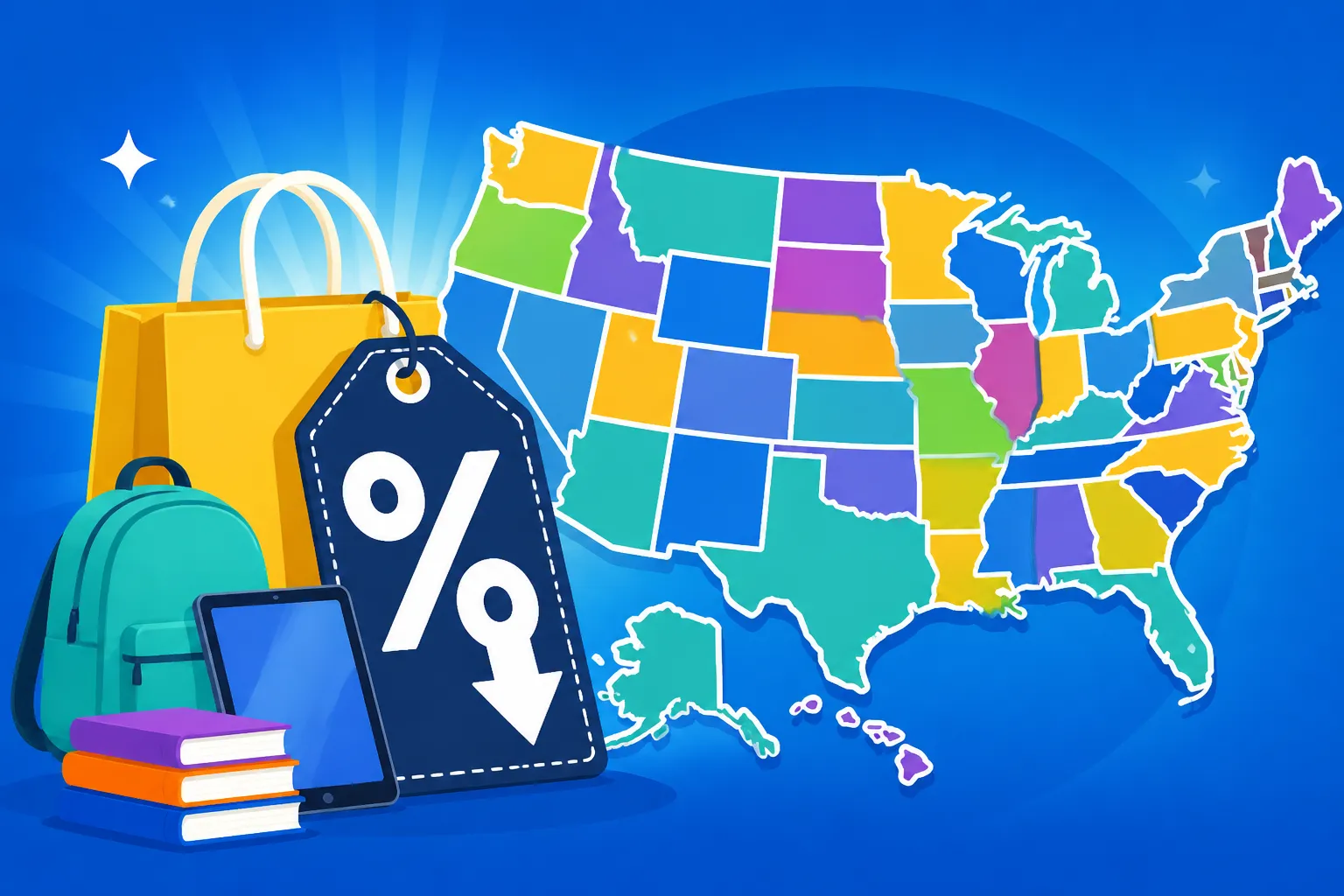
Many states across the U.S. regularly participate in sales tax holidays, making them a recurring event on the calendar for savvy shoppers. These typically occur once or twice a year, though the specific dates and items covered can vary widely.
Regular Participants (often annually):
- Alabama: Known for both a Back-to-School holiday in the summer and a Severe Weather Preparedness holiday in the winter.
- Arkansas: Usually offers a Back-to-School holiday covering clothing, footwear, and school supplies.
- Florida: Stands out for often having multiple holidays throughout the year, including back-to-school, disaster preparedness, and even specific holidays for things like fishing gear or energy-efficient appliances. You can often find a detailed guide for the Florida Back-to-School Tax Holiday (All August) and others.
- Iowa: Typically hosts a Back-to-School tax holiday focused on clothing and footwear.
- Maryland: Often has a Back-to-School holiday and sometimes an Energy Star appliance holiday.
- Massachusetts: Known for its annual, albeit infrequent, statewide sales tax holiday on all tangible personal property, usually with a high price threshold per item, rather than category-specific.
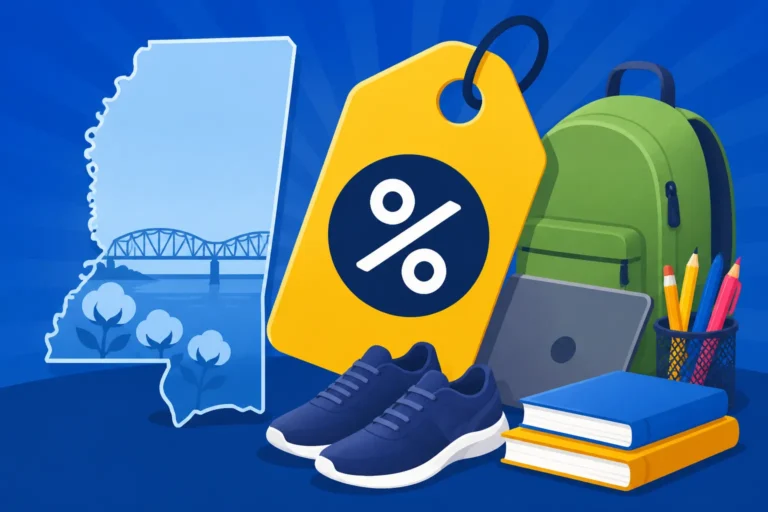
- Mississippi: Offers back-to-school clothing and footwear, plus a second amendment holiday for firearms and hunting supplies.
- Missouri: A consistent participant in the Back-to-School holiday.
- New Mexico: Offers a tax-free weekend for clothing, computers, and school supplies.
- Ohio: Has experimented with sales tax holidays, usually a back-to-school event.
- Oklahoma: Another state that holds a Back-to-School sales tax holiday.
- South Carolina: A long-time participant in the Back-to-School holiday, covering a broad range of items.
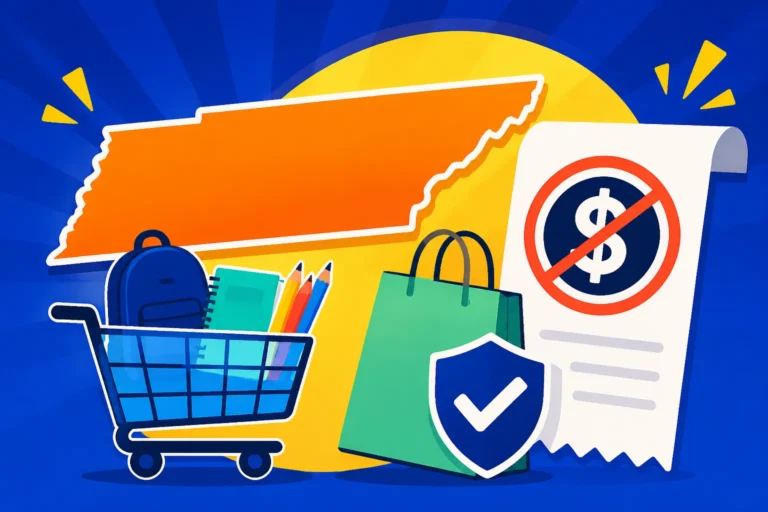
- Tennessee: Regularly offers a Back-to-School holiday for clothing, school supplies, and computers, and sometimes an extra food tax holiday.
- Texas: One of the most prominent participants, with its annual Back-to-School tax-free weekend covering clothing, footwear, and school supplies. You can check out specific details like the Texas Tax-Free Weekend 2026 (Aug 7-9) for more info.
- Virginia: While Virginia had a significant combined sales tax holiday covering school supplies, clothing, and energy-efficient items, it is important to note that this comprehensive holiday is scheduled to expire in July 2026. After this point, Virginia will no longer host a statewide sales tax holiday unless new legislation is passed.
- West Virginia: Offers an annual sales tax holiday for school-related items, clothing, and some specific sporting goods.
Keep in mind that dates and specific items can change year to year based on legislative decisions. It's always a good idea to check the official state department of revenue website for the most up-to-date information as the holiday approaches.
States Without Sales Tax Holidays (And Why)
While many states jump on the sales tax holiday bandwagon, a substantial number of states do not offer them at all. This can be due to a few key reasons.
Firstly, some states simply don't have a statewide sales tax to begin with. These are often referred to as the "NOMAD" states (New Hampshire, Oregon, Montana, Alaska, Delaware) – although Alaska does permit local sales taxes in many jurisdictions. If there's no state sales tax, there's no sales tax to remove for a holiday! Residents in these states generally enjoy tax-free shopping year-round on most tangible goods, making a specific holiday unnecessary. While Alaska Local Sales Tax (No State Tax) does exist in some areas, a statewide holiday isn't really a thing there.
Secondly, many states that do have a statewide sales tax simply choose not to implement holidays. Their legislatures may believe that the benefits of stimulating consumer spending do not outweigh the administrative burden on businesses or the potential loss of state revenue. For these states, consistent revenue collection is prioritized, and they might prefer other methods of economic stimulus or consumer relief. States like California, New York, Illinois, Pennsylvania, and New Jersey, for example, typically do not offer statewide sales tax holidays. While New York has specific exemptions for certain clothing items under a price threshold, it's not a designated "holiday" in the same vein as other states.
Thirdly, the debate around the actual effectiveness of sales tax holidays plays a role. Critics often argue that these holidays mostly shift the timing of purchases rather than generating new spending, or that they disproportionately benefit higher-income individuals who can afford larger purchases. States might also view them as inefficient or too complex for retailers to implement properly, especially smaller businesses. For example, some states have found the compliance burden, even with tools like Avalara, to be too high for a temporary benefit.
Common Types of Sales Tax Holidays Across the US
While the specific items and dates vary by state, sales tax holidays generally fall into several common categories, each targeting different consumer needs or public policy goals.
Back-to-School Tax Holidays
This is by far the most popular and widespread type of sales tax holiday. Timed to coincide with the end of summer and the start of the academic year, these holidays aim to help families offset the significant costs associated with getting children ready for school.
Most back-to-school holidays exempt general school supplies, such as pens, pencils, notebooks, binders, crayons, and rulers. The definition of "school supplies" can be quite broad, sometimes including items like backpacks, lunchboxes, and even art supplies. A key aspect is often a price limit per item. For instance, a state might exempt individual school supply items costing $20 or less.
Beyond basic supplies, these holidays almost universally include certain clothing and footwear. Again, there are typically price caps per item. A common limit for clothing is $100 per item, meaning a $99 pair of jeans would be tax-free, but a $150 jacket would still be subject to sales tax. It's really important to check the specific state's rules, as what's considered "clothing" can sometimes get tricky (e.g., is a costume considered clothing?). For instance, the Tax-Free Weekend Clothing Price Limits ($100) guide can offer more specific details.
Many states also extend these holidays to include computers and related accessories, often with a much higher price cap. For example, a laptop up to $1,000 might be tax-exempt. This helps students and families acquire essential technology for learning. Understanding What Qualifies for Tax-Free Weekend? is crucial for maximizing your savings.
Energy Star and WaterSense Product Holidays
As states look for ways to promote environmental sustainability and energy efficiency, some have implemented sales tax holidays specifically for certain Energy Star and WaterSense certified products.
These holidays typically target high-cost appliances that, while an initial investment, can lead to long-term savings on utility bills. Common items include:
- Energy Star certified appliances: Refrigerators, washing machines, dishwashers, air conditioners (window units), water heaters, and even some light bulbs. These appliances must meet strict energy efficiency guidelines set by the U.S. Environmental Protection Agency and Department of Energy.
- WaterSense certified products: Toilets, showerheads, and faucets that are certified to be water-efficient.
Similar to back-to-school holidays, these often come with price limits per item. For example, an Energy Star refrigerator might be tax-free up to $2,500, but a more expensive model would not qualify. The idea here is to encourage consumers to upgrade to more efficient models, reducing their carbon footprint and saving money on utility costs over time, aligning with broader state environmental goals.
Disaster Preparedness and Emergency Supply Holidays
In regions prone to natural disasters like hurricanes, tornadoes, or severe winter storms, several states offer sales tax holidays for disaster preparedness and emergency supplies. These holidays are critical for encouraging residents to stock up on essentials before a crisis hits, rather than scrambling when a weather event is imminent.
Typical tax-exempt items include:
- Batteries: Of various sizes, essential for flashlights and radios.
- Portable generators: Often with a higher price cap, these are crucial for power outages.
- First aid kits: Basic medical supplies for emergencies.
- Tarps, duct tape, and plastic sheeting: For securing homes or making temporary repairs.
- Non-electric can openers: Because you can't always rely on power.
- Coolers and ice chests: To keep food fresh during outages.
- Weather radio: Battery-powered or hand-cranked radios for updates.
- Carbon monoxide detectors: For safety, especially when generators are in use.
States like Florida and Alabama regularly offer these holidays, often in late spring or early summer, just before peak hurricane season. The goal is to ensure communities are resilient and prepared, reducing the burden on emergency services when disasters strike.
Other Niche Tax Holidays
Beyond the major categories, some states get creative with their sales tax holidays, offering exemptions for more niche items or for specific industries they wish to support.
Examples include:
- Second Amendment Holidays: States like Louisiana and Mississippi have offered tax holidays on firearms, ammunition, and hunting supplies. These are often championed by advocates for gun rights and outdoor activities.
- Hunting and Fishing Supplies: Some states use holidays to promote outdoor recreation by making fishing rods, reels, tackle, and hunting gear tax-exempt for a short period.
- Severe Weather Holidays: Distinct from broader disaster preparedness, these might focus on specific items related to extreme cold or heat, like blankets, warm clothing, or even sandbags. Alabama, for example, has a dedicated Severe Weather Preparedness holiday.
- Tools and Home Improvement: Occasionally, states might introduce holidays for tools or certain home improvement items, though these are less common than the other types.
These niche holidays demonstrate the flexibility states have in tailoring tax exemptions to address unique regional needs, support specific consumer interests, or promote particular economic sectors.
Key Considerations for Shoppers and Businesses
Sales tax holidays aren't just about showing up and buying. There are rules, nuances, and responsibilities for both consumers and the businesses selling the goods.
Price Limits and Qualifying Items
This is arguably the most critical detail for shoppers. Almost every sales tax holiday comes with specific price limitations per item and a clear list of what does and does not qualify.
For back-to-school clothing, for instance, a state might set a limit of $100 per item. This means if you buy a shirt for $50 and another for $75, both are tax-free. But if you buy a coat for $120, it would be fully taxable. It's not about the total purchase amount, but the individual item price. Footwear often follows the same rules. School supplies typically have much lower limits, often $10 or $20 per item. These limits are set to ensure the holiday primarily benefits everyday consumers rather than those making luxury purchases.
When it comes to qualifying items, definitions can be surprisingly specific. For clothing, accessories like jewelry, watches, handbags, or athletic gear not suitable for general wear (e.g., cleats, protective pads) are usually not exempt. For school supplies, items like art easels, graphing calculators over a certain price, or textbooks (which are often tax-exempt anyway) might be excluded. For disaster preparedness, things like chainsaws (which can be expensive and dangerous) might be excluded, while simpler tools like hammers or axes are included.
Always, always check your state's official department of revenue website for the specific list of qualifying items and their price caps before you head out to shop. What's tax-free in Florida Sales Tax Rate (6% + County Surtax) might not be in Tennessee Sales Tax Rate (7% + Local), even for similar holidays.
Online Purchases and Layaway
In our increasingly digital world, a common question is whether sales tax holidays apply to online purchases. The good news is, for most states that offer sales tax holidays, the exemptions do apply to online sales, as long as the item is purchased and delivered within the specified holiday window. However, the precise interpretation can vary.
Some states require that the order be placed during the holiday period, regardless of when it ships. Others might require that the item be received by the customer during the holiday, which can be tricky with shipping delays. Most states simplify this by requiring that the order be placed, and payment processed, during the holiday dates. It’s always best to verify the specific state guidelines for Does Online Shopping Count for Tax-Free Weekend? to avoid surprises. Retailers, including major online stores, usually update their systems to automatically apply the tax exemption at checkout for qualifying items shipped to participating states during the holiday.
Layaway plans can be a bit more complicated. Generally, an item placed on layaway is eligible for the sales tax exemption if the final payment and delivery of the item occur during the sales tax holiday. If you put an item on layaway before the holiday and pick it up during the holiday, you might get the exemption. Conversely, if you put an item on layaway during the holiday but pick it up afterward, it might not qualify. Again, state-specific rules are key here.
What Businesses Need to Do
For retailers, sales tax holidays are a double-edged sword: they bring increased traffic and sales but also add layers of compliance complexity. Businesses must be prepared to implement these temporary tax changes accurately.
The primary responsibility for retailers is to program their point-of-sale (POS) systems to correctly identify and apply the tax exemption to qualifying items during the holiday period. This means:
- Categorizing Products: Ensuring that every product in their inventory is correctly categorized as taxable, non-taxable, or conditionally tax-exempt during the holiday.
- Price Limit Implementation: Setting up the POS to recognize the specific price limits for each category of exempt items (e.g., $100 for clothing, $20 for school supplies) and apply the exemption only when those limits are met.
- Date and Time Sensitivity: Activating the exemptions precisely at the start time of the holiday and deactivating them precisely at the end time. Even being off by a few minutes can lead to errors or consumer complaints.
This can be a significant operational challenge, especially for businesses with large inventories, multiple locations, or complex POS systems. Many businesses rely on sales tax automation software, like those offered by Avalara or similar providers, to manage these fluctuating rates and exemptions. These solutions can automatically update tax rules based on location and date, significantly reducing the manual burden and potential for error. Without such tools, businesses might spend considerable time manually adjusting systems, training staff, and double-checking transactions.
Another crucial task for businesses is clearly communicating the holiday rules to their customers. This includes prominent signage, website banners, and informed staff who can answer questions about what's exempt and what's not. Clear communication helps manage customer expectations and ensures a smooth shopping experience.
The Pros and Cons of Sales Tax Holidays
Like most government initiatives, sales tax holidays come with a mix of intended benefits and unintended drawbacks, creating an ongoing debate among policymakers, economists, and even consumers.
Benefits for Consumers and Local Economies
From a consumer's perspective, the benefits are straightforward: saving money. During a back-to-school holiday, a family might save $10-$20 on a large basket of school supplies and clothing, which can make a noticeable difference for budget-conscious households. For higher-value items like Energy Star appliances or generators, the savings can be substantial, potentially hundreds of dollars. This direct financial relief is often cited as the primary benefit, making essential purchases more accessible.
For local economies, sales tax holidays are designed to be a powerful stimulus. They create a surge in consumer spending, often leading to increased foot traffic in retail stores and a boost for online businesses. This can mean higher sales volumes for small businesses that might struggle to compete with larger chains at other times of the year. The idea is that the increased sales velocity and potential for shoppers to buy additional taxable items while in the store (or on the website) will generate enough economic activity to outweigh the foregone tax revenue. It can also help keep consumer spending within the state, preventing residents from crossing state lines or ordering from out-of-state retailers to find better deals.
Moreover, these holidays can generate excitement and a festive atmosphere around shopping, which can be a psychological boost for both consumers and retailers. It's a marketing event that the state effectively sponsors, drawing attention to retailers and their offerings.
Challenges for Retailers and State Revenue
While consumers certainly appreciate the savings, sales tax holidays can pose several challenges for retailers. The most significant is the administrative burden and compliance cost. Retailers must reprogram their POS systems, train staff on complex exemption rules, and ensure accuracy for every transaction. This isn't a trivial task, especially for smaller businesses without sophisticated inventory or sales tax automation software. Errors can lead to audits, penalties, or frustrated customers. For businesses operating in multiple states, keeping track of different holiday dates, qualifying items, and price limits across various jurisdictions can be a logistical nightmare.
From a state revenue perspective, the main concern is the loss of tax revenue. While proponents argue that increased sales might offset this, many economists contend that holidays primarily shift the timing of purchases rather than generating truly new spending. People often just wait until the tax holiday to buy items they would have purchased anyway. This "pull-forward" effect means the state collects less tax during the holiday without necessarily seeing a net increase in overall annual revenue. This lost revenue could otherwise fund public services like schools, roads, or healthcare.
Furthermore, there's the debate about fairness and equity. Some critics argue that sales tax holidays disproportionately benefit those who are already financially stable enough to make larger, planned purchases. Lower-income individuals who might need items immediately or cannot afford to buy in bulk might not benefit as much. There's also the argument that they create an uneven playing field for businesses selling non-exempt items or those who aren't located near a participating state.
Ultimately, whether a sales tax holiday is a net positive or negative is a complex calculation involving economic impact studies, public sentiment, and political will.
Navigating the Sales Tax Holiday Season
Sales tax holidays are a fantastic opportunity for consumers to save money and for local economies to get a boost. But to truly maximize these benefits, both shoppers and businesses need to be prepared and informed. For consumers, the golden rule is to plan ahead: know when your state's holiday is, what items are included, and what the price limits are. This proactive approach ensures you're not caught off guard and can snag those savings on everything from new clothes for the kids to a generator for hurricane season. Check out the Sales Tax Holidays by State 2026: Full Calendar for a quick overview.
For businesses, the key is preparation and precision. Updating POS systems, training staff, and clearly communicating the rules are paramount. Leveraging sales tax compliance software can turn what might be a logistical headache into a smooth, automated process. Regardless of your role, understanding the intricacies of these temporary tax breaks helps everyone benefit from these special shopping events.
Disclaimer
Please remember that sales tax laws and holiday rules are subject to change by state legislatures. The information provided in this guide is for general informational purposes only and does not constitute professional tax advice. Always consult with a qualified tax professional or refer to your state's official Department of Revenue website for the most accurate and up-to-date information regarding sales tax holidays and exemptions.