Connecticut Tax-Free Weekend 2026 Dates
The constant juggling of budgets, especially when it comes to buying essentials like school clothes or that new pair of sneakers you've been eyeing, can feel like a never-ending challenge. Every percentage point of sales tax adds up, making those purchases just a little bit harder to justify. Thankfully, Connecticut offers a fantastic reprieve with its annual Sales Tax-Free Week, giving residents a much-needed break on certain items. This guide is here to walk you through everything you need to know about Connecticut's 2026 Sales Tax-Free Week, so you can plan your shopping wisely and keep more of your hard-earned money.
Understanding Connecticut's Annual Sales Tax-Free Week
Connecticut's Sales Tax-Free Week is a beloved tradition for many families and shoppers across the state. It's not just a small discount; it's a full week where the state's 6.35% sales tax on eligible items simply doesn't apply. This makes a tangible difference, especially when you're stocking up for school or replacing worn-out clothing.
What is the Connecticut Sales Tax-Free Week?
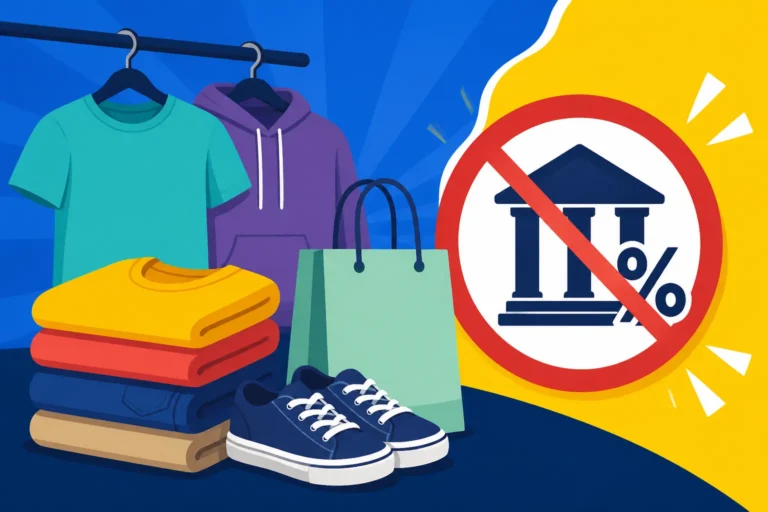
Imagine walking into your favorite store or browsing online, knowing that for an entire week, you won't see that extra line item for sales tax on a whole range of clothing and footwear. That's precisely what Connecticut's Sales Tax-Free Week offers. It's a targeted initiative by the state legislature designed to provide financial relief to consumers, particularly families preparing for the back-to-school season. Beyond the direct savings for shoppers, it's also a significant boost for local retailers, encouraging residents to shop within the state and support local businesses. Many other states have similar initiatives, and you can explore the full Sales Tax Holidays by State 2026: Full Calendar for a broader perspective.
This holiday is a clear effort to stimulate the local economy while putting money back into the pockets of Connecticut residents. For many, it's an anticipated event that helps them stretch their budgets further, allowing them to purchase necessities without the added financial burden of sales tax. It's a win-win situation, fostering consumer spending and offering valuable savings. Businesses, in turn, gear up with promotions and extended hours to capitalize on the increased foot traffic and online sales during this special period.
The Specifics: When Does it Happen in 2026?
Connecticut has a consistent pattern for its Sales Tax-Free Week, typically scheduling it for the third full week of August. Based on this historical precedent, we can anticipate the Connecticut Tax-Free Weekend 2026 Dates to run from Sunday, August 16, 2026, through Saturday, August 22, 2026. It's crucial to remember that while this is the expected timeframe, legislative bodies can sometimes make adjustments. Always keep an eye on official announcements from the Connecticut Department of Revenue Services (DRS) as the year progresses to confirm the exact dates.
This extended period—a full seven days—gives shoppers ample opportunity to take advantage of the savings, unlike some other states that might offer just a weekend. Whether you prefer to shop early in the week to avoid crowds or wait until the weekend for specific sales, you have flexibility. It's a great idea to mark these dates on your calendar well in advance so you can coordinate your shopping trips and maximize your savings. Understanding sales tax holidays can help put this specific holiday into context.
What Items are Tax-Exempt During the Holiday?
The heart of the Sales Tax-Free Week lies in understanding what you can purchase without paying sales tax. Connecticut's holiday primarily focuses on clothing and footwear, but there are specific stipulations you need to be aware of. It’s not just any article of clothing; there’s a critical price cap that determines eligibility.
Clothing and Footwear Under the Limit
During Connecticut's Sales Tax-Free Week, most individual articles of clothing and footwear are exempt from sales and use tax, provided their purchase price is less than $100. This is a crucial detail: the $100 limit applies per item, not to the total transaction. So, if you buy five shirts, each costing $90, all five would be exempt, even though your total bill is $450. This "per item" rule is a significant benefit for shoppers looking to buy multiple relatively inexpensive items. This also means you can save a good chunk of change when purchasing items you might consider for back-to-school shopping or just general wear.
Think about back-to-school shopping. This limit covers a vast array of common purchases: shirts, pants, dresses, skirts, socks, underwear, and most shoes like sneakers, sandals, and boots, as long as each item rings up under $100. It's the perfect time to grab those new jeans or a couple of sweaters for the colder months without that extra 6.35% added to the price tag. Even if you're not shopping for school, it's a great opportunity to refresh your wardrobe or replace worn-out items. To understand the general rules, you might want to read our guide on What Qualifies for Tax-Free Weekend?.
Exclusions and What Doesn't Qualify
While the Sales Tax-Free Week is generous, it doesn't cover absolutely everything. It's important to differentiate between eligible clothing and footwear and items that remain subject to the regular sales tax, even if they're typically sold in clothing stores. The primary exclusion is for items with a sales price of $100 or more; these will always incur the standard sales tax. So, if that designer jacket is $120, you'll still pay the sales tax on the full amount. This can be a bit of a bummer, but it's consistent with the intent to provide relief on more common, budget-friendly purchases.
Beyond the price cap, certain categories of items are generally excluded, regardless of their price. These often include accessories like jewelry, watches, handbags, briefcases, luggage, and sunglasses. Additionally, protective wear or sports equipment, such as helmets, shin guards, or ski boots, usually don't qualify, even if they're considered "apparel" in a broader sense. Basically, if it's not a basic article of clothing or a pair of shoes, it's likely still taxable. For businesses that need to track these distinctions, sophisticated sales tax software like that offered by Avalara can be indispensable for accurate rate application.
| Category | Price Limit | Examples of Exempt Items | Examples of Taxable Items |
|---|---|---|---|
| Clothing & Footwear | Under $100 / item | Shirts, Pants, Dresses, Skirts, Socks, Underwear, Sneakers, Boots | Items $100 or more per item, Jewelry, Watches, Handbags, Briefcases, Helmets |
| Accessories | N/A | (Generally not exempt) | Sunglasses, Scarves, Belts, Hats (fashion), Hair accessories |
| Protective/Sporting | N/A | (Generally not exempt) | Sports uniforms, Shin guards, Ski boots, Safety glasses |
| Specialty Items | N/A | (Generally not exempt) | Costumes, Formal wear rentals, Fabric for clothing construction |
Tips for Savvy Shopping During Connecticut's Tax-Free Week
To truly make the most of Connecticut's Sales Tax-Free Week, a little planning goes a long way. It’s not just about showing up and buying things; it’s about strategic purchasing that maximizes your savings and minimizes potential headaches. From understanding how to manage your shopping list to knowing your rights as a consumer, these tips will help you navigate the week like a pro.
Planning Your Purchases
The biggest key to success during a sales tax holiday is preparation. Don't wait until the last minute to figure out what you need. Start by taking inventory of your family's wardrobes – what clothing items are worn out, what shoes need replacing, and what do the kids need for school? Create a detailed shopping list, noting specific items and estimated prices. If an item you really want is over the $100 limit, consider whether it's worth waiting for a general store sale or if the tax savings on other items are enough. This thoughtful approach helps prevent impulse buys of taxable items and ensures you prioritize essentials.
Many shoppers also find it beneficial to pre-shop. Visit stores or browse online retailers like Target or Kohl's in the weeks leading up to the holiday, identify the exact items you want, and even try them on. This allows you to quickly grab your desired products once the tax holiday begins, avoiding frantic decision-making. If you plan to use layaway, confirm with the retailer how they handle sales tax for items placed on layaway before or during the tax-free period; typically, the sales tax is determined by the date the customer takes possession of the goods, which would mean it's exempt if picked up during the holiday. This kind of detailed planning can make a big difference in how much you save, and can also help you understand sales tax holidays more broadly.
Understanding Retailer Responsibilities
Retailers in Connecticut are well-versed in the Sales Tax-Free Week, but it never hurts to be an informed consumer. During this period, stores are legally required to remove the state sales tax from all eligible items. Most point-of-sale systems are programmed to automatically apply the exemption, so you shouldn't have to remind a cashier or ask for the discount. However, mistakes can happen, especially with complex transactions or unique items. Always double-check your receipt to ensure the sales tax has been correctly removed from qualifying purchases. If you notice an error, politely bring it to the attention of the store staff.
For retailers, managing sales tax holidays, especially across different states or with varying item limits, can be a complex logistical challenge. This is where robust sales tax compliance solutions come into play. Companies like Avalara provide software that integrates directly with a retailer's sales system, automatically identifying taxable and non-taxable items and applying the correct rates and exemptions, including during special periods like tax-free weeks. This automation helps prevent errors and ensures a smooth shopping experience for customers.
The Role of Online Shopping
Good news for online shoppers: the Connecticut Sales Tax-Free Week generally applies to online purchases as well! As long as the order is placed and the item is shipped to a Connecticut address during the designated tax-free period (August 16-22, 2026), eligible clothing and footwear items under $100 per item should be exempt from sales tax. This means you can comfortably shop from your couch, enjoying the same savings as in-store purchases, often with the added convenience of wider selection. This is a critical point, as many people wonder, Does Online Shopping Count for Tax-Free Weekend?.
However, pay close attention to shipping and handling charges. While the clothing or footwear item itself might be tax-exempt, shipping charges are often still taxable in Connecticut. If you combine tax-exempt items with taxable items in a single online order, the shipping charge might be proportionally allocated, or the entire shipping charge could be taxable depending on the retailer's system and state rules. It’s always best to review the final breakdown of your online cart before checkout. Some online retailers might offer free shipping, which can further enhance your savings during the tax holiday.
Broader Context: Why Sales Tax Holidays Matter
Sales tax holidays are more than just a temporary break on taxes; they represent a strategic economic tool used by various states to achieve specific goals. For both consumers and businesses, these periods offer distinct advantages and play a role in the broader economic landscape. Understanding their purpose can help you appreciate the value of these special weeks.
Economic Impact for Shoppers and Businesses
From a consumer perspective, the most immediate benefit is clear: direct savings. That 6.35% sales tax, when applied to a full basket of back-to-school clothes or a new pair of shoes, can add up quickly. A $99 pair of sneakers, for example, would normally incur about $6.29 in sales tax. Over multiple items, these savings are substantial and can make a difference in a household budget, especially for families with several children. These savings effectively increase purchasing power, allowing consumers to buy more for the same amount of money, or simply keep those savings for other needs. For an idea of the impact, consider Sales Tax on a $100 Purchase by State to see how much can be saved on a typical purchase.
For businesses, the Sales Tax-Free Week is typically a boon for sales. It creates a powerful incentive for shoppers to open their wallets and spend, often drawing customers who might otherwise have delayed purchases or even shopped out-of-state. This surge in demand can significantly boost revenue for retailers during what might otherwise be a slower period. It also provides a competitive edge for brick-and-mortar stores against online giants during that week, encouraging local shopping. Businesses, particularly smaller ones, benefit from the increased traffic, even if it means foregoing a portion of their usual revenue to the state.
Comparing Connecticut to Other States
Connecticut is one of several states that regularly offer sales tax holidays, though the specifics can vary wildly from one state to another. For instance, some states might only offer a sales tax holiday for a single weekend, while Connecticut generously provides a full week. Other states have different item limits—some might have higher caps for clothing, while others extend the exemption to categories like school supplies, computers, or even hurricane preparedness items. For example, states like Florida often have multiple tax holidays throughout the year, including one focused on school supplies during a longer period.
You'll find that not all states participate in sales tax holidays at all. States like California, New York, or Illinois, for example, do not typically observe statewide sales tax holidays for clothing, though they may have other targeted exemptions. This patchwork of rules underscores the complexity of sales tax compliance, especially for businesses operating across multiple states. For a comprehensive overview of how different states manage these holidays, take a look at our guide on What States Have Sales Tax Holidays?. Companies often rely on sophisticated software solutions to navigate these varied rules, ensuring they apply the correct tax rates whether it's the standard tax rate or a temporary exemption in a state like Connecticut. This is why services like Avalara are so valuable, as they provide real-time updates and compliance tools that automatically adjust for these unique state-specific rules and holidays.
Disclaimer
The information provided in this guide regarding Connecticut's Sales Tax-Free Week, including the anticipated dates and eligible items for 2026, is based on historical patterns and general sales tax laws. While every effort has been made to ensure accuracy, sales tax laws and holiday dates can be subject to change by legislative action. It is always recommended to consult the official website of the Connecticut Department of Revenue Services (DRS) or a qualified tax professional for the most current and definitive information. This content is for informational purposes only and does not constitute tax advice.