Sales Tax Compliance for Shopify Sellers
Sales tax compliance for Shopify stores involves determining nexus, managing inventory locations, registering for permits, and configuring tax collection.
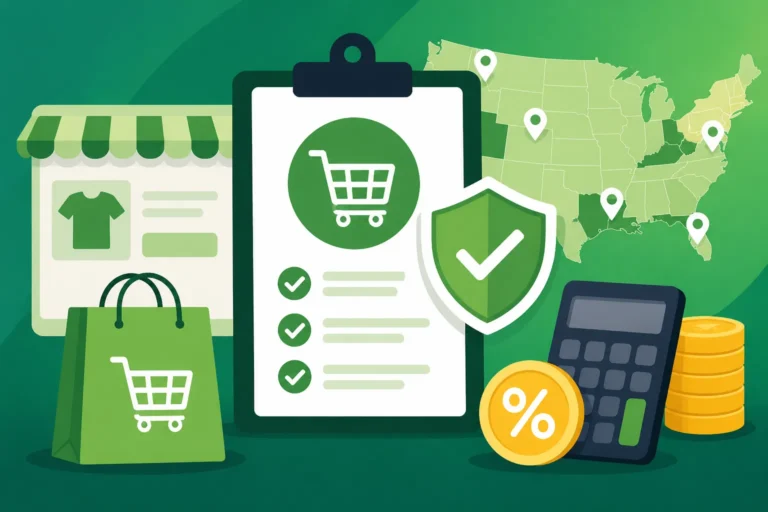
Sales tax compliance for Shopify stores involves determining nexus, managing inventory locations, registering for permits, and configuring tax collection.
Failing to collect sales tax exposes businesses to state audits, severe financial penalties, mounting interest, and potential reputational damage.
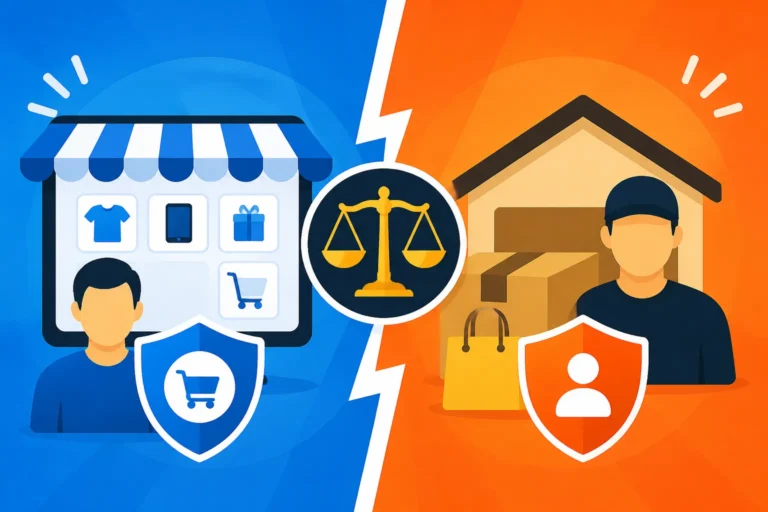
Marketplace facilitator laws determine whether online platforms or individual e-commerce sellers must collect and remit sales tax for transactions.
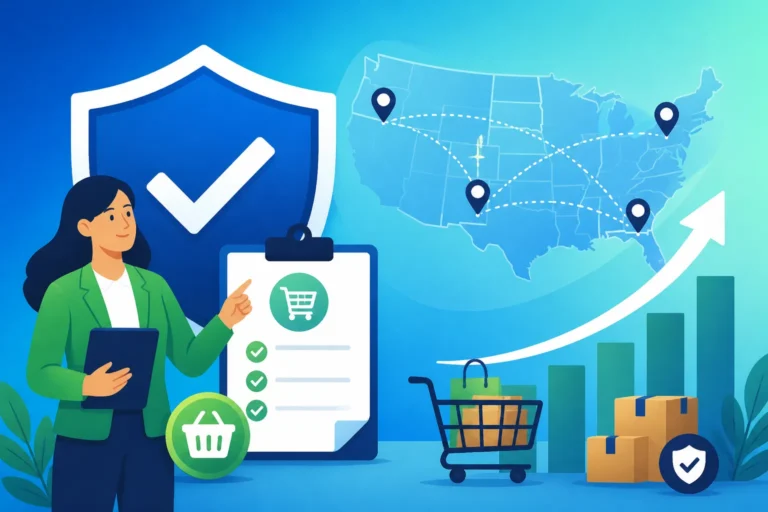
Growing business expansion triggers multi-state sales tax obligations, economic nexus rules, and registration requirements that demand careful compliance.

Sales tax automation software handles calculations, economic nexus tracking, and filing, reducing compliance errors and saving time for growing businesses.
Economic nexus threshold calculations depend on whether individual states include total gross revenue or only taxable sales in their legal definitions.
Sales tax nexus rules and economic thresholds determine when remote online sellers must legally collect and remit state taxes.
Sales tax nexus rules and state registration thresholds determine business compliance obligations for physical locations, inventory, and online sales.
Sales tax regulations explain Amazon fulfillment obligations, physical nexus rules, marketplace facilitator laws, and direct website sales requirements.

Sales tax obligations for Etsy shops, marketplace facilitator laws, physical and economic nexus rules, and off-Etsy sales requirements.