New York City Sales Tax Rate
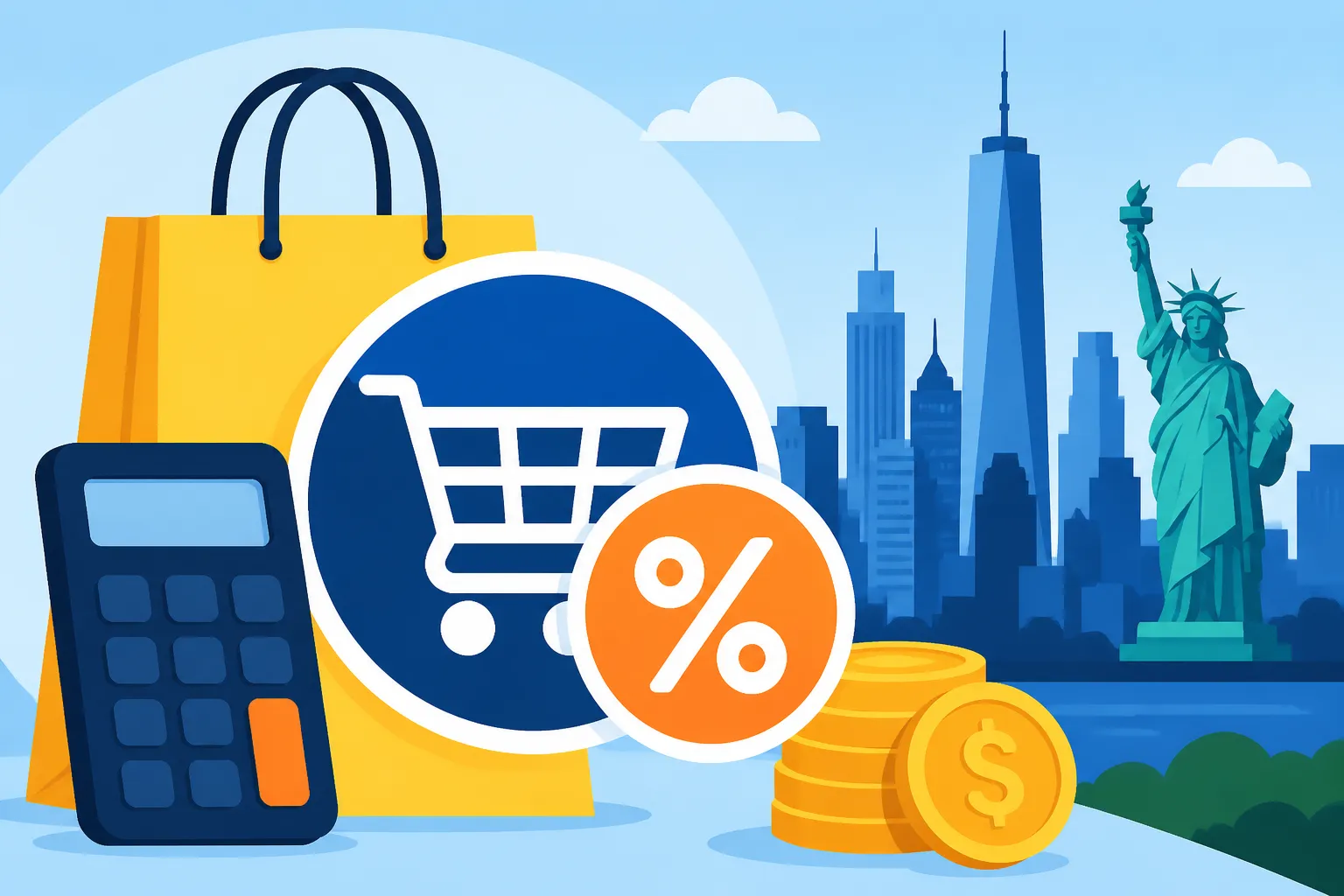
Navigating the labyrinth of sales tax, especially in a bustling metropolis like New York City, can feel like a real head-scratcher. Many business owners and even casual shoppers often find themselves utterly confused by the different layers of tax that pile up. This comprehensive guide will peel back the layers of the New York City sales tax rate, breaking down each component so you can understand exactly what you’re paying or collecting.
Understanding the New York City Sales Tax Rate Breakdown
When you see a sales tax rate applied to a purchase in New York City, it’s not just one single number. It’s actually a combination of several different taxes, each with its own purpose and origin. This layered approach is pretty common across the country, but New York City has its own unique flavor, adding a couple of extra ingredients to the mix. Understanding these distinct components is crucial for anyone trying to make sense of the final percentage.
The New York State Base Sales Tax
At the very foundation of the New York City sales tax rate is the statewide sales tax. This is the portion that applies across almost all of New York State, with only a few exceptions for specific types of goods or services. As of 2026, the New York State sales tax rate stands at 4%. This 4% is collected by the state government and helps fund a wide array of state-level services, from infrastructure projects to education and public safety initiatives.
For businesses, this 4% is the first piece of the puzzle you need to account for. If you’re selling a taxable item anywhere in New York State, this base rate is almost certainly going to apply. It’s consistent and predictable, serving as the bedrock upon which all other local taxes are built. Think of it as the starting point before any city or district decides to add their own rates on top.
Metropolitan Commuter Transportation District (MCTD) Surcharge
Now, this is where New York City starts to get a bit more unique. On top of the state's 4% rate, New York City, along with the surrounding counties that make up the Metropolitan Commuter Transportation District (MCTD), imposes an additional sales tax surcharge. This surcharge is specifically designed to help fund the extensive public transportation network that keeps millions of New Yorkers moving every single day, including the subway, buses, and commuter rail lines operated by the Metropolitan Transportation Authority (MTA).
The MCTD special sales tax rate is currently 0.375%. While it might seem like a small number, 0.375% can add up quickly, especially on larger purchases, and it's a significant contributor to the MTA's budget. It applies to sales made within the city and the designated MCTD counties, which include New York (Manhattan), Bronx, Kings (Brooklyn), Queens, Richmond (Staten Island), Dutchess, Nassau, Orange, Putnam, Rockland, Suffolk, and Westchester counties. If your business operates within any of these areas, or if you're making a purchase there, you'll see this charge included. For a more detailed look at the base state rate, check out our guide on the New York Sales Tax Rate (4% + Local).
NYC Local Sales Tax Rate
Finally, the city of New York itself adds its own local sales tax component. This is the true "city" portion of the sales tax, distinct from the state rate and the MCTD surcharge. New York City's local sales tax rate is 4.5%. This revenue directly benefits the city's municipal budget, supporting local services like sanitation, parks, police, fire departments, and local schools.
So, when you combine these three layers – the 4% state rate, the 0.375% MCTD surcharge, and the 4.5% NYC local rate – you arrive at the total combined sales tax rate for purchases made within New York City. This layered system is a perfect example of why sales tax can be so complex across different jurisdictions. Understanding how combined sales tax rates work is key to demystifying your receipts.
Calculating Your Total NYC Sales Tax
Putting all those percentages together can sometimes feel like solving a complex math problem, especially when you're just trying to figure out the final price of an item. But once you know the individual components, the calculation itself is straightforward. Let's walk through it with some real-world examples so you can see how it plays out in your everyday shopping or business transactions.
Step-by-Step Calculation for a Typical Purchase
To calculate the total sales tax in New York City, you simply add up the individual rates:
- New York State Sales Tax: 4.00%
- MCTD Surcharge: 0.375%
- New York City Local Sales Tax: 4.50%
- Total Combined Sales Tax Rate: 8.875%
Let's imagine you're buying a new gadget, say, a smart home device, priced at $100 before tax at a store in Manhattan. Here’s how the sales tax would break down:
- Identify the Item Price: $100.00
- Apply the Total Combined Rate: $100.00 x 8.875% = $8.875
- Round to the Nearest Cent: $8.88
- Add Tax to Price: $100.00 + $8.88 = $108.88 (Total cost)
It’s that simple. Just make sure you’re using the current, accurate combined rate. For businesses, getting this right every single time across thousands of transactions is a major reason why many opt for automated sales tax software, like tools offered by Avalara, to ensure precision and compliance.
Here's a handy table to illustrate the breakdown of the current New York City sales tax components:
| Tax Component | Rate | Applies To |
|---|---|---|
| New York State Sales Tax | 4.00% | General sales statewide |
| MCTD Surcharge | 0.375% | Sales within the Metropolitan Commuter Transportation District (including NYC and surrounding counties) |
| New York City Local Sales Tax | 4.50% | Sales within New York City proper |
| Total Combined NYC Sales Tax Rate | 8.875% | Applicable to most taxable purchases in New York City |
The Impact of NYC's High Combined Rate
When you look at the 8.875% combined sales tax rate, it's pretty clear that New York City ranks among the higher sales tax jurisdictions in the country. While it's not the absolute highest – some cities and parishes in states like Louisiana have even higher rates – it's certainly substantial. This rate directly impacts consumer spending power and also presents a significant compliance burden for businesses operating within the five boroughs.
For consumers, this means that almost every dollar spent on taxable goods or services will incur an additional nearly 9 cents in tax. Over the course of a year, this can amount to a considerable sum. For instance, if you make $10,000 worth of taxable purchases in a year, you’re paying close to $900 in sales tax. This is an important consideration when comparing the cost of living or doing business in NYC versus other areas, including those in states with no sales tax. Businesses, on the other hand, must ensure their point-of-sale systems are accurately configured to collect this rate, preventing under-collection and potential fines, or over-collection and customer complaints. Keeping track of rate changes, which do happen periodically, is a vital part of staying compliant, a task made much easier with reliable lookup tools. You can explore how this compares by looking at the Highest & Lowest Sales Tax States 2026 or understanding the Average Sales Tax Rate by State.
What's Taxable (and Not) in New York City?
Just knowing the rate isn't enough; you also need to understand what that rate applies to. Sales tax in New York City, like in many jurisdictions, isn't a blanket tax on everything you buy or sell. There are specific rules and exemptions that can significantly change whether an item or service is considered taxable. This is another area where confusion often arises, especially for businesses with diverse product or service offerings.
Common Taxable Goods and Services
Generally, tangible personal property is subject to sales tax in New York City. This means most physical items you buy in a store or online are taxable. Think clothes (with some exceptions, which we'll get to), electronics, furniture, books, toys, and household goods. If you can touch it and it's a "good," it's likely taxable.
However, it's not just physical products. New York State and City also tax many services, which can be a surprise to those accustomed to states where services are largely exempt. For example, certain repair and maintenance services, installation services, and even some digital products and software can be subject to sales tax. For instance, understanding if SaaS is taxable in New York depends on specific criteria related to how the software is delivered and used. This can get quite complex, so always be sure to check the latest guidelines from the New York State Department of Taxation and Finance to determine if your specific services are taxable. You can also dive deeper into this topic with our comprehensive guide on Sales Tax on Services: What's Taxable by State.
Notable Exemptions and Special Rules
This is where things get particularly interesting, and sometimes a bit tricky, in New York City. Certain categories of goods and services are either entirely exempt from sales tax or have special rules applied to them.
One of the most well-known exemptions in New York City (and statewide) concerns clothing and footwear. If an item of clothing or footwear is priced under $110, it is exempt from the New York State and local sales tax, including the NYC and MCTD portions. This means that if you buy a pair of jeans for $75, you pay no sales tax. But if you buy a winter coat for $150, you'll pay the full 8.875% sales tax on the entire $150. This can create odd scenarios for businesses and consumers alike, making the register a little more complicated. For a detailed exploration, check out our article, Is Clothing Taxable in New York? ($110 Rule).
Food and groceries also have special considerations. Most unprepared food items sold in grocery stores for home consumption are exempt from sales tax. This means your milk, bread, fresh produce, and uncooked meats typically won't be taxed. However, once food is prepared, heated, or meant for immediate consumption, it often becomes taxable. Think about a hot coffee, a sandwich from a deli, or a meal from a restaurant – these usually incur sales tax. There are nuances even within this category, such as the "flour test" for candy and soda, which can determine taxability. Our articles on Sales Tax on Groceries & Food by State and Prepared Food Sales Tax Explained offer more insights into these distinctions.
Other common exemptions might include certain medical equipment, prescription drugs, and some agricultural products. Businesses that make purchases for resale also typically don't pay sales tax on those items, provided they furnish a valid resale certificate. Understanding these exemptions is not just about saving a few bucks; for businesses, it's about accurately charging customers and avoiding penalties for incorrect tax collection.
Staying Compliant with NYC Sales Tax as a Seller
For businesses, understanding the New York City sales tax rate is just the first step. The real challenge lies in staying compliant with all the rules, from determining your obligation to collect tax to correctly filing and remitting what you've collected. This responsibility can be a heavy burden, especially for small businesses or those new to selling in the intricate New York market.
Sales Tax Nexus in New York
Before you even worry about collecting sales tax, you need to establish if you have "nexus" in New York. Nexus essentially means you have a significant enough presence or connection to the state that you're legally obligated to collect and remit sales tax. Traditionally, this meant having a physical presence – a store, an office, employees, or inventory in a warehouse. However, thanks to the landmark South Dakota v. Wayfair Supreme Court decision, "economic nexus" now plays a huge role, especially for online sellers.
In New York, you establish economic nexus if your sales into the state exceed certain thresholds. As of 2026, New York's economic nexus threshold is $500,000 in gross receipts from sales of tangible personal property and services and more than 100 separate transactions within the previous four sales tax quarters. If your business, even if it's based entirely out of state, meets both of these criteria for sales into New York, you're required to register and collect sales tax. This is a critical point for e-commerce businesses, and understanding Economic Nexus in New York ($500k + 100 Sales) is paramount. Don't forget to also familiarize yourself with the broader concept of Sales Tax Nexus Explained (Physical vs Economic). Once you hit that threshold, the clock starts ticking for compliance.
Registration, Collection, and Remittance Best Practices
Once you've determined you have nexus in New York, the next step is to register with the state. For New York, this means applying for a Certificate of Authority with the New York State Department of Taxation and Finance. This permit authorizes you to collect sales tax from your customers. The process usually involves providing information about your business, such as your legal name, federal EIN, business address, and an estimate of your taxable sales. You can find detailed steps in our guide on How to Get a Certificate of Authority in New York.
After registration, the real work begins: collecting the correct sales tax. This means ensuring your point-of-sale (POS) system, e-commerce platform, or accounting software is configured to accurately apply the 8.875% rate for taxable sales within New York City. This is also where the brand Avalara becomes highly relevant. Companies like Avalara specialize in sales tax automation, integrating with various sales platforms to automatically calculate and apply the correct sales tax rates, factoring in not just the state and city rates but also specific exemptions like the $110 clothing rule. This can significantly reduce the risk of errors and ensure you're collecting the right amount from your customers.
Finally, you need to remit the collected sales tax to the state. New York will assign you a filing frequency (e.g., monthly, quarterly, or annually) based on your estimated taxable sales. Larger businesses with higher sales tax liabilities will typically file more frequently. You must file a sales tax return even if you had no sales tax to report (a "zero return"). Missing due dates or filing incorrectly can lead to penalties and interest, which no one wants. For comprehensive instructions, refer to our articles on How to File a Sales Tax Return: Step by Step and Sales Tax Filing Frequency Explained. Utilizing a robust sales tax solution like Avalara can help streamline your reporting and filing processes, making sure you stay on schedule and avoid costly mistakes.
Disclaimer
Please note: Sales tax laws and rates are subject to change frequently. The information provided in this article is for general informational purposes only and does not constitute tax or legal advice. Always consult with a qualified tax professional or the official New York State Department of Taxation and Finance resources for the most current and accurate information pertaining to your specific business situation.